- Company Articles
- Products and Technology
- Installation And Maintenance
- Maintenance Guide for 40 Steel Roller Track Black ESD Wheels: Cleaning & Lubrication

Maintenance Guide for 40 Steel Roller Track Black ESD Wheels: Cleaning & Lubrication
Related Product
40 Steel Roller Track Black ESD Wheel
The roller track can be installed with multiple accessories to create different slopes and configurations of flow racks.All steel conveyor 40 roller track accessories are engineered to perfectly fit the sliding rail.
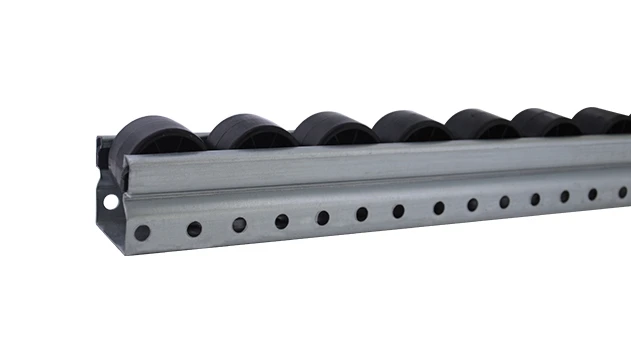
If you've ever walked into a busy production floor, you've probably seen them—those sleek, black roller tracks gliding products from one station to the next, quietly keeping the workflow moving like a well-choreographed dance. We're talking about the 40 Steel Roller Track Black ESD Wheels, the unsung heroes of countless esd workstations and lean systems across manufacturing plants. These aren't just metal and plastic; they're the backbone of efficient, static-safe production lines, especially in industries like electronics and 3C assembly where even a tiny static spark or a stuck roller can throw a wrench in the entire process.
Think about it: when your roller track works smoothly, products flow without a hitch, workers stay focused, and your lean system lives up to its promise of "sustainable improvement." But when they're neglected? You'll notice the difference fast—jammed tracks, scratched products, even unexpected downtime. That's why taking care of these wheels isn't just "maintenance"—it's an investment in keeping your production line happy, healthy, and ready to handle whatever the day throws at it. Let's dive into how to keep your 40 Steel Roller Track Black ESD Wheels in top shape, starting with the two biggies: cleaning and lubrication.
Why These Wheels Deserve Your Attention
First, let's get why these specific wheels matter. Unlike regular roller tracks, the "Black ESD" in their name is a clue—they're designed to dissipate static electricity, a must-have for esd workstations where sensitive electronics are handled. The steel construction? That's for durability, so they can take the daily grind of heavy products without bending or warping. And as part of your lean system , they're built to be reusable and adaptable—meaning with proper care, they'll keep up with your changing production needs for years, not just months.
But here's the thing: even the toughest wheels wear down over time. Dust builds up in the crevices, grease dries out, and before you know it, that smooth glide turns into a jerky, noisy hassle. It's like owning a high-performance car—skip the oil changes, and you'll be stuck on the side of the road. Your roller track wheels are no different. Let's start with cleaning—because you can't lubricate a dirty wheel and expect it to work magic.
Step-by-Step Cleaning: Getting Rid of the Gunk
Prep Work: Safety First (and a Little Organization)
Before you break out the cleaning supplies, let's set the stage. You don't want to accidentally damage the track or risk static discharge during cleaning. Here's what you'll need:
- A soft microfiber cloth (avoid paper towels—they leave lint!)
- A small, soft-bristled brush (an old toothbrush works in a pinch, but make sure it's clean)
- Mild, pH-neutral detergent (dish soap diluted in water is perfect—stay away from bleach or ammonia-based cleaners; they'll eat away at the ESD coating)
- Distilled water (tap water can leave mineral deposits, which are bad news for ESD performance)
- A clean, dry towel for drying
- Optional: Compressed air (for blowing out stubborn dust in tight spots)
Pro tip: Always power down any motorized parts of the roller track before you start. And if there are products or materials on the track, move them to a safe, clean area—you don't want to knock something over mid-clean!
Step 1: Wipe Down the Surface (The "Big Clean")
Start with the obvious: the outer surface of the track and wheels. Dip your microfiber cloth in the soapy water (wrring it out well—you don't want drips), and gently wipe down each wheel and the track frame. Go with the grain of the steel to avoid scratching the surface. Pay extra attention to the areas where dust loves to hide: the edges of the track, the space between the wheels, and the metal brackets holding everything together.
You might notice some spots are stickier than others—maybe old adhesive from a label or a dried spill. For those, don't scrub hard! Instead, dampen the cloth, let it sit on the spot for 30 seconds, then wipe gently. Scrubbing can wear away the ESD coating, which is like stripping the armor off your wheels.
Step 2: Get Into the Gaps (The "Detail Work")
Now for the tricky parts: the tiny spaces between the wheel and its axle, and the bearings inside. This is where that soft-bristled brush comes in. Dip the brush in soapy water, shake off excess, and gently brush around the wheel's hub—where it connects to the track. You'll be surprised how much dust and debris hides there! If you have compressed air, a quick burst (from about 6 inches away) can blow out any leftover particles, but don't overdo it—too much pressure might push dirt deeper into the bearing.
For the wheels themselves, spin them slowly with your finger as you brush. This helps the brush reach all angles, ensuring you're not missing a spot. Remember: clean bearings mean smoother spins, and smoother spins mean less wear and tear on both the wheels and your lean system overall.
Step 3: Rinse (Yes, Really!)
Soapy residue might seem harmless, but over time, it can attract more dust and even corrode the steel. Grab a clean cloth dampened with distilled water (no soap this time) and wipe down all the areas you just cleaned. This rinses away any leftover detergent, keeping the surface clean and ready for lubrication. Again, wring out the cloth well—you want it damp, not soaking.
Step 4: Dry Thoroughly (No Moisture Left Behind)
Moisture is the enemy here. Even a little water left on the steel can lead to rust, and rust on your roller wheels is like a flat tire on a bike—it's going to slow you down. Use a dry towel to pat (don't rub!) the wheels and track dry. For hard-to-reach spots, like the inside of the bearing housing, you can use a hair dryer on the "cool" setting—heat can damage the ESD coating, so stick to cool air only. Let everything air-dry for 10-15 minutes after toweling to make sure no hidden moisture is left.
Quick Check: After drying, spin a wheel with your finger. It should spin freely for at least 3-5 seconds without wobbling. If it stops right away or feels "sticky," you might have missed some debris—go back and re-brush that area!

Lubrication: Keeping the Glide Smooth
Clean wheels are great, but without proper lubrication, they'll start to squeak, stick, and wear out faster than a pair of work boots on a construction site. Lubrication is like giving your wheels a drink of water—they need it to stay moving smoothly. But not just any lubricant will do—let's break down how to do it right.
Choosing the Right Lubricant (Not All Grease Is Created Equal)
First, skip the household stuff. WD-40? Not a lubricant (it's a cleaner/degreaser!). Cooking oil? It'll go rancid and attract dust. What you need is a silicone-based or PTFE-based lubricant specifically designed for ESD-safe environments. Look for labels like "static-dissipative" or "ESD-compatible"—these won't interfere with the wheel's ability to control static, which is critical for esd workstations .
A good option is a clear, lightweight silicone grease. It stays put, doesn't attract dust as much as oil-based lubricants, and works well in the temperature ranges most factories operate in (typically 50-100°F). Avoid heavy greases—they'll make the wheels sluggish, which is the opposite of what we want!
Where to Lubricate (The "Sweet Spots")
You don't need to douse the entire wheel—focus on the moving parts. The main targets are:
- The wheel bearing: This is the inner part that allows the wheel to spin on the axle. There's usually a small gap or a tiny hole here where lubricant can seep in.
- The axle pin: The metal rod that holds the wheel to the track. Where the pin meets the track bracket, there's often a small space that needs lubrication to prevent rust and friction.
- Swivel joints (if your track has them): Some roller tracks can pivot or adjust height—those joints need love too!
Lubrication Step-by-Step (Less Is More)
Now, let's get to it. Start by shaking the lubricant well. Then, apply a tiny amount—about the size of a grain of rice—to each bearing. You can use the applicator tip that comes with the lubricant (if it has one) to get into tight spots, or a toothpick to dab it on. Spin the wheel slowly after applying to work the lubricant into the bearing—you should feel it start to spin more freely after a few rotations.
For the axle pin, apply a thin film along the length of the pin where it touches the bracket. Wipe off any excess with a clean cloth—you want a light coating, not a glob. Excess lubricant will attract dust, which turns into grit and grinds away at the metal over time. It's like putting too much butter on toast—messy and unnecessary.
Pro Move: After lubricating, let the wheels sit for 5 minutes before using the track. This gives the lubricant time to settle into the bearings and form a protective layer. Think of it as letting your coffee cool before taking a sip—rushing it might lead to spills (or in this case, excess grease).

Troubleshooting Common Issues (What to Do When Things Go Wrong)
Even with regular maintenance, you might run into a few hiccups. Here's a quick guide to fixing the most common problems with your 40 Steel Roller Track Black ESD Wheels:
| Problem | What Might Be Causing It | How to Fix It |
|---|---|---|
| Wheel spins sluggishly or not at all | Dust in the bearing, dried-out lubricant, or a bent axle | Clean the bearing with soapy water and compressed air, then relubricate. If it still sticks, check the axle for bends—replace if warped. |
| Screeching or grinding noise | Metal-on-metal friction (no lubricant) or debris in the bearing | Stop the track immediately! Clean the bearing thoroughly, then apply fresh lubricant. If the noise continues, the bearing might be worn—replace the wheel. |
| Wheel wobbles while spinning | Loose axle pin or damaged wheel hub | Tighten the axle pin with a wrench (don't over-tighten!). If it still wobbles, inspect the wheel hub for cracks—replace the wheel if damaged. |
| Static shocks when touching the track | Worn ESD coating or dirty surface | Clean the track with ESD-safe cleaner (avoid soapy water this time—use a specialized static-dissipative wipe). If shocks persist, contact the manufacturer to check the ESD coating. |
How Often Should You Do This? (The Maintenance Schedule)
The short answer: it depends on how much you use your roller track. A track in a busy electronics plant running 12-hour shifts will need more love than one in a small workshop. Here's a general schedule to follow, based on typical factory usage:
| Maintenance Type | Frequency | Tasks |
|---|---|---|
| Daily Check | Start of each shift | Wipe surface dust with a dry microfiber cloth; spin a few wheels to check for obvious issues (wobbling, noise). |
| Weekly Cleaning | Every 5-7 days | Full surface wipe with soapy water; brush out wheel gaps; dry thoroughly. |
| Monthly Lubrication | Once a month | Clean bearings, apply fresh lubricant to axles and bearings; check for loose parts. |
| Quarterly Deep Clean | Every 3 months | Remove wheels (if possible), clean bearings with compressed air; inspect for wear (cracks, rust, worn ESD coating); replace any damaged parts. |
Pro tip: Keep a maintenance log! Jot down when you cleaned, lubricated, or replaced parts. Over time, you'll start to see patterns—maybe your Monday morning shifts leave more dust, or summer humidity makes lubricant dry out faster. Adjust your schedule accordingly—that's the lean system way: always improving based on what you learn!
Final Thoughts: Your Wheels, Your Workflow, Your Success
At the end of the day, maintaining your 40 Steel Roller Track Black ESD Wheels isn't just about keeping things clean—it's about respecting the hard work your production line does every day. When these wheels run smoothly, your esd workstation stays efficient, your products stay safe from static damage, and your lean system lives up to its promise of "sustainable improvement."
Think of it this way: you wouldn't skip a doctor's appointment for yourself, so don't skip maintenance for your equipment. A little time spent cleaning and lubricating today can save you hours of downtime, costly repairs, and frustrated workers tomorrow. Plus, when your roller track is in top shape, it's easier to adapt to new production needs—adding a new station, adjusting the layout, or scaling up output—all without having to replace parts prematurely.
So grab that cloth, that brush, and that tube of silicone grease. Your wheels (and your bottom line) will thank you. Here's to smooth tracks, happy workers, and a production line that keeps rolling—literally and figuratively!