- Company Articles
- Products and Technology
- Installation And Maintenance
- Maintenance Schedule for 40 Steel Roller Track White Wheel: Best Practices

Maintenance Schedule for 40 Steel Roller Track White Wheel: Best Practices
Related Product
40 Steel Roller Track White Wheel
The roller track can be installed with multiple accessories to create different slopes and configurations of flow racks.All steel conveyor 40 roller track accessories are engineered to perfectly fit the sliding rail.
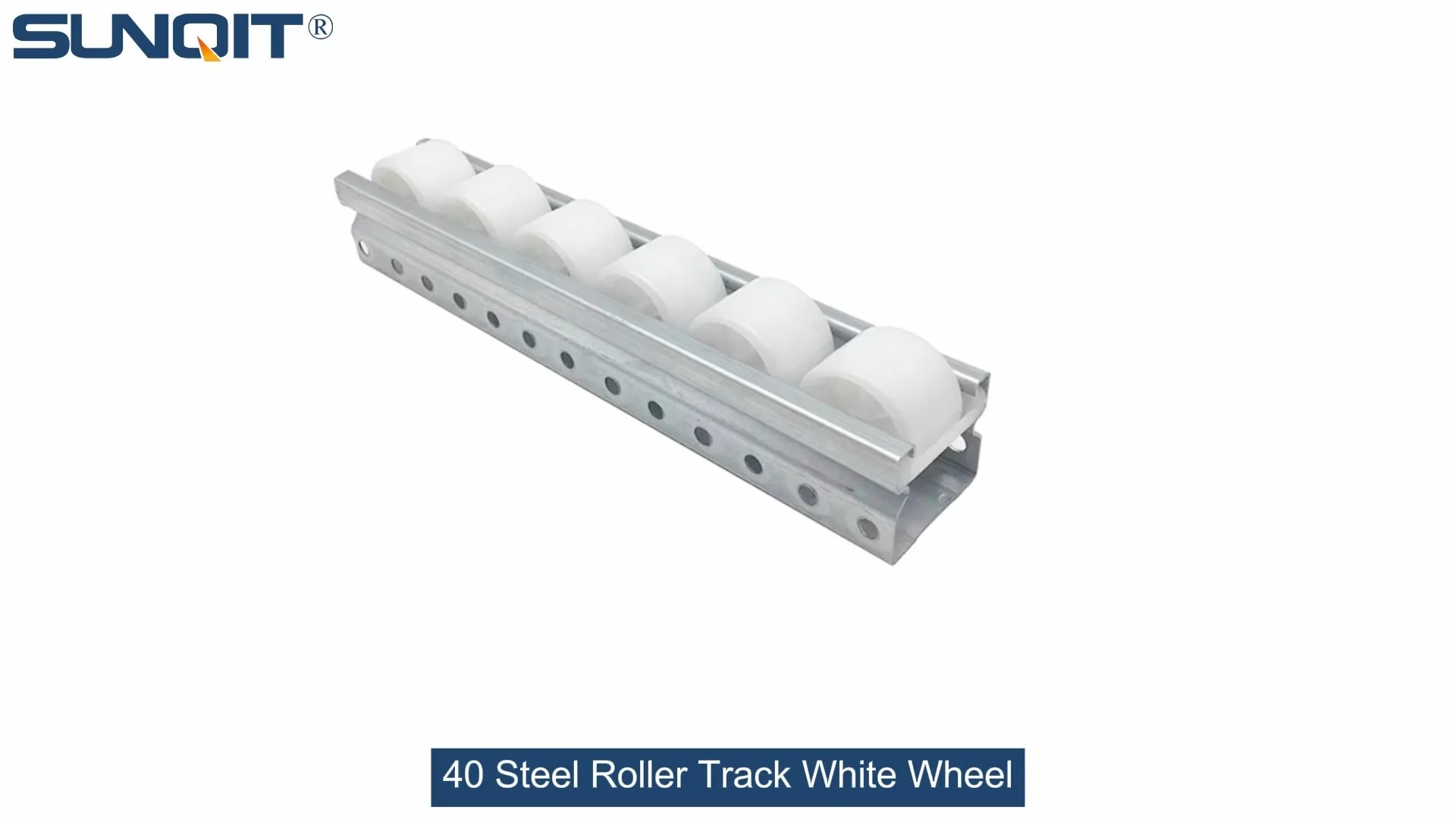
Introduction to 40 Steel Roller Track White Wheel
40 Steel Roller Track White Wheel is a fundamental component in modern manufacturing and logistics operations, serving as the backbone for smooth material movement across production lines, warehouses, and assembly stations. Whether integrated into a flow rack, part of a conveyor system, or built into a lean pipe workbench, this robust component ensures that materials glide seamlessly from one stage to the next. Its white wheel coating not only provides a clean, professional appearance but also offers resistance to scuffs and debris accumulation. However, like any hardworking piece of equipment, it requires consistent care to maintain optimal performance. A well-executed maintenance schedule is not just a reactive measure—it's a proactive strategy to prevent breakdowns, extend equipment lifespan, and keep your operations running efficiently. In this comprehensive guide, we'll explore the best practices for maintaining 40 Steel Roller Track White Wheel, covering everything from daily inspections to annual overhauls, and how these practices align with broader lean solutions for your facility.
The Hidden Costs of Neglecting Maintenance
Many organizations underestimate the impact of skipping regular maintenance on their 40 Steel Roller Track White Wheel systems. Let's break down the potential costs:
Downtime:
A single seized roller can halt an entire production line. For a facility running two shifts a day, even 30 minutes of downtime can translate to thousands of dollars in lost output. Over time, these small interruptions add up to significant financial losses.
Safety Risks:
Worn or misaligned rollers can cause materials to shift, slip, or fall. In industries like medical device manufacturing, this could lead to product defects and regulatory non-compliance. For workers, a falling package or component poses a direct physical hazard.
Reduced Efficiency:
Sticky or uneven rollers force conveyor motors to work harder, increasing energy consumption. This not only raises utility bills but also shortens the motor's lifespan, leading to costly replacements.
Premature Replacement:
Without maintenance, rollers wear out faster. Replacing an entire track system prematurely is far more expensive than investing in regular upkeep.
These costs are avoidable with a structured maintenance plan, making it a critical investment for any operation relying on 40 Steel Roller Track White Wheel.

Comprehensive Maintenance Schedule
Below is a detailed maintenance schedule for 40 Steel Roller Track White Wheel, designed to keep your equipment in top condition year-round:
| Frequency | Tasks | Tools Needed | Notes |
|---|---|---|---|
| Daily |
1. Visual inspection for debris, dirt, or obstructions
2. Check for loose/missing fasteners 3. Ensure rollers spin freely 4. Wipe track surface with dry cloth |
Soft cloth, flashlight | Report broken rollers or loose parts immediately to maintenance team |
| Weekly |
1. Clean rollers with mild detergent solution
2. Lubricate roller bearings with light machine oil 3. Inspect track frame for corrosion/bending 4. Verify track alignment |
Non-abrasive detergent, soft brush, precision oiler, level tool | Avoid harsh chemicals that damage white coating; use oil sparingly |
| Monthly |
1. Tighten fasteners to manufacturer specs
2. replace worn/scratched rollers 3. Inspect connections to adjacent equipment 4. Test load capacity with standard materials |
Wrench set, replacement rollers, load tester | Document replaced parts in maintenance log |
| Quarterly |
1. Deep clean entire track system
2. Treat rust spots with inhibitor 3. Inspect roller axles for wear 4. Check grounding (if ESD-sensitive environment) |
Pressure washer (low setting), rust inhibitor, axle gauge, multimeter | Ensure proper grounding for ESD workbench integration |
| Annual |
1. Full system audit
2. replace aging components 3. Re-calibrate track alignment 4. update maintenance schedule |
Audit checklist, replacement parts, alignment tools | Adjust schedule based on usage patterns and past issues |

Best Practices for Effective Maintenance
1. Use Appropriate Cleaning Agents:
The white wheel coating is susceptible to scratches from abrasive cleaners. Opt for non-corrosive, mild detergents and soft cloths to preserve the finish. For stubborn dirt, use a soft-bristled brush instead of a wire brush.
2. Precision Lubrication:
Over-lubrication attracts dust and debris, leading to more problems. Use a precision oiler to target only the roller bearings, applying a small amount of oil each time. Choose oil compatible with steel and the white coating to avoid degradation.
3. Staff Training:
Equip operators with the knowledge to spot early signs of wear, such as unusual noises or slow movement. Regular training sessions with hands-on demos build confidence, leading to more consistent checks and faster issue resolution.
4. Detailed Documentation:
Maintain a digital or physical log of all maintenance tasks, including dates, personnel, and issues found. This log helps identify patterns (e.g., frequent roller replacements in a specific area) and plan future maintenance effectively.
5. Off-Peak Maintenance:
Schedule major tasks like deep cleaning or component replacement during off-peak hours to minimize downtime. Coordinate with production teams to find the least disruptive windows.
6. Proactive Replacement:
Don't wait for components to fail. replace rollers and fasteners that are approaching their expected lifespan to prevent unexpected breakdowns. This is especially critical in high-traffic areas like conveyor systems feeding lean pipe workbenches.

Troubleshooting Common Issues
Stuck Rollers:
Causes include debris in bearings, lack of lubrication, or bent axles. Solution: Clean bearings with compressed air, lubricate, or replace the roller if axles are bent.
Uneven Movement:
Check track alignment, worn rollers, or loose fasteners. Adjust alignment using a level tool, replace worn rollers, and tighten all fasteners to specs.
Excessive Noise:
Usually due to dry bearings or misaligned rollers. Lubricate bearings and verify track alignment. If noise persists, inspect for damaged axles.
ESD Concerns:
In ESD-sensitive environments, ensure the track is properly grounded. Check grounding wires for damage and verify continuity with a multimeter. This is crucial for ESD workbench setups to prevent electrostatic discharge damage to sensitive components.
Corrosion:
Treat rust spots with a rust inhibitor and repaint if necessary. For severe corrosion, replace the affected section of the track to maintain structural integrity.
Integrating Maintenance into Lean Solutions
Lean solutions focus on eliminating waste and continuous improvement, and maintenance plays a key role in this strategy. Here's how:
Reducing Downtime:
Preventive maintenance eliminates unplanned stops, aligning with the lean principle of "flow"—ensuring materials move through the system without interruptions. For example, a flow rack with well-maintained rollers keeps parts accessible, reducing search time and improving efficiency.
Extending Equipment Life:
Regular care extends the lifespan of 40 Steel Roller Track White Wheel, reducing the need for frequent replacements. This aligns with the lean of "sustainability" and "waste reduction."
Supporting Flexibility:
A well-maintained track system is easier to reconfigure, supporting the lean principle of "flexibility." For instance, a lean pipe workbench with functional rollers can be quickly adjusted to accommodate new product lines, reducing setup time.
Improving Safety:
Lean solutions prioritize worker safety, and maintenance directly contributes to this by preventing accidents from faulty equipment. A safe workplace boosts morale and productivity, creating a positive cycle of continuous improvement.
By integrating maintenance into your lean strategy, you create a more resilient operation. For example, a conveyor system with regular maintenance ensures that materials reach lean pipe workbenches on time, supporting just-in-time production and reducing inventory waste. Similarly, a flow rack with properly functioning rollers minimizes the risk of material damage, aligning with the lean goal of zero defects.
Conclusion
40 Steel Roller Track White Wheel is a critical component in modern manufacturing and logistics, and its maintenance should not be an afterthought. A proactive, well-documented maintenance schedule prevents downtime, reduces costs, and ensures safety. By following the best practices outlined in this guide—from daily inspections to annual audits—you can extend the lifespan of your equipment and keep your operations running smoothly. Moreover, integrating maintenance into your lean solutions creates a more efficient, sustainable operation that aligns with the principles of continuous improvement. Remember, maintenance is an investment, not an expense. The time and resources spent on caring for your 40 Steel Roller Track White Wheel will pay off in reduced downtime, lower costs, and a more productive workforce. So, start implementing these practices today and watch your operation thrive.