- Company Articles
- Products and Technology
- Installation And Maintenance
- Maintenance Tips for 38 Aluminum Roller Track Yellow with Wheel Flange: Prolonging Lifespan

Maintenance Tips for 38 Aluminum Roller Track Yellow with Wheel Flange: Prolonging Lifespan
Related Product
38 Aluminum Roller Track Yellow with Wheel Flange
Heavy duty roller tracks, aluminum frame with plastic wheel, one side with guide keeps goods and materials on the track to prevent bin move to other direction.Aluminum frame makes the rail ani-corrision when the environment are humid.
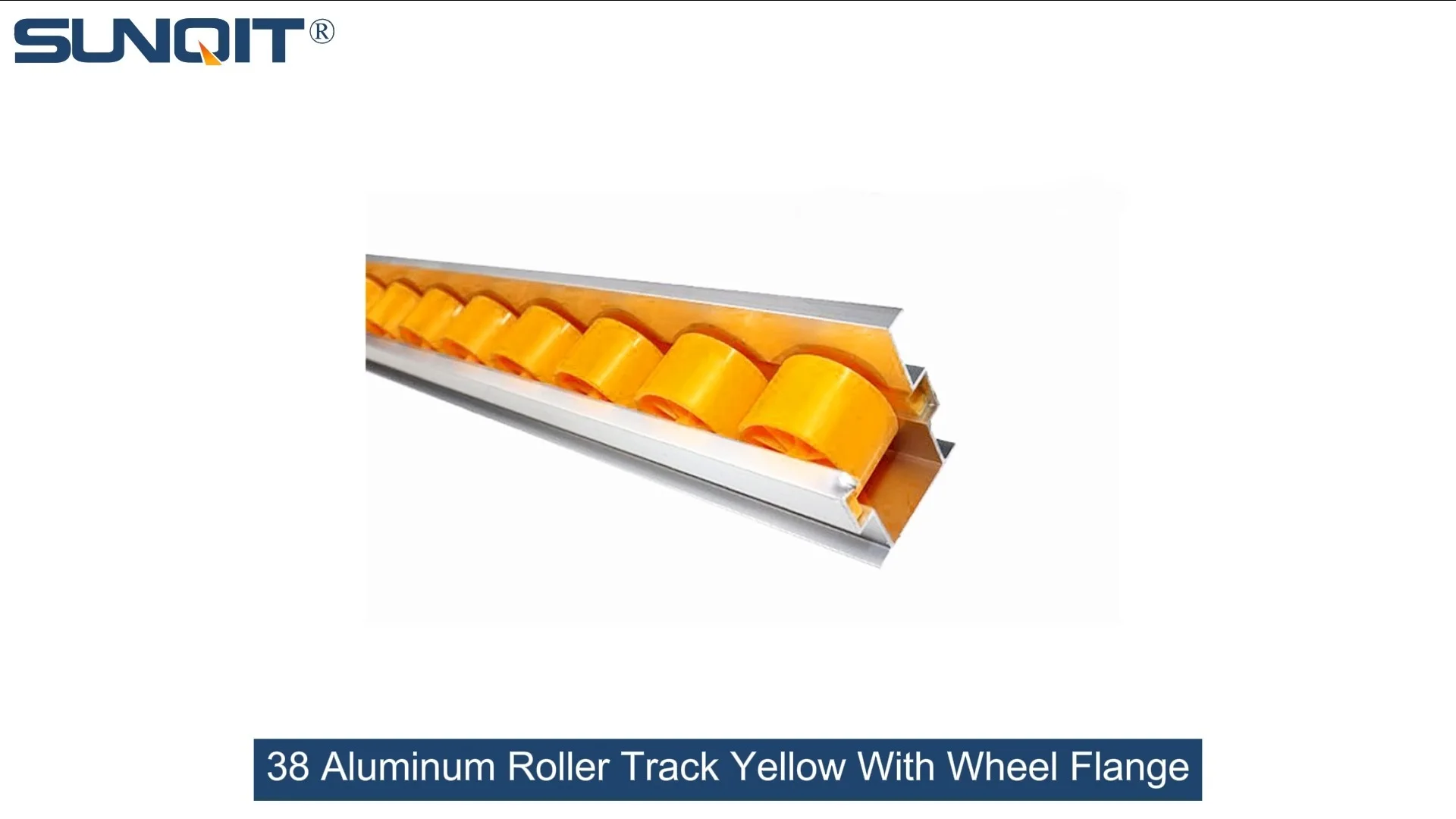
Roller tracks are the unsung heroes of efficient material handling in lean systems. Whether you're using them in flow racks for picking operations or as part of a conveyor line moving components through assembly, their performance directly impacts your workflow's speed and reliability. The 38 Aluminum Roller Track Yellow with Wheel Flange is a popular choice for many manufacturing and warehouse setups, thanks to its durability and compatibility with various lean pipe systems. But like any piece of equipment, it needs regular care to keep it running smoothly. In this guide, we'll walk you through everything you need to know to maintain your 38 aluminum roller track—from daily checks to long-term strategies—to ensure it serves you well for years to come.
Why Maintenance Matters for Your 38 Aluminum Roller Track
You might think that a simple roller track doesn't need much attention, but neglecting maintenance can lead to a host of problems. Let's break down the key reasons why regular upkeep is essential:
Reduced Downtime: A stuck wheel or misaligned track can bring your entire line to a halt. Even a few minutes of downtime each day adds up over time, costing your business money and productivity. By catching issues early, you can avoid unexpected breakdowns.
Enhanced Safety: Worn-out wheels or damaged flanges can cause products to slip off the track, leading to accidents or injuries. Proper maintenance ensures that your track operates safely, protecting your employees and your inventory.
Longer Lifespan: Regular cleaning, lubrication, and part replacement can significantly extend the life of your roller track. Instead of replacing the entire system every few years, you can keep it running efficiently with minimal investments in upkeep.
Improved Performance: A well-maintained track ensures that items move smoothly and consistently. This is especially important in lean systems where every second counts. Consistent performance helps you meet production targets and deliver products on time.
Daily Inspection Routine: What to Check Every Day
Daily inspections are quick and easy, but they're crucial for catching small issues before they become big problems. Here's a step-by-step routine you can follow:
1. Check Wheel Rotation
Walk along the track and spin each wheel gently with your finger. Each wheel should turn freely without any resistance. If a wheel feels stuck or doesn't spin smoothly, make a note of it so you can address it later. Stuck wheels are often caused by debris or lack of lubrication, so these are usually easy fixes.
2. Remove Debris
Look for any dust, dirt, or small parts that might be trapped between the wheels or on the track surface. Even tiny particles can cause jams or slow down movement. Use a soft brush or a dry cloth to wipe away any debris. Pay special attention to the gaps between the wheel flanges and the track edges, as these are common spots for dirt to accumulate.
3. Inspect Wheel Flanges
The yellow wheel flanges are designed to keep items on the track, so their condition is critical. Check each flange for cracks, chips, or signs of wear. If you notice any damage, mark the wheel for replacement. A damaged flange can cause products to fall off the track, leading to damage or safety hazards, so don't ignore this step.
4. Verify Track Alignment
Ensure that the track sections are properly aligned with each other. If there's a gap or misalignment between two sections, items might get stuck or move unevenly. Check the connections between track sections to make sure they're tight and secure. If you notice any shifting, adjust the bolts or fasteners to realign the track.
5. Tighten Loose Connections
Over time, vibrations from daily use can loosen bolts and fasteners. Take a few minutes each day to check all the connections along the track. Use a wrench or screwdriver to tighten any loose parts. This simple step can prevent track shifting and ensure stable operation.

Cleaning Procedures: Keeping Your Track Spotless
Dirt and grime are the enemies of any roller track. Regular cleaning not only keeps it looking good but also prevents wear and tear. Here's how to clean your 38 aluminum roller track effectively:
Gather Your Cleaning Tools
Before you start cleaning, make sure you have the right tools: a soft-bristled brush, a lint-free cloth, mild dish soap, warm water, and a small bucket. Avoid using abrasive scrubbers or harsh chemicals like bleach or ammonia, as these can scratch the aluminum surface and damage the wheel flanges.
Step-by-Step Cleaning Process
1. Remove Loose Debris: Start by brushing the track gently to remove any loose dust or dirt. Focus on the areas between the wheels and the edges of the track. This step helps prevent dirt from spreading during the wet cleaning process.
2. Prepare the Cleaning Solution: Mix a small amount of mild dish soap with warm water in the bucket. Stir until the soap dissolves. You don't need a lot of soap—just enough to create a light lather.
3. Wipe Down the Track: Dip the lint-free cloth into the cleaning solution, then wring it out thoroughly to remove excess water. Wipe down the entire track surface, including the wheels and flanges. For stubborn grease spots, you can apply a bit more soap directly to the cloth and gently scrub the area. Be careful not to scrub too hard, as this can damage the yellow flange coating.
4. Rinse and Dry: After cleaning, use a clean, damp cloth to wipe away any soap residue. Then, use a dry lint-free cloth to dry the track completely. Moisture left on the aluminum can lead to corrosion over time, so this step is essential.
5. Clean the Wheels: Pay special attention to the wheels. Use a soft brush to remove any dirt from the wheel bearings. If the wheels are particularly dirty, you can wipe them with the soapy cloth, but make sure to dry them thoroughly afterward.
Cleaning Frequency
How often you clean your track depends on your environment. If your facility is dusty or has a lot of grease (like in a manufacturing plant), you might need to clean daily. In cleaner environments, weekly cleaning should be sufficient. Adjust the frequency based on how quickly dirt accumulates on the track.

Lubrication Best Practices: Keeping Wheels Rolling Smoothly
Lubrication is key to reducing friction and ensuring that your wheels spin freely. Here's what you need to know about lubricating your 38 aluminum roller track:
Which Parts to Lubricate
Focus on the wheel bearings and any pivot points in the track connections. The wheel flanges themselves do not need lubrication, as this can attract dirt and cause more harm than good. Lubricating the bearings helps reduce wear and tear, extending the life of the wheels.
Choosing the Right Lubricant
Not all lubricants are created equal. For aluminum roller tracks, we recommend using a silicone-based lubricant or a light machine oil. These lubricants are ideal because they're non-corrosive, won't attract dust, and provide long-lasting protection. Avoid heavy greases, as they can trap dirt and lead to stuck wheels. If you're unsure which lubricant to use, consult your lean pipe supplier—they can recommend products that are compatible with their components.
How to Apply Lubricant
1. Prepare the Area: Before applying lubricant, make sure the track is clean and dry. Any dirt or moisture on the bearings can mix with the lubricant and reduce its effectiveness.
2. Apply Lubricant: Use a small dropper or a cotton swab to apply a tiny amount of lubricant to each wheel bearing. You don't need much—just a few drops are enough. Avoid over-lubricating, as excess lubricant can drip onto the track and attract dirt.
3. Spin the Wheels: After applying lubricant, spin each wheel a few times to distribute the lubricant evenly inside the bearing. This ensures that all parts of the bearing are covered.
4. Wipe Excess: Use a clean cloth to wipe away any excess lubricant from the wheel surface and track. This step prevents dust from sticking to the lubricant.
Lubrication Frequency
Lubricate your wheels every 2-3 months, or more often if your track is used heavily or in a dusty environment. If you notice that wheels are starting to feel stiff, it's time to lubricate them. Regular lubrication is a simple task that can save you from costly repairs down the line.

Troubleshooting Common Issues
Even with regular maintenance, you might encounter some issues with your roller track. Here are some common problems and how to fix them:
1. Stuck Wheels
If a wheel isn't spinning freely, first check for debris around it. Clean the area with a brush and apply lubricant. If the wheel still doesn't spin, it might be worn out. Inspect the wheel for signs of damage, like cracked bearings or worn-out surfaces. If the wheel is damaged, replace it immediately. Contact your lean pipe supplier to get the correct replacement wheels for your 38 aluminum track.
2. Uneven Movement
If items are moving unevenly along the track, check the alignment of the track sections. Make sure all connections are tight and that the track is level. If the track is bent or warped, it might need to be replaced. You can also check the wheels to see if any are worn out—worn wheels can cause uneven movement.
3. Loose Connections
Loose bolts and fasteners are a common issue. If you notice a loose connection, tighten it with the appropriate tool. For connections that keep loosening, consider using lock washers or thread-locking adhesive. This will help keep the bolts in place even with daily vibrations.
4. Damaged Wheel Flanges
Damaged flanges are a safety hazard, so they should be replaced immediately. If a flange is cracked, chipped, or worn down, remove the wheel and replace it with a new one. Make sure to use the same type of wheel (38 aluminum with yellow flange) to ensure compatibility with your track.
5. Corrosion on Aluminum Track
Aluminum is resistant to corrosion, but it can still happen if the track is exposed to moisture or harsh chemicals. If you notice any signs of corrosion (like white spots or discoloration), clean the area with a mild detergent and dry it thoroughly. You can also apply a protective coating to prevent further corrosion. If the corrosion is severe, the track section might need to be replaced.
Preventive Maintenance Schedule
To make maintenance easier, we've created a schedule that outlines tasks you should perform at different intervals. Following this schedule will help you keep your track in top condition:
| Frequency | Tasks |
|---|---|
| Daily | Check wheel rotation, remove debris, inspect flanges, verify track alignment, tighten loose connections. |
| Weekly | Deep clean the track, lubricate wheels (if needed), inspect all connections thoroughly, check for worn wheels. |
| Monthly | replace any worn wheels or flanges, check track for signs of corrosion, verify load capacity (ensure you're not exceeding the track's weight limit). |
| Quarterly | Inspect the entire system for misalignment, inventory spare parts, consult with your lean pipe supplier for any recommended upgrades. |
| Annually | Perform a full system audit, replace any aging track sections, update your maintenance plan based on usage patterns. |
Long-Term Care Strategies
Beyond daily and weekly maintenance, there are several long-term strategies you can implement to ensure your roller track lasts as long as possible:
1. Stock Spare Parts
Keep a supply of common replacement parts on hand, like wheels, bolts, and connectors. This way, you can replace worn parts immediately without waiting for a shipment. Your lean pipe supplier can help you determine which parts are most likely to need replacement, so you can stock the right items.
2. Train Your Team
Make sure your employees know how to perform basic maintenance tasks, like cleaning and inspecting the track. Provide training on how to identify common issues and who to contact for repairs. A well-trained team can catch problems early and keep the system running smoothly.
3. Work with a Reliable Supplier
A good lean pipe supplier is more than just a vendor—they're a partner in keeping your system operational. Choose a supplier that offers high-quality parts, fast shipping, and expert advice. They can help you find the right replacement parts, answer maintenance questions, and even provide custom solutions if needed.
4. Upgrade as Needed
As your business grows, your material handling needs might change. A lean solution approach allows you to adapt your roller track system to new requirements. For example, if you need to handle heavier loads, you might upgrade to a stronger track or add additional support. Your supplier can help you assess your needs and recommend upgrades that will improve efficiency.
5. Document Everything
Keep a log of all maintenance tasks, repairs, and part replacements. This log will help you track the lifespan of your parts, identify patterns in issues, and plan for future maintenance. It's also useful for training new employees and ensuring consistency in your maintenance routine.
Conclusion
Maintaining your 38 Aluminum Roller Track Yellow with Wheel Flange doesn't have to be complicated. By following the daily inspection routine, cleaning regularly, lubricating properly, and addressing issues promptly, you can keep your track running smoothly for years. Remember to work with a trusted lean pipe supplier for replacement parts and expert advice. With the right care, your roller track will continue to support your lean system and help your business operate efficiently.
Whether you're using your track in a flow rack, conveyor system, or another application, these maintenance tips will help you get the most out of your investment. Don't wait until a problem arises—start implementing these strategies today to prolong the lifespan of your roller track and keep your operations running smoothly.