- Company Articles
- Products and Technology
- Installation And Maintenance
- Maintenance Tips for 4080B EU Standard Aluminum Profile Structures: Longevity Practices

Maintenance Tips for 4080B EU Standard Aluminum Profile Structures: Longevity Practices
Related Product
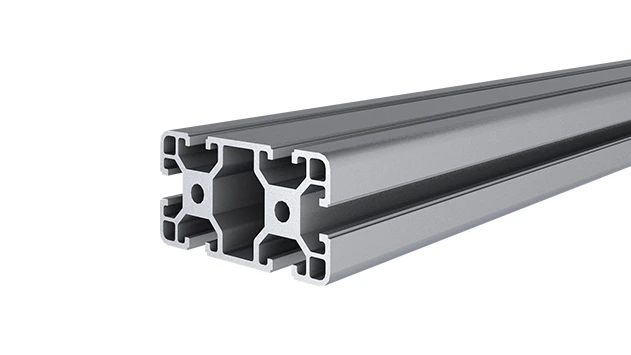
4080B EU Standard Aluminum Profile
4080B is a 4.00x8.00 CM fractional 40 series square extrusion T-slot profile with two side open T-slots, each side with 4.00cm face, two side with 8.00cm face. The profile has align-a-grooves to assist in aligning connecting profiles.
If you've ever stepped into a well-oiled manufacturing facility, a busy warehouse, or even a sleek workshop, you've probably admired the order and efficiency of the space. Chances are, that order is built on a foundation of sturdy, reliable structures—and more often than not, those structures are made from aluminum profiles. Among the unsung heroes of this world is the 4080B EU Standard Aluminum Profile. It's the backbone of workbenches where precision assembly happens, the frame of material racks that keep parts organized, and the skeleton of conveyors that move products seamlessly through production lines. But like any hardworking tool, it needs a little care to keep performing at its best. In this guide, we'll walk through practical, no-nonsense maintenance tips to ensure your 4080B aluminum profile structures stand the test of time—because replacing a warped rack or a wobbly workbench isn't just a hassle; it's a hit to your team's productivity and your bottom line.
Understanding the 4080B EU Standard Aluminum Profile: Why It Deserves Special Care
Before we dive into maintenance, let's take a quick second to appreciate what makes the 4080B profile so indispensable. Unlike generic aluminum tubes, this is a precision-engineered aluminum extrusion profile. Its name gives a hint: "4080" refers to its dimensions (40mm width, 80mm height), and "EU Standard" means it adheres to strict European manufacturing specs—think consistent wall thickness, precise T-slot spacing, and durable anodized finishes. These features aren't just for show. The T-slots, for example, let you slide in aluminum profile accessories like brackets, end caps, and connectors with ease, making it infinitely customizable. I've seen teams build everything from a simple workbench E (single deck, no casters) to a multi-tier material rack B (3 rows, 3 floors) using the same 4080B base—its versatility is unmatched.
But here's the thing: all that versatility and strength depend on the profile's structural integrity. Dents, corrosion, or loose connections can turn a rock-solid workbench into a wobbly liability. And since these profiles often support heavy loads or critical workflows, cutting corners on maintenance isn't just about aesthetics—it's about safety and efficiency. So let's roll up our sleeves and talk about how to keep your 4080B structures in top shape.
1. Start with the Basics: Regular Cleaning (Yes, It Matters)
You might think, "It's just metal—why clean it?" But here's what I've learned after years of working with aluminum extrusion profiles: grime, grease, and even dust can quietly eat away at their performance. Oil from machinery, residue from manufacturing processes, or even environmental dirt can build up in the T-slots, making it hard to slide in accessories later. Worse, if that grime mixes with moisture, it can start to corrode the aluminum (even with anodization). So regular cleaning isn't just about keeping things shiny—it's preventive maintenance.
Pro Tip:
Think of your 4080B profile like a kitchen countertop. You wouldn't let spills sit for weeks, right? The same logic applies here. A quick wipe-down after a shift can save you hours of scrubbing later.
How to Clean Properly:
-
Daily Wipe-Down:
For profiles in high-traffic areas (like workbenches or conveyor frames), use a soft microfiber cloth or a lint-free rag to wipe away surface dust and loose debris. If there's light grease, dampen the cloth with warm water and a drop of mild dish soap—nothing harsh like bleach or industrial solvents. These can strip the anodized finish, leaving the aluminum vulnerable.
-
Deep Cleaning T-Slots:
At least once a week, grab a small, soft-bristled brush (an old toothbrush works great) to clean out the T-slots. These narrow channels collect dust and small debris, which can jam accessories like bolts or brackets. Follow up with a damp cloth to wipe out the loosened dirt.
-
Avoid Abrasives:
I can't stress this enough: skip the steel wool, scouring pads, or abrasive sponges. They'll scratch the anodized surface, creating tiny grooves where corrosion can take hold. Trust me, I've seen a brand-new profile look 10 years old after one overzealous scrub with steel wool—don't be that person.

2. Inspect Connections: The Hidden Weak Points (Aluminum Profile Accessories Matter)
Your 4080B structure is only as strong as its weakest link—and those links are often the aluminum profile accessories that hold it all together: joints, brackets, end caps, and connectors. Over time, vibrations from machinery, heavy loads, or even just daily use can loosen these connections. A loose joint might start as a small wobble, but left unchecked, it can throw off the entire structure's alignment, leading to stress cracks or even collapse.
What to Inspect (and How):
-
Joints and Connectors:
Walk around your structure and check every joint—pay special attention to areas that bear weight, like the corners of a workbench or the supports of a material rack. Gently wiggle the connected profiles; if there's movement, the joint might need tightening. Most aluminum profile accessories use hex bolts or set screws, so keep a hex key set handy (match the size to your accessories—common sizes are 3mm, 4mm, or 5mm). Tighten them snug, but don't overdo it—stripping a T-slot is a nightmare to fix.
-
End Caps and Edge Protectors:
These small accessories (like the 4080 aluminum profile end cap) might seem trivial, but they protect the profile's ends from dents and prevent sharp edges (a safety hazard!). If an end cap is cracked or missing, replace it immediately. They're cheap, and losing one can lead to bigger issues down the line.
-
Brackets and Supports:
Check for signs of bending or stress on brackets, especially those holding heavy shelves or equipment. Look for hairline cracks near the bolt holes—this is a red flag. If you spot one, swap out the bracket ASAP. A good lean system supplier will stock replacement brackets that fit 4080B profiles perfectly—don't try to jury-rig a solution with generic hardware.
3. Prevent Corrosion: Aluminum's Achilles' Heel (Even with Anodization)
Aluminum is naturally resistant to corrosion because it forms a thin oxide layer on its surface. Anodized 4080B profiles have an extra-thick version of this layer, which is why they're popular in industrial settings. But that doesn't make them invincible. If the anodization gets scratched, or if the profile is exposed to harsh chemicals (like acids, alkalis, or saltwater), corrosion can set in. And once it starts, it spreads—think pitting, discoloration, or even weakening of the metal.
How to Fight Back:
-
Address Scratches Immediately:
If you notice a scratch through the anodized layer (you'll see bare aluminum), clean the area with alcohol, then apply a thin coat of clear acrylic sealant (like a spray-on lacquer or a brush-on sealant). This creates a temporary barrier until you can replace the profile or have it re-anodized.
-
Control the Environment:
If your 4080B structures are in a humid area (like a warehouse near the coast) or exposed to chemicals (like a workshop with oil or coolants), take extra steps. Use a dehumidifier if possible, and wipe up spills immediately. For profiles near chemical storage, consider adding a protective film or covering (but make sure it's breathable—trapping moisture under plastic is worse).
-
Avoid Contact with Other Metals:
Aluminum and steel don't play well together. If your 4080B profile is bolted to a steel frame or uses steel accessories, moisture can cause galvanic corrosion (a chemical reaction between the two metals). Use plastic or rubber washers between aluminum and steel parts to separate them. Your local aluminum profile supplier should have these washers in stock—they're a small investment for big protection.
4. Lubricate Moving Parts: Keep the "Flow" in Your Flow Racks
Many 4080B structures include moving components: casters on a turnover trolley, roller tracks on a flow rack, or hinges on a fold-down shelf. These parts rely on smooth movement, and without proper lubrication, friction can wear them down or even seize them up. Imagine a roller track that's supposed to glide parts to the next workstation suddenly jamming—your entire production line could grind to a halt.
What to Lubricate (and With What):
-
Caster Wheels:
If your structure has casters (like a mobile workbench or trolley), check the wheel bearings monthly. A few drops of lightweight machine oil (3-in-1 oil works) into the bearing housing will keep them rolling smoothly. Avoid heavy greases—they attract dust and can gum up the works.
-
Roller Tracks:
For flow racks or conveyors with roller tracks (like the 40 steel roller track or 38 aluminum roller track), wipe the rollers clean first, then apply a thin coat of dry lubricant (like silicone spray). This reduces friction without leaving a sticky residue that collects dust.
-
Hinges and Joints:
Any moving hinge (like those on fold-down workbench extensions) should be lubricated quarterly. Use the same lightweight machine oil, and wipe away excess to prevent dripping onto work surfaces.
5. Create a Maintenance Schedule (Yes, Write It Down)
Let's be real: between meetings, deadlines, and unexpected hiccups, it's easy to let "maintenance" fall off the to-do list. That's why a written schedule is non-negotiable. It turns vague "someday" tasks into actionable steps, and it ensures nothing gets missed—even when things get busy.
| Frequency | Tasks | Tools Needed |
|---|---|---|
| Daily | Wipe down workbench surfaces and profile frames; check for loose debris in T-slots. | Microfiber cloth, soft brush |
| Weekly | Deep clean T-slots with brush and soapy water; inspect caster wheels for debris; tighten visibly loose joints. | Toothbrush, mild soap, hex key set |
| Monthly | Lubricate casters and roller tracks; inspect all aluminum profile accessories (brackets, end caps) for cracks; check for corrosion spots. | Light machine oil, silicone spray, flashlight (for hard-to-see areas) |
| Quarterly | replace worn accessories (e.g., cracked end caps, bent brackets); check structural alignment (use a level); deep clean entire structure. | Level tool, replacement accessories (from your lean system supplier), mild detergent |
| Annually | Professional inspection (especially for heavy-load structures like material racks); re-anodize profiles if finish is worn. | Contact your aluminum extrusion profile supplier for referrals |
6. Handle Wear and Tear: When to Repair vs. replace
Even with perfect maintenance, parts wear out. The key is knowing when to fix something and when to replace it. For example, a slightly bent bracket can often be bent back (gently!) with pliers, but a cracked bracket? That's a replacement job. Here's a quick guide:
Repair If:
- A joint is loose but the threads are still good (just tighten it).
- A small scratch in the anodization (seal it with clear acrylic).
- A caster wheel is squeaky (lubricate it first; if that doesn't work, replace just the wheel, not the entire caster).
replace If:
- A bracket, joint, or connector is cracked (even a small crack weakens the part).
- The profile itself is dented or bent (especially in load-bearing areas—aluminum can't be bent back without weakening it).
- T-slots are stripped (if bolts spin without tightening, the threads are gone—this is a structural risk).
- Corrosion has pitted the aluminum (pitting weakens the metal; once it's there, it can't be reversed).
Where to Get Replacements:
Don't waste time with generic parts from a hardware store. Your 4080B profile is EU standard, so stick with accessories designed for it. A reputable lean system supplier or aluminum profile supplier will have exact matches for brackets, end caps, and joints—this ensures a snug fit and maintains the structure's integrity.
7. Storage and Environmental Protection: Even "Idle" Profiles Need Care
What if you have extra 4080B profiles in storage, waiting to be built into a new workbench or rack? They're not immune to damage. Improper storage can warp the profiles, scratch the finish, or even cause corrosion. Here's how to store them right:
-
Keep Them Dry:
Store profiles in a climate-controlled area if possible. If that's not an option, elevate them off the ground (use pallets) to avoid contact with moisture from concrete floors. Cover them with a breathable tarp (not plastic—plastic traps condensation) to keep dust off.
-
Avoid Overcrowding:
Don't stack heavy items on top of stored profiles. Aluminum is strong, but long lengths can bend under pressure. Store them horizontally on racks with supports every 3-4 feet to prevent sagging.
-
Label Them:
Okay, this isn't "maintenance," but it's practical. Label stored profiles with their length and quantity so you can grab what you need without rummaging—less handling means fewer scratches.
Final Thought: Maintenance = Longevity (and Peace of Mind)
At the end of the day, maintaining your 4080B EU Standard Aluminum Profile structures isn't just about "taking care of equipment." It's about protecting your team's productivity, ensuring safety, and getting the most out of your investment. These profiles are built to last—with a little love, they can serve your facility for decades. So grab that microfiber cloth, schedule that weekly inspection, and don't forget to stock up on quality aluminum profile accessories from a trusted supplier. Your future self (and your budget) will thank you.