- Company Articles
- Products and Technology
- Installation And Maintenance
- Maintenance Tips for 60 Aluminum Roller Track Grey: Extending Lifespan

Maintenance Tips for 60 Aluminum Roller Track Grey: Extending Lifespan
Related Product
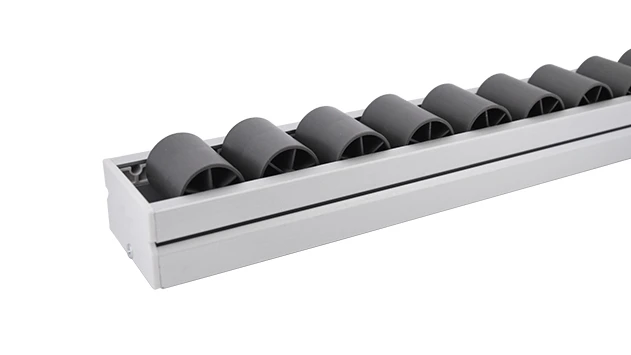
60 Aluminum Roller Track Grey
Modular system roller tracks aluminum gravity roller tracks are an excellent solution for transporting materials within industrial environments, warehouses and distribution centres.
Maintenance Tips for 60 Aluminum Roller Track Grey: Extending Lifespan
Let's talk about something that's often overlooked but super important for anyone using lean systems in their production line—maintaining your 60 aluminum roller track grey. If you're in manufacturing, warehousing, or logistics, you know how much this track does: it's the backbone of flow racks, conveyors, and even some workstations, moving parts and products smoothly day in and day out. But without regular care, those rollers can start sticking, the track can get misaligned, and suddenly your entire workflow slows down. That's why I'm here to share my go-to maintenance tips—things I've learned over the years working with these systems—to help you keep your track in top shape and extend its lifespan way beyond the average.
First off, let's get one thing straight: maintenance isn't just about fixing problems when they pop up. It's about preventing them from happening in the first place. And when you're using quality parts like roller track and accessories from trusted suppliers, combined with consistent care, your 60 aluminum roller track grey will serve you well for years. Whether it's part of a manual flow rack or an automated conveyor system, these tips apply to every setup.
Pre-Maintenance Preparation: Get Ready to Care for Your Track
Before you start any maintenance work on your 60 aluminum roller track grey, there are a few things you need to do to stay safe and make the job easier.
First, gather your tools. You'll need:
A soft-bristle brush or microfiber cloth (for gentle cleaning without scratching the aluminum).
A mild detergent (like dish soap) mixed with warm water—avoid harsh chemicals like bleach or ammonia, which can corrode the aluminum finish.
Silicone-based lubricant (oil-based lubricants attract dust and grime, which will clog your rollers over time).
A set of wrenches or screwdrivers (to tighten loose bolts and roller track connectors).
A spirit level (to check if your track is properly aligned).
Replacement parts (keep spares like worn rollers, aluminum profile accessories, and caster accessories handy—you never know when you'll need them).
Next, safety first: Turn off any power to conveyors if your track is part of an automated system. For manual flow racks, clear all products from the track to avoid accidents. Wear gloves to protect your hands from sharp edges or accumulated dirt.
Okay, now you're ready to start maintaining your track.
Step-by-Step Maintenance Guide: From Daily Checks to Annual Overhauls
To keep your 60 aluminum roller track grey in perfect condition, you need a structured routine. Below is a breakdown of what to do and when—plus a handy table to keep you on track.
| Frequency | Key Tasks | Tools Needed | Important Notes |
|---|---|---|---|
| Daily |
1. Remove debris from rollers
2. Check roller movement 3. Tighten loose connectors 4. Inspect casters (if mobile) |
Soft brush, screwdriver | Spend 5-10 minutes—do this before your shift starts to catch issues early. |
| Weekly |
1. Deep clean track and rollers
2. Wipe aluminum profile accessories 3. Dry all parts thoroughly |
Microfiber cloth, mild detergent, water | Avoid getting water into roller bearings—this causes rust. |
| Monthly |
1. Lubricate roller bearings
2. Lubricate connectors and casters 3. Check track alignment |
Silicone lubricant, spirit level | Use only a drop of lubricant per roller—too much attracts dust. |
| Quarterly |
1. Tighten all bolts to specs
2. Adjust alignment (if needed) 3. replace worn caster accessories |
Wrench set, level, replacement parts | Don't over-tighten bolts—you could strip the threads or bend the track. |
| Half-Yearly |
1. Inspect rollers for wear
2. Check aluminum profile accessories for damage 3. Clean hard-to-reach areas |
Brush, replacement rollers, screwdriver | Focus on high-wear zones like the middle of the track, where most products roll. |
| Annual |
1. Full track overhaul
2. replace all worn parts 3. Test with different load weights |
All tools, replacement parts, load tester | Schedule this during a slow period to minimize production downtime. |
Daily Inspection: Catch Small Issues Early
Daily checks take just 5-10 minutes but are the most effective way to prevent big problems. Here's what to do:
Debris Check:
Run your hand along the track to feel for dirt, dust, or small plastic pieces stuck between rollers. Even a tiny fragment can stop a roller from spinning.
Roller Spin Test:
Give each roller a gentle spin. It should turn smoothly without grinding or resistance. Mark any stuck rollers for later cleaning.
Loose Parts Check:
Tug gently on roller track connectors and bolts. If any feel loose, tighten them slightly—don't overdo it.
Caster Check:
If your track is on a mobile trolley, spin the caster wheels. They should roll freely without wobbling. Check if the caster base is secure.
Weekly Cleaning: Keep Your Track Grime-Free
Weekly cleaning removes built-up dirt that can wear down your rollers and track over time. Follow these steps:
Sweep Debris:
Use a soft-bristle brush to sweep loose dirt from the track and rollers. For tight spots between rollers, use a folded microfiber cloth.
Wipe Down:
Dip a cloth in your mild detergent solution and wring it out completely (excess water can damage roller bearings). Wipe the entire track, including the sides and aluminum profile accessories.
Dry Thoroughly:
Use a clean, dry cloth to wipe every part of the track. Moisture left on aluminum can lead to corrosion.
Accessory Care:
Clean aluminum profile accessories like end caps and connectors—dirt here can cause parts to loosen over time.
Pro Tip:
Never use abrasive sponges or scouring pads—they'll scratch the aluminum finish, making it easier for dirt to stick in the future.
Monthly Lubrication: Keep Rollers Spinning Smoothly
Lubrication is key to extending your track's lifespan. Here's how to do it right:
Roller Bearings:
Apply a single drop of silicone lubricant to each roller's bearing. Spin the roller to spread the lubricant evenly.
Connectors:
Lubricate roller track connectors and internal rotatary aluminum joints (if your track uses them) to prevent seizing.
Casters:
For mobile tracks, lubricate caster wheels and bearings. Silicone lubricant is best because it doesn't attract dust.
Why silicone? Oil-based lubricants leave a sticky residue that traps dirt, which will clog your rollers and make them stick. Silicone is clean, long-lasting, and perfect for aluminum parts.
Quarterly Tightening & Alignment: Keep Your Track Straight
Every three months, do a deeper check of your track's structure:
Tighten Bolts:
Go through every bolt and roller track connector. Use a wrench to tighten them to the manufacturer's recommended torque (usually printed on the product manual).
Check Alignment:
Place your spirit level on the track. If it's not level, adjust the caster accessories or aluminum profile supports to fix it. Misaligned tracks cause products to get stuck or roll off.
Caster Care:
replace any worn caster accessories like wheels or bearings—worn casters can throw your entire track out of alignment.
Half-Yearly Deep Dive: Check for Wear & Tear
Every six months, take apart some parts to check for hidden damage:
Roller Inspection:
Remove a few rollers from high-wear areas. Check the bearings for rust or wear. If they're damaged, replace them with new ones from your roller track and accessories kit.
Track Surface Check:
Look for scratches or dents on the aluminum track. Small scratches can be sanded with fine-grit sandpaper, but deep dents mean it's time to replace that section of track.
Accessory Check:
Inspect aluminum profile accessories like brackets and end caps. If any are cracked or broken, replace them immediately—they keep your track stable.
Annual Overhaul: Full System Check
Once a year, give your track a complete overhaul:
replace Worn Parts:
Swap out any rollers, roller track connectors, or caster accessories that are showing signs of wear—even if they still work. This prevents unexpected breakdowns.
Lean Pipe Joint Check:
If your track is part of a lean system (like a flow rack connected to lean pipes), inspect the lean pipe joints. Are they secure? Do they move smoothly? replace any damaged joints.
Load Test:
Test the track with products of different weights to ensure it can handle your daily load. This helps you catch any weak spots before they fail.
Common Issues & Troubleshooting
Even with regular maintenance, you might run into problems. Here's how to fix the most common ones:
1. Stuck Rollers
Cause:
Dirt buildup, lack of lubrication, or worn bearings.
Fix:
Clean the roller and its bearing. If it still sticks, lubricate it. If that doesn't work, replace the roller with a spare from your roller track and accessories set.
2. Misaligned Track
Cause:
Loose bolts, uneven floors, or worn caster accessories.
Fix:
Tighten all bolts. If the floor is uneven, adjust the caster leveling feet. replace any worn caster parts.
3. Products Rolling Too Slow
Cause:
Dirty rollers, lack of lubrication, or overloading.
Fix:
Clean and lubricate the rollers. Check if you're exceeding the track's load limit—refer to the manufacturer's specs.
4. Rusty Rollers
Cause:
Water getting into the bearings (from improper cleaning).
Fix:
replace the rusty rollers. Next time, make sure to dry the track completely after cleaning.
Pro Tips to Extend Your Track's Lifespan
Follow Load Limits:
Every track has a maximum load capacity. Exceeding it will bend the track or damage rollers. Stick to the manufacturer's specs.
Use Quality Accessories:
Always use genuine roller track and accessories, aluminum profile accessories, and caster accessories from a reliable supplier. Cheap parts wear out faster and cause more problems.
Store Properly:
If you're not using the track for a long time, store it in a dry, clean place. Cover it with a cloth to keep dust off.
Train Your Team:
Teach your team to do daily checks and report issues immediately. A team that cares about maintenance will keep your track in great shape.
Integrate with Lean Solutions:
Include maintenance in your lean management practices. Schedule checks as part of your daily workflow—this ensures maintenance never gets overlooked.
Conclusion
Maintaining your 60 aluminum roller track grey isn't rocket science, but it requires consistency. By following the routine outlined here, you can extend your track's lifespan by 2-3 years and avoid costly repairs. Remember to use quality parts like roller track and accessories, aluminum profile accessories, and caster accessories—they make all the difference.
A well-maintained track is a key part of a successful lean solution. It keeps your products moving smoothly, reduces downtime, and helps your team work more efficiently. So don't skip those daily checks—your bottom line will thank you.
If you need more advice or replacement parts, reach out to a trusted supplier who specializes in lean systems and accessories. They'll help you keep your track in top shape for years to come.