- Company Articles
- Products and Technology
- Installation And Maintenance
- Maintenance Tips for 60 Steel Roller Track Grey: Ensuring Long-Term Durability

Maintenance Tips for 60 Steel Roller Track Grey: Ensuring Long-Term Durability
Related Product
60 Steel Roller Track Grey
The roller track can be installed with multiple accessories to create different slopes and configurations of flow racks.All steel conveyor 60 roller track accessories are engineered to perfectly fit the sliding rail.
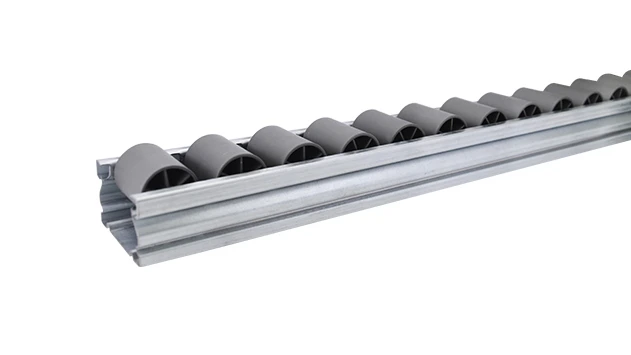
If you've ever worked in a warehouse, production line, or distribution center, you know how much depends on reliable equipment. The 60 Steel Roller Track Grey is one of those unsung heroes—quietly moving parts through flow racks, feeding components to assembly stations, or transporting packages along conveyor systems. It's sturdy, versatile, and built to handle heavy loads, but like any hardworking tool, it doesn't last forever on its own. To keep it running smoothly for years, you need a consistent maintenance routine. Skipping this routine isn't just a minor oversight; it leads to unexpected breakdowns, slow production, wasted resources, and even safety risks. Let's dive into the practical, easy-to-follow tips that will help you extend the life of your 60 Steel Roller Track Grey and keep your operations running like clockwork.
Pre-Maintenance Preparation: Tools & Safety First
Before you start any maintenance task, it's important to gather the right tools and prioritize safety. You don't need fancy equipment—most of these items are probably already in your toolbox:
- Microfiber cloths (for gentle cleaning)
- Non-corrosive lubricant (silicone-based is best—avoids attracting dust)
- Soft-bristle brush (to get into gaps between rollers)
- Adjustable wrench and screwdriver set (for tightening fasteners)
- Mild rust remover (like white vinegar or a commercial rust cleaner)
- Nitrile or work gloves (to protect your hands)
- Straight edge (for checking track alignment)
Safety is non-negotiable. If your roller track is part of a powered conveyor system, turn off the power and lock the switch to prevent accidental startup. For tracks on flow racks or mobile units, ensure the structure is stable—empty heavy items if needed to avoid tipping. Always wear gloves to protect against sharp edges or debris.
Step-by-Step Maintenance Routine: From Daily Checks to Annual Overhauls
Maintenance isn't a one-time task—it's a schedule. Different tasks need to be done at different frequencies to keep your track in top shape. Let's break it down:
| Frequency | Key Tasks | Tools Needed | Important Notes |
|---|---|---|---|
| Daily |
1. Visual check for debris stuck between rollers
2. Test roller movement with a small cart/box 3. Wipe down track surface with dry cloth |
Microfiber cloth, gloves | Focus on high-traffic areas first—these get dirty fastest. |
| Weekly |
1. Deep clean gaps between rollers with a soft brush
2. Lubricate roller bearings 3. Tighten all mounting bolts/nuts 4. Wipe track with damp cloth (not too wet) |
Soft brush, lubricant, wrench, screwdriver | Don't over-lubricate—excess oil attracts dust and debris. |
| Monthly |
1. Inspect each roller for wear (scratches, dents, flat spots)
2. Check track alignment with a straight edge 3. Verify load capacity (avoid overloading) 4. Check for loose or damaged brackets |
Straight edge, wrench, screwdriver | replace any bent or worn rollers immediately to prevent further damage. |
| Quarterly |
1. replace worn roller track accessories (bearings, end stops)
2. Remove rust spots with mild remover 3. Apply protective coating to rust-prone areas 4. Inspect track frame for cracks |
Rust remover, protective spray, wrench, replacement accessories | For wet environments, do an extra rust check. |
| Annual |
1. Comprehensive inspection by a lean solution provider
2. update maintenance logs with all repairs/replacements 3. Train staff on new maintenance procedures 4. replace entire track sections if needed |
Maintenance logs, training materials | Logs help track lifespan and plan future replacements. |
Daily Checks: Quick & Effective
Daily checks take just 5-10 minutes but can prevent big problems. Start by walking along the track—look for any small pieces of debris, like plastic or metal shavings, stuck between the rollers. These can stop rollers from spinning and cause jams. Next, take a small box or cart and push it along the track. Do the rollers spin freely? Are there any spots where the cart slows down or gets stuck? If yes, mark those areas for deeper cleaning later. Finally, wipe the top of the track with a dry microfiber cloth to remove dust—this keeps the track smooth and prevents scratches on your products.
Weekly Maintenance: Deep Clean & Lubricate
Weekly tasks are more thorough. Grab your soft-bristle brush and gently scrub between the rollers to remove any dirt or debris that the daily wipe didn't catch. Be careful not to push debris further into the bearings. Next, lubricate the roller bearings—apply a tiny drop of silicone-based lubricant to each bearing (one or two drops are enough). Over-lubrication is a common mistake; it attracts dust and makes the track dirtier faster. Then, check all the bolts and nuts that hold the track to the frame—tighten any that are loose with your wrench or screwdriver. Loose fasteners can cause the track to misalign over time. Finally, wipe the track with a damp cloth (squeeze out excess water) to remove any remaining dirt, then dry it with a clean cloth.
Monthly Inspections: Catch Wear Early
Monthly inspections are about catching small issues before they become big ones. First, inspect each roller individually. Look for scratches, dents, or flat spots—these can damage your products and slow down movement. If you find a worn roller, replace it with a new one from your stock of roller track accessories. Next, check the track alignment: place a straight edge along the length of the track. Are all rollers level? If some are higher or lower than others, adjust the mounting brackets to fix the alignment. Misaligned tracks cause jams and increase wear on rollers. Then, verify the load capacity—make sure you're not putting more weight on the track than it's designed for. The 60 Steel Roller Track Grey can handle heavy loads, but overloading it will shorten its lifespan. Finally, check the brackets that hold the track to the frame—are any of them bent or cracked? If yes, replace them immediately.
Quarterly Overhaul: Keep It Strong
Quarterly overhauls are a deeper dive into maintenance. Start by replacing any worn roller track accessories—like bearings, end stops, or brackets. These small parts are cheap to replace but critical for performance. Next, check for rust: if you see any small rust spots, use a mild rust remover (like white vinegar) to clean them off. Then, apply a protective coating (like clear enamel spray) to the area to prevent future rust. For tracks in wet or chemical-heavy environments, this step is especially important. Finally, inspect the frame of the track—are there any cracks or bends? If the frame is damaged, it can cause the track to misalign, so repair or replace it as needed.
Annual Maintenance: Plan for the Future
Annual maintenance is about long-term planning. Consider hiring a lean solution provider to do a professional inspection—they can spot issues you might miss and give you advice on how to improve your maintenance routine. Next, update your maintenance logs: write down all the repairs, replacements, and inspections you've done over the year. These logs help you track the lifespan of your track and plan for future replacements. Finally, train your staff on the maintenance routine—especially new hires. Consistency is key to keeping your track in good shape.

Common Issues & Troubleshooting: Fix Problems Fast
Even with regular maintenance, you might run into problems. Here are the most common issues and how to fix them:
1. Rollers Not Spinning Smoothly
Causes: Debris stuck between rollers, lack of lubrication, or a bent roller. Fixes: First, clean the track thoroughly with a brush and cloth. If that doesn't work, apply lubricant to the bearings. If the roller is bent, replace it with a new one from your roller track accessories.
2. Track Misalignment
Causes: Loose mounting bolts, uneven floor, or a damaged frame. Fixes: Tighten all bolts first. If the track is still misaligned, adjust the leveling feet of the frame (use caster accessories if the frame is mobile). If the frame is damaged, repair or replace it.
3. Rust Formation
Causes: Exposure to moisture or chemicals. Fixes: For small rust spots, use a mild rust remover and apply a protective coating. For severe rust, replace the track section—rust weakens the steel and can cause the track to break.
4. Excessive Noise
Causes: Worn bearings, misaligned rollers, or loose parts. Fixes: replace worn bearings first. If the noise continues, adjust the track alignment and tighten all fasteners.
5. Jams in Conveyor/Flow Rack
Causes: Debris stuck between rollers, bent roller, or misaligned track. Fixes: Turn off the power (for conveyors) and clean the track. replace any bent rollers. Adjust the track alignment if needed.

Integration with Lean Systems: Maintenance as a Lean Practice
Lean principles are all about reducing waste and improving efficiency. Proper maintenance of your 60 Steel Roller Track Grey aligns perfectly with these principles. Here's how:
- Reduce Downtime: Unexpected breakdowns are a huge waste of time. Regular maintenance prevents these, keeping your production lines and flow racks running smoothly.
- Extend Lifespan: A well-maintained track lasts longer, so you don't have to replace it as often. This reduces waste and saves money.
- Improve Flow: Smoothly running rollers mean materials flow easily through your conveyor or flow rack system. This reduces bottlenecks and keeps your operations efficient.
- Enhance Safety: A well-maintained track is safer—no jams, no broken parts, no accidents. This aligns with lean's focus on employee well-being.
For example, if your track is part of a flow rack in a 3C assembly line, a jam can stop the entire line. Regular maintenance ensures components flow to the assembly station without interruption, so workers can focus on their tasks and meet deadlines. This is the essence of lean—making sure every part of your operation works as efficiently as possible.
Choosing Quality Replacement Parts: Why Roller Track Accessories Matter
When you need to replace parts, always use genuine roller track accessories designed for the 60 Steel Roller Track Grey. Cheap knockoffs might save you money upfront, but they cause more problems in the long run:
- Poor Fit: Non-compatible parts might not fit properly, leading to misalignment or jams.
- Quick Wear: Cheap parts wear out faster, so you have to replace them more often.
- Damage to Track: Low-quality rollers or bearings can scratch or damage the track, shortening its lifespan.
Investing in high-quality roller track accessories is an investment in the longevity of your track. It's better to spend a little more now than to pay for expensive repairs later.
Long-Term Durability Tips: Go the Extra Mile
Beyond the regular maintenance routine, here are some extra tips to keep your track running strong for years:
- Train Your Team: Make sure all employees know how to handle materials gently. Dropping heavy items on the track can bend rollers or damage the frame.
- Keep the Area Clean: Regularly sweep or vacuum the area around the track to prevent debris from getting into the rollers.
- Avoid Harsh Chemicals: If you have to clean the track with chemicals, use mild ones. Harsh chemicals can damage the protective coating and cause rust.
- Store Spare Parts: Keep a stock of roller track accessories (rollers, bearings, brackets) on hand. This way, you can replace parts immediately when needed.
- Monitor Loads: Always follow the manufacturer's load capacity guidelines. Overloading the track is one of the biggest causes of damage.
Conclusion: Maintenance is an Investment
The 60 Steel Roller Track Grey is a hardworking piece of equipment that plays a critical role in your operations. Taking the time to maintain it isn't a chore—it's an investment in your business's efficiency, safety, and bottom line. By following this maintenance routine, using quality roller track accessories, and integrating maintenance into your lean practices, you can ensure your track lasts for years to come. Remember: a little care today goes a long way tomorrow.