- Company Articles
- Products and Technology
- Installation And Maintenance
- Maintenance Tips for External Straight Aluminum Joints: Extend Their Lifespan

Maintenance Tips for External Straight Aluminum Joints: Extend Their Lifespan
Related Product
External Straight Aluminum Joint
Aluminum pipe joint outside connection used for two pcs 28pcs aluminum pipe connection in straight angle,it connects two pcs pipe from outside.
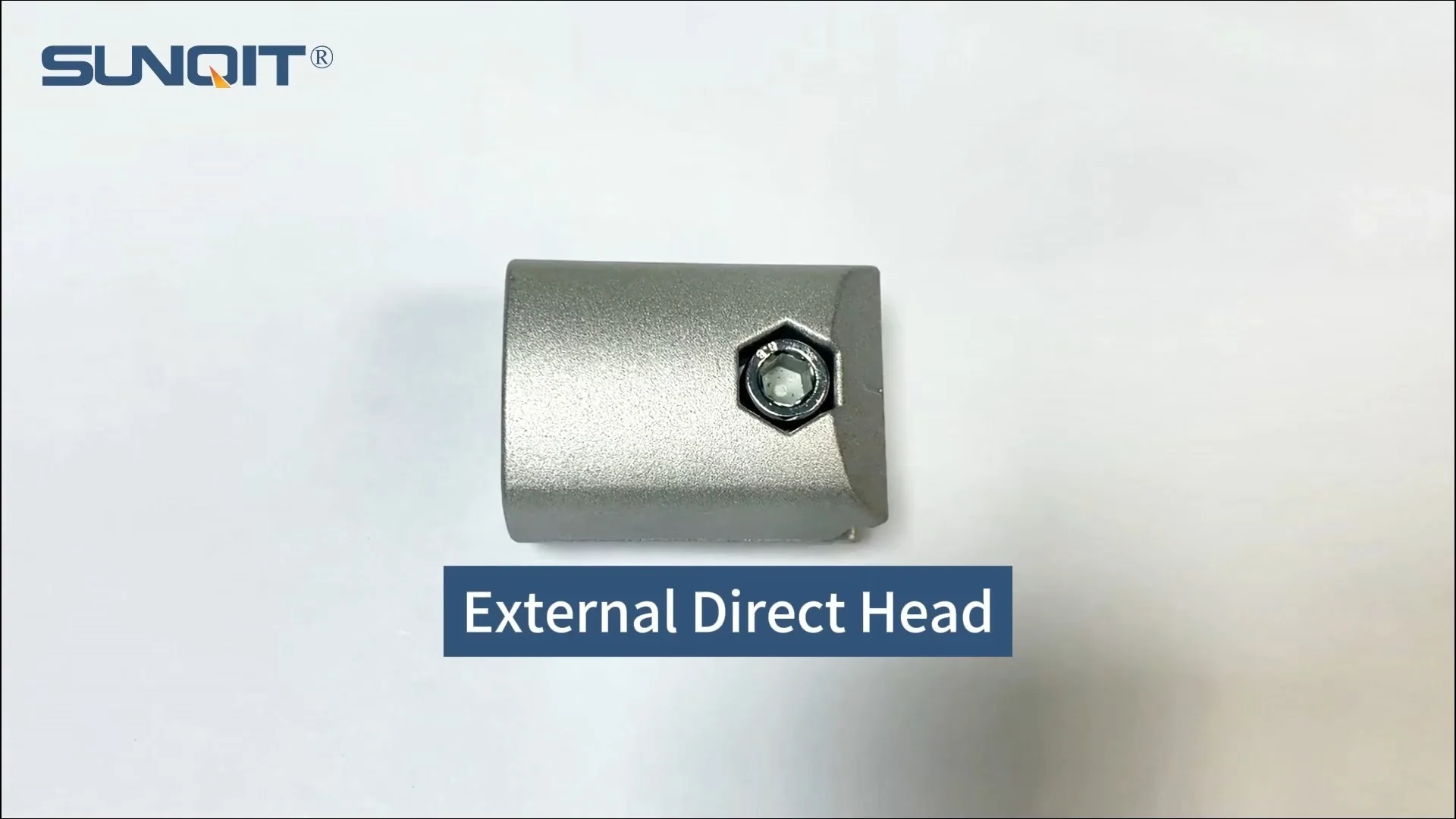
Keep your aluminum lean pipe systems strong, safe, and efficient with these practical care strategies
1. Introduction: The Unsung Hero of Your Workspace – External Straight Aluminum Joints
Walk into any modern factory, workshop, or warehouse, and you'll spot them everywhere—quietly holding things together. They're in the workbenches where your team assembles products, the flow racks that keep materials moving, and the turnover trolleys that zip across the floor. We're talking about external straight aluminum joints —the small but mighty connectors that turn ordinary aluminum pipes and profiles into sturdy, functional structures.
Think about it: without these joints, your aluminum lean pipe system would be just a pile of disconnected tubes. They're the glue (literally, the mechanical glue) that ensures your workspace runs smoothly. But here's the thing: most people don't give them a second thought—until something goes wrong. A wobbly workbench, a sagging material rack, or worse, a sudden collapse. That's when you realize: these little joints deserve some love.
Maintenance isn't just about fixing problems—it's about preventing them. When you take care of your external straight aluminum joints, you're not just extending their lifespan. You're keeping your team safe, avoiding costly downtime, and making sure your aluminum profile structures work as hard as you do. Let's dive into how to do it right.
2. Understanding the Basics: What Makes External Straight Aluminum Joints Tick?
Before we jump into maintenance, let's get to know these joints a little better. What are they made of? How do they work? And why are they so crucial in systems built with aluminum lean pipe and accessories?
First, the material: aluminum profile and joints are typically crafted from high-grade aluminum alloy. This isn't just any metal—it's chosen for its perfect balance of strength and lightness. Aluminum resists rust, which is a big plus in humid or dusty environments, and it's easy to clean (more on that later). But even the toughest materials need care, especially when they're holding up heavy loads day in and day out.
Now, the design: external straight aluminum joints are engineered to connect two aluminum pipes in a straight line. They're like the middlemen of your structure—no fancy angles, just a straightforward, reliable bond. To do this, they use a combination of clamping mechanisms and sometimes threaded components, often paired with aluminum pipe accessories like bolts or washers. Some have rubber gaskets to reduce friction, while others feature knurled surfaces for a tighter grip. The goal? To keep pipes aligned and stable, even when materials are sliding across a roller track or a workbench is bustling with activity.
Here's why this matters for maintenance: knowing how your joint is designed helps you spot issues early. A loose bolt, a cracked gasket, or a bent clamp—these are all red flags that a joint might be failing. And since these joints are part of a larger system, a single weak link can throw everything off. So, let's treat them like the precision tools they are.

3. The Cost of Neglect: What Happens When Maintenance Takes a Backseat?
Let's paint a picture. Imagine you run a small electronics assembly plant. Your team uses an aluminum workbench (assembled with external straight aluminum joints) to put together circuit boards. One Monday morning, Maria, your lead technician, mentions the workbench feels "a bit wobbly." You're swamped with deadlines, so you say, "We'll check it later." By Wednesday, the wobble turns into a creak. By Friday, a circuit board slips off the bench and smashes on the floor. The joint? It had worked itself loose, and no one noticed until it was too late.
That's the cost of neglect: broken parts, wasted time, and frustrated employees. But it gets worse. Loose or damaged joints can lead to:
- Safety risks: A collapsing rack or a tipping trolley could injure someone. OSHA reports that over 20% of workplace accidents in manufacturing involve faulty equipment—many of which trace back to poor maintenance.
- Efficiency dips: When a workbench or a flow rack jams, your team slows down. What should take 10 minutes takes 15, and those minutes add up to hours (and lost revenue) by the end of the week.
- Replacement costs: A single external straight aluminum joint costs a few dollars. But if it fails and damages the aluminum pipe or profile it's connected to? Now you're replacing pipes, profiles, and maybe even the entire structure. Suddenly, that "cheap" joint just became expensive.
The good news? These scenarios are avoidable. With a little regular care, you can keep your joints (and your budget) in shape.

4. Step-by-Step Maintenance: How to Keep Your Joints in Top Shape
Maintenance doesn't have to be complicated. It's about building small habits that add up to big results. Let's break it down into four easy steps you can start today.
Step 1: Regular Inspection – Catch Problems Early
Inspection is your first line of defense. Set a schedule—we'll talk about how often later—and stick to it. Grab a flashlight and a notepad, and walk around your workspace. For each external straight aluminum joint, check for:
- Looseness: Gently wiggle the connected pipes. If there's movement, the joint is loose.
- Corrosion: Look for white, powdery spots (aluminum oxide) or discoloration. This is common in humid or chemical-exposed areas.
- Cracks or damage: Check the joint body and threads for cracks, chips, or bent parts. Even small cracks can weaken the joint over time.
- Dirt and debris: Dust, grease, or metal shavings can get trapped in the joint, preventing it from clamping properly.
Pro tip: Take photos of any issues you find. It makes it easier to explain to your team or supplier (shoutout to your aluminum pipe accessories supplier !) if you need replacement parts.
Step 2: Cleaning – Keep Them Free of Gunk
Aluminum joints are pretty low-maintenance, but they do collect dirt. And dirt isn't just unsightly—it can cause corrosion and prevent the joint from tightening properly. Here's how to clean them:
- Gather supplies: A soft-bristle brush (an old toothbrush works!), mild soap (dish soap is fine), warm water, and a clean cloth.
- Brush away loose dirt: Use the brush to sweep off dust, sawdust, or metal shavings from the joint and surrounding area.
- Wipe with soapy water: Dip the cloth in soapy water, wring it out, and gently wipe the joint. Avoid soaking the joint—aluminum doesn't like sitting in water for too long.
- Dry thoroughly: Use a dry cloth to wipe away moisture. If the joint is in a hard-to-reach spot, use a can of compressed air to blow out water.
Note: Avoid harsh chemicals like bleach or abrasive cleaners—they'll damage the aluminum's protective oxide layer.
Step 3: Tightening – Keep Them Snug (But Not Too Tight)
Loose joints are the number one cause of wobbly structures. Tightening them is simple, but there's a trick: don't overdo it. Aluminum is strong, but it's also soft—over-tightening can strip threads or crack the joint.
Here's how to do it right:
- Use the right tool: Most joints use hex bolts, so grab a hex key (Allen wrench) that fits snugly. A worn or ill-fitting key can strip the bolt head.
- Tighten gradually: Turn the bolt a quarter-turn at a time, alternating sides if the joint has multiple bolts. This ensures even pressure.
- Feel for resistance: Stop when you feel firm resistance. If the bolt starts to "give" or the joint feels distorted, you've gone too far—back off slightly.
Step 4: Protecting – Shield Against Wear and Tear
For joints in tough environments (like humid warehouses or areas with chemicals), a little extra protection goes a long way. Here are two simple tricks:
- Apply a thin coat of wax: Car wax or furniture wax works! It creates a barrier against moisture and dirt. Just wipe on a small amount with a cloth and buff gently.
- Use anti-corrosion spray: Look for sprays designed for aluminum (avoid oil-based sprays—they attract dust). A light spritz every few months can prevent rust in high-risk areas.

5. Tailoring Maintenance to Your Environment: Not All Workspaces Are the Same
Your maintenance schedule shouldn't be one-size-fits-all. A joint in a dry, air-conditioned office (yes, some offices use aluminum lean pipe systems too!) needs less care than one in a sweaty, chemical-filled factory. To help you out, we've put together a handy table to guide your schedule.
| Environment | Inspection Frequency | Cleaning Frequency | Special Care |
|---|---|---|---|
| Indoor, climate-controlled (e.g., offices, labs) | Every 3 months | Every 6 months | Minimal—just check for looseness. |
| Indoor, humid/industrial (e.g., factories, kitchens) | Every 1 month | Every 3 months | Check for corrosion; apply wax every 3 months. |
| Outdoor, covered (e.g., loading docks, sheds) | Every 2 weeks | Every 1 month | Clean after rain; inspect for rust spots. |
| Outdoor, exposed (e.g., construction sites) | Weekly | Every 2 weeks | Use anti-corrosion spray; replace damaged joints immediately. |
Pro Tip: Label Your Structures!
Stick a small label on each aluminum lean pipe structure with the last inspection date. It's a simple way to track when things were checked—no more guessing!
6. Troubleshooting Common Issues: What to Do When Things Go Wrong
Even with great maintenance, problems can pop up. Here's how to fix the most common issues with external straight aluminum joints.
Issue 1: The Joint Won't Tighten – Stripped Threads
If you turn the bolt and it just spins, the threads inside the joint are probably stripped. This happens when you over-tighten or use a damaged bolt. Fix it by:
- Replacing the joint: This is the safest option. Contact your aluminum pipe accessories supplier for a new external straight aluminum joint.
- Temporary fix (for light loads only): Wrap the bolt threads with Teflon tape to add thickness. This works in a pinch but isn't a long-term solution.
Issue 2: Corrosion – White Spots or Pitting
Aluminum naturally forms a protective oxide layer, but in harsh environments, this layer can break down, causing corrosion. To treat it:
- Scrub the affected area with a soft brush and a paste of baking soda and water (3 parts baking soda to 1 part water).
- Rinse with clean water and dry thoroughly.
- Apply a thin coat of wax to prevent future corrosion.
Note: If the corrosion has eaten into the joint (pitting), replace it. Corroded metal weakens the joint's strength.
Issue 3: Bent or Damaged Joint Body
Drops, impacts, or overloading can bend the joint. Unfortunately, bent aluminum doesn't straighten well—you'll likely need to replace the joint. To avoid this, remind your team not to stand on racks or use structures for purposes they're not designed for (yes, we've seen people use flow racks as ladders!).
7. Building a Maintenance Culture: Get Your Team Involved
Maintenance isn't just the job of the "maintenance guy"—it's everyone's responsibility. Your team uses these structures every day, so they're the first to notice when something feels off. Here's how to get them on board:
- Train them to spot issues: Hold a 10-minute meeting to show everyone what a loose or damaged joint looks like. Demonstrate the "wiggle test" and encourage them to report problems immediately.
- Create a simple reporting system: Use a whiteboard, a shared spreadsheet, or a messaging app (like Slack) where anyone can log issues: "Workbench A, joint loose on left side."
- Celebrate good habits: Recognize team members who report problems or take initiative to clean/tighten joints. A little praise goes a long way!
Remember: A team that cares about their tools and workspace is a team that works safer and smarter.
8. Conclusion: Small Efforts, Big Rewards
External straight aluminum joints might not be the flashiest part of your workspace, but they're the backbone of your aluminum lean pipe system. By taking a few minutes each month to inspect, clean, and tighten them, you're investing in safety, efficiency, and peace of mind.
Think of it this way: would you drive a car without changing the oil? Probably not. Your joints deserve the same care. They'll repay you with fewer breakdowns, longer lifespans, and a workspace that works with your team, not against them.
So, what are you waiting for? Grab that hex key, round up your team, and start showing your joints some love. Your future self (and your budget) will thank you.