- Company Articles
- Products and Technology
- Installation And Maintenance
- Maintenance Tips for Gusset ALP 4040: Prolonging Service Life in Industrial Settings

Maintenance Tips for Gusset ALP 4040: Prolonging Service Life in Industrial Settings
Related Product
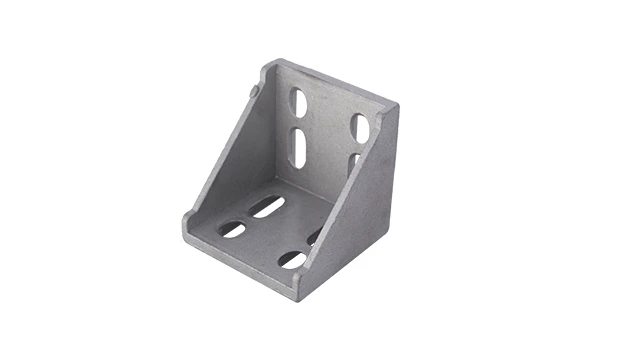
Gusset ALP 4040
The 4040 bracket/Gusset is an external fastening method that creates a 90 degree connection. 4040 means this size is used for 40 series aluminum profile with a quick connection by bolt and nut. It is a lightweight bracket that requires no machining servic
Walk into any busy manufacturing plant, assembly workshop, or logistics hub, and you'll likely spot a network of sturdy, modular structures keeping operations running smoothly: workbenches where technicians assemble components, material racks holding inventory, conveyor systems moving products from station to station. What you might not immediately notice is the unsung hero holding many of these structures together: the gusset ALP 4040 . This small but critical component is part of the backbone of modern industrial setups, especially those built around lean system principles—where efficiency, flexibility, and durability aren't just buzzwords, but daily necessities.
If you work with aluminum profile structures, you know that a loose joint or a corroded connector can throw a wrench into even the most streamlined workflow. The gusset ALP 4040, designed to reinforce connections between aluminum profiles, plays a key role in maintaining stability. But like any hardworking component, it needs care to keep performing at its best. Neglecting maintenance might seem harmless at first, but over time, it can lead to wobbly workbenches, misaligned conveyor tracks, or even safety hazards. The good news? With a little proactive attention, you can significantly extend the service life of your gusset ALP 4040—and by extension, the entire structures they support. Let's dive into practical, actionable tips to keep these components (and your operations) in top shape.
Understanding the Gusset ALP 4040: More Than Just a "Small Part"
Before we jump into maintenance, let's make sure we're on the same page about what a gusset ALP 4040 actually does. If you've ever assembled a shelving unit or a DIY project, you know that corners and joints are the weak spots—they take the most stress, bear the brunt of weight, and are prone to loosening over time. In industrial settings, where structures like workbenches might support heavy machinery or material racks might hold hundreds of pounds of inventory, that weakness becomes a critical risk.
The gusset ALP 4040 is a reinforcement bracket specifically designed for 40x40mm aluminum profiles—the workhorses of modular industrial setups. Shaped like a small, sturdy plate (often with pre-drilled holes for easy mounting), it fits snugly at the intersection of two or more aluminum profiles, distributing weight evenly and preventing flexing or twisting. Think of it as the "backbone" of the connection: while the profiles provide the structure, the gusset ensures that structure stays rigid, even under repeated use.
Commonly found in applications like heavy-duty workbenches, multi-tier material racks, and load-bearing conveyor supports, the gusset ALP 4040 works hand-in-hand with other aluminum profile accessories —like bolts, T-nuts, and end caps—to create a system that's both strong and adaptable. And because aluminum profiles are a staple in lean systems, where minimizing waste and maximizing uptime are priorities, keeping these gussets in top condition isn't just about maintenance—it's about protecting your operation's efficiency.
Daily Inspection: Catch Small Issues Before They Grow
In industrial environments, "out of sight, out of mind" is a dangerous mindset—especially when it comes to structural components. The first rule of maintaining gusset ALP 4040 (and really, any critical part) is to check on them regularly. Daily inspections don't have to be time-consuming; they can be integrated into your team's existing workflow, like during pre-shift equipment checks or end-of-day cleanup. The goal is to spot early warning signs of wear, damage, or looseness before they escalate into bigger problems.
| Inspection Item | What to Look For | How Often to Check | Action If Issue Found |
|---|---|---|---|
| Joint Tightness | Gaps between the gusset and aluminum profile; visible movement when gently shaking the structure | Daily (high-use areas: e.g., workbenches, material racks near assembly lines) | Tighten bolts with a hex key to manufacturer-recommended torque (typically 4-6 Nm for M6 bolts) |
| Surface Condition | Scratches, dents, or signs of corrosion (white/greenish spots on aluminum; rust on steel fasteners) | Weekly (all areas) | Clean corrosion with a soft brush and mild detergent; touch up scratched areas with anti-corrosion spray |
| Bolt and Fastener Integrity | Stripped threads, bent bolts, or missing washers | Bi-weekly (random sampling of 10% of gussets per area) | replace damaged fasteners immediately with matching (e.g., M6 x 16mm bolts for ALP 4040 gussets) |
| Alignment with Profiles | Gusset not flush with profile edges; profiles appear "crooked" at the joint | Monthly (full inspection of all critical structures) | Loosen bolts, realign profiles, then retighten gusset; if misalignment persists, check for bent profiles |
| Debris in Connection Points | Dirt, metal shavings, or oil buildup in bolt holes or between gusset and profile | Daily (during cleaning rounds) | Remove debris with a small brush or compressed air; avoid using sharp tools that could scratch the aluminum |
Pro Tip:
Train your team to be "gusset-aware." Operators who use workbenches or material racks daily are often the first to notice if something feels "off"—a wobble when placing a heavy part, a creak when adjusting the height. Encourage them to report these issues immediately, and provide a simple checklist near each workstation to log concerns.

Cleaning and Debris Removal: Keep It Free of Grime
Industrial environments are messy by nature. Oils from machinery, metal shavings from cutting operations, dust from raw materials, and even spilled coolants can all find their way into the nooks and crannies of your aluminum profile structures—including the areas where gusset ALP 4040 brackets connect to profiles. At first glance, a little dirt might seem harmless, but over time, it can cause big problems.
For starters, debris trapped between the gusset and the profile acts like a wedge, preventing a tight, flush fit. This creates uneven pressure points, making the joint more likely to loosen under load. Dirt and oil can also trap moisture, accelerating corrosion—especially if your facility uses water-based coolants or is in a humid climate. Even small particles like metal shavings can scratch the aluminum surface, creating tiny pits where rust (or aluminum oxide) can take hold.
So, how do you keep gusset ALP 4040 clean without damaging the aluminum or the finish? Follow these steps:
1. Dry Brushing First: Before using any liquids, start with a soft-bristle brush (a clean paintbrush or a dedicated parts brush works well) to sweep away loose debris from the gusset, bolts, and surrounding profile areas. Pay extra attention to the edges of the gusset and the bolt holes, where dirt likes to hide.
2. Mild Detergent for Stubborn Grime: For oil or grease buildup, mix a small amount of mild dish soap or a pH-neutral industrial cleaner with warm water. Dip a microfiber cloth in the solution, wring it out thoroughly (you don't want excess water seeping into the joint), and gently wipe the gusset and nearby surfaces. Avoid abrasive sponges or steel wool—these will scratch the aluminum, making it more prone to future corrosion.
3. Rinse and Dry: If you've used soap and water, wipe the area with a clean, damp cloth to remove any residue, then dry immediately with a lint-free towel. Moisture is the enemy here, so don't let the gusset air-dry—especially in humid conditions.
4. Compressed Air for Hard-to-Reach Spots: For tight spaces, like the gap between the gusset and the profile, use compressed air (set to low pressure, around 30-40 PSI) to blow out dust and debris. Hold the nozzle a few inches away to avoid damaging the surface or forcing particles deeper into the joint.
Make cleaning part of your team's routine—for example, assign a "station cleanup" rotation where each operator spends 5 minutes at the end of their shift wiping down their workbench's gussets and checking for debris. It's a small investment of time that pays off in longer component life.

Tightening and Adjusting: The Right Tools for the Job
Even with regular cleaning, bolts holding the gusset ALP 4040 in place will loosen over time. Vibration from machinery, repeated loading and unloading of weight, and thermal expansion/contraction (from temperature changes in the facility) all contribute to this. A loose gusset isn't just a stability risk—it can also cause the aluminum profile to flex, leading to premature fatigue or even bending of the profile itself.
The key to tightening gusset bolts is to use the right tools and apply the correct torque. Too loose, and the joint will wobble; too tight, and you risk stripping the threads, warping the gusset, or even cracking the aluminum profile (aluminum is strong, but it's not invincible). Here's how to do it right:
1. Use High-Quality Hex Keys or Torque Wrenches: Avoid cheap, worn tools—they'll round off the bolt heads, making future adjustments impossible. Invest in a set of metric hex keys (most aluminum profile bolts are M5 or M6) with a comfortable grip, or a small torque wrench calibrated for low torques (0-10 Nm). For gusset ALP 4040, the recommended torque is usually 4-6 Nm for M6 bolts (check your supplier's specs to be sure).
2. Check Torque in a Cross Pattern: If the gusset has multiple bolts (most have 4-6), tighten them in a cross pattern (like tightening lug nuts on a car wheel). This ensures even pressure across the gusset, preventing warping or uneven seating against the profile.
3. Feel for "Give": When tightening by hand (with a hex key), you'll feel a point where the bolt stops turning easily—that's the "snug" point. From there, apply gentle pressure to reach the recommended torque. If the bolt spins freely without resistance, it's stripped—stop immediately and replace it.
4. Re-Tighten After Initial Use: Newly installed gussets (or those that have been loosened and re-tightened) often need a "second pass" after a few days of use. The initial loading and vibration can cause the joint to settle, so check them again 2-3 days after installation or adjustment.
Warning:
Never use impact drivers or power tools to tighten gusset bolts—they deliver too much torque too quickly, almost guaranteeing stripped threads or damaged profiles. Stick to hand tools for this job.
Corrosion Prevention: Protecting Aluminum in Harsh Environments
Aluminum is naturally resistant to corrosion, thanks to a thin layer of aluminum oxide that forms on its surface, acting as a protective barrier. But in industrial settings—where exposure to moisture, chemicals, or salt (in coastal facilities) is common—that barrier can break down. When it does, the gusset ALP 4040 (and the aluminum profiles it connects) become vulnerable to pitting, discoloration, and weakening.
The first line of defense against corrosion is keeping the gussets clean (as we covered earlier), but sometimes you need to go a step further. Here are targeted strategies for common industrial environments:
Humid or Wet Areas (e.g., food processing, washing stations): After cleaning, apply a thin coat of anti-corrosion spray (look for products designed for aluminum, like clear acrylic sealants or silicone-based protectants). Avoid oil-based sprays, which can attract dirt. Also, ensure that drainage around structures is adequate—standing water near aluminum profiles is a corrosion risk.
Chemical Exposure (e.g., manufacturing with coolants, solvents): If the gusset is near areas where chemicals are used, wipe it down immediately if splashed. Use a neutralizing cleaner (like baking soda mixed with water for acidic spills) to neutralize any residue before it eats through the aluminum oxide layer. Consider upgrading to stainless steel bolts for added protection, as steel fasteners are more prone to rust in chemical environments.
Coastal or High-Salt Environments: Salt air is brutal on metal. In these cases, inspect gussets weekly for signs of "white rust" (a powdery white substance that's aluminum oxide). If spotted, gently scrub the area with a soft brush and a solution of 1 part vinegar to 3 parts water, then rinse and dry thoroughly. Follow up with a corrosion inhibitor designed for marine use.
Remember: Corrosion isn't just a cosmetic issue. Even small pits in the gusset or profile can weaken the material, reducing its load-bearing capacity. Catching and treating corrosion early is far cheaper than replacing an entire structure later.
When to replace: Knowing When "Good Enough" Isn't Enough
Even with the best maintenance, all components wear out eventually. The gusset ALP 4040 is durable, but constant stress, repeated tightening, and environmental exposure take their toll. Knowing when to replace a gusset (instead of trying to repair it) is critical for safety and efficiency. Here are the red flags that mean it's time for a new one:
1. Visible Cracks or Deformation: If the gusset has any cracks—even small ones around the bolt holes—it's compromised. Aluminum is a brittle metal under stress, and a cracked gusset can fail suddenly under load. Similarly, if the gusset is bent or warped (from impact or over-tightening), it won't seat properly against the profile, so replace it.
2. Stripped Bolt Holes: If the threads in the gusset's bolt holes are stripped (the bolt spins without tightening), there's no fix—you'll need a new gusset. Trying to force a larger bolt or use thread tape won't create a secure connection.
3. Severe Corrosion: If the gusset is covered in deep pitting, white rust, or has areas where the aluminum has started to flake away, replacement is safer than cleaning. Corroded metal loses strength, and you can't "undo" the damage.
4. Frequent Loosening: If a gusset requires tightening more than once a week, even after proper torque and cleaning, it's a sign that the material has fatigued or the bolt holes have worn. Don't keep "band-aiding" it—swap it out.
When replacing, always use genuine gusset ALP 4040 brackets from a reputable supplier. Cheap knockoffs may look similar, but they're often made with lower-grade aluminum or imprecise manufacturing, leading to poor fit and reduced strength. Remember: In lean systems, downtime from a failed gusset costs far more than the price of a quality replacement part.
Final Thoughts: Maintenance as Part of Your Lean System
In the world of lean manufacturing and industrial efficiency, every component matters—even the small ones like the gusset ALP 4040. By integrating daily inspections, regular cleaning, proper tightening, and proactive corrosion prevention into your workflow, you're not just maintaining a bracket—you're protecting your operation's uptime, safety, and bottom line.
Think of it this way: A single loose gusset on a workbench might lead to a wobbly surface, causing a technician to slow down or make a mistake. A corroded gusset on a material rack could fail, leading to a spill that halts production for hours. These are exactly the kinds of wastes—downtime, defects, safety risks—that lean systems aim to eliminate. So, when you take 5 minutes to check a gusset or tighten a bolt, you're not just doing maintenance—you're living the principles of lean.
At the end of the day, the goal is simple: Keep your structures strong, your team safe, and your operations running smoothly. With these tips, your gusset ALP 4040 brackets (and the aluminum profiles, workbenches, and systems they support) will keep going strong for years to come.