- Company Articles
- Products and Technology
- Installation And Maintenance
- Maintenance Tips for Lean Pipe Clamp B Chrome: Extending Service Life

Maintenance Tips for Lean Pipe Clamp B Chrome: Extending Service Life
Related Product
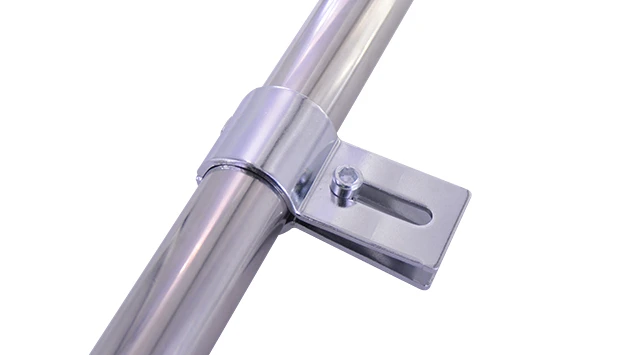
Lean Pipe Clamp B Chrome
Lean pipe clamp is used for turnover trolley, workbench, flowrack adjust the frame or fix some accessory.
Introduction: The Unsung Hero of Lean Systems
In the bustling world of manufacturing and production, where every second counts and efficiency is king, there's a small but mighty component working behind the scenes to keep things running smoothly: the lean pipe clamp. Specifically, the Lean Pipe Clamp B Chrome—a unassuming yet critical piece that holds together the backbone of lean systems, from workbenches and flow racks to material trolleys and conveyor setups. While it might not grab headlines like high-tech machinery, this clamp plays a starring role in maintaining the stability, safety, and productivity of your workspace.
But here's the thing: even the sturdiest tools wear down over time, and the Lean Pipe Clamp B Chrome is no exception. Without proper care, its chrome coating can chip, its grip can loosen, and its ability to hold lean pipes securely can falter. This isn't just a minor inconvenience—loose clamps can lead to wobbly workbenches, jamming flow racks, or even safety hazards for your team. The good news? With the right maintenance routine, you can significantly extend the life of these clamps, reduce downtime, and keep your lean system operating at peak performance. Let's dive into how.
Understanding Lean Pipe Clamp B Chrome: What Makes It Tick?
Before we jump into maintenance, let's take a moment to appreciate what makes the Lean Pipe Clamp B Chrome unique. Designed for use in lean manufacturing environments, this clamp is engineered to connect lean pipes (often made of steel or aluminum) quickly and securely. Its chrome plating isn't just for shine—it's a protective barrier against corrosion, rust, and daily wear, making it ideal for use in workshops where moisture, dust, and frequent handling are part of the norm.
Typically made from high-grade steel with a chrome finish, the clamp features a robust design with threaded components and a lever or bolt mechanism to tighten around lean pipes. You'll find it in everything from simple workbenches to complex flow rack systems, where it works alongside other components like the lean pipe joint to create stable, modular structures. Its versatility is part of its appeal—lean systems thrive on adaptability, and these clamps make it easy to reconfigure workspaces as needs change. But that adaptability also means the clamps are subject to regular adjustments and stress, which is why maintenance is non-negotiable.
The Cost of Neglect: Why Maintenance Matters
It's easy to overlook small components like clamps when there are bigger machines and processes demanding attention. But skimping on maintenance for your Lean Pipe Clamp B Chrome can lead to surprisingly steep costs. Let's break it down:
Downtime: A loose or broken clamp might seem minor, but if it causes a workbench to collapse or a flow rack to jam, production grinds to a halt. Even a 30-minute delay while replacing a clamp can ripple through your schedule, affecting deadlines and frustrating your team.
Safety Risks: Unstable structures are accidents waiting to happen. A wobbly workbench could lead to tools or materials falling, injuring employees. In worst-case scenarios, a failed clamp in a heavy-duty setup might cause a rack to topple, resulting in costly damage or serious harm.
Replacement Costs: Clamps aren't free, and replacing them frequently adds up. A well-maintained clamp can last 5–7 years, while a neglected one might need swapping out every 1–2 years. Multiply that by the dozens (or hundreds) of clamps in your facility, and the savings from proper care become clear.
Reduced Efficiency: Loose clamps create instability, which makes tasks harder. A workbench thats when assembling products slows down workers and increases the risk of errors. In lean systems, where every motion is optimized, this inefficiency directly contradicts the principles of waste reduction.
Essential Maintenance Tips for Lean Pipe Clamp B Chrome
Now that we've covered why maintenance is critical, let's get into the actionable steps. These tips are designed to be simple, cost-effective, and easy to integrate into your daily workflow.
1. Daily Inspection: Catch Issues Early
The first line of defense is regular inspection. Take 5–10 minutes each day to walk through your workspace and check key clamps, especially those in high-use areas like workbenches or conveyor junctions. Here's what to look for:
Looseness: Gently tug on the clamp or the connected pipes. If there's any give, the clamp needs tightening. Vibration from machinery or frequent use can loosen threads over time, so this is a common issue.
Chrome Damage: Check for chips, scratches, or peeling in the chrome coating. Even small cracks can let moisture seep in, leading to rust. Pay extra attention to areas where the clamp rubs against other components—this friction is a prime culprit for wear.
Dirt and Debris: Dust, grease, or metal shavings can build up in the clamp's crevices, especially around the tightening mechanism. This gunk can jam the lever or bolt, making it hard to adjust.
Bent or Warped Parts: If the clamp's body or lever looks bent, it may no longer grip properly. This is often caused by over-tightening or applying excessive force during adjustments.
Pro tip: Keep a small notebook or digital checklist to log inspections. Note which clamps were checked, any issues found, and when they were addressed. This helps track patterns—for example, if clamps in a certain area loosen, there might be excessive vibration from nearby machinery that needs mitigation.
2. Cleaning: Keep It Free of Gunk
A clean clamp is a happy clamp. Dirt and debris don't just look unsightly—they can corrode the chrome, jam moving parts, and weaken the clamp's grip. Here's how to clean your Lean Pipe Clamp B Chrome effectively:
Tools You'll Need: A soft-bristled brush (an old toothbrush works great for tight spots), a lint-free cloth, mild dish soap, and warm water. Avoid abrasive cleaners like steel wool or scouring pads—these will scratch the chrome.
Steps:
1. Wipe away loose dust with a dry cloth.
2. Mix a few drops of dish soap with warm water to create a mild solution.
3. Dip the brush or cloth into the solution and gently scrub the clamp, focusing on crevices around the threads, lever, and contact points with the lean pipe.
4. Rinse with a damp cloth to remove soap residue.
5. Dry thoroughly with a clean cloth—moisture left on chrome can cause water spots or rust.
For tough grease buildup (common in areas near machinery), you can use a small amount of isopropyl alcohol on a cloth. Just be sure to dry the clamp immediately afterward, as alcohol can strip some lubricants (more on that later).
Frequency: Aim to clean clamps at least once a week. For clamps in high-debris areas (like near grinding stations), step it up to 2–3 times a week.
3. Lubrication: Keep It Moving Smoothly
The moving parts of your clamp—like the threads, lever pivot points, or bolt mechanism—need lubrication to function smoothly. Without it, friction can wear down components, making adjustments difficult or even impossible. Here's how to do it right:
Choose the Right Lubricant: Avoid heavy oils, which attract dust and gunk. Instead, opt for a lightweight silicone-based lubricant or a dry PTFE spray. These formulas repel dust, resist water, and won't degrade the chrome. Steer clear of WD-40 unless you're using it as a cleaner—while it's great for loosening rust, it's not a long-term lubricant.
How to Apply:
1. Clean the clamp first (see step 2)—lubricant mixed with dirt is just a messy paste that does more harm than good.
2. Apply a small amount of lubricant to the threads, pivot points, and any moving parts. A little goes a long way—over-lubricating can attract excess dust.
3. Work the lever or bolt back and forth a few times to distribute the lubricant evenly.
4. Wipe away any excess with a cloth to prevent dripping.
Frequency: Lubricate clamps every 2–4 weeks, depending on use. Clamps in high-moisture areas (like near washing stations) may need more frequent lubrication to prevent rust.
4. Tightening and Adjusting: Get the Right Grip
A clamp's job is to hold pipes tight, so proper tightening is key. But there's a balance—over-tightening can strip threads or bend the clamp, while under-tightening leaves things loose. Here's how to get it just right:
Use the Right Tools: Avoid using pliers or adjustable wrenches on the clamp's lever or bolt—these can scratch the chrome or round off edges. Instead, use a socket wrench or the manufacturer-recommended tool for your specific clamp model. If the clamp has a torque specification (check the user manual), use a torque wrench to ensure you don't overdo it.
Tightening Technique: Tighten the clamp until it grips the pipe firmly—you should feel resistance, but the lever or bolt shouldn't bend. If you're using a lever-style clamp, the lever should lock into place without requiring excessive force. For bolt-style clamps, stop when the bolt is snug—if you hear a "creaking" sound from the metal, you've gone too far.
Check Lean Pipe Joints: The clamp doesn't work alone—it's part of a system. When tightening the clamp, also inspect the lean pipe joint it's connected to. If the joint is loose or damaged, even a tight clamp won't hold the structure stable. Tighten or replace joints as needed to ensure the entire assembly is secure.
Pro tip: If a clamp loosens shortly after tightening, consider using a thread-locking compound (like Loctite) on the bolt threads. This prevents vibration from undoing the clamp, but use it sparingly—you'll need to remove the clamp eventually for adjustments, and too much compound can make disassembly difficult.
5. Handling Corrosion and Chrome Wear
Chrome is durable, but it's not invincible. Scratches or chips can expose the underlying steel to moisture, leading to rust. Here's how to tackle corrosion and keep the chrome looking (and performing) its best:
Spot Treatment for Rust: If you notice small rust spots, act fast. Use a piece of fine steel wool (0000 grade) to gently buff away the rust—be careful not to scratch the surrounding chrome. Follow up with a chrome polish (like Mothers Mag & Aluminum Polish) to restore shine and add a protective layer.
Fixing Scratches: For minor scratches, apply a small amount of chrome polish to a cloth and rub in a circular motion. For deeper scratches, you may need to use a chrome touch-up pen (available at auto parts stores) to fill in the gap and prevent moisture from seeping in.
Preventing Future Damage: After treating corrosion or scratches, apply a thin coat of wax (car wax works well) to the chrome surface. This adds an extra barrier against moisture and UV rays, which can fade the finish over time.
Advanced Care: Going the Extra Mile
For those who want to maximize clamp lifespan, these advanced tips will help you get the most out of your Lean Pipe Clamp B Chrome.
Seasonal Maintenance
Environmental changes can affect your clamps. In humid summer months, check for increased rust risk—wipe down clamps more frequently and consider adding a dehumidifier in particularly damp areas. In winter, cold temperatures can make metal more brittle, so avoid over-tightening clamps when the workspace is cold. Let the area warm up slightly before making adjustments to prevent cracking.
Storage for Spare Clamps
If you keep spare clamps on hand (which we recommend!), store them properly to ensure they're ready when needed. Keep them in a dry, cool place—avoid basements or garages where moisture can build up. Use a plastic bin with a lid, and toss in a few silica gel packets to absorb humidity. Before storing, clean and lubricate the clamps to prevent rust during storage.
Compatibility with Aluminum Pipe Accessories
Many lean systems use a mix of steel and aluminum components. If your Lean Pipe Clamp B Chrome is paired with aluminum pipe accessories (like aluminum guide rails or joints), be mindful of galvanic corrosion. When different metals come into contact in the presence of moisture, they can react, causing rust. To prevent this, use plastic or rubber washers between the clamp and aluminum components to separate the metals. You can also apply a thin coat of dielectric grease to the contact points for added protection.
Troubleshooting Common Issues: A Quick Reference
Even with great maintenance, issues can pop up. Use this table to diagnose and fix common problems with your Lean Pipe Clamp B Chrome:
| Problem | Common Cause | Solution |
|---|---|---|
| Clamp slips or won't hold tight | Worn threads, debris in the mechanism, or over-tightened (stripped threads) | Clean the clamp and check threads. If stripped, replace the bolt or clamp. For debris, clean with soap and water, then lubricate. |
| Chrome peeling or chipping | Friction from nearby components, impact damage, or poor initial plating | Buff the area with steel wool, apply chrome polish. If damage is severe, replace the clamp to prevent rust. |
| Lever or bolt is stuck | Dirt buildup, lack of lubrication, or rust in the mechanism | Clean with a brush and soapy water, then apply lubricant. For rust, use a rust dissolver (like PB Blaster) and work the lever back and forth. |
| Clamp body is bent | Over-tightening, impact from falling objects, or excessive weight on the structure | replace the clamp—bent clamps can't grip properly and may fail under stress. |
| Rust forming under chrome | Moisture seeping through scratches or chips in the chrome | Remove rust with steel wool, apply chrome polish, and seal with wax. Monitor closely—if rust returns, replace the clamp. |
Long-Term Benefits: Why It's Worth the Effort
At this point, you might be thinking, "This seems like a lot of work for a small clamp." But the payoff is well worth the time. Here's what you stand to gain by sticking to a maintenance routine:
Extended Lifespan: With proper care, your Lean Pipe Clamp B Chrome can last 5–7 years, compared to 1–2 years with neglect. That's a 300–600% increase in lifespan—meaning fewer replacements and lower costs over time.
Reduced Downtime: By catching issues early and preventing failures, you'll spend less time fixing broken clamps and more time keeping production on track. This is especially critical in lean systems, where downtime directly impacts your bottom line.
Safer Workspace: Stable structures mean fewer accidents, happier employees, and lower workers' compensation costs. A safe team is also a more productive team—no one works their best when they're worried about wobbly workbenches.
Better Efficiency: Tight, well-maintained clamps keep your lean system rigid and reliable, making tasks faster and easier. Whether it's assembling products on a steady workbench or moving materials along a smooth flow rack, every second saved adds up.
Alignment with Lean Principles: Lean manufacturing is all about eliminating waste—waste of time, materials, and resources. By extending the life of your clamps, you're reducing waste from frequent replacements, which aligns perfectly with the core values of lean systems.
Conclusion: Small Steps, Big Results
The Lean Pipe Clamp B Chrome might be a small component, but its impact on your workspace is huge. By incorporating daily inspections, regular cleaning, proper lubrication, and careful tightening into your routine, you can extend its life, reduce costs, and keep your lean system running like a well-oiled machine.
Remember, maintenance isn't a one-time task—it's an ongoing commitment. Start small: pick one high-priority area (like your main workbench) and implement these tips there first. Once you see the results (fewer loose clamps, smoother operations), expand the routine to other parts of your facility. Your team, your budget, and your lean system will thank you.
So, the next time you walk past a row of clamps, take a moment to give them a quick check. Those few minutes could save you hours of downtime and hundreds of dollars in replacements down the line. After all, in lean manufacturing, the smallest details often make the biggest difference.