- Company Articles
- Products and Technology
- Installation And Maintenance
- Maintenance Tips for One Way Rotatory Straight Lean Pipe Joint Chrome to Extend Lifespan

Maintenance Tips for One Way Rotatory Straight Lean Pipe Joint Chrome to Extend Lifespan
Related Product
One Way Rotatory Straight Lean Pipe Joint Chrome
Two way lean pipe joint for 2 pcs 28MM lean pipe connection in straight angle with rotatory fucntion, which used widely in workbench, flow rack, hand trolley frame connection.
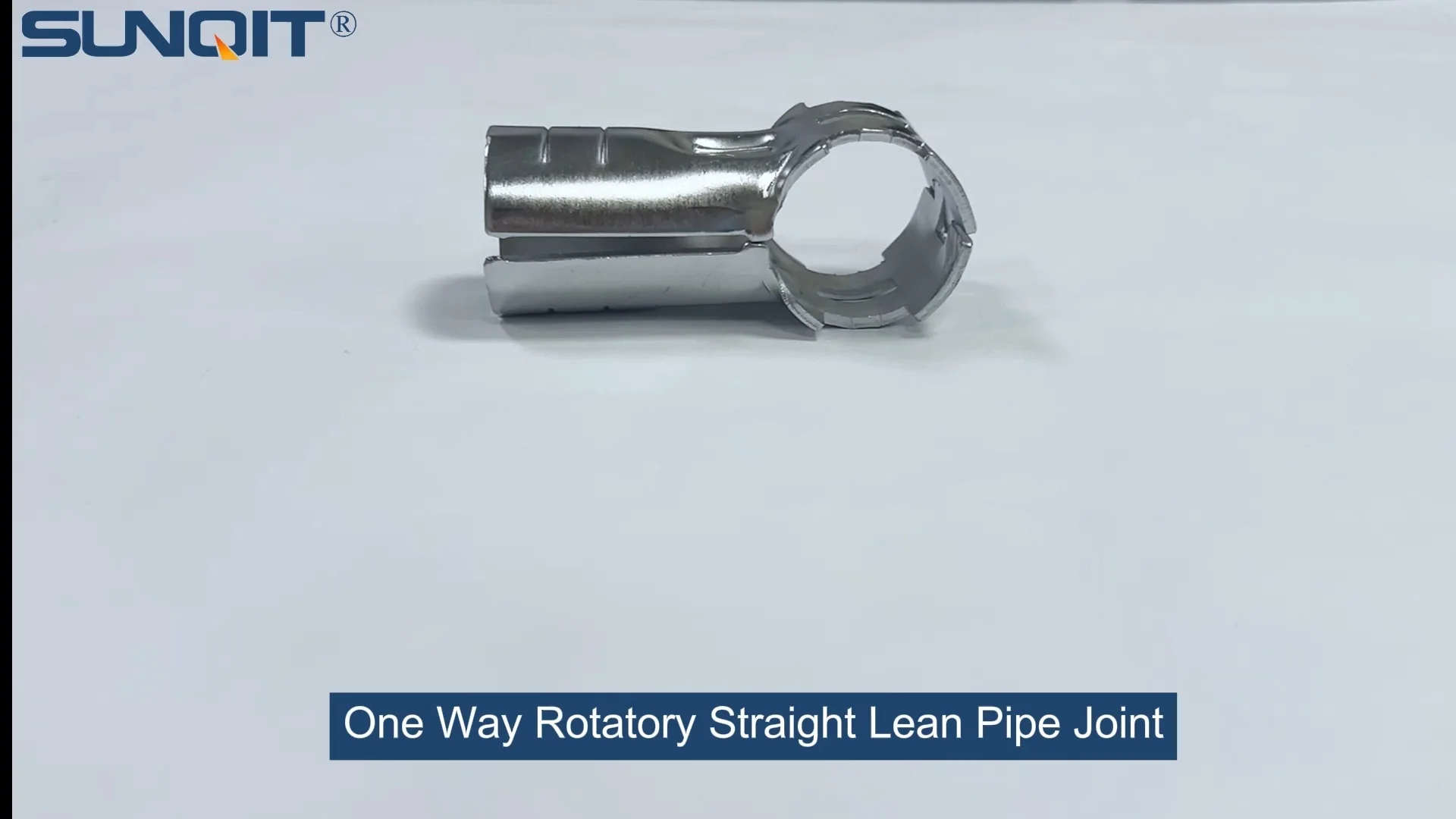
Let's start with the obvious: in the world of lean production, every component counts. From the largest conveyor to the smallest caster wheel, each part plays a role in keeping your workflow smooth, efficient, and profitable. But if there's one unsung hero that often gets overlooked, it's the
one way rotatory straight lean pipe joint chrome
. This small, unassuming piece might not grab headlines, but trust me—when it fails, you'll notice. A seized joint can bring an entire assembly line to a halt, delay orders, and turn a productive day into a frustrating scramble. The good news? With the right maintenance habits, you can keep these joints rotating smoothly for years, avoiding costly downtime and replacements. In this guide, we'll walk through practical, actionable tips to extend the lifespan of your chrome-plated one way rotatory joints, from daily checks to long-term care. Let's dive in.
1. First Things First: Understand What You're Working With
Before we talk maintenance, let's make sure we're all on the same page about what a
one way rotatory straight lean pipe joint chrome
actually is. These joints are the backbone of modular lean systems, connecting lean pipes (often aluminum or steel) to build workbenches, material racks, and production lines. The "one way rotatory" feature means they allow movement in a specific direction—think of them as the hinges that let your workbench extensions swing into place or your flow racks tilt for easy access. The chrome plating isn't just for looks; it adds a layer of corrosion resistance, making the joint durable in factory environments where moisture, oils, and dust are par for the course.
But here's the catch: even with chrome plating, these joints are still vulnerable to wear and tear. They're designed to handle repeated motion, but friction, dirt buildup, and improper handling can take a toll over time. That's why understanding their role in your
lean pipe and accessories
setup is the first step to keeping them healthy. For example, if your joint is part of a mobile workstation with
caster and accessories
, it's under more stress from movement and vibration than a stationary joint. Knowing these details helps you tailor your maintenance routine to the joint's specific workload.
2. Daily Inspection: Catch Small Issues Before They Blow Up
Think of daily inspections as your joint's "health checkup." You don't need to spend hours—just 2-3 minutes per joint to spot red flags. Over time, this quick habit can save you from major breakdowns. Here's what to look for:
| Inspection Item | What to Look For | Action If You Notice This |
|---|---|---|
| Rotation Smoothness | Does the joint move freely in its intended direction? Is there grinding, sticking, or a "jerky" feel? | If it's stiff, add a small amount of lubricant (we'll cover this later). If grinding persists, check for debris or damage. |
| Tightness | Is the joint loose where it connects to the lean pipe? Are the bolts or screws backing out? | Use a hex key (usually 4mm or 5mm) to gently tighten—don't overdo it, as overtightening can crack the chrome plating. |
| Corrosion or Rust | Are there tiny rust spots on the chrome? Discoloration or flaking plating? | Wipe with a damp cloth and mild soap; if rust has started, use a chrome polish to remove it before it spreads. |
| Debris Buildup | Dust, metal shavings, or grease clumps around the joint's moving parts? | Brush away loose debris with a soft-bristled brush (an old toothbrush works!) and wipe with a lint-free cloth. |
| Chrome Plating Integrity | Scratches, chips, or peeling in the chrome layer? | Touch up small chips with a chrome repair pen (available at hardware stores) to prevent moisture from reaching the underlying metal. |
Pro Tip:
Keep a "joint log" for high-use areas. Jot down dates when you notice stiffness or corrosion—this helps you spot patterns (e.g., "Joint #5 gets stiff every Monday after weekend cleaning"). Maybe the cleaning crew is using a harsh chemical that's drying out the joint? Problem solved.
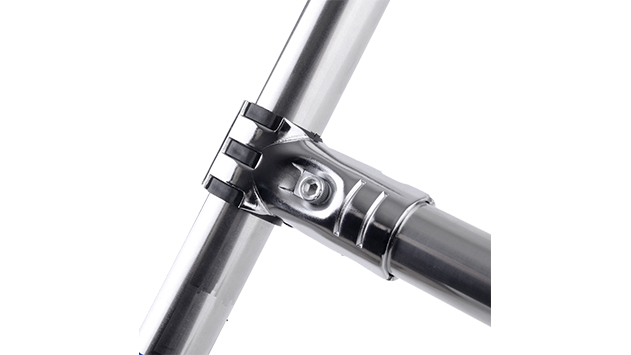
3. Cleaning: It's Not Just About Looking Good
Factories are dirty places—dust, oil, metal shavings, and even spilled coolant can find their way into your joint's moving parts. Over time, this gunk acts like sandpaper, wearing down the internal components and making rotation harder. Regular cleaning keeps this from happening, and it's simpler than you might think.
What You'll Need:
A soft-bristled brush (toothbrush or small parts brush), lint-free cloths (microfiber works best), mild dish soap, and warm water. Avoid harsh chemicals like bleach, acetone, or industrial degreasers—these can strip the chrome plating or damage the joint's plastic or rubber components (if it has any).
The Process:
Start by brushing away loose debris from the joint's crevices—pay extra attention to the area where the joint rotates, as this is where dirt loves to hide. Then, dampen the cloth with warm, soapy water (just a little soap—you don't need suds) and wipe the joint gently. Focus on the chrome surface and the connection points to the lean pipe. Rinse the cloth with clean water and wipe again to remove soap residue. Finally, dry the joint thoroughly with a dry cloth—moisture left behind can lead to rust, even with chrome plating.
How often should you clean? For joints in high-dust areas (near sanders or grinders), aim for 2-3 times a week. For cleaner environments, once a week is usually enough. If your joint is exposed to oils (like in automotive production), add a monthly deep clean: use a toothpick to dislodge stubborn oil buildup in the rotation mechanism, then follow the same soap-and-water routine.

4. Lubrication: Keep It Moving Like a Well-Oiled Machine
If cleaning is the joint's "shower," lubrication is its "vitamin." It reduces friction between moving parts, preventing wear and keeping rotation smooth. But not all lubricants are created equal—and using the wrong one can do more harm than good.
Best Lubricants for Chrome Joints:
Stick with silicone-based lubricants or lithium grease. Silicone is great for joints that need to stay clean (it doesn't attract dust as much), while lithium grease is better for heavy-duty applications (like joints on load-bearing racks). Avoid WD-40 unless it's specifically labeled as a lubricant—regular WD-40 is a solvent, not a long-term lubricant, and it can dry out the joint over time.
How to Apply:
Less is more here. Squeeze a tiny drop (about the size of a pinhead) onto the joint's rotation point. Then, manually rotate the joint back and forth 5-10 times to work the lubricant into the mechanism. Wipe away any excess with a cloth—grease that oozes out will just collect dirt. For joints that are hard to reach, use a lubricant with a precision nozzle or a small brush to apply.
Timing Is Key:
Lubricate after cleaning, not before—you don't want to trap dirt under the lubricant. For most joints, every 2-4 weeks is sufficient. If the joint is used hourly (e.g., on a production line that runs 8+ hours a day), bump it up to weekly.
5. Tightening and Alignment: Don't Let Loose Connections Ruin Your Joint
Lean pipe joints are held together with bolts or set screws, and over time, vibration (especially from
caster and accessories
on mobile setups) can loosen them. A loose joint doesn't just wobble—it puts extra stress on the rotation mechanism, leading to premature wear. Here's how to fix it:
Tools You'll Need:
A hex key set (most lean pipe joints use metric sizes like 4mm, 5mm, or 6mm) and a torque wrench (optional, but helpful for avoiding overtightening).
The Right Way to Tighten:
Start by checking the joint's connection to the lean pipe. If the bolt is loose, turn it clockwise with the hex key until it's snug—but stop when you feel resistance. Overtightening is a common mistake! Chrome plating is thin, and cranking the bolt too hard can crack the plating or strip the threads in the joint. A good rule of thumb: "snug, not Superman-tight."
While you're tightening, check the joint's alignment. Is it sitting straight, or is it angled to one side? Misalignment happens when the lean pipes are cut unevenly or the joint is installed under stress (e.g., forcing a pipe into place instead of adjusting the fit). A misaligned joint will wear out faster because the rotation mechanism isn't bearing weight evenly. To fix this, loosen the joint, realign the pipes, and retighten. If the pipes themselves are bent, you may need to replace them—crooked pipes put constant strain on joints.
6. Protect Against the Elements: Corrosion, Temperature, and Chemicals
Chrome plating is tough, but it's not invincible. Factories are full of threats that can eat away at your joint over time. Let's break down the biggest culprits and how to fight back:
Moisture and Humidity:
Even in dry climates, condensation from air conditioners or steam cleaners can leave water spots on joints. Over time, these spots can turn into rust, especially if the chrome plating is scratched. To prevent this, wipe joints dry after any exposure to water (e.g., after cleaning the workbench). For high-humidity areas (like food processing plants), consider adding a thin coat of car wax to the chrome surface—this creates a barrier against moisture.
Chemicals:
Oils, coolants, and cleaning agents are part of factory life, but many contain acids or alkalis that can damage chrome. If a joint gets splashed, wipe it immediately with a damp cloth, then dry thoroughly. Avoid using abrasive cleaners (like steel wool) on chrome—they'll scratch the surface, making it easier for chemicals to seep in.
Extreme Temperatures:
Joints in freezers or near ovens (like in packaging lines) can suffer from temperature-related stress. Cold makes lubricants thicken, leading to stiff rotation, while heat can break down lubricants, leaving parts unprotected. For cold environments, use a low-temperature lubricant (check the label for "-20°C" or lower). For hot areas, opt for high-temperature grease (rated for 150°C+).
7. When to replace: Knowing When It's Time to Let Go
Even with perfect maintenance, all joints eventually wear out. The key is to replace them before they fail completely, which could damage other parts of your
lean pipe and accessories
setup (like bending the lean pipe or cracking the workbench surface). Here are the signs it's time to retire your joint:
- Persistent Stiffness: If lubrication and cleaning don't fix a stiff joint, the internal bearings or gears are likely worn out.
- Excessive Play: If the joint wobbles or moves in directions it shouldn't (beyond the "one way" rotation), the connection points are stripped or cracked.
- Visible Damage: Deep cracks in the chrome plating, broken plastic components, or rust that can't be removed with polish are all deal-breakers.
- Frequent Breakdowns: If you're tightening or lubricating the same joint every few days, it's more cost-effective to replace it than to keep patching it up.
When replacing, always buy from a reputable
lean pipe supplier
—cheap knockoffs may look similar, but they're often made with lower-quality materials that wear out faster. Ask your supplier about warranty options, too—many offer 6-month to 1-year guarantees on joints, which gives you peace of mind.
8. Proactive Maintenance: It's Cheaper Than Reacting
Let's do the math: A single
one way rotatory straight lean pipe joint chrome
costs around $5-$15, depending on the supplier. A breakdown that halts production for an hour? That could cost hundreds (or thousands) in lost output. Proactive maintenance—daily inspections, regular cleaning, and timely lubrication—costs almost nothing in comparison, but it extends your joint's lifespan by 2-3 years on average.
Here's a final tip: Train your team to care for the joints. The people using the workbenches and racks every day are the first to notice when something feels "off." A quick 10-minute training session on how to spot stiffness or looseness can turn your entire staff into joint maintenance allies. After all, keeping your lean system running smoothly is a team sport—and it starts with a little love for the small parts that hold everything together.
Wrapping Up
Your
one way rotatory straight lean pipe joint chrome
might be small, but it's a critical part of your production line's success. By taking a few minutes each day to inspect, clean, and lubricate, you can avoid costly breakdowns, extend the joint's lifespan, and keep your workflow running like clockwork. Remember: maintenance isn't just about fixing problems—it's about preventing them. So grab your brush, your lubricant, and start building those habits today. Your future self (and your bottom line) will thank you.