- Company Articles
- Products and Technology
- Installation And Maintenance
- Maintenance Tips for Parallel Lean Pipe Joint Chrome: Prevent Rust & Extend Life

Maintenance Tips for Parallel Lean Pipe Joint Chrome: Prevent Rust & Extend Life
Related Product
Parallel Lean Pipe Joint Chrome
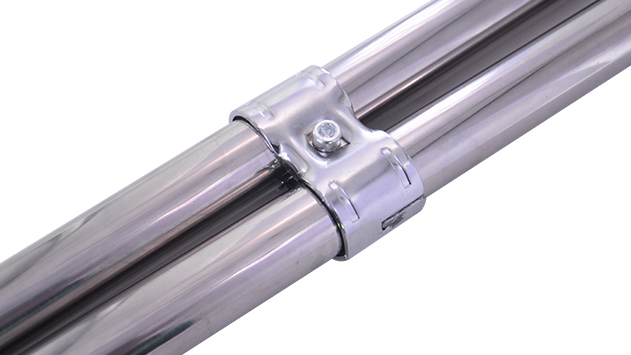
Parallel lean pipe joint used for 2 pcs 28MM lean pipe connection in parallel direction to enhance frame structure, usually for heavy payload requirement for workbench. flow rack, hand trolley.
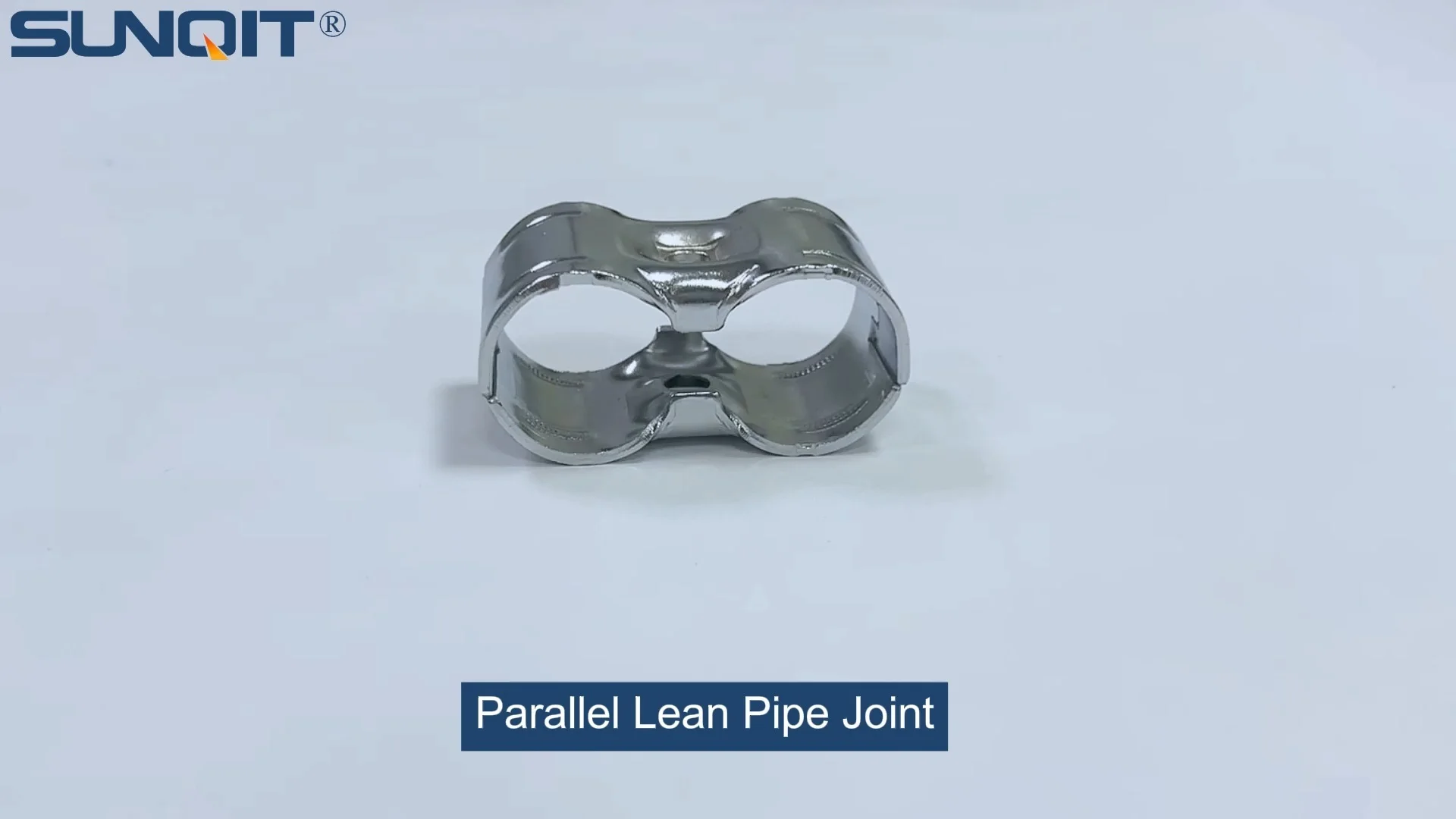
In the fast-paced world of manufacturing and production, every component in your workspace plays a silent but critical role in keeping operations running smoothly. Among these unsung heroes are parallel lean pipe joint chrome —the unassuming connectors that hold together your workbenches, flow racks, conveyor systems, and turnover trolleys. These joints are the backbone of lean systems, ensuring stability, flexibility, and efficiency in your daily workflow. But like any hardworking component, they demand care. Without proper maintenance, rust, wear, and looseness can creep in, turning a minor inconvenience into costly downtime, safety hazards, or even system failure. In this guide, we'll walk through everything you need to know to keep your chrome joints in top shape, from understanding their design to implementing a proactive maintenance routine that prevents rust and extends their lifespan.
Understanding Parallel Lean Pipe Joint Chrome: More Than Just a Connector
Before diving into maintenance, let's take a moment to appreciate what makes parallel lean pipe joint chrome so essential. These joints are engineered to connect lean pipes (often aluminum, steel, or stainless steel pipe series materials) at parallel angles, forming the rigid yet adaptable structures that define lean manufacturing setups. The chrome plating isn't just for aesthetics—it's a protective barrier, shielding the underlying metal (typically steel) from corrosion, scratches, and wear. This plating gives the joints their signature shiny finish while enhancing durability, making them ideal for high-traffic environments like assembly lines, warehouses, and distribution centers.
What sets parallel joints apart is their ability to maintain alignment between pipes, ensuring that workbenches stay level, flow racks don't sag, and conveyor systems operate without jamming. Unlike standard lean pipe joint designs, parallel joints are optimized for horizontal or vertical parallel connections, distributing weight evenly across the structure. This precision is why a single loose or rusted parallel joint can throw off an entire system—compromising stability and risking damage to both equipment and products.
To visualize their role, think of your workspace as a puzzle: lean pipes are the pieces, and parallel chrome joints are the edges that lock them into place. Without strong, well-maintained edges, the puzzle falls apart. Now, let's explore the threats that can weaken these edges over time.
Common Threats to Your Chrome Joints: What's Eating Away at Their Lifespan?
Even with chrome plating, parallel lean pipe joint chrome isn't invincible. Several enemies lurk in your workspace, waiting to degrade their performance. Let's break down the biggest culprits:
1. Rust: The Silent Saboteur
Rust is the arch-nemesis of any metal component, and chrome joints are no exception. While chrome resists corrosion, it's not foolproof. Tiny scratches, chips, or cracks in the plating can expose the steel underneath to moisture, oxygen, and contaminants. Once this happens, rust begins to form—first as small orange spots, then spreading to weaken the joint's structure. Common causes of rust include:
- Moisture Buildup: Spills, high humidity, or condensation from cooling systems can leave water trapped in joint crevices.
- Chemical Exposure: Harsh cleaning agents, oils, or solvents from production processes can strip away chrome plating or react with the metal.
- Salt and Airborne Contaminants: In coastal areas or factories near busy roads, salt air or industrial pollutants accelerate corrosion.
2. Wear and Tear: Friction Takes Its Toll
Every time your lean system is adjusted, loaded, or moved, parallel joints endure friction and stress. Over time, this can wear down the chrome plating, loosen threads, or even bend the joint body. High-traffic areas—like roller tracks on flow racks or casters on turnover trolleys—exacerbate this. For example, if a workbench is frequently reconfigured, the parallel joints connecting its legs to the frame will experience repeated twisting, leading to gradual wear.
3. Environmental Extremes: Heat, Cold, and Humidity
Extreme temperatures can cause the metal in joints to expand and contract, weakening the bond between the chrome plating and the base steel. In hot environments, moisture evaporates quickly but leaves behind mineral deposits that can scratch the chrome. In cold, damp spaces, condensation forms more readily, increasing rust risk. Even temperature fluctuations throughout the day can take a toll, making consistent environmental control a key part of maintenance.
Essential Maintenance Practices: Keeping Your Joints Strong for Years
The good news? Most joint damage is preventable with a little proactive care. Below are the core practices to incorporate into your routine, organized by priority.
1. Regular Cleaning: The First Line of Defense
Dirt, grease, and grime are more than just unsightly—they trap moisture and act as abrasives, wearing down chrome plating over time. A consistent cleaning routine removes these threats before they cause harm.
How to Clean Parallel Lean Pipe Joint Chrome:
- Gather Supplies: You'll need a soft microfiber cloth, mild dish soap (avoid harsh detergents with bleach or ammonia), warm water, and a second dry cloth for drying.
- Dust First: Use the dry microfiber cloth to wipe away loose dust and debris from the joint and surrounding pipes. This prevents scratching during wet cleaning.
- Wash Gently: Mix a few drops of dish soap into a bowl of warm water. Dip the cloth into the solution, wring out excess water (it should be damp, not soaking), and gently wipe the chrome surface. Pay extra attention to crevices where dirt builds up—use a soft-bristled toothbrush for tight spots (avoid metal brushes, which scratch).
- Rinse and Dry: Dampen a clean part of the cloth with plain water and wipe away soap residue. Immediately dry the joint with a dry microfiber cloth to prevent water spots, which can etch the chrome over time.
Frequency Tip: In clean, dry environments (like air-conditioned offices), weekly cleaning may suffice. In dusty or humid factories, aim for daily quick wipes and deep cleaning every 3–4 days. For areas near production lines with oil or chemicals, clean after each shift to prevent buildup.
2. Rust Prevention: Protecting the Chrome Barrier
Even with cleaning, preventing rust requires an extra layer of protection. Here's how to keep corrosion at bay:
- Apply a Protective Coating: After cleaning and drying, apply a thin layer of automotive wax or a chrome-specific polish (e.g., Turtle Wax Chrome Polish). This creates a barrier against moisture and contaminants. Buff gently with a dry cloth to avoid streaks.
- Use Anti-Rust Sprays Sparingly: For joints in high-risk areas (e.g., near water sources or in coastal climates), a light mist of silicone-based anti-rust spray (avoid oil-based sprays, which attract dust) can add extra protection. Focus on crevices and threads.
- Repair Chrome Chips Immediately: If you notice a small chip or scratch in the chrome, act fast. Sand the area gently with 400-grit sandpaper to remove any rust, clean with alcohol, and apply a touch-up chrome paint (available at hardware stores). This seals the exposed metal before rust spreads.
3. Lubrication: Reducing Friction, Extending Life
Many parallel lean pipe joints have moving parts—like swivel mechanisms or adjustable threads—that rely on smooth movement. Without lubrication, friction causes wear, making joints stiff or prone to breakage.
Lubrication Best Practices:
- Choose the Right Lubricant: Silicone-based lubricants (e.g., WD-40 Specialist Silicone Lubricant) are ideal—they repel moisture, won't degrade plastic or rubber accessories, and don't attract dust. Avoid petroleum-based oils, which can break down chrome plating over time.
- Apply Sparingly: A little goes a long way. Use a spray bottle with a narrow nozzle to target pivot points, threads, or any moving parts. Wipe away excess lubricant with a cloth to prevent attracting dirt.
- Schedule Lubrication: Lubricate joints every 2–4 weeks, depending on use. For joints in constant motion (e.g., those on roller track connectors), lubricate weekly.
4. Inspection: Catching Problems Early
Even with cleaning and protection, regular inspections help spot issues before they escalate. Set aside time each week to check your joints for signs of trouble.
What to Look For During Inspections:
- Looseness: Gently shake the connected pipes—if there's movement, the joint is loose. Use a torque wrench to retighten (follow the manufacturer's recommended torque, typically 15–20 Nm for most lean pipe joints).
- Chrome Damage: Look for chips, scratches, or peeling plating. Even small flaws can lead to rust.
- Rust Spots: Check crevices and hidden areas (like under the joint where it connects to the pipe) for orange or brown discoloration.
- Wear on Threads: If adjusting the joint feels "gritty" or threads strip easily, the joint may need replacement.
- Cracks or Deformation: Inspect the joint body for cracks, especially around stress points like where the joint meets the pipe. Deformed joints (bent or misshapen) can't support weight safely and must be replaced.

Your Go-To Maintenance Schedule: A Quick Reference Table
To make maintenance easier, we've compiled a handy schedule to keep you on track. Adjust frequencies based on your workspace environment (e.g., increase in humid or high-traffic areas).
| Maintenance Task | Frequency | Tools Needed | Key Notes |
|---|---|---|---|
| Visual Inspection for Looseness/Rust | Daily | None (just your eyes!) | Focus on joints in high-use areas like workbenches and flow racks. |
| Quick Dusting/Wiping | Daily (or after shifts) | Microfiber cloth | Removes surface dust to prevent buildup. |
| Deep Cleaning with Soap & Water | Weekly (or every 3–4 days in dirty environments) | Microfiber cloth, mild soap, warm water, soft toothbrush (for crevices) | Always dry thoroughly to prevent water spots. |
| Lubrication of Moving Parts | Every 2–4 weeks (weekly for high-motion joints) | Silicone-based lubricant, cloth (for excess) | Avoid over-lubricating—excess attracts dust. |
| Anti-Rust Coating (Wax/Polish) | Monthly | Chrome polish/wax, microfiber cloth | Reapply after deep cleaning for best results. |
| Torque Check & Tightening | Quarterly | Torque wrench (set to manufacturer specs) | Prevents loosening due to vibration over time. |
| Replacement of Damaged Joints | As needed (when cracks, severe rust, or stripped threads are found) | Replacement joint, wrench | Never delay—damaged joints risk system failure. |
Troubleshooting Common Issues: What to Do When Problems Arise
Even with the best maintenance, issues can pop up. Here's how to handle the most common problems:
Problem 1: Small Rust Spots
Solution: Act fast! Sand the spot gently with 400-grit sandpaper until the rust is removed (be careful not to scratch surrounding chrome). Clean the area with alcohol to remove dust, then apply a thin layer of touch-up chrome paint. Let dry completely before using the joint.
Problem 2: Loose Joints That Won't Stay Tight
Solution: If retightening with a torque wrench doesn't work, the threads may be stripped. replace the joint immediately—stripped threads can't support weight safely. When installing the new joint, apply a small amount of thread locker (like Loctite Blue) to prevent future loosening (avoid over-applying, as it can make future adjustments hard).
Problem 3: Stiff or "Sticky" Moving Joints
Solution: First, clean the joint thoroughly to remove dirt or old lubricant buildup. Apply a silicone-based lubricant to the moving parts and work the joint back and forth to distribute the lubricant. If stiffness persists, check for rust or debris in the mechanism—clean again or replace if damaged.
Problem 4: Chrome Peeling or Flaking
Solution: Peeling chrome is a sign the plating has failed, exposing the base metal. Unfortunately, this can't be repaired with touch-up paint. replace the joint as soon as possible to prevent rust from spreading to connected pipes.
Conclusion: Invest in Maintenance, Reap the Rewards
Parallel lean pipe joint chrome may seem like small components, but their role in keeping your workspace efficient and safe is enormous. By incorporating regular cleaning, rust prevention, lubrication, and inspections into your routine, you'll extend their lifespan, reduce downtime, and avoid costly replacements. Remember: a little time spent today on maintenance saves hours of frustration (and expense) tomorrow.
Whether you're managing a busy assembly line, a warehouse, or a small workshop, these tips will help your lean system stay strong, stable, and ready to handle whatever your workflow throws at it. And when it's time to replace a joint, choose quality lean pipe joint suppliers to ensure you're getting durable, long-lasting components that work with your existing setup.
Your joints work hard for you—give them the care they deserve, and they'll keep your operations running smoothly for years to come.