- Company Articles
- Products and Technology
- Installation And Maintenance
- Maintenance Tips for Parallel Rotatory Lean Pipe Joint Chrome: Prolong Lifespan

Maintenance Tips for Parallel Rotatory Lean Pipe Joint Chrome: Prolong Lifespan
Related Product
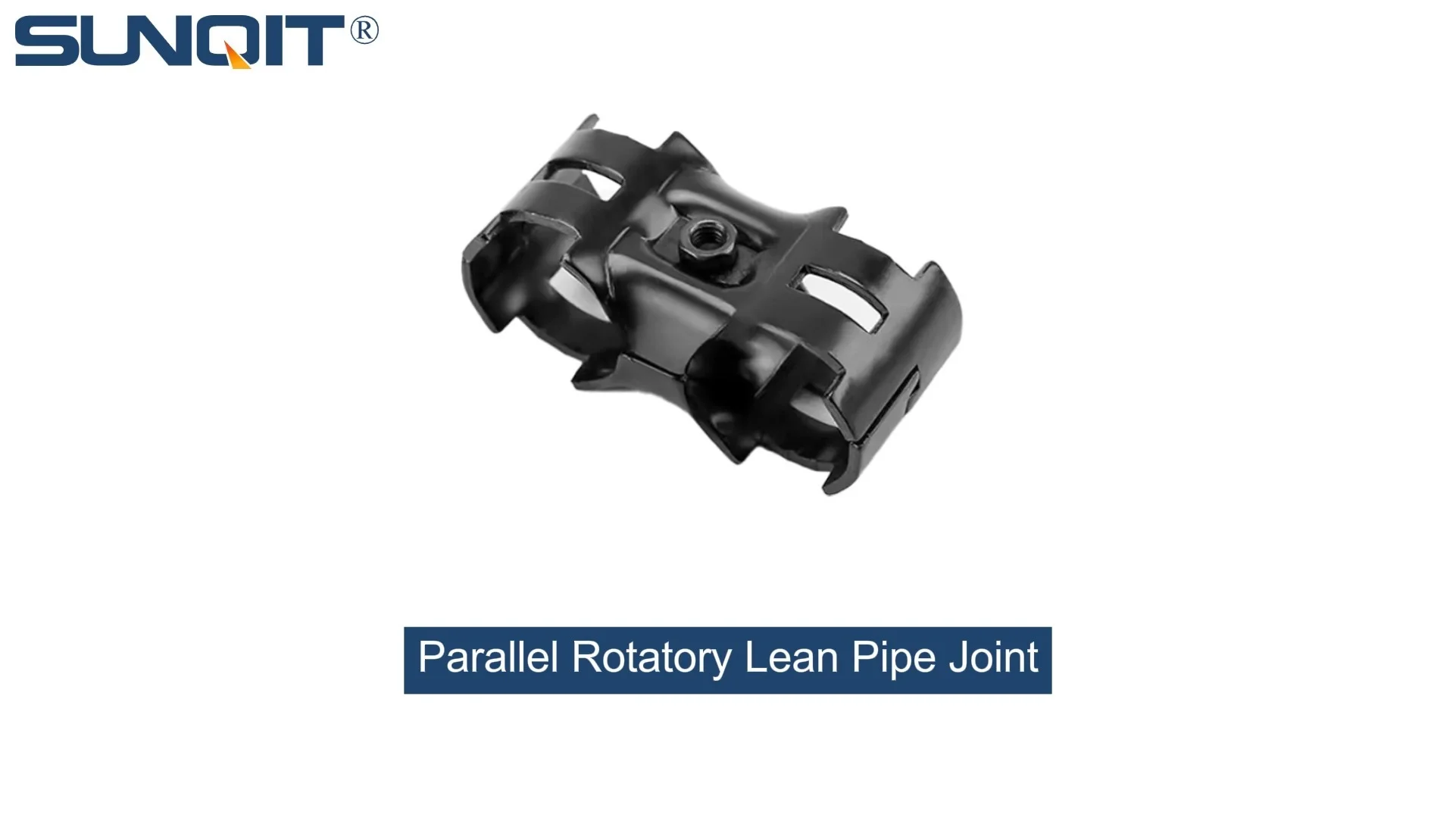
Parallel Rotatory Lean Pipe Joint
Parallel rotatory lean pipe joint, for 2 pcs pipe conenction in parallel direction with rotatory function.
Maintenance Tips for Parallel Rotatory Lean Pipe Joint Chrome: Prolong Lifespan
Walk into any manufacturing plant, warehouse, or assembly line, and you'll notice the unsung heroes keeping everything moving: lean pipe systems. From workbenches that adjust to fit any task to trolleys that glide across the floor, these systems rely on one critical component to stay flexible and functional: the lean pipe joint. And among the most hardworking of these joints? The parallel rotatory lean pipe joint chrome. Sleek, durable, and designed to handle constant rotation and weight, this little piece of hardware is the backbone of countless lean operations. But here's the thing—even the toughest joints wear down over time. Rust creeps in, rotation gets stiff, and suddenly, that smooth workbench adjustment becomes a struggle, or that trolley won't turn without a loud creak. The good news? With a little regular care, you can keep your parallel rotatory lean pipe joint chrome in top shape for years, saving time, money, and plenty of frustration. Let's dive into how.
First Things First: What Even Is a Parallel Rotatory Lean Pipe Joint Chrome?
Before we jump into maintenance, let's make sure we're all on the same page. A parallel rotatory lean pipe joint chrome is exactly what it sounds like: a joint used to connect lean pipes (those metal or aluminum tubes you see in lean systems) that allows for smooth, parallel rotation. The "chrome" part? That's the plating that gives it that shiny, corrosion-resistant finish—perfect for busy environments where moisture, oil, or dust might otherwise take a toll. These joints are everywhere: on adjustable workbenches, rotating material racks, swiveling conveyor components, and even foldable trolleys. Their job? To let parts of the lean system move independently without losing stability. Imagine a workbench where the top can rotate 180 degrees to pass materials from one side to the other—that's the parallel rotatory joint at work. Or a flow rack where the shelves tilt slightly to let products glide forward—yep, you guessed it, another job for this hardworking joint.
But why chrome? Chrome plating isn't just for looks (though it does add a professional shine). It's a barrier against rust and corrosion, which is crucial in environments where the joint might come into contact with water, chemicals, or just plain old dirt. Without that chrome layer, the underlying metal would start to corrode quickly, turning your smooth-rotating joint into a stiff, stuck mess. So, protecting that chrome is step one in any maintenance routine.
Why Bother with Maintenance? (Hint: It's Not Just About the Joint)
Let's be real—maintenance can feel like one more thing on an already overflowing to-do list. But when it comes to your parallel rotatory lean pipe joint chrome, skipping it can cost you way more in the long run. Here's why:
- Downtime Kills Productivity: A stuck joint means a workbench that won't adjust, a trolley that can't maneuver, or a conveyor that jams. Every minute your team is struggling with equipment is a minute they're not getting work done. And in manufacturing, downtime adds up fast.
- Repairs Cost More Than Prevention: Replacing a rusted or broken joint isn't cheap—especially if it leads to damage to the lean pipe itself or other components like casters or roller tracks. A tube of lubricant and a few minutes of cleaning? Way more budget-friendly.
- Safety First: A worn joint can fail unexpectedly. Imagine a workbench shelf suddenly giving way because the joint holding it bends—someone could get hurt, or materials could be damaged. Regular checks catch issues before they become hazards.
Pro Tip: Think of your parallel rotatory lean pipe joint chrome like a car's brakes—you don't wait until they squeal to check them. A little proactive care keeps everything running safely and smoothly.
The Ultimate Maintenance Checklist for Parallel Rotatory Lean Pipe Joint Chrome
Now, let's get into the nitty-gritty: exactly what you need to do to keep your joints in great shape. We'll break this down into weekly, monthly, and quarterly tasks, so you can fit it into your schedule without hassle.
Weekly: Quick Checks to Catch Issues Early
You don't need to deep-clean every joint every week, but a 5-minute visual and physical check can spot small problems before they grow. Here's what to do:
- Give It a Spin: Gently rotate the joint by hand. It should move smoothly, with no jerks, grinding, or resistance. If it feels stiff or makes a noise, note it down for closer inspection.
- Look for Rust or Damage: Check the chrome plating for scratches, chips, or rust spots. Even a tiny scratch can let moisture in, so mark those areas to address later.
- Tighten Loose Bits: Grab a hex key (most joints use standard sizes like 5mm or 6mm) and gently tighten any visible bolts or screws. Vibration from daily use can loosen them over time.
- Clear Debris: Wipe away dust, dirt, or grease buildup around the joint with a dry cloth. Pay extra attention to the crevices where the joint meets the lean pipe—debris here can gum up rotation.
Monthly: Deep Cleaning and Lubrication
Once a month, set aside 15-20 minutes per joint for a deeper clean and lube. This is where you'll really extend their lifespan.
- Clean the Chrome Surface: Mix a few drops of mild dish soap with warm water (avoid harsh cleaners like bleach or ammonia—they'll strip the chrome). Dip a soft cloth or sponge into the solution and gently wipe the joint, focusing on any rust spots or grime. Rinse with a damp cloth, then dry immediately with a lint-free towel. Moisture left on chrome leads to rust, so don't skip the drying step!
- Address Minor Rust: Found a small rust spot? Don't panic. Grab a chrome polish (like the kind used on car bumpers) and a soft cloth. Rub the polish onto the rust spot in small circles until the rust disappears, then wipe clean. For tougher spots, use a very fine steel wool (0000 grade—anything coarser will scratch the chrome) dipped in polish. Always rub with the grain of the chrome to avoid damage.
- Lubricate the Rotation Mechanism: Here's the secret to smooth rotation: the right lubricant. Avoid heavy oils (they attract dust) or WD-40 (it's a cleaner, not a long-term lubricant). Instead, use a silicone-based lubricant or a dry graphite spray. Apply a small amount to the joint's moving parts—where the two sections rotate against each other. Work the joint back and forth a few times to distribute the lube, then wipe away any excess with a cloth. Too much lube will just collect dirt, so less is more here.
- Check Compatibility with Lean Pipe and Accessories: While you're at it, make sure the joint is still properly matched to the lean pipe and any accessories like caster wheels or roller track connectors. A joint that's too loose on the pipe (common if the pipe is bent or worn) will wear out faster. If the pipe feels wobbly in the joint, consider replacing the pipe or using a shim (with caution—shims should only be temporary fixes).
Quarterly: Heavy-Duty Inspection and Adjustment
Every three months, take a closer look to ensure your joints are holding up to their workload and adjust as needed.
- Test Weight Limits: Most parallel rotatory lean pipe joints have a weight rating (check the manufacturer's specs). If you're using the joint to hold heavy tools or materials, do a quick test: place the maximum expected weight on the connected structure (like a workbench shelf) and check if the joint bends or shifts. If it does, redistribute the weight or upgrade to a heavier-duty joint.
- Inspect for Wear and Tear: Look at the joint's internal components (if possible). Are the rotating parts showing signs of wear, like grooves or dents? Is the chrome peeling off in large flakes? These are signs the joint might need replacement soon.
- Align Parallel Joints: "Parallel" is in the name for a reason—these joints should rotate evenly without tilting. Place a level on the connected lean pipe and rotate the joint. If the pipe tilts more than 2-3 degrees, the joint may be misaligned. Loosen the bolts, adjust the position, then retighten.
- Check Compatibility with Aluminum Pipe Accessories: If your lean system uses aluminum pipe (a popular lightweight alternative to steel), make sure the joint is designed for aluminum. Some steel joints can corrode aluminum over time, so using aluminum-specific accessories (like aluminum pipe clamps or parallel fixation aluminum pipe joints) can prevent damage.
Pro Tip: Keep a maintenance log! Jot down dates, what you checked, and any issues you found. Over time, you'll spot patterns (like joints near a water source rusting faster) and adjust your routine accordingly.
Troubleshooting Common Parallel Rotatory Lean Pipe Joint Chrome Issues
Even with regular maintenance, you might run into problems. Here's how to diagnose and fix the most common ones:
| Issue | What's Causing It | How to Fix It |
|---|---|---|
| Stiff or Noisy Rotation | Dirt/debris in the joint, dry lubricant, or rust buildup | Clean with soapy water, dry thoroughly, then apply silicone lubricant. If rust is the culprit, use chrome polish first. |
| Rust Spots on Chrome | Scratches in the chrome exposing the metal, or prolonged moisture exposure | Remove rust with chrome polish and fine steel wool. For deep scratches, apply a thin layer of chrome touch-up paint (available at auto parts stores). |
| Loose Connection to Lean Pipe | Worn or stripped bolts, or the lean pipe is bent/worn | replace bolts with new ones of the same size. If the pipe is bent, straighten it (if possible) or replace the pipe section. |
| Joint Won't Hold Weight | Overloading, bent internal components, or using the wrong joint for the job | Reduce weight on the joint. If it still bends, replace with a higher-weight-rated joint. Check if the lean pipe itself is rated for the load too! |
| Chrome Peeling or Flaking | Severe corrosion, impact damage, or low-quality plating | Unfortunately, peeling chrome can't be fixed. replace the joint to avoid further damage to the lean pipe or accessories. |
The Right Tools for the Job
You don't need a fully stocked workshop to maintain your parallel rotatory lean pipe joint chrome, but a few basic tools will make the job easier:
- Soft cloths (microfiber works best for chrome)
- Mild dish soap and warm water
- Chrome polish (e.g., Mothers Chrome Polish or Turtle Wax Chrome Cleaner)
- 0000-grade steel wool (for rust spots)
- Silicone-based lubricant (e.g., 3-IN-ONE Silicone Lubricant) or dry graphite spray
- Hex key set (metric sizes, usually 4mm-8mm)
- Small brush (an old toothbrush works great for crevices)
- Lint-free towels for drying
Pro tip: Store these tools in a small caddy near your lean pipe systems—you're more likely to do regular checks if the tools are handy!
Beyond the Joint: How Other Components Affect Your Lean Pipe System
Your parallel rotatory lean pipe joint chrome doesn't work alone—it's part of a bigger system. Neglecting other components can put extra strain on the joint, so it's worth keeping an eye on these too:
- Lean Pipe: Bent, dented, or rusted lean pipe forces the joint to work harder. replace damaged pipes promptly.
- Caster and Accessories: Wobbly or stuck caster wheels can cause the entire trolley or workbench to twist, straining the joints. Keep casters clean and lubricated too.
- Roller Track and Connectors: If roller tracks are misaligned, materials might get stuck, leading to sudden jolts that stress the joints holding the track in place.
- Aluminum Pipe Accessories: Using low-quality or incompatible accessories (like plastic roller track guide rails that don't fit properly) can create uneven weight distribution, wearing out joints faster.
Final Thoughts: Your Joints Deserve the Care
At the end of the day, your parallel rotatory lean pipe joint chrome is more than just a piece of metal—it's the reason your lean system lives up to its name: flexible, efficient, and adaptable. By taking a few minutes each week, month, and quarter to clean, lubricate, and inspect these joints, you're not just prolonging their lifespan—you're keeping your entire operation running smoothly, safely, and without unnecessary headaches. So grab your cloth, your lubricant, and get started. Your future self (and your production line) will thank you.
And remember: When it's time to replace a joint (because even the best-maintained ones wear out eventually), choose a reputable lean pipe supplier. Quality matters, and a well-made parallel rotatory lean pipe joint chrome will stand up to years of use—especially with the maintenance routine you've now mastered. Here's to smooth rotations, rust-free chrome, and a lean system that works as hard as you do.