- Company Articles
- Products and Technology
- Installation And Maintenance
- Maintenance Tips for Three Way Aluminum Pipe Joints: Extending Service Life

Maintenance Tips for Three Way Aluminum Pipe Joints: Extending Service Life
Related Product
Three Way Aluminum Pipe Joint
Aluminum 3 way pipe joint for 28mm aluminum pipe connection in 3 direction.
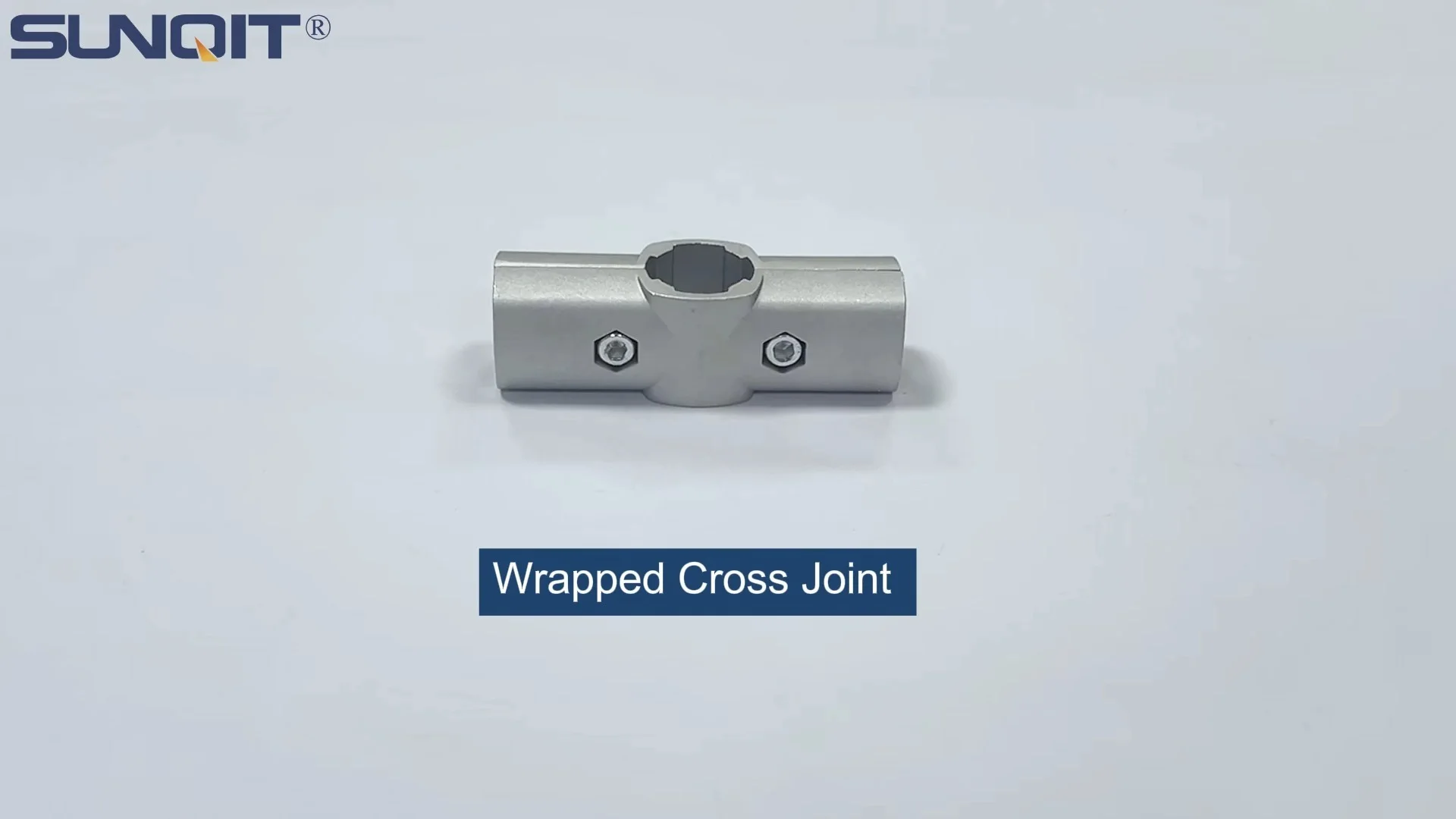
If you've ever stood in a busy workshop, watching as a production line grinds to a halt because a wobbly workbench or misaligned material rack throws everything off schedule, you know the frustration of equipment failure. Often, the culprit isn't a major component—it's something small,, but absolutely critical: the joints that hold everything together. In the world of aluminum lean systems, few parts work harder than the three way aluminum pipe joint. These unassuming connectors are the backbone of workbenches, flow racks, conveyor systems, and material trolleys, quietly bearing weight, absorbing vibration, and keeping operations on track. But like any hardworking tool, they need care to keep performing at their best. In this guide, we'll walk through practical, hands-on maintenance tips to help you extend the life of your three way aluminum pipe joints, reduce downtime, and keep your workspace running smoothly.
Understanding the Three Way Aluminum Pipe Joint: More Than Just a Connector
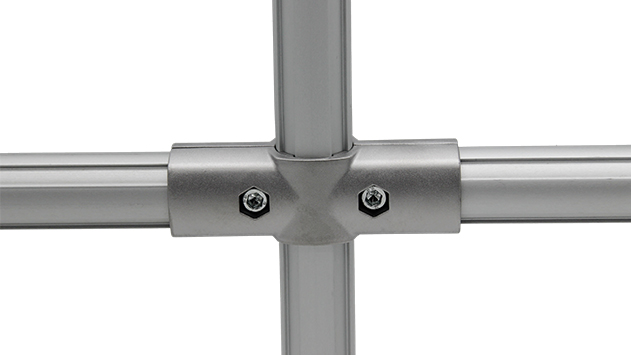
Before diving into maintenance, let's take a moment to appreciate what makes three way aluminum pipe joints so essential. These small but mighty components are designed to connect aluminum pipes at three different angles—typically 90°, 45°, or custom configurations—allowing for the creation of sturdy, modular structures. Unlike rigid welded joints, they offer flexibility, making it easy to reconfigure workspaces as needs change. Most are crafted from high-grade aluminum alloy, chosen for its lightweight strength, resistance to corrosion, and compatibility with aluminum profiles (think of them as the glue that holds your aluminum profile accessories together). Many also feature anodized finishes, which add a protective layer against wear and environmental damage.
The magic of a well-designed three way joint lies in its precision. Inside, you'll often find threaded inserts, locking pins, or friction-based mechanisms that secure pipes in place without slipping. Some models even include rubber gaskets or O-rings to dampen vibration and prevent loosening over time. But here's the thing: even the best joints can fail if neglected. Vibration from daily use, exposure to dust and moisture, and improper installation can all take a toll. The good news? With a little proactive care, you can significantly extend their lifespan and avoid costly replacements.
Common Issues That Shorten Joint Life: What to Watch For
To maintain your three way aluminum pipe joints effectively, you first need to know what threats they face. Let's break down the most common issues that can cut a joint's life short:
1. Loosening Due to Vibration:
In busy workshops, machinery, foot traffic, and even the movement of materials on racks generate constant vibration. Over time, this vibration can slowly loosen the joint's grip on the pipes, leading to wobbly structures. You might notice a workbench that "creaks" when leaned on or a material rack that shifts when loaded—classic signs that a joint is starting to slip.
2. Corrosion from Moisture and Chemicals:
While aluminum is naturally resistant to rust, it's not immune to corrosion. If your workspace is humid, or if joints are exposed to oils, solvents, or cleaning agents, you might see white, powdery spots (oxidation) or even pitting on the surface. This isn't just unsightly—corrosion weakens the metal, making joints more prone to cracking or breaking under stress.
3. Wear and Tear on Threads or Locking Mechanisms:
Every time you tighten or loosen a joint (during installation or reconfiguration), the threads or locking components experience friction. Over many cycles, this can wear down the material, making it harder to get a secure fit. You might notice that a joint no longer "locks" as tightly as it used to, or that pipes wiggle even when fully tightened.
4. Misalignment and Stress:
If pipes are forced into a joint at an angle that's not intended (say, trying to connect a 90° joint to pipes that aren't perfectly perpendicular), the joint will bear uneven stress. Over time, this can bend or warp the joint's internal components, leading to premature failure. It's like trying to fit a square peg into a round hole—eventually, something has to give.
5. Debris Buildup:
Dust, metal shavings, and workshop grime love to settle in the crevices of joints. If left unchecked, this debris can clog locking mechanisms, scratch the anodized finish, or even act as an abrasive, wearing down moving parts with every vibration.
Step-by-Step Maintenance: Keeping Joints Strong and Secure
Now that we know what we're up against, let's get to the actionable part: maintaining your three way aluminum pipe joints. The following steps are designed to be simple, requiring minimal tools and time, but they'll make a world of difference in joint longevity.
Daily Quick Checks: 2-Minute Inspections That Prevent Big Problems
You don't need to spend hours each day maintaining joints—just a quick visual and tactile check can catch issues early. Here's what to do during your daily walkthrough:
• Wiggle Test:
Gently grasp the pipes connected by the joint and try to wiggle them. A slight, firm resistance is normal—you want to feel that the joint is holding tight. If there's noticeable movement or a "clunking" sound, the joint is loose and needs tightening.
• Visual Scan:
Look for cracks, dents, or deformation in the joint body. Pay extra attention to the areas where the pipes meet the joint—this is where stress is highest. Also, check for signs of corrosion (white or gray powdery spots) or discoloration, which could indicate moisture damage.
• Debris Check:
Brush away any dust, dirt, or metal shavings from the joint's crevices, especially around locking mechanisms or threaded areas. Even a small particle can interfere with the joint's ability to lock securely.
Weekly Deep Clean: Removing Grime and Preventing Corrosion
Once a week, set aside 10–15 minutes to give your joints a deeper clean. This is especially important if your workspace is dusty, humid, or exposed to oils (common in manufacturing or assembly areas). Here's how:
• Gather Supplies:
You'll need a soft-bristled brush (an old toothbrush works great for tight spots), mild dish soap, warm water, a clean microfiber cloth, and a small container for soapy water. Avoid harsh chemicals like bleach or abrasive cleaners—they can strip the anodized finish and damage aluminum.
• Scrub Gently:
Dip the brush in soapy water and gently scrub the joint, focusing on threaded areas, locking pins, and any crevices where debris builds up. For stubborn grime, let the soapy water sit for a minute before scrubbing.
• Rinse and Dry:
Wipe the joint with a damp cloth to remove soap residue, then dry thoroughly with a clean cloth. Moisture is the enemy of aluminum, so make sure no water is left in cracks or threads. For hard-to-reach areas, use a can of compressed air to blow out moisture.
• Spot-Treat Corrosion:
If you notice minor oxidation (those white powdery spots), mix equal parts white vinegar and water, dip a cloth in the solution, and gently rub the affected area. The vinegar's acidity will dissolve the oxidation without harming the aluminum. Wipe clean and dry immediately.
Monthly Lubrication and Tightening: Keeping Joints Moving Smoothly
Even well-cleaned joints can suffer from friction, especially if they're frequently adjusted or exposed to vibration. Once a month, take the time to lubricate moving parts and ensure joints are properly tightened.
• Choose the Right Lubricant:
For three way aluminum pipe joints, silicone-based lubricants are your best bet. They're water-resistant, won't attract dust (unlike oil-based lubricants), and won't degrade rubber gaskets or O-rings. Avoid WD-40 unless it's specifically labeled for long-term lubrication—standard WD-40 is a cleaner, not a lubricant, and will dry out over time.
• Apply Sparingly:
Put a drop or two of lubricant on threaded areas, locking pins, or any moving parts (like swivel mechanisms). Wipe away excess with a cloth—you want a thin, even layer, not a messy buildup.
• Tighten with Care:
Use a torque wrench or a properly sized hex key to tighten loose joints. Over-tightening can strip threads or warp the joint, while under-tightening leaves it prone to loosening. A good rule of thumb: tighten until you feel resistance, then give it a quarter-turn more—this ensures a secure fit without damaging the joint. If your joint uses bolts, check the manufacturer's specs for torque limits (most aluminum joints require 8–12 Nm of torque).
Quarterly Alignment Check: Ensuring Stress-Free Performance
Over time, even properly tightened joints can shift due to heavy loads or uneven weight distribution. Every three months, take a step back and check the alignment of the entire structure—workbench, rack, or trolley—to ensure joints aren't under unnecessary stress.
• Use a Level:
Place a spirit level on horizontal surfaces (like workbench tops) and vertical pipes to check for tilting. If a structure is leaning, the joints on the "low" side are likely bearing extra weight, which can cause premature wear.
• Adjust as Needed:
If misalignment is minor, loosen the affected joints, realign the pipes, and retighten. For more significant issues, consider adding bracing or adjusting the aluminum foot base (the foundation of your structure) to ensure even weight distribution. Remember: a straight, level structure means joints bear weight evenly, reducing stress and extending their life.

Troubleshooting Common Joint Problems: Quick Fixes for Unexpected Issues
Even with regular maintenance, problems can pop up. Use the table below to diagnose and fix common three way aluminum pipe joint issues quickly:
| Common Problem | Likely Cause | Step-by-Step Solution |
|---|---|---|
| Joint feels loose, even after tightening | Worn threads, stripped locking mechanism, or damaged pipe end |
1. Disassemble the joint and inspect threads/locking parts for wear.
2. If threads are stripped, replace the joint (minor wear can sometimes be fixed with thread-locking fluid like Loctite). 3. If the pipe end is dented, cut off the damaged section with a pipe cutter and reinsert. 4. Retighten and test for stability. |
| Joint is stuck and won't loosen | Rust or debris in threads, corrosion between joint and pipe |
1. Apply penetrating oil (like PB Blaster) to the joint and let sit for 10–15 minutes.
2. Tap the joint gently with a rubber mallet to break up rust. 3. Use a hex key with a cheater bar (a pipe slipped over the key for extra leverage) to loosen—avoid excessive force to prevent snapping the key. 4. Once loose, clean thoroughly and apply lubricant before reassembly. |
| Cracks in the joint body | Over-tightening, impact damage, or material fatigue |
1. Stop using the structure immediately—cracked joints can fail suddenly under load.
2. replace the joint with a new one (never try to repair a cracked aluminum joint; it will not hold). 3. Inspect surrounding joints—if one cracked, others may be under stress too. |
| Pipes slip out of the joint | Damaged friction pads, incorrect pipe size, or missing locking pins |
1. Check if the pipe diameter matches the joint (e.g., 28mm pipe with a 28mm joint).
2. Inspect friction pads (rubber or plastic inserts inside the joint)—if worn, replace them (they're often sold as aluminum profile accessories). 3. Ensure locking pins or set screws are fully engaged—replace missing pins with new ones from your supplier. |

Preventive Measures: Going Beyond Maintenance to Extend Life
Maintenance is about fixing problems, but prevention is about avoiding them in the first place. Here are a few proactive steps to keep your three way aluminum pipe joints in top shape for years:
• Invest in Quality Joints:
It's tempting to save money on cheap, generic joints, but they're often made with lower-grade aluminum and imprecise threading, which wear out faster. Opt for joints from reputable suppliers who specialize in aluminum lean systems—they'll cost a bit more upfront but will save you money in replacements and downtime.
• Train Your Team:
Make sure everyone who uses or adjusts aluminum structures knows the basics of joint care—how to tighten without over-tightening, how to spot loose joints, and when to report damage. A quick 10-minute training session can reduce accidental misuse and catch issues early.
• Protect from the Elements:
If your workspace is humid, outdoors, or exposed to chemicals, take extra precautions. Cover unused joints with plastic caps to keep out moisture, and consider applying a clear, anti-corrosion spray (like Rust-Oleum Clear Enamel) to joints in high-risk areas. For workbenches near water sources, add drip trays to prevent pooling under the structure.
• Keep Spare Parts on Hand:
Nothing stalls maintenance like waiting for replacement joints. Stock a few extra three way joints, along with basic tools (hex keys, torque wrench, lubricant) and aluminum pipe clamps (useful for temporary bracing if a joint fails unexpectedly).
When to replace: Knowing When a Joint Has Reached the End of Its Life
Even with the best care, all joints will eventually wear out. Knowing when to replace a joint is just as important as maintaining it. Here are signs it's time to retire a joint:
• Stripped Threads:
If tightening no longer holds the joint secure, or if threads look visibly worn (gaps between threads, bent or flattened peaks), replacement is the only fix.
• Cracks or Deformation:
Any crack, even a small one, weakens the joint's structural integrity. Continuing to use a cracked joint is a safety risk—replace it immediately.
• Persistent Corrosion:
If vinegar cleaning and anti-corrosion sprays can't keep oxidation at bay, the joint's protective finish is likely compromised. Corroded metal weakens over time, so replace it before it fails.
• Excessive Play:
If a joint wiggles even after tightening, lubricating, and realigning, the internal locking mechanism is probably worn out. At this point, the joint is no longer reliable and should be replaced.
Final Thoughts: Small Efforts, Big Rewards
Maintaining three way aluminum pipe joints might not be the most glamorous task in your workshop, but it's one of the most impactful. A few minutes of daily checks, weekly cleaning, and monthly lubrication can add years to a joint's life, reduce downtime, and keep your workspace safe and efficient. Remember, these joints are the unsung heroes of your lean system—treating them with care means they'll keep treating you to smooth, uninterrupted operations. So the next time you walk past a workbench or flow rack, take a second to give those joints a quick wiggle test. Your future self (and your production schedule) will thank you.