- Company Articles
- Products and Technology
- Installation And Maintenance
- Maintenance Tips for Three Way Lean Pipe Joint Chrome to Extend Lifespan

Maintenance Tips for Three Way Lean Pipe Joint Chrome to Extend Lifespan
Related Product
Three Way Lean Pipe Joint Chrome
Three way lean pipe joint for 3 pcs 28MM lean pipe connection in straight angle, which used widely in workbench, flow rack, hand trolley frame connection.
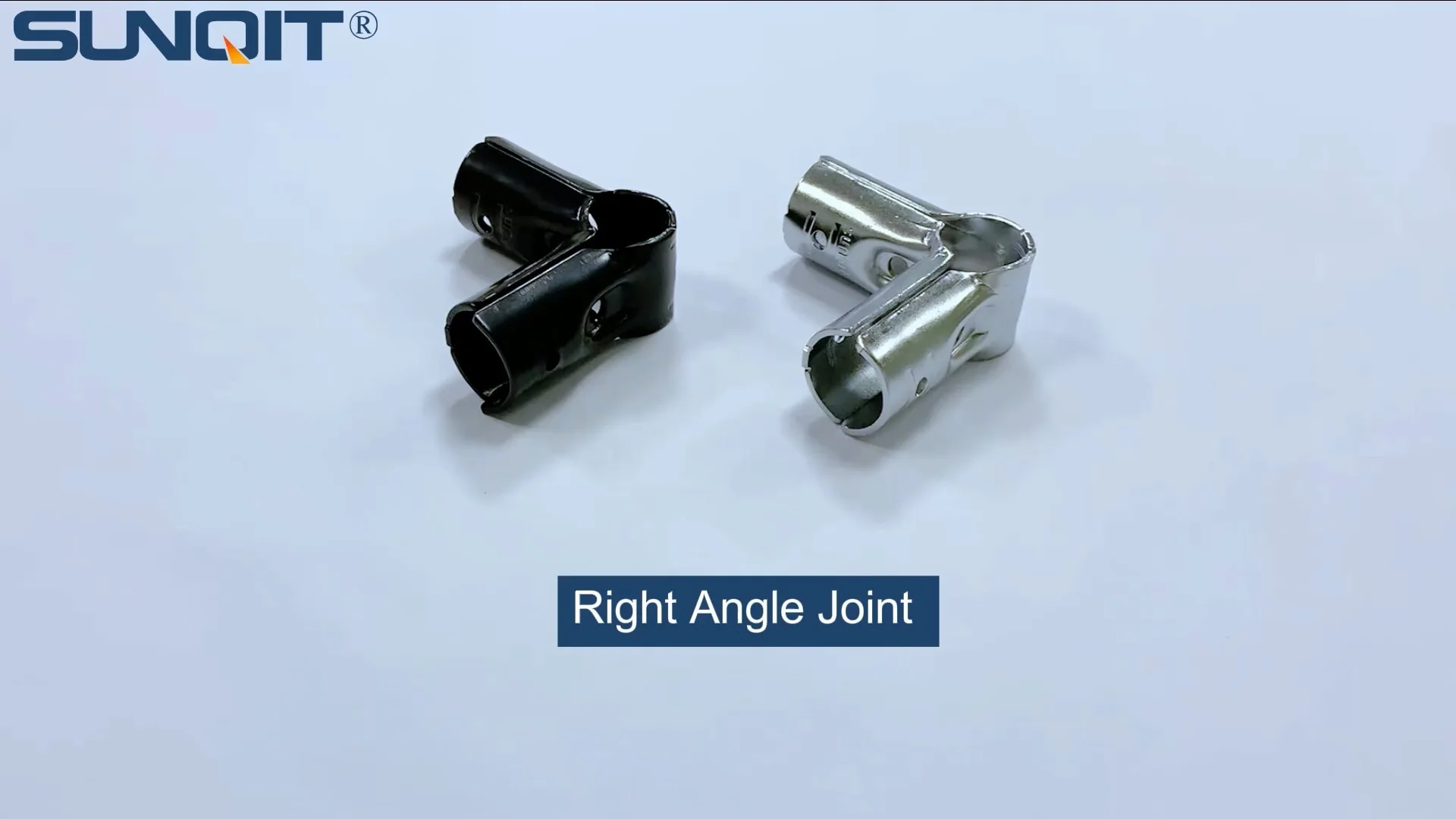
Keeping the backbone of your lean system strong, efficient, and ready for the long haul
Walk into any well-oiled production facility, and you'll notice a quiet hero holding everything together: the three way lean pipe joint chrome. It's not flashy, but it's the unsung architect of workbenches that stay sturdy during assembly, flow racks that glide materials smoothly, and conveyors that keep production lines moving without a hitch. In the world of lean systems—where every second counts and downtime is the enemy—these joints are the glue that turns chaos into order. But like any hardworking component, they need care to keep performing at their best. Neglect them, and you're looking at wobbly workstations, stuck roller tracks, and worst of all, unexpected shutdowns that throw your entire operation off track. Let's dive into how to keep these critical joints in top shape, so your lean system stays lean, efficient, and ready for whatever your production line throws at it.
Understanding the Three Way Lean Pipe Joint Chrome: More Than Just a Connector
Before we jump into maintenance, let's get to know the star of the show. The three way lean pipe joint chrome is a small but mighty component designed to connect lean pipes at (you guessed it) three angles, forming the skeleton of structures like workbenches, material racks, and turnover trolleys. What makes it special? Its chrome plating, for starters. That shiny finish isn't just for looks—it's a protective barrier against rust and corrosion, especially important in busy factories where spills, humidity, or even just daily wear can take a toll. Underneath that chrome, you'll often find a durable metal core, sometimes linked to the stainless steel pipe series for extra strength, ensuring it can handle the weight of tools, materials, and constant use.
Think of it as the hub of a wheel. A single three way joint might connect a vertical pipe supporting a workbench shelf, a horizontal pipe holding a flow rack, and a diagonal pipe adding stability—all at once. In a typical setup, like the material rack b (3 row and 3 floor) or a bustling aluminum workbench a , these joints are everywhere, quietly bearing the load so your team can focus on production, not wobbly equipment. But here's the thing: their versatility means they're also prone to unique stress points. Each connection angle experiences different forces—tension here, compression there—so maintenance can't be a one-size-fits-all task. To keep them working, you need to understand their role in your specific setup.
Why Maintenance Isn't Optional: The Cost of Cutting Corners
Let's talk about the elephant in the workshop: What happens if you skip maintenance? It starts small. Maybe a joint feels a little loose when you bump into a workbench. Then, a flow rack starts to sag, slowing down material transfer. Before you know it, a pipe slips, jamming a conveyor and halting production for hours. Sound familiar? For small to mid-sized manufacturers, those hours of downtime can mean missed deadlines, overtime costs, and frustrated teams. And that's just the immediate impact.
Consider this scenario: A regional electronics plant relied on a fleet of turnover trolleys and racks to move components between assembly stations. Their three way joints, once tight and reliable, had gone months without inspection. One day, during a rush order, a trolley's joint failed mid-transit, spilling sensitive parts onto the floor. The cleanup took 45 minutes, but the real cost? Damaged components worth $2,000, a delayed shipment, and a customer who nearly took their business elsewhere. All because of a $15 joint that could have been fixed with a 5-minute check and a quick tighten.
Then there's safety. A loose joint isn't just an efficiency problem—it's a hazard. A leaning workbench could topple tools, or a sagging flow rack might drop heavy materials, putting your team at risk. OSHA reports show that 15% of workplace injuries in manufacturing stem from faulty equipment, and unstable structures are a leading culprit. Maintenance isn't just about extending lifespan; it's about protecting the people who keep your operation running.

5 Essential Maintenance Tips to Keep Your Joints Strong
1. Inspect Like a Detective: Catch Issues Before They Escalate
Inspection is your first line of defense, and it doesn't have to be complicated. Set a schedule—weekly for high-use areas (like conveyors near assembly lines), monthly for less-frequented spots (storage racks). Grab a flashlight and a pair of gloves, and get up close. What are you looking for? Start with the chrome plating: Are there chips, scratches, or patches of rust? Even a tiny nick can let moisture seep in, leading to corrosion. Next, check for cracks in the joint body—pay special attention to the corners where the three pipes meet; that's where stress. Finally, test the tightness: Gently wiggle each connected pipe. If there's movement, it's time to tighten. For hard-to-reach joints (like those under workbenches), use a small mirror to spot hidden wear.
Pro tip: Keep a log. Note the date, joint location, and any issues you find (e.g., "Rust spot on joint #3 of workbench E, tightened with 14mm wrench"). Over time, you'll spot patterns—maybe joints near wash stations corrode faster, or those on trolleys loosen more often—letting you tailor maintenance to your facility's unique needs.
2. Clean to Protect: Keep That Chrome Shining (and Functional)
Chrome plating is tough, but it's not invincible. Dust, grease, and chemical spills (common in factories) can eat away at the finish, leaving the metal underneath vulnerable. The fix? Regular cleaning. For daily maintenance, wipe joints with a soft, dry microfiber cloth to remove dust and debris—this takes 30 seconds per joint and prevents buildup. For weekly deep cleans, mix a few drops of mild dish soap with warm water, dampen the cloth, and gently wipe the chrome surface. Avoid abrasive sponges or harsh cleaners (like bleach or ammonia)—they'll scratch the chrome, undoing its protective benefits.
What about stubborn grease? A toothbrush with soft bristles works wonders for crevices. Scrub gently, then dry immediately with a clean cloth—standing water is enemy number one for chrome. For joints near machining areas where metal shavings are common, use a can of compressed air to blow out debris before wiping; those tiny shavings can act like sandpaper, wearing down the joint over time.
3. Lubricate Smartly: Reduce Friction, Extend Life
Here's a secret most maintenance guides skip: Three way joints need lubrication, but not just any lubricant. The chrome plating and the threads inside the joint (where pipes screw in) rely on a thin, protective layer to prevent seizing. Without it, metal-on-metal friction can wear down threads, making joints impossible to tighten or loosen later. The best choice? Silicone-based lubricant. It's water-resistant, won't attract dust, and won't degrade the chrome. Avoid oil-based lubes—they get gummy over time, trapping debris.
How to apply it: Put a drop of lubricant on a cotton swab, then dab it along the joint's threads and where the pipes meet the joint. Don't overdo it—a little goes a long way. For joints that rotate (yes, some are designed for limited movement, like those on adjustable workbenches), add a tiny drop to the pivot point. Do this every 2–3 months, or more often if the joint is exposed to moisture (e.g., near cooling systems).
4. Tighten with Care: Avoid Overdoing It
Loose joints are a common problem, but so is over-tightening. Cranking a wrench too hard can strip threads, crack the joint, or even bend the lean pipe—costing you more than a loose connection ever would. The key? Use the right tool and the right torque. Most three way joints are designed to be tightened with a standard adjustable wrench or a hex key (check the manufacturer's specs). For general use, tighten until you feel resistance, then give it a quarter-turn more—just enough to seat the pipe firmly without stressing the joint.
A pro trick: Mark the joint and pipe with a small dot of paint after tightening. Later, during inspections, you can check if the dots have shifted—an easy way to spot loosening before it becomes a problem. And if a joint keeps loosening, don't just keep tightening it. It might mean the threads are worn, or the pipe is damaged. In that case, replace the joint—better to spend $15 now than $500 later on repairs.
5. replace Strategically: Know When to Let Go
Even with perfect maintenance, joints don't last forever. Chrome plating can wear thin, threads can strip, and metal can fatigue. The question is: When to replace? Look for these red flags: deep rust that won't come off with cleaning, cracks (even hairline ones), stripped threads (the pipe spins without tightening), or permanent bending. If you spot any of these, swap the joint immediately—don't risk a failure.
When replacing, choose quality over cost. A cheap, off-brand joint might save you $5 today, but it'll loosen or corrode in months. Stick with reputable lean pipe suppliers who specialize in industrial-grade components—their joints are tested to withstand factory conditions, often with warranties. And keep spares on hand! Storing 5–10 extra joints in a labeled bin near maintenance tools means you can replace a faulty one in minutes, not days (or weeks, if you have to wait for shipping).

Troubleshooting Common Issues: Quick Fixes for Urgent Problems
Even with regular maintenance, issues pop up. Here's how to handle the most common ones fast:
| Issue | Likely Cause | Quick Fix |
|---|---|---|
| Rust spots on chrome | Moisture exposure or chipped plating | Scrub gently with fine steel wool (000 grade) to remove rust, then apply a thin coat of chrome polish to seal the area. |
| Joint won't tighten (spins freely) | Stripped threads or debris in the joint | Check for debris first—blow out with compressed air. If threads are stripped, replace the joint immediately. |
| Stiff or seized joint (can't adjust angle) | Lack of lubrication or rust in pivot points | Apply silicone lubricant to the pivot, let sit for 5 minutes, then gently work the joint back and forth to loosen. |
| Cracks in the joint body | Over-tightening, impact damage, or metal fatigue | No fix—replace the joint immediately. Cracks compromise structural integrity, posing safety risks. |
Beyond the Joint: Building a Maintenance Culture
Maintenance isn't just a task for the repair team—it's a mindset. The best facilities make it everyone's job. Train your assembly line workers to spot loose joints or rust and report them (offer a small reward for proactive reports—like a coffee card—to encourage participation). Post quick-reference guides near workstations: "5 Signs Your Joint Needs Help" with pictures of rust, cracks, and loose pipes. And schedule monthly "maintenance huddles" where the team shares what's working and what's not—maybe the night shift notices more loose joints because of temperature changes, or the day shift has tips for cleaning hard-to-reach areas.
Remember, the goal isn't perfection—it's progress. Start small: Pick one high-priority area (like the assembly workbenches) and implement weekly inspections. Track how many issues you catch and fix, then expand to other areas as the routine sticks. Over time, you'll see fewer breakdowns, happier teams, and a lean system that lives up to its name—efficient, reliable, and built to last.
Final Thoughts: Your Joints Deserve the Same Care as Your Team
At the end of the day, the three way lean pipe joint chrome is more than a piece of metal. It's a partner in your facility's success—quietly supporting your goals, day in and day out. By investing a little time in inspection, cleaning, and care, you're not just extending its lifespan; you're protecting your productivity, your team, and your bottom line. So grab that wrench, wipe down those joints, and show your lean system the love it deserves. Your future self (and your profit margin) will thank you.