- Company Articles
- Products and Technology
- Installation And Maintenance
- Maintenance Tips for Two Way Lean Pipe Joint Chrome: Extend Service Life

Maintenance Tips for Two Way Lean Pipe Joint Chrome: Extend Service Life
Related Product
Two Way Lean Pipe Joint Chrome
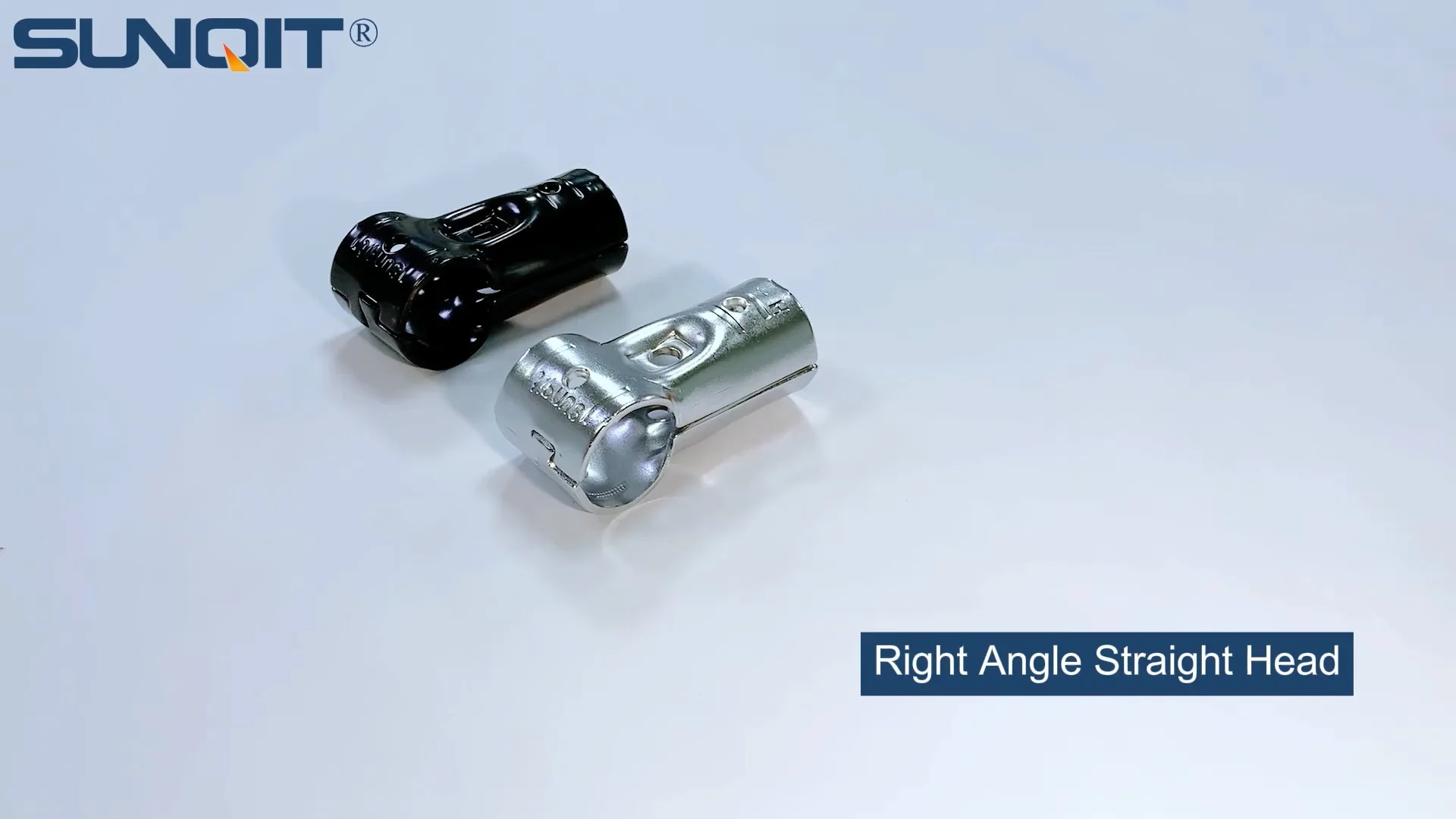
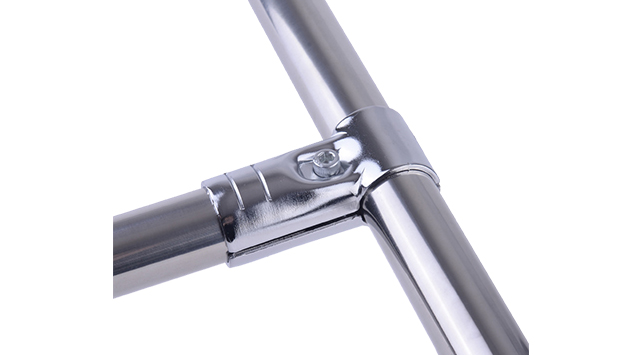
Two way lean pipe joint for 2 pcs 28MM lean pipe connection in straight angle, which used widely in workbench, flow rack, hand trolley frame connection.
If you've ever walked through a busy manufacturing facility or a well-organized warehouse, you've probably seen them—those sturdy, interconnected structures that hold everything from tools to raw materials, guiding products smoothly through assembly lines. Behind that seamless workflow is a network of components working in harmony, and at the heart of many of those connections is the two way lean pipe joint chrome. It might not be the flashiest part of your lean system, but this small, unassuming joint plays a huge role in keeping your operations running without a hitch. Neglect it, and you could be looking at wobbly workbenches, jammed flow racks, or even unexpected downtime. But with the right care, your two way lean pipe joint chrome can last for years, saving you time, money, and headaches. Let's dive into the practical steps you can take to keep these critical connections in top shape.
Understanding Your Two Way Lean Pipe Joint Chrome: More Than Just a Connector
Before we jump into maintenance, let's make sure we're all on the same page about what a two way lean pipe joint chrome actually is. At its core, this joint is designed to connect two lean pipes at a straight angle, forming the backbone of structures like workbenches, material racks, and turnover trolleys. What makes it "chrome" is the protective plating over its steel or aluminum core—a layer that shields against rust and corrosion, giving it a sleek, durable finish. Unlike some plastic or uncoated metal joints, the chrome plating adds an extra barrier, but it's not invincible. Scratches, moisture, and heavy use can wear it down over time, which is why understanding its design is the first step to keeping it strong.
One thing to note is that this joint isn't a one-size-fits-all component. It's part of a larger ecosystem of lean pipe and accessories, working alongside everything from caster wheels to roller tracks. That means its performance isn't just about the joint itself—it's about how well it integrates with the pipes, connectors, and other parts around it. A loose two way lean pipe joint chrome, for example, can throw off the alignment of an entire flow rack, leading to jams or uneven product movement. So, when we talk about maintaining these joints, we're not just caring for a single part—we're protecting the integrity of your entire lean system.
Daily Inspection: The First Line of Defense
Maintenance doesn't have to be a time-consuming chore. In fact, some of the most effective care happens in just a few minutes each day. Think of it like checking your car's tires before a drive—quick, simple, and prevents bigger problems later. Here's what to look for during your daily walk-around:
Visual Checks: Spotting Early Warning Signs
Start by giving each two way lean pipe joint chrome a quick once-over. Look for any obvious issues: tiny rust spots (they'll appear as orange or brown specks, often around the edges where the chrome is thinnest), cracks in the metal, or dents from accidental bumps. Even small cracks can grow over time, especially if the joint is under load, so don't ignore them. Also, check the connection points where the joint meets the lean pipe—are there gaps? Is the pipe sitting securely in the joint, or does it wiggle slightly?
The "Wiggle Test": Feeling for Looseness
Sometimes, problems aren't visible—they're felt. Gently grasp the two pipes connected by the joint and give them a light shake. There should be no movement; the joint should hold them firmly in place. If you feel any wobbling or hear a rattling sound, that's a sign the joint's bolts might be loose. Tightening them right away can prevent the joint from wearing out prematurely, as constant movement causes friction that erodes both the joint and the pipe.
Cleanliness: Keeping Debris at Bay
Factories and warehouses are dusty places, and that dust loves to settle in the nooks and crannies of your two way lean pipe joint chrome. Over time, a buildup of dirt, grease, or even product residue can trap moisture against the chrome, corrosion. A quick wipe with a dry microfiber cloth each day removes that debris. If you notice oil or sticky residue (common in assembly areas), a damp cloth with a tiny bit of mild dish soap (no harsh chemicals!) will do the trick—just dry it thoroughly afterward to prevent water spots.
Weekly Deep Cleaning and Lubrication: Nurturing the Joint
Daily checks are great for catching immediate issues, but weekly maintenance takes things a step further, addressing wear and tear before it becomes a problem. This is when you'll give your two way lean pipe joint chrome a little extra TLC, focusing on cleaning hard-to-reach areas and keeping moving parts (yes, even "fixed" joints have small moving components!) working smoothly.
Deep Cleaning: Getting Into the Gaps
Grab a soft-bristled brush (an old toothbrush works surprisingly well) and gently scrub around the joint's edges, bolt heads, and any crevices where dust might hide. This dislodges stubborn particles that a dry cloth misses. For joints in particularly grimy areas—like near machining stations or paint booths—you can use a can of compressed air to blow out debris from tight spots. Avoid using steel wool or abrasive sponges, though—they'll scratch the chrome plating, making it more vulnerable to rust. Remember: the goal is to clean, not scratch.
Lubrication: Keeping Things Moving (or Staying Still) Smoothly
Even if your two way lean pipe joint chrome isn't designed to swivel or rotate, the bolts and internal threads need a little lubrication to stay in good shape. Over time, dry threads can seize up, making it hard to tighten or loosen the joint when needed. Here's how to do it right: Use a light machine oil or silicone spray (avoid heavy greases, which attract dust). Apply a tiny drop to the bolt heads and the area where the pipe meets the joint. Then, gently rotate the bolt (if it's adjustable) or just let the oil seep in for a minute before wiping away any excess with a clean cloth. This small step creates a barrier against moisture and reduces friction, keeping the joint easy to adjust and preventing rust from forming inside the threads.

Monthly Tightening and Torque Checks: Precision Matters
By now, you've been checking for looseness daily and cleaning weekly, but monthly, it's time to get precise. Over time, the vibrations from machinery, the weight of materials, and even temperature changes can cause the bolts on your two way lean pipe joint chrome to loosen slightly. This isn't just about "snugging them up"—it's about applying the right amount of torque to keep the joint secure without damaging it.
Using the Right Tools
Leave the adjustable wrench in the toolbox—for lean pipe joints, a hex key (Allen wrench) that fits the bolt head perfectly is the way to go. Using a wrench that's too big can strip the bolt heads, making them impossible to tighten later. If you want to be extra precise (and we recommend it!), invest in a small torque wrench with a hex key adapter. Most lean pipe joints are designed to be tightened to a specific torque (usually between 8-12 Nm, but check your supplier's specs—they might vary slightly). Too little torque, and the joint will loosen; too much, and you risk cracking the joint or stripping the threads.
A Systematic Approach to Tightening
Don't just tighten bolts randomly—work in a pattern. For a two way joint, start with one bolt, tighten it to the recommended torque, then move to the opposite bolt. This ensures even pressure, preventing the joint from warping. After tightening, give the pipes another gentle wiggle to confirm there's no movement. If a bolt still feels loose after tightening, check if the threads are stripped (you'll feel it "spin" without resistance) or if the pipe is damaged. In either case, it's better to replace the joint than to keep tightening it—safety first!
Seasonal Maintenance: Adapting to Your Environment
Your two way lean pipe joint chrome doesn't exist in a vacuum—it's exposed to the unique conditions of your workspace, and those conditions change with the seasons. A joint in a humid coastal factory faces different challenges than one in a dry, air-conditioned warehouse. Adjusting your maintenance routine to these environmental factors can make a big difference in how long your joints last.
Humid or Coastal Areas: Fighting Rust Proactively
Moisture is the enemy of chrome plating. In humid environments or near saltwater, rust can form quickly, even with daily cleaning. During wet seasons, step up your game: After cleaning, apply a thin coat of chrome polish or a rust-inhibiting spray (look for products labeled "corrosion resistant") to the joint. Pay extra attention to bolt heads and crevices, where water can pool. Also, check under any protective covers or tape—moisture loves to hide there. If you notice small rust spots, tackle them immediately with a fine-grit sandpaper (2000-grit or higher) to gently buff away the rust, then clean and protect the area.
Dusty or High-Debris Areas: More Frequent Cleaning
In woodworking shops, textile mills, or facilities with lots of airborne particles, dust and lint can accumulate on joints faster than you can say "lean manufacturing." During peak production seasons, when dust levels are highest, increase your weekly deep cleaning to twice a week. Use compressed air more frequently to blow out debris from bolt holes and thread areas—dust mixed with moisture creates a gritty paste that wears down metal over time. You might also consider installing simple dust shields (like clear plastic guards) around critical joints to reduce exposure.
Cleanrooms or Temperature-Controlled Spaces: Gentle Care
If your two way lean pipe joint chrome is in a cleanroom or lab, you have the opposite problem—too much cleaning can be as bad as too little. Harsh chemicals or abrasive tools can contaminate the environment or damage sensitive equipment. Stick to lint-free cloths and deionized water for cleaning, and avoid lubricants that emit fumes. Check with your facility's safety team for approved cleaning agents—they'll likely have specific products that are safe for both the joint and the workspace.
| Environment | Daily Checks | Weekly Cleaning | Monthly Torque | Seasonal Extra Steps |
|---|---|---|---|---|
| Humid/Coastal | Check for rust spots; wipe with dry cloth | Brush + mild soap; dry thoroughly | Torque bolts; inspect threads for corrosion | Apply rust inhibitor; buff small rust spots |
| Dusty/High-Debris | Wiggle test; blow dust with compressed air | Twice-weekly brush + compressed air | Torque bolts; check for debris in threads | Install dust shields; inspect for wear from grit |
| Cleanroom/Temperature-Controlled | Visual check for looseness; lint-free wipe | Deionized water + lint-free cloth | Use clean torque tools; avoid lubricants with fumes | Verify cleaning agents with safety team |
Troubleshooting Common Issues: When Things Go Wrong
Even with the best maintenance, problems can pop up. The key is to address them quickly before they escalate. Here's how to handle some of the most common issues with two way lean pipe joint chrome:
Rust Spots: Act Fast to Stop Spread
Small rust spots are manageable, but left unchecked, they'll eat through the chrome and into the metal core. Start by gently sanding the spot with 2000-grit sandpaper (use a circular motion, and don't press too hard—you just want to remove the rust, not the entire chrome layer). Wipe away the dust with a damp cloth, then dry it completely. Apply a thin layer of chrome polish, let it sit for 5 minutes, then buff with a clean cloth. For larger spots or pitting, though, sanding might not be enough—those joints are better replaced, as the structural integrity could be compromised.
Stripped Threads: Temporary Fixes vs. Replacement
If a bolt spins without tightening, the threads in the joint are probably stripped. For a temporary fix (like if you need to keep production going until a replacement arrives), apply a thread-locking compound (like Loctite) to the bolt, then screw it in as tight as possible. The compound will harden, creating a temporary bond. But remember: this is a band-aid, not a solution. Stripped threads mean the joint can't hold the pipe securely, so replace it as soon as you can. When ordering a new joint, stick to a reputable lean pipe supplier—generic joints might not fit your existing lean pipe and accessories properly, leading to more issues down the line.
Bent or Deformed Joints: Safety First
If a joint is bent from a heavy impact (like a forklift bump), don't try to straighten it. Metal fatigue weakens the joint, even if it looks "fixed." A bent joint can fail suddenly under load, risking injury or damage to products. replace it immediately. While you're at it, check the surrounding pipes and joints— the impact that bent one joint might have damaged others too.
Long-Term Care: Knowing When to replace (and Why)
No matter how well you maintain them, all two way lean pipe joint chrome will eventually wear out. The trick is to recognize when it's time to replace a joint, not when it's already failed. Here are the signs that a joint has reached the end of its useful life:
- Deep cracks or splits in the metal (not just the chrome plating).
- Severe rust pitting (small holes in the metal from rust).
- Stripped threads that can't be fixed with thread locker.
- Looseness that persists even after tightening and replacing bolts.
- Visible deformation (bending, warping) that affects the joint's ability to hold pipes straight.
When replacing, always opt for genuine parts from your original lean pipe supplier. They'll match the size, material, and load capacity of your existing joints, ensuring compatibility with your lean pipe and accessories. Generic joints might be cheaper upfront, but they often use thinner metal or lower-quality chrome, leading to more frequent replacements. Think of it as an investment: a quality joint costs a little more now but saves you time and money in the long run.
Beyond the Joint: Integrating Maintenance into Your Lean System
Maintaining your two way lean pipe joint chrome isn't a standalone task—it's part of the larger lean philosophy of efficiency, safety, and continuous improvement. Here's how to weave these maintenance tips into your existing workflows:
Train Your Team: Everyone's a Keeper
Your frontline staff— the ones using the workbenches and flow racks every day—are your first line of defense. Teach them the basics: how to do the wiggle test, what rust spots look like, and who to notify if they spot a loose joint. Make it part of their daily 5S routine (the "S" for "Shine" is all about cleaning and inspecting, after all). When everyone takes ownership, small issues get fixed before they become big problems.
Stock Spare Parts: Avoid Downtime
Keep a few extra two way lean pipe joint chrome in your tool crib, along with bolts and basic aluminum pipe accessories. That way, if a joint fails unexpectedly, you can replace it on the spot instead of waiting for a shipment. Label them clearly so anyone can grab the right part quickly—time spent hunting for a replacement is time your production line isn't moving.
Track Maintenance: Learn from the Past
Keep a simple log noting when you cleaned, lubricated, or replaced joints. Over time, you'll start to see patterns: Do joints near the welding station wear out faster? Are certain areas more prone to rust? Use that data to adjust your maintenance schedule—maybe those welding station joints need weekly instead of monthly torque checks. This is lean thinking in action: using data to make processes smarter and more efficient.
Final Thoughts: Small Efforts, Big Rewards
The two way lean pipe joint chrome might be a small part of your lean system, but its impact is huge. A well-maintained joint keeps your structures stable, your workflows smooth, and your team safe. And the best part? It doesn't take hours of work—just a few minutes each day, a little extra care each week, and a proactive mindset. By following these tips, you're not just extending the life of a single component; you're investing in the reliability of your entire operation. So, the next time you walk past that workbench or flow rack, take a second to check those joints. Your future self (and your bottom line) will thank you.