- Company Articles
- Products and Technology
- Installation And Maintenance
- Maintenance Tips for Vertical Lean Pipe Joint Chrome: Keeping It Shiny & Functional

Maintenance Tips for Vertical Lean Pipe Joint Chrome: Keeping It Shiny & Functional
Related Product
Vertical Lean Pipe Joint Chrome
Vertical lean pipe joint is used for 28mm lean pipe fixed on ground and keep it stable.
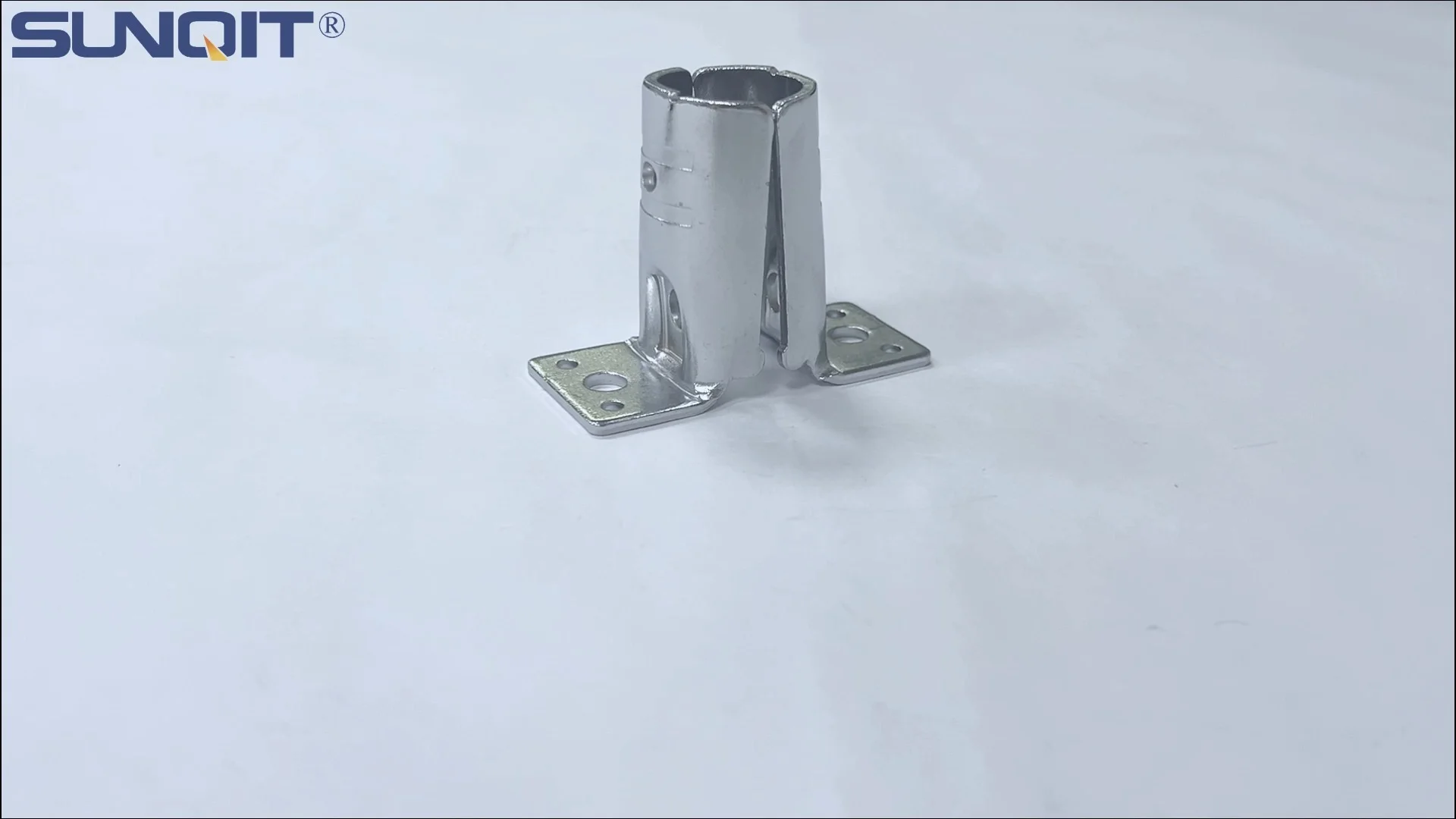
Walk through any well-run production floor, and you'll notice the quiet heroes holding everything together: lean pipe systems. These modular setups—workbenches, flow racks, conveyor lines—are the backbone of efficient manufacturing, assembly, and warehousing. But if you zoom in, there's a smaller component that often gets overlooked, even though it's critical to the whole system: the vertical lean pipe joint chrome. These unassuming connectors do more than just hold pipes together; they keep your workspace stable, your operations flowing, and yes, they add a touch of polish to an otherwise utilitarian setup. The problem? When they're neglected, they don't just lose their shine—they can compromise the entire system's functionality. So let's dive into how to keep these little workhorses in top shape, ensuring your lean system stays efficient, safe, and looking sharp.
First, Let's Get to Know Your Vertical Lean Pipe Joint Chrome
Before we jump into maintenance, let's make sure we're on the same page about what a vertical lean pipe joint chrome actually is. If you've ever assembled a lean pipe workbench or a flow rack, you've probably handled one without even realizing it. These joints are the connectors that link vertical pipes to horizontal ones, forming the sturdy frames that support everything from tool racks to assembly stations. What makes the "chrome" version special? That shiny, mirror-like finish isn't just for show. Chrome plating adds a layer of protection against corrosion, scratches, and wear, while also making the joint easier to clean. Think of it as a suit of armor for your lean pipe system's joints—practical and good-looking.
But here's the thing: these joints don't work in isolation. They're part of a larger ecosystem of "lean pipe and accessories," where every component relies on the next. A loose vertical joint can throw off the alignment of a flow rack, making materials jostle instead of glide. A rusted joint might weaken over time, putting stress on adjacent pipes and casters (those handy wheels that make workbenches mobile). So when you care for your vertical lean pipe joint chrome, you're not just preserving a single part—you're protecting the efficiency of your entire operation.
The Daily Inspection Routine: Catch Issues Before They Grow
Maintenance starts with awareness. You don't need to be a mechanic to keep your vertical lean pipe joints in check—just a few minutes each day to scan for red flags. Think of it like checking your car's tires before a drive: small issues (a nail, low pressure) can turn into big problems (a flat, a blowout) if ignored. Here's what to look for, and how often to look for it:
| Inspection Point | Frequency | What to Check For | Why It Matters |
|---|---|---|---|
| Connection Tightness | Daily (during shift start) | Wobble or play in the joint; pipes that shift when gently pushed | Loose joints compromise stability—imagine a workbench that rocks while you're assembling parts. Over time, this can damage threads or warp pipes. |
| Chrome Surface Condition | Daily (quick visual scan) | Scratches, chips, or discoloration (especially rust spots) | Chrome protects the underlying metal. A scratch is like a crack in a shield—moisture and debris can sneak in, leading to corrosion. |
| Debris Buildup | Daily (wipe down during cleaning) | Dust, grease, or production residue (like metal shavings or adhesive) in crevices | Debris can gunk up moving parts (if your joint swivels) or trap moisture,ing rust. |
| Adjacent Components | Weekly (deeper check) | Wear on connected pipes, bent edges, or damage to nearby accessories (e.g., caster wheels, roller tracks) | A faulty joint can put extra stress on other parts—if a joint is loose, the pipe might rub against a caster, wearing down both. |
| Rotational Smoothness (for swivel joints) | Weekly | Stiffness, grinding, or uneven movement when rotating | Joints that don't move smoothly slow down workflows—think of adjusting a workbench height and struggling with a sticky joint. |
Pro tip: Make this a team effort. Train your floor staff to do a quick "joint check" as part of their daily setup. They're the ones interacting with the equipment most, so they'll likely spot issues before anyone else. A simple checklist posted near workstations can turn casual glances into purposeful inspections.

Cleaning 101: How to Keep That Chrome Sparkling (Without Damaging It)
Let's talk about the elephant in the room: that chrome finish. It looks great when it's clean, but it's surprisingly easy to dull or scratch if you use the wrong tools. The goal here is to remove grime without stripping the chrome or leaving micro-scratches that trap dirt later. Here's how to do it right, whether you're doing a quick wipe or a deep clean.
Daily Cleaning: The "Wipe and Go" Method
For day-to-day upkeep, less is more. Grab a soft, lint-free cloth (microfiber works best—avoid paper towels, which can leave tiny scratches) and a bowl of warm water mixed with a drop of mild dish soap. Gently wipe the entire surface of the vertical lean pipe joint chrome, paying special attention to crevices where dust likes to hide (around the base of the joint, where it meets the pipe). If there's a bit of grease (common in manufacturing settings), a damp cloth with a little baking soda (mixed into a paste) can help cut through it—just rub gently and rinse with a clean, damp cloth afterward.
Avoid these common mistakes: Using abrasive sponges (like steel wool or scouring pads) is a no-go—they'll scratch the chrome faster than you can say "lean system." Harsh chemicals, like bleach or ammonia-based cleaners, are also off-limits; they can eat away at the chrome plating, leaving it dull or pitted. And skip the pressure washer! High-pressure water can force debris into joint crevices or even loosen connections if aimed directly at the joint.
Deep Cleaning: When Grime Won't Budge
Every few weeks (or more often if your workspace is particularly dusty or greasy), give your vertical lean pipe joints a deeper clean. Start by removing any loose debris with a soft brush (a toothbrush works wonders for tight spots). Then, mix equal parts white vinegar and water in a spray bottle—vinegar is a mild acid that cuts through tough grime without harming chrome. Spray the solution onto the joint, let it sit for 5-10 minutes (don't let it dry!), then wipe with a microfiber cloth. For extra shine, follow up with a chrome polish (look for one labeled "non-abrasive")—apply a small amount to a cloth, buff in circular motions, then wipe off excess. Your joints will look like new, and the polish adds a protective layer to repel future dirt.

Lubrication: Keep the Joint Moving (But Not Too Much)
Many vertical lean pipe joints are designed to swivel or rotate, allowing you to adjust the angle of pipes for custom setups (think of a material rack that tilts to feed parts to an assembly line). Over time, friction from movement can wear down the joint's internal components, making rotation stiff or uneven. That's where lubrication comes in—but not all lubricants are created equal, and over-lubing can be just as bad as under-lubing.
Here's the golden rule: Use a silicone-based lubricant. Why? Oil-based lubricants (like motor oil or WD - 40, which is a solvent, not a lubricant!) attract dust and debris, turning your joint into a gritty mess. Silicone spray, on the other hand, repels dust, dries clear, and won't damage the chrome finish. A few examples: 3M Silicone Lubricant or CRC Food - Grade Silicone (great if you're in a food - processing environment). Apply a tiny amount—just a quick spritz or a drop from an applicator bottle—into the joint's moving parts (the area where the joint connects to the pipe, or the pivot point if it swivels). Then, rotate the joint back and forth a few times to distribute the lubricant evenly, and wipe away any excess with a clean cloth. Do this every 2-4 weeks, depending on how often the joint moves—more use means more frequent lube.
Pro tip: If your joint doesn't swivel (some are fixed), you might still need to lubricate the threads where the joint connects to the pipe. A light coating of anti - seize compound (applied sparingly during initial assembly) can prevent threads from seizing up over time, making it easier to disassemble or adjust the system later. Just be careful not to get anti - seize on the chrome surface—it's messy and hard to clean off!
Fighting Corrosion: When Rust Tries to Crash the Party
Chrome is pretty tough, but it's not invincible. If a scratch or chip exposes the metal underneath, moisture, humidity, or chemicals (like cleaning agents with high chloride content) can trigger rust. The key here is to act fast—rust spreads, and once it takes hold, it's hard to reverse. Here's how to tackle it:
Small Rust Spots (Pinhead - Size or Smaller): These are manageable with a little elbow grease. Start by cleaning the area with vinegar (as in the deep cleaning step) to remove any surface dirt. Then, grab a chrome polish that contains mild abrasives (look for ingredients like aluminum oxide—avoid anything labeled "heavy - duty" or "metal grinding"). Apply a tiny amount to a soft cloth and rub the rust spot in small, circular motions. The polish will gently wear away the rust without damaging the surrounding chrome. Wipe clean with a damp cloth, then dry thoroughly. Finish with a coat of chrome wax to seal the area and prevent future rust.
Larger Rust Patches or Pitting: If the rust has eaten through the chrome and into the metal (you'll see small holes or "pits"), this is beyond DIY repair. Continuing to use the joint could be risky—corroded metal weakens the joint's structural integrity. In this case, it's time to replace the joint with a new "lean pipe joint" from a reputable supplier. It might seem like an extra cost, but think of it as insurance: a failed joint could damage expensive equipment or cause an accident, costing far more in the long run.
Prevention is better than cure, of course. To keep rust at bay, make sure your workspace is well - ventilated (to reduce humidity) and clean up spills (especially water or chemicals) promptly. If you're in a particularly humid environment (like a facility near the coast or with frequent temperature swings), consider adding a dehumidifier near critical lean pipe systems. And remember that daily wipe - down we talked about? It's not just for shine—it removes moisture that could lead to rust.
Troubleshooting Common Headaches (And How to Fix Them Fast)
Even with regular maintenance, you might run into a few hiccups. Here are the most common issues with vertical lean pipe joint chrome, and how to solve them:
Issue: The Joint is Loose, but Tightening It Doesn't Help. If you tighten the joint and it still wobbles, the threads on the joint or the pipe might be stripped (damaged, so they no longer grip). Check the threads—if they look flattened, bent, or gunked up with debris, that's the problem. Try cleaning the threads with a small brush (an old toothbrush works) and some rubbing alcohol to remove grime. If they're still stripped, you'll need to replace either the joint or the pipe (whichever is damaged). When replacing, use thread - locking compound (like Loctite Blue) on the new joint's threads to keep it secure without over - tightening.
Issue: The Joint is Stuck (Won't Rotate or Adjust). This is usually due to dried lubricant or debris buildup. Start by cleaning the joint thoroughly (vinegar and a brush), then apply silicone lubricant as described earlier. If it's still stuck, gently tap the joint with a rubber mallet (never a metal hammer—you'll dent the chrome!) while trying to rotate it. The vibration can loosen stuck parts. If all else fails, the joint might be damaged internally (worn pivot points, bent components), and it's time for a replacement.
Issue: The Chrome Finish is Dull, Even After Cleaning. This could be from using abrasive cleaners or cloths, or from exposure to harsh chemicals. Try a deep clean with vinegar, then apply a chrome - specific polish (not a general metal polish) and buff with a microfiber cloth. If that doesn't work, the chrome plating might be thinning (a sign of age or heavy wear). In this case, replacing the joint will give you back that shiny finish—and a more reliable connection.
Long - Term Care: Making Your Joints Last for Years
Maintenance isn't just about fixing problems—it's about preventing them. With a few habits, you can extend the life of your vertical lean pipe joint chrome from "meh" to "many years of reliable service." Here's how:
Invest in Quality from the Start: Not all lean pipe joints are created equal. Cheap, poorly plated chrome joints will scratch and rust faster than high - quality ones. When buying, look for suppliers who specify the thickness of the chrome plating (thicker is better—aim for at least 0.0005 inches) and use durable base metals (like steel with a nickel undercoat for extra corrosion resistance). Reputable "lean pipe supplier" brands often offer warranties on their joints, which is a good sign they stand behind their product.
Train Your Team on Proper Handling: Accidents happen, but many joint - damaging incidents are preventable. Teach staff not to hang heavy tools or materials from vertical pipes (this puts extra stress on joints), and to avoid bumping or hitting joints with equipment (like forklifts or pallet jacks). A simple sign: "Handle with Care—Joints Keep Us Stable!" can go a long way.
Document Maintenance and Replacements: Keep a log of when you cleaned, lubricated, or repaired each joint. Over time, you'll start to see patterns—maybe joints near wash stations need more frequent rust checks, or joints on high - traffic workbenches wear out faster. This data can help you adjust your maintenance schedule and budget for replacements before a joint fails.
Disassemble and Inspect During Overhauls: If you're reconfiguring your lean pipe system (say, rearranging workbenches for a new production line), take the opportunity to disassemble the vertical joints, clean them thoroughly, inspect for wear, and replace any that look iffy. It's easier to address issues when the system is apart than when it's fully assembled and in use.
Wrapping Up: Small Efforts, Big Rewards
At the end of the day, maintaining your vertical lean pipe joint chrome isn't glamorous work. It's wiping, checking, lubing—small, repetitive tasks that don't make headlines. But here's the truth: those small tasks add up to big results. A well - maintained joint stays tight, shiny, and reliable, which means your lean system runs smoother, your workspace looks more professional (important for morale and client visits!), and you avoid costly downtime from unexpected failures.
So the next time you walk past that flow rack or workbench, take a second to look at the vertical joints. Give them a quick wipe, check if they're tight, and maybe even smile—they're doing the hard work, and with a little care from you, they'll keep doing it for years to come. After all, in lean manufacturing, efficiency starts with the details. And your vertical lean pipe joint chrome? It's one detail that's worth every bit of attention.