- Company Articles
- Products and Technology
- Installation And Maintenance
- Maintenance Tips to Extend 2020 Aluminum Profile End Cap Lifespan

Maintenance Tips to Extend 2020 Aluminum Profile End Cap Lifespan
Related Product
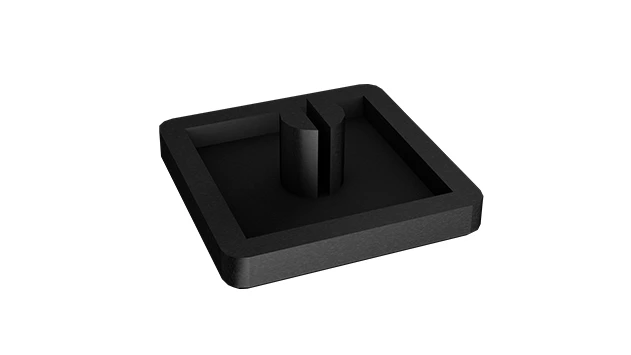
2020 Aluminum Profile End Cap
The aluminum profile end cap adds a finishing touch to your project and closes off profile ends to limit dust and debris buildup, also it can avaid some scratch for material and labor during the assemble work.
Walk into any busy workshop, manufacturing floor, or even a well-organized garage, and you'll likely spot aluminum extrusion profiles hard at work. These sleek, versatile structures form the backbone of workbenches, material racks, assembly lines, and countless other setups. But if you take a closer look at the ends of those profiles, you'll notice small, unassuming components that often get overlooked: end caps. Specifically, the 2020 aluminum profile end cap—a tiny but critical piece that keeps your aluminum extrusion profiles functioning smoothly, safely, and looking sharp. Let's be honest: when was the last time you thought about your end caps? If you're like most people, probably never—until one cracks, falls off, or starts letting in dust and moisture. Suddenly, that "unimportant" part becomes a headache: your workbench starts collecting grime in its hollow sections, the edges feel sharp, and you're left scrambling to find a replacement. But here's the good news: with a little care and attention, you can significantly extend the lifespan of your 2020 aluminum profile end caps. In this guide, we'll break down practical, everyday tips to keep them in top shape—no fancy tools or engineering degrees required.
Why 2020 Aluminum Profile End Caps Matter More Than You Think
Before we dive into maintenance, let's talk about why these small caps deserve your attention. Aluminum extrusion profiles, like the 2020 series, are designed with hollow centers to reduce weight while maintaining strength. That hollow space is great for versatility, but it's also an open invitation for trouble if left uncovered. Enter the 2020 aluminum profile end cap: it's the unsung hero that seals the deal—literally.
First, they protect the internal structure of the aluminum extrusion profile. Without an end cap, dust, metal shavings, and even liquids can seep into the hollow core. Over time, that debris builds up, making the profile harder to clean, heavier, and more prone to internal corrosion. Imagine a material rack in a factory where end caps are missing: oil from machinery drips into the profiles, mixes with dust, and turns into a sticky sludge. Not only is that gross, but it weakens the structural integrity over time.
Safety is another big reason. The raw ends of aluminum extrusion profiles can be surprisingly sharp—think of a freshly cut pipe with burrs. An end cap smooths that edge, preventing cuts and scrapes when workers handle the profiles or lean against them. In busy environments, where people are moving quickly, that small detail can prevent painful accidents.
And let's not forget aesthetics. A workspace with missing or damaged end caps looks unprofessional and careless. Whether you're running a manufacturing plant or a home workshop, pride in your tools and setup matters. End caps give your aluminum extrusion profiles a finished, polished look that says, "We care about the details."
Finally, end caps work hand-in-hand with other aluminum profile accessories, like aluminum profile rubber strips. The rubber strip lines the groove of the profile, and the end cap seals the end, creating a barrier that's even more effective at keeping out moisture and debris. It's a team effort—and if one member (the end cap) fails, the whole system suffers.
The Silent Killers: What Shortens End Cap Lifespan?
To protect your end caps, you need to know what's working against them. Let's break down the most common culprits that turn a perfectly good 2020 aluminum profile end cap into a cracked, loose, or useless piece of plastic (or rubber, depending on the material).
1. Over-tightening During Installation
It's a common mistake: you want the end cap to stay put, so you crank down on the screws or clips as hard as possible. But aluminum extrusion profiles are sturdy, but the end caps themselves are often made of softer materials like plastic or rubber. Over-tightening warps the end cap, creating stress cracks that start small but grow over time. Think of it like over-tightening a lid on a jar—eventually, the lid cracks, and it won't seal anymore.
2. Chemical Exposure
Workshops are full of cleaning agents, lubricants, and solvents. If you're not careful, these chemicals can eat away at end caps. For example, using a harsh degreaser to clean a workbench might splash onto the end caps of the aluminum extrusion profile legs. Over time, that degreaser can break down the plastic, making it brittle or sticky. Even something as simple as spilled motor oil can have the same effect.
3. Environmental Extremes
Aluminum extrusion profiles are tough, but their end caps? Not so much. Extreme temperatures, humidity, and UV exposure can take a toll. In a hot workshop, plastic end caps might soften and lose their shape. In a cold, damp garage, moisture can seep under the end cap and cause the aluminum to corrode, which then expands and cracks the cap from the inside. And if your setup is near a window, UV rays from sunlight can fade and weaken plastic end caps over months of exposure.
4. Rough Handling and Impact
Dropping a profile, bumping a rack into a wall, or even leaning heavy equipment against an end cap can damage it. I once saw a team move a workbench by dragging it across the floor, and the end caps on the legs scraped against concrete until they were worn down to nubs. It's easy to dismiss these small impacts, but they add up—cracks, chips, and loosened fits all start with a little roughhousing.
5. Neglecting Routine Checks
Maybe the biggest killer of end caps is simply forgetting about them. When was the last time you walked around your workspace and checked each end cap? If it's been months (or years), you might already have loose or damaged ones that are letting in debris or compromising safety. Small issues, like a slightly loose end cap, don't fix themselves—they get worse.

5 Practical Maintenance Tips to Make Your End Caps Last
Now that we know what's harming your end caps, let's talk about how to protect them. These tips are simple, actionable, and designed to fit into your regular workflow—no extra time or fancy equipment needed.
Tip 1: Inspect Them (Really Inspect Them) Regularly
Make end cap inspections part of your weekly routine. It doesn't have to take long—grab a flashlight and walk around your workspace, checking each 2020 aluminum profile end cap. Look for cracks, chips, or warping. Gently wiggle the end cap to see if it's loose (it should feel snug, not wobbly). Check the edges for signs of moisture or debris inside the profile—if you see dust or liquid, that end cap isn't sealing properly.
Here's a pro tip: keep a small notebook or phone note to jot down which end caps need attention. For example, "Workbench A, left front leg: end cap cracked." That way, you won't forget by the time you grab your tools. I've seen teams use color-coded stickers—green for good, yellow for loose, red for replace—to make it even easier to spot issues at a glance.
Don't just focus on the obvious ones, either. Check end caps on material racks, conveyor frames, and even small accessories like tool holders. The ones that are out of sight (like under a workbench) are often the first to fail because they're forgotten.
Tip 2: Clean Them Gently (No Scrubbing Brushes!)
Dirt and grime can wear down end caps over time, especially if they're sticky (like oil or grease). But cleaning them the wrong way can do more harm than good. Avoid abrasive tools like steel wool or stiff brushes—they'll scratch the surface of plastic or rubber end caps, making them more likely to trap dirt in the future.
Instead, use a soft cloth or sponge dampened with mild soap and water. Gently wipe the end cap and the area around it. For stubborn spots (like dried-on glue or paint), use a plastic scraper (not metal!) to carefully lift the gunk. If you need a little extra cleaning power, mix a solution of warm water and baking soda—it's gentle but effective at cutting through grease.
After cleaning, dry the end cap thoroughly with a clean cloth. Moisture left behind can seep under the cap and cause corrosion. This is especially important in humid environments—don't skip the drying step!
And remember: avoid harsh chemicals. If you're cleaning the aluminum extrusion profile itself, use a cleaner that's safe for both aluminum and plastic/rubber. Read the label—look for phrases like "non-abrasive" and "safe for plastics." When in doubt, test the cleaner on a spare end cap (if you have one) before using it on your setup.
Tip 3: Tighten (But Don't Over-Tighten) Loose End Caps
Loose end caps are a common problem, but they're easy to fix—if you do it right. Most 2020 aluminum profile end caps are secured with small screws or clips. If you notice a cap wiggling, grab a screwdriver (make sure it's the right size—using a Phillips on a flathead screw will strip it!) and tighten the screw just until it's snug.
Here's the key: stop when you feel resistance. Over-tightening is worse than under-tightening. Plastic end caps can crack under too much pressure, and rubber ones can warp. Think of it like tightening a jar lid—you want it sealed, not crushed. If the screw spins without getting tight, the threads might be stripped. In that case, remove the screw, check for damage, and replace it with a new one (you can find these in aluminum profile accessories kits).
For end caps that use clips instead of screws, gently press around the edges to snap them back into place. If the clip is bent or broken, you'll need to replace the end cap—clips aren't always repairable. But catching it early (during your weekly inspection!) means you can replace just the end cap, not the entire profile.
Tip 4: Protect Them from Impact and the Elements
Prevention is better than cure, so take steps to shield your end caps from harm. Start with handling: when moving aluminum extrusion profiles or structures, lift them instead of dragging. If you have to drag (we've all been there), place a piece of cardboard or a soft cloth under the end caps to reduce friction. For workbenches or racks that stay in place, consider adding floor protectors under the legs—rubber or felt pads that cushion the end caps from impacts and scratches.
Environmental protection is just as important. If your setup is near a window, use UV-resistant end caps (they're usually labeled as such) or apply a clear UV protectant spray (test it first on a hidden end cap to avoid discoloration). In humid areas, add a small packet of silica gel inside the profile (before sealing with the end cap) to absorb moisture. For outdoor setups (yes, some people use aluminum extrusion profiles outside!), look for end caps made of weather-resistant materials like PVC or stainless steel—they'll hold up better against rain and sun.
Chemical exposure can be minimized by storing cleaning agents and solvents away from your aluminum extrusion profiles. If you spill something, wipe it up immediately—don't let it sit on the end caps. And when using lubricants on nearby machinery, cover the end caps with a rag to prevent overspray.
Tip 5: replace Damaged End Caps (Don't Wait!)
Even with the best care, end caps will eventually wear out. When you notice a crack, chip, or looseness that can't be fixed with tightening, replace it right away. Waiting only makes the problem worse—debris gets in, edges get sharper, and you might end up damaging the aluminum extrusion profile itself, which is way more expensive to replace.
When buying replacements, stick with genuine aluminum profile accessories from a reputable supplier. Generic end caps might be cheaper, but they often don't fit as well—too loose, too tight, or made of lower-quality materials that wear out faster. Look for end caps specifically designed for 2020 aluminum extrusion profiles—they'll have the right dimensions and fastening method to seal properly.
Keep a few spare end caps on hand in your workshop. That way, when you spot a damaged one during your weekly inspection, you can replace it immediately instead of waiting for an order to arrive. It's a small investment that saves time and frustration down the line.

A Maintenance Schedule to Keep You on Track
Consistency is key when it comes to end cap maintenance. To make it easy, we've put together a simple schedule you can follow. Stick to it, and your end caps will last for years.
| Task | Frequency | What to Do | Why It Matters |
|---|---|---|---|
| Visual Inspection | Weekly | Walk around your workspace and check each 2020 aluminum profile end cap for cracks, chips, looseness, or debris buildup. | Catches small issues before they become big problems. |
| Gentle Cleaning | Monthly | Wipe end caps with a soft cloth and mild soap/water. Dry thoroughly. | Removes dirt and grime that can wear down the material. |
| Tighten Fasteners | Quarterly | Check screws or clips on end caps and tighten if loose (don't over-tighten). | Prevents end caps from falling off or letting in debris. |
| Check Rubber Strips | Quarterly | Inspect aluminum profile rubber strips for cracks or wear. replace if damaged. | Rubber strips and end caps work together to seal the profile. |
| replace Damaged End Caps | As Needed | Swap out any end caps that are cracked, chipped, or no longer seal properly. | Prevents safety hazards and structural damage to profiles. |
| Deep Clean Profiles | Annually | Remove end caps, vacuum out any debris inside the aluminum extrusion profile, then reattach the end caps. | Keeps internal structure clean and prevents corrosion. |
The Bottom Line: Small Effort, Big Rewards
Maintaining 2020 aluminum profile end caps might seem like a tiny detail in the grand scheme of running a workshop or manufacturing floor. But as we've seen, those tiny details add up. A workspace with well-maintained end caps is safer, cleaner, and more efficient. You'll spend less time replacing damaged profiles, fewer workers will get hurt, and your setup will look professional and cared for.
Think of it this way: a single 2020 aluminum profile end cap costs just a few dollars. Replacing a whole aluminum extrusion profile because debris corroded the inside? That could cost hundreds. And the time lost to fixing avoidable problems? Priceless. By spending a few minutes each week checking your end caps, you're investing in the longevity of your entire setup.
So the next time you're in your workshop, take a minute to look down at those end caps. Give them a gentle wiggle, wipe off any dust, and appreciate the hard work they do. Because when you take care of the small things, the big things take care of themselves.