- Company Articles
- Products and Technology
- Installation And Maintenance
- Maintenance Tips to Extend 40 Aluminum Roller Track Green Lifespan

Maintenance Tips to Extend 40 Aluminum Roller Track Green Lifespan
Related Product
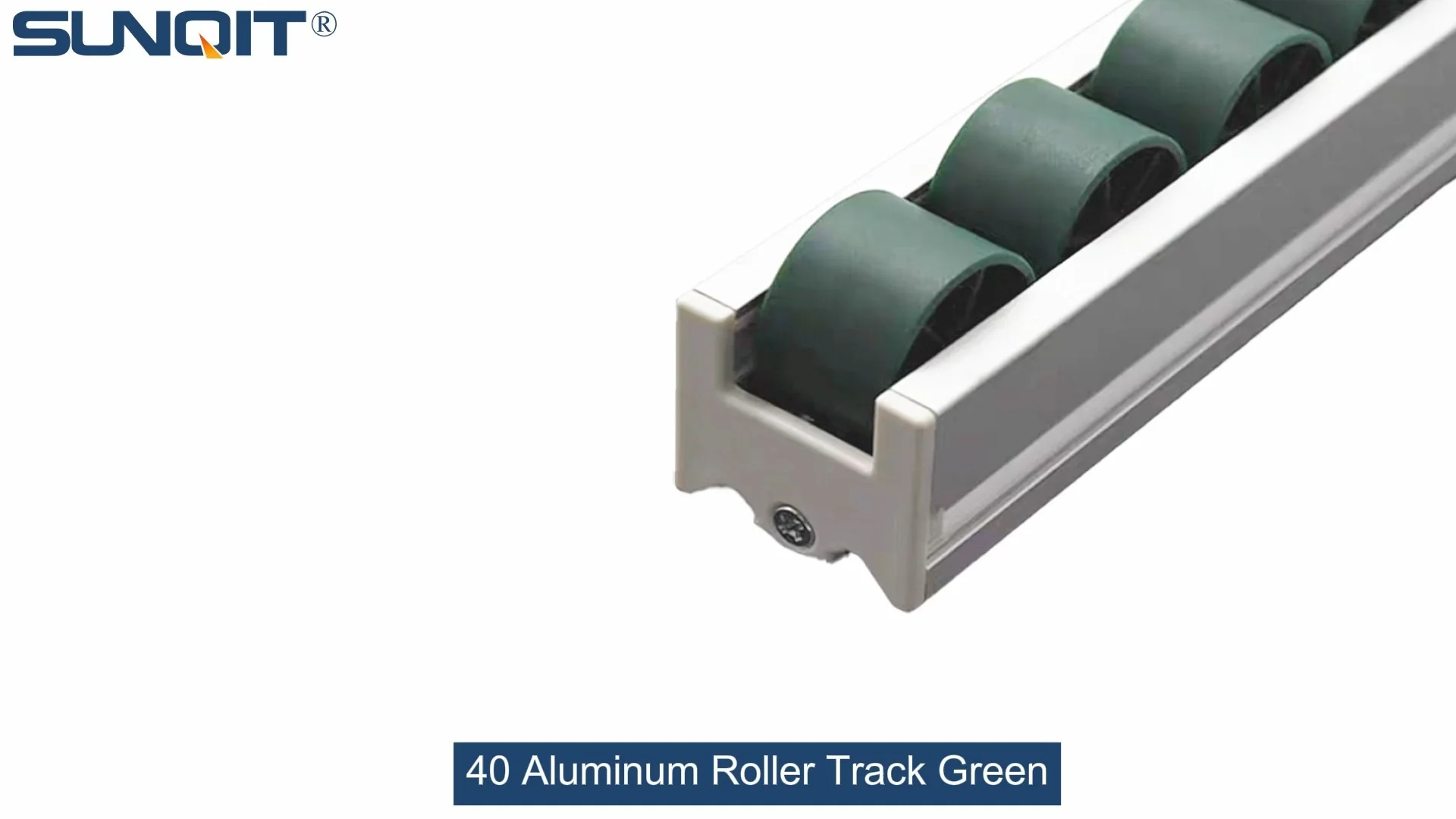
40 Aluminum Roller Track Green
Durable and smooth-running modular roller rails. The system is fully assembled. The roller rail profile contains plastic rollers mounted on steel axles. Aluminum frame with plastic wheel make it anti corrosion,and material convey more smooth.
Maintenance Tips to Extend 40 Aluminum Roller Track Green Lifespan
Hey there, fellow lean system lovers! If you're using the 40 Aluminum Roller Track Green in your production line or flow rack setup, you know how much it keeps your material flow smooth and operations efficient. But like any hardworking tool, it needs regular care to stay in top shape. Skip maintenance, and you'll end up with unexpected downtime, costly repairs, or even needing to replace the entire track sooner than you should. Let's dive into all the practical tips you need to keep this workhorse running strong for years.
Pre-Maintenance Prep: What You'll Need
Before you start, gather these tools to make the job easy and effective:
• Soft microfiber cloths (avoid abrasive materials that scratch the green coating)
• Mild detergent (like dish soap) mixed with warm water
• Silicone-based lubricant (never use oil-based—they attract dust and gum up rollers)
• Adjustable wrench and screwdriver set (for tightening connections)
• Spirit level (to check track alignment)
• Corrosion-resistant spray (matching the green coating color, if needed)
• Gloves (to protect your hands from sharp edges or dirt)
Safety first! Always turn off adjacent power equipment before working on the track. Clear the area around the track to avoid tripping hazards, and wear gloves to prevent cuts from metal edges.
Step-by-Step Maintenance Guide
Maintenance isn't a one-time task—it's a routine. Let's break it down into daily, weekly, monthly, quarterly, and annual checks to cover all bases.
| Frequency | Key Tasks | Pro Notes |
|---|---|---|
| Daily |
1. Visual check for damage (chips, bent rollers, loose parts)
2. Wipe down track to remove dust/debris 3. Spin rollers to ensure free movement |
Do this before your shift starts—catch issues early before they disrupt work. |
| Weekly |
1. Tighten loose bolts/screws on aluminum profile accessories
2. Lubricate roller bearings with silicone oil 3. Check track alignment with a level |
Don't over-tighten bolts—this can strip threads or damage the aluminum profile. |
| Monthly |
1. Deep clean rollers and track gaps with a soft brush
2. Inspect bearings for wear or corrosion 3. Touch up chipped green coating with corrosion-resistant spray |
For deep cleaning, use a toothbrush to get into small gaps between rollers and the track frame. |
| Quarterly |
1. Load test with standard materials to check flow
2. Inspect supporting aluminum profile for warping 3. Check for corrosion on uncoated areas |
Load test with the same weight you use daily—this simulates real-world use and reveals hidden issues. |
| Annual |
1. Full disassembly (if heavily used) to clean each part
2. replace worn-out rollers or bearings 3. Re-align and re-install the track 4. Keep a maintenance log for future reference |
Use this time to replace any non-genuine parts with original ones from a trusted lean pipe supplier. |
Daily Maintenance: Quick Checks for Smooth Operations
Daily checks are fast but critical. Start with a visual scan: look for chips in the green coating, bent rollers, or loose aluminum profile accessories like brackets or joints. Next, wipe the track with a dry cloth to remove dust or small debris—even a tiny piece of dirt can make a roller stick. Finally, spin a few rollers to ensure they turn freely. If any are stuck, mark them so you can fix them later.
Weekly Maintenance: Keep Connections Tight & Rollers Lubricated
Weekly tasks take a bit more time but prevent big problems. First, tighten any loose bolts or screws on the track's frame. Vibration from daily use can loosen these, so a quick check with a wrench goes a long way. Next, lubricate the roller bearings—apply a small drop of silicone lubricant to each bearing, then spin the roller to spread it evenly. Avoid oil-based lubes; they attract dust and create a sticky mess that slows rollers down. Finally, use a level to make sure the track is straight—uneven tracks cause materials to get stuck or slide off.
Monthly Maintenance: Deep Clean & Fix Small Issues
Monthly maintenance is about deep cleaning and fixing minor issues before they grow. Mix mild detergent with warm water and use a soft brush to scrub the track and rollers. Pay attention to gaps between rollers where dirt builds up. Rinse with clean water and dry thoroughly—moisture can cause corrosion if the green coating is chipped. Next, check bearings for wear: if a roller is stuck even after cleaning, remove it and look at the bearing. If it's rusty or worn, replace it with a new one. Finally, touch up any chipped green coating—this protects the aluminum from corrosion.
Quarterly Maintenance: Test Performance & Inspect Structure
Quarterly checks ensure your track can handle heavy use. Load test it with the materials you usually move—if the flow is slow or uneven, you might have a bent roller or misaligned track. Next, inspect the supporting aluminum profile: look for warping or bending. If you find any, reinforce it with extra aluminum profile accessories or replace the damaged part. Finally, check for corrosion on areas where the green coating is missing—clean the spot and apply a protective spray to stop it from spreading.
Annual Maintenance: Full Overhaul for Longevity
Once a year, give your track a full overhaul. If it's heavily used, disassemble it to clean every part. replace any worn-out rollers, bearings, or joints—use original parts from a reliable lean pipe supplier to ensure compatibility. Reinstall the track and align it properly. Test it with a load to make sure everything works smoothly. Keep a log of all repairs and replacements—this helps you plan future maintenance and track the track's lifespan.
Troubleshooting Common Problems
Stuck Rollers
Causes: Dust in bearings, lack of lubrication, or bent rollers. Fixes: Clean bearings with a brush and lubricate; if the roller is bent, replace it (don't try to straighten it—this weakens the metal).
Loose Connections
Causes: Vibration from daily use. Fixes: Tighten bolts with a wrench; add lock washers to prevent them from loosening again.
Uneven Track
Causes: Warped supporting profile or loose legs. Fixes: Adjust the legs to level the track; reinforce the profile with extra brackets.
Corrosion
Causes: Chipped green coating and moisture. Fixes: Clean the area with mild detergent; apply corrosion-resistant spray to the chipped spot.
Pro Tips for Longer Lifespan
Here are some extra tips to get the most out of your 40 Aluminum Roller Track Green:
• Train your team: Teach operators to do daily checks—they're the first to notice issues like stuck rollers.
• Use genuine parts: Cheap non-genuine parts wear out fast and can damage your track. Always buy from a trusted lean pipe supplier.
• Avoid heavy impacts: Don't drop heavy materials on the track—this bends rollers or warps the frame.
• Store properly: If you need to store the track, keep it in a dry, cool place away from direct sunlight. Cover it with a cloth to prevent dust.
When to replace vs. Repair
Knowing when to repair or replace parts saves you time and money:
• Repair: Minor chips in the coating, loose connections, or stuck rollers with fixable bearings.
• replace: Bent rollers, warped aluminum profile, severely corroded parts, or bearings that are worn out beyond repair.
For example, if a roller is bent, replacing it is better than trying to fix it—bent rollers will break again under load. If the supporting profile is warped, it's time to replace it to keep the track aligned.
Final Thoughts
Taking care of your 40 Aluminum Roller Track Green isn't rocket science—it's about regular, simple tasks that keep it running smoothly. By following these tips, you'll extend its lifespan, reduce downtime, and keep your lean system efficient. Remember, maintenance is an investment in your equipment and your business. So, make it a part of your routine, and you'll see the benefits for years to come.