- Company Articles
- Products and Technology
- Installation And Maintenance
- Maintenance Tips to Extend 40 Steel Roller Track White Wheel Lifespan

Maintenance Tips to Extend 40 Steel Roller Track White Wheel Lifespan
Related Product
40 Steel Roller Track White Wheel
The roller track can be installed with multiple accessories to create different slopes and configurations of flow racks.All steel conveyor 40 roller track accessories are engineered to perfectly fit the sliding rail.
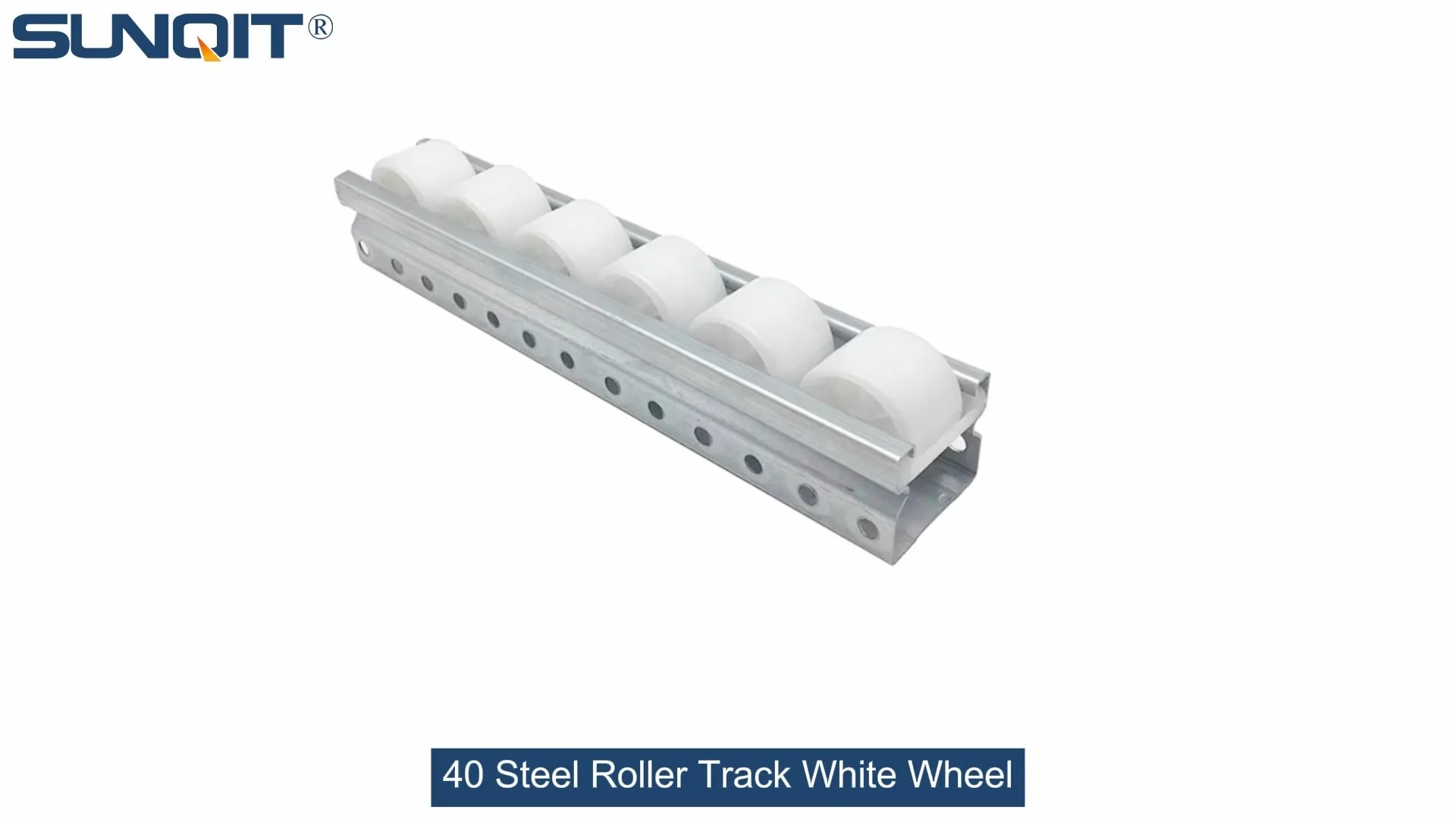
Picture this: You're walking through a busy production assemble line. Conveyors hum, workers focus on their tasks, and materials glide smoothly from one station to the next. At the heart of this seamless flow? The 40 steel roller track with white wheels. These unassuming components might not grab headlines, but they're the unsung heroes keeping your operations moving. When they work well, you barely notice them. But when they fail? Downtime, delays, and frustration follow. That's why taking care of them isn't just "maintenance"—it's part of a smart lean solution that keeps your workflow efficient and your costs in check.
Whether you're running a small workshop or a large-scale manufacturing plant, these roller tracks are investments worth protecting. With the right care, you can double their lifespan, reduce replacement costs, and keep your production line running like a well-oiled machine. Let's dive into the practical, no-nonsense tips that'll help you do just that.
Why Bother with Maintenance? Let's Get Real
You might be thinking, "We're swamped with production targets—who has time for extra maintenance?" Here's the thing: Neglecting your roller tracks now will cost you way more later. A stuck wheel can bring an entire section of your line to a halt. Worn-out components mean frequent replacements, which eat into your budget. And let's not forget the safety risks—unstable tracks or loose parts could lead to accidents.
But it's not all about avoiding problems. Good maintenance is part of that lean solution mindset we all strive for. It's about preventing waste (like unnecessary replacements), improving efficiency (fewer delays), and making your equipment work for you, not against you. So let's stop reacting to breakdowns and start getting proactive.
Daily Check-Ups: Your First Line of Defense
You don't need a fancy toolkit for this—just a few minutes each shift and a keen eye. Think of it like checking your car before a road trip: small, simple steps that catch issues early.
1. Visual Inspection: What to Look For
Start by walking alongside the roller track. Get down to eye level if you have to—you're looking for signs of trouble that might hide from a quick glance.
- Wheel Wear: The white wheels should have a smooth, even surface. If you see cracks, chunks missing, or uneven flattening (like a "flat spot" from sitting too long), that's a red flag. Worn wheels don't roll straight, which causes friction and drag.
- Track Alignment: The steel track itself should be straight and secure. Are there any bends, dents, or gaps between sections? A misaligned track forces wheels to work harder, wearing them out faster.
- Loose Connections: Check where the track attaches to frames or aluminum profile accessories (like brackets or supports). If bolts are wiggly or brackets are bent, the track might shift during operation—hello, jamming and noise.
- Debris Buildup: Even small stuff like metal shavings, plastic bits, or dust can get trapped between wheels or under the track. Over time, this acts like sandpaper, grinding down components.
2. Quick Function Test: Does It Roll Like It Should?
Visual checks are great, but nothing beats a hands-on test. Grab a lightweight container (like the ones you use on the line) and slide it along the track. It should move smoothly, with no jerking or stopping. Listen closely—any squeaking, grinding, or "clunking" sounds mean something's off. A little noise is normal, but sudden or loud sounds? Investigate immediately.
| Check Item | How Often? | What to Do If You Find Issues |
|---|---|---|
| Wheel wear & cracks | Every shift (start/end) | Mark for replacement; use spare wheels temporarily |
| Track alignment | Daily (morning) | Tighten loose bolts; gently bend back minor dents |
| Debris buildup | Hourly (during breaks) | Sweep or vacuum; use compressed air for tight spots |
| Rolling smoothness | Each shift (random test) | Clean or lubricate; check for trapped debris |

Cleaning: It's Not Just About Looking Nice
Let's talk about dirt. It's the enemy of moving parts, and your roller track is no exception. But cleaning isn't just wiping with a rag—there's a right way to do it, depending on what's gunking things up.
Dust & Light Debris: Keep It Simple
For everyday dust or loose particles, a soft-bristle brush or a shop vac with a narrow nozzle works best. Brush along the gaps between wheels and under the track—don't just focus on the top. If you're using a vac, hold the nozzle close to avoid blowing debris further into the mechanism.
Oil & Grease: Break It Down Gently
Oil leaks from machinery or greasy fingerprints can build up on wheels and tracks, attracting more dust. Here's the trick: Use a mild, non-corrosive cleaner (like dish soap mixed with warm water) and a microfiber cloth. Dip the cloth in the solution, wring it out well (you don't want excess water), and wipe the wheels and track surfaces. Avoid harsh chemicals—they can damage the wheel material or strip away protective coatings.
Stubborn Grime: A Little Elbow Grease
Sometimes you'll get caked-on debris, like dried coolant or metal chips. For this, use a plastic scraper (never metal—you'll scratch the track!) to gently lift off the gunk, then follow with the soapy cloth. If it's really stuck, a toothbrush (soft-bristle!) can get into tight corners. Rinse with a damp cloth afterward to remove any cleaner residue.
Pro tip: Don't use high-pressure water or steam cleaners. They can force water into wheel bearings, causing rust, or loosen small components. Stick to manual methods—they're safer and just as effective.

Lubrication: Keep the Roll in Roller Track
Ever tried sliding a heavy box across a rough floor? That's what your roller track feels like without proper lubrication. Friction wears down parts fast, so keeping moving components greased up is non-negotiable.
Know Your Lubricants: Not All Grease Is Created Equal
For 40 steel roller track white wheels, lithium-based grease or light machine oil works best. Avoid thick greases—they attract dust and turn into a gritty paste. If your track is in a clean environment (like a medical device assembly area), silicone-based lubricants are a good choice—they're non-toxic and won't stain. Check the wheel bearings first; some might have sealed bearings (no need to lubricate) while others have open ones (needs regular greasing).
How to Lubricate Like a Pro
- Clean First: You don't want to trap dirt under the lubricant. Wipe the wheel axles and track joints with a clean cloth before applying.
- Focus on the Right Spots: The main points are the wheel bearings (where the wheel meets the axle) and the track's connecting joints. A little goes a long way—too much grease will ooze out and attract debris.
- Apply with Precision: Use a grease gun with a narrow nozzle or a small oil can for accuracy. For bearings, apply a tiny dab (about the size of a pea) and spin the wheel by hand to work the grease in. For joints, a drop or two of oil is enough.
- Wipe Excess: After lubricating, wipe off any extra with a clean cloth. You want a thin, even layer—not globs.
When to Lubricate: Timing Matters
How often? It depends on usage. If your track runs 24/7, lubricate every 2 weeks. For 8-hour shifts, once a month is usually enough. But keep an eye (and ear) out—if you start hearing squeaks or feel resistance, it's time to lube sooner. In dusty or humid environments, shorten the interval—dust acts like sandpaper, wearing off lubricant faster.

Replacing Parts: Know When to Let Go
Even with perfect care, parts wear out. The key is to replace them before they cause bigger problems. Here's how to spot when it's time, and how to do the job right.
Signs It's Time for New Wheels
- The wheel surface is cracked, chipped, or has deep grooves.
- Wheels wobble when spinning (a sign of bent axles or worn bearings).
- They don't roll freely, even after cleaning and lubricating.
- Uneven wear—one side is flatter than the other (causes tracking issues).
Swapping Out Wheels: A Step-by-Step Guide
You don't need to be a mechanic for this. Here's how to do it in 5 easy steps:
- Lock the Track: If the track is part of a moving system (like a conveyor), turn off power and lock it out to prevent accidental movement.
- Remove the Old Wheel: Most wheels are held on by a cotter pin, snap ring, or small bolt. Use pliers (for cotter pins) or a screwdriver (for bolts) to loosen and remove the fastener. Slide the wheel off the axle.
- Clean the Axle: Wipe the axle with a cloth to remove rust or debris. If it's bent or rusted, replace the axle too—no sense putting a new wheel on a bad axle.
- Install the New Wheel: Slide the new wheel onto the axle. Make sure it sits flush—no gaps. Reinstall the fastener, tightening it just enough to hold the wheel in place (over-tightening can bend the axle or damage the wheel).
- Test Roll: Spin the wheel by hand. It should turn smoothly, with no wobbling. If it's tight, check if the fastener is too tight or if the wheel is misaligned.
Pro tip: Always use replacement parts from your original supplier (like the team who provided your lean solution). Generic parts might not fit right—wrong size, poor quality materials—and end up causing more issues than they solve. It's worth the extra cost for peace of mind.
Don't Forget the Small Stuff: Aluminum Profile Accessories & More
Wheels aren't the only parts that need love. Check aluminum profile accessories like brackets, connectors, and end stops regularly. If a bracket is bent, it can pull the track out of alignment. Loose connectors? They cause the track to shift, leading to jams. replace these small parts as soon as you notice damage—they're cheap, and ignoring them leads to bigger, costlier fixes.
Environment Control: Set Your Track Up for Success
Your roller track's lifespan isn't just about what you do to it—it's also about where it lives. A dirty, humid, or extreme-temperature environment is like a slow poison for machinery. Let's talk about how to make your track's "home" as friendly as possible.
Dust & Debris: Keep It Clean
Dust is enemy number one. If your track is in an area with lots of airborne particles (like a metalworking shop), install simple dust covers—clear plastic sheets or curtains that shield the track but still let you see what's moving. For open tracks, a weekly deep clean (as we talked about earlier) is a must. You can also place small brushes along the track edges to sweep debris off as materials move—think of it like a doormat for your conveyor.
Humidity & Moisture: Rust Is a Killer
Steel tracks and moisture don't mix. If your facility is humid (like a food processing plant or a workshop in a rainy climate), use a dehumidifier near the track. For extra protection, wipe down the steel track with a dry cloth at the end of each shift. If you see any signs of rust (orange spots), treat it immediately: sand off the rust with fine-grit sandpaper, wipe clean, and apply a thin coat of rust-preventive spray (like WD-40 Specialist Long-Term Corrosion Inhibitor).
Temperature Extremes: Keep It Stable
Extreme heat can cause lubricants to break down, while freezing cold makes them thick and ineffective. If your track is near ovens, furnaces, or air conditioners, insulate the track or move heat sources away. Aim for a consistent temperature between 15°C and 30°C (59°F to 86°F)—your track (and your workers!) will thank you.
Troubleshooting: Fix Common Problems Fast
Even with great maintenance, things go wrong. The good news? Most roller track issues are easy to fix if you know what to look for. Let's troubleshoot the three most common headaches.
Problem 1: The Track Is Jamming
Nothing stops production like a stuck conveyor. Here's how to fix it:
- Check for debris: Look under and between wheels—often a small screw, piece of plastic, or metal shard is the culprit. Remove it with tweezers or a brush.
- Inspect wheel height: If one wheel is higher than others, materials will catch. Use a level to check—adjust the axle height or replace the wheel if it's worn unevenly.
- Lubricate: Sometimes jamming is just friction. Give the wheels and joints a quick lube—you'd be surprised how often this solves the problem.
Problem 2: It's Making a Racket
Squeaks, grinding, or thumping sounds are your track's way of yelling for help. Try these fixes:
- Tighten loose parts: Walk the track and wiggle brackets, connectors, and wheels. If anything moves, tighten it with a wrench or screwdriver.
- replace worn wheels: A wheel with a flat spot or cracked bearing will make a "thumping" sound as it rolls. Swap it out for a new one.
- Align the track: If the track is bent or shifted, materials rub against edges, causing squeaks. Straighten brackets or adjust supports to realign the track.
Problem 3: Materials Are (Running Off Track)
When boxes or parts start sliding to one side, it's usually due to:
- Uneven track height: Use a level to check if one side of the track is higher than the other. Adjust the supports to level it out.
- Worn wheels: If wheels on one side are more worn, they'll roll slower, pulling materials off course. replace wheels in sets (left and right) for even wear.
- Loose guides: Side guides keep materials centered. If they're bent or loose, tighten or replace them.
Long-Term Maintenance: Think Lean, Think Sustainable
We've covered daily checks, cleaning, lubrication, and fixes—but great maintenance isn't just about reacting. It's about planning for the long haul, which fits right into the lean solution mindset of continuous improvement.
Build a Maintenance Calendar
Create a simple calendar (digital or paper) that marks when to do daily checks, weekly cleans, monthly lubrication, and quarterly deep inspections. Assign specific team members to each task—accountability makes sure things don't get skipped. Even better, train your production line workers to do basic checks during their shifts—they're the ones using the track every day, so they'll notice issues first.
Keep a Maintenance Log
Write down what you did, when, and any issues you found. Over time, you'll spot patterns—like "we always need to replace wheels in this section every 6 months" or "dust builds up faster on night shifts." Use this data to adjust your maintenance plan. Maybe that dusty section needs a better dust cover, or those wheels need a more durable material. This is lean thinking in action—using data to make smarter, more efficient choices.
Train Your Team
You don't need a maintenance degree to keep a roller track running. Hold short, monthly training sessions to teach your team:
- How to spot common issues (worn wheels, loose brackets).
- How to do a quick clean or lubrication.
- When to report a problem (and who to tell).
Empowering your team to take ownership of the track's care makes maintenance a team effort—not just "the maintenance guy's job."
Wrapping It Up: Your Track, Your Productivity, Your Success
At the end of the day, your 40 steel roller track white wheel is more than just metal and plastic. It's a critical part of your production assemble line, a silent partner in meeting deadlines, and a key player in your lean solution. Taking care of it isn't just about extending its lifespan—it's about keeping your entire operation running smoothly, reducing waste, and making sure every day at work is productive, not frustrating.
So grab that brush, check those wheels, and set up that maintenance calendar. Your track will roll longer, your team will thank you, and your bottom line will show the difference. Here's to smoother production, fewer headaches, and a roller track that goes the distance!