- Company Articles
- Products and Technology
- Installation And Maintenance
- Maintenance Tips to Extend Lifespan of 60 Aluminum Roller Track White

Maintenance Tips to Extend Lifespan of 60 Aluminum Roller Track White
Related Product
60 Aluminum Roller Track White
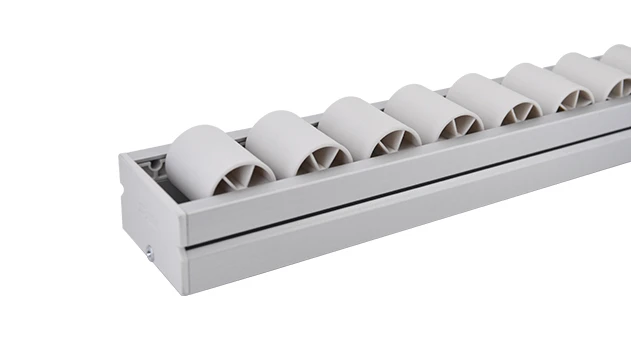
Modular system roller tracks aluminum gravity roller tracks are an excellent solution for transporting materials within industrial environments, warehouses and distribution centres.
Maintenance Tips to Extend Lifespan of 60 Aluminum Roller Track White
Why Does This Roller Track Matter for Your Operations?
If you're running a manufacturing line or warehouse, chances are you've relied on a 60 aluminum roller track white at some point. This track isn't just a piece of metal—it's a workhorse in lean systems, moving parts smoothly through conveyors, assembly stations, and storage areas. Its white finish isn't just for looks; it makes dirt and debris easy to spot, and the aluminum build means it's lightweight yet sturdy enough to handle daily wear. But like any hardworking tool, it needs regular care to keep performing at its best. Neglecting maintenance can lead to jammed rollers, uneven movement, and even costly downtime. Let's break down everything you need to know to keep your track in top shape for years.
Quick Reference: Maintenance Schedule
| Frequency | Key Tasks | Tools Needed |
|---|---|---|
| Daily | Visual debris check, roller movement test, loose connector tightening | Soft brush, small wrench, cotton gloves |
| Weekly | Mild detergent cleaning, roller gap deep clean | Warm water, mild soap, soft cloth, cotton swabs |
| Monthly | Bearing inspection, connector stability check, aluminum profile dent check | Level tool, bearing lubricant sample, wrench |
| Quarterly | Roller bearing lubrication, track alignment check | Silicone-based oil, lubrication pen, level |
| Half-Yearly | Full track leveling, section alignment adjustment | Adjustable wrench, level, shims (if needed) |
| Annual | Worn part replacement, structural integrity check | Replacement rollers, new connectors, inspection mirror |
1. Daily Maintenance: Start Your Shift Right
Daily checks are quick but critical—they catch small issues before they turn into big problems. Here's what to do every morning before you start operations:
Debris Check:
Run your gloved hand along the length of the track. Look for any dirt, dust, or small parts stuck between the rollers or on the aluminum profile surface. Even a tiny piece of plastic can jam a roller, so don't skip this step. Use a soft brush to sweep away any debris—avoid metal brushes, as they can scratch the white finish and damage the aluminum.
Roller Movement Test:
Gently spin each roller with your finger. It should rotate freely without any grinding or resistance. If a roller feels stiff, mark it with a piece of tape—you'll need to check it later for bearing issues.
Connector Tightening:
Check all the connectors holding the track sections together (like the 40 fluent flat joint if you're using it). Use a small wrench to tighten any loose bolts, but don't over-tighten—aluminum is soft, and too much force can strip the threads or bend the profile.
Pro Tip: Keep a small maintenance kit near the track—including a brush, wrench, and tape—so you can do these checks quickly without running around for tools.
2. Weekly Deep Clean: Keep It Shiny and Smooth
Daily checks remove surface debris, but weekly cleaning gets rid of built-up grime that can affect performance. Follow these steps:
Surface Cleaning:
Mix a few drops of mild dish soap with warm water. Dip a soft cloth into the solution and wring it out (you don't want dripping water). Wipe the entire track surface, including the sides of the aluminum profile. Pay extra attention to the white areas—stains here are easy to see, so make sure to scrub gently if needed. Avoid harsh chemicals like bleach or ammonia; they can discolor the white finish and corrode the aluminum.
Roller Gap Cleaning:
Use a cotton swab dipped in the soapy water to clean the gaps between the rollers and their axles. This is where dust and grease tend to build up, so take your time. After cleaning, dry the gaps with a dry cotton swab to prevent water from seeping into the bearings.
Drying:
Once you're done cleaning, use a dry soft cloth to wipe the entire track again. Water spots can leave marks on the white finish, so make sure everything is completely dry before using the track again.
3. Monthly Component Check: Catch Issues Early
Every month, take a deeper look at the track's components to ensure they're in good shape:
Bearing Inspection:
For rollers that were stiff during daily checks, remove them from the track (if possible) and check the bearings. If the bearing is rusty (unlikely for aluminum, but possible if exposed to moisture) or worn, you'll need to replace it. If it's just dry, lubrication will help (we'll cover that in the quarterly section).
Connector Stability:
Recheck all connectors. Over time, vibrations from daily use can loosen bolts, so make sure they're still tight. If a connector is damaged (cracked or bent), replace it with a new one from your roller track accessories stock.
Aluminum Profile Check:
Look for any dents or bends in the profile. Even a small dent can cause rollers to misalign, leading to uneven movement of items. If you find a dent, try to gently straighten it with a rubber mallet—don't use a metal hammer, as it will damage the surface.
4. Quarterly Lubrication: Keep Rollers Spinning Freely
Lubrication is key to keeping rollers moving smoothly. Do this every three months:
Choose the Right Lubricant:
Use a light, silicone-based oil—avoid petroleum-based lubricants, as they can attract dust and debris. Silicone oil is non-corrosive and won't damage the aluminum or the white finish.
Apply Lubricant:
For each roller, apply a single drop of oil to the bearing area (where the roller meets the axle). Then spin the roller gently to distribute the oil evenly. Don't apply too much oil—excess oil will drip onto the track and attract dirt, which defeats the purpose of lubrication.
Clean Excess Oil:
If you accidentally apply too much oil, use a dry cotton swab to wipe away the excess. This will keep the track clean and prevent slips.
5. Half-Yearly Alignment: Ensure Perfect Level
Over time, the track can shift out of alignment due to heavy use or changes in the floor. Every six months, check the alignment:
Level Check:
Place a level tool on the track surface. If it's not horizontal, adjust the support legs (if your track uses adjustable leveling feet). Turn the feet clockwise or counterclockwise until the track is level.
Section Alignment:
Check the gaps between track sections. There should be no visible gaps, and the sections should line up perfectly. If there's a gap, adjust the connectors to bring the sections together. Misaligned sections can cause items to get stuck or fall off the track.
6. Annual Overhaul: replace Worn Parts
Once a year, do a full overhaul to replace any worn parts and ensure the track's structural integrity:
replace Worn Rollers:
Any rollers that are cracked, bent, or don't spin freely even after lubrication should be replaced. Use new rollers from your roller track accessories inventory—make sure they're compatible with the 60 aluminum profile.
replace Damaged Connectors:
If any connectors are cracked or stripped, replace them. This will keep the track sections stable and prevent accidents.
Structural Check:
Inspect the entire track for signs of fatigue. Look for cracks in the aluminum profile or any areas where the track is bending under pressure. If you find any structural damage, replace that section of the track immediately—using a damaged track can lead to safety hazards.
7. Troubleshooting Common Issues
Even with regular maintenance, you might run into issues. Here's how to fix the most common problems:
Issue: Rollers Are Jammed
Causes: Debris stuck in the bearing; dry bearing; bent roller.
Solutions: Remove debris with a cotton swab; apply lubricant; replace the bent roller with a new one from roller track accessories.
Causes: Debris stuck in the bearing; dry bearing; bent roller.
Solutions: Remove debris with a cotton swab; apply lubricant; replace the bent roller with a new one from roller track accessories.
Issue: Items Move Unevenly
Causes: Track not level; misaligned sections; some rollers not spinning.
Solutions: Adjust leveling feet; realign track sections; lubricate or replace stuck rollers.
Causes: Track not level; misaligned sections; some rollers not spinning.
Solutions: Adjust leveling feet; realign track sections; lubricate or replace stuck rollers.
Issue: White Finish Is Scratched
Causes: Metal tools used for cleaning; heavy items dragged across the track.
Solutions: For small scratches, use a mild aluminum polish to buff them out. For deeper scratches, you can touch up the white finish with a matching paint (make sure it's compatible with aluminum).
Causes: Metal tools used for cleaning; heavy items dragged across the track.
Solutions: For small scratches, use a mild aluminum polish to buff them out. For deeper scratches, you can touch up the white finish with a matching paint (make sure it's compatible with aluminum).
Issue: Track Is Wobbly
Causes: Loose connectors; damaged support legs.
Solutions: Tighten all connectors; replace damaged support legs.
Causes: Loose connectors; damaged support legs.
Solutions: Tighten all connectors; replace damaged support legs.
8. Storage Tips (If Not In Use)
If you need to store the track for a long time, follow these tips to keep it in good shape:
Clean Thoroughly:
Before storing, clean the track completely and dry it to prevent mold or rust (though aluminum is rust-resistant, moisture can cause surface oxidation).
Store in a Dry Place:
Keep the track in a cool, dry area away from direct sunlight. Sunlight can fade the white finish over time.
Stack Properly:
If you're stacking multiple track sections, place a soft cloth between each section to prevent scratches. Don't stack too many sections—heavy weight can bend the aluminum profile.
Final Thoughts: Maintenance Is An Investment
Taking care of your 60 aluminum roller track white isn't just about keeping it clean—it's about protecting your investment and ensuring your operations run smoothly. A well-maintained track lasts longer, reduces downtime, and aligns with the lean system of sustainability (since you don't have to replace it as often). By following these tips, you can extend the lifespan of your track by years, saving you time and money in the long run. Remember: Small, regular checks are better than big, costly repairs later. So grab your brush and wrench, and give your track the care it deserves!