- Company Articles
- Products and Technology
- Installation And Maintenance
- Maintenance Tips to Extend Lifespan of End Support for Roller Track Placon Mount with Wheel

Maintenance Tips to Extend Lifespan of End Support for Roller Track Placon Mount with Wheel
Related Product
End Support for Roller Track Placon Mount with Wheel
End support for roller track placon mount with wheel,the special design with end wheel,make it with more flexible function for roller track and pipe connection and give more option for selection for building flow rack system.
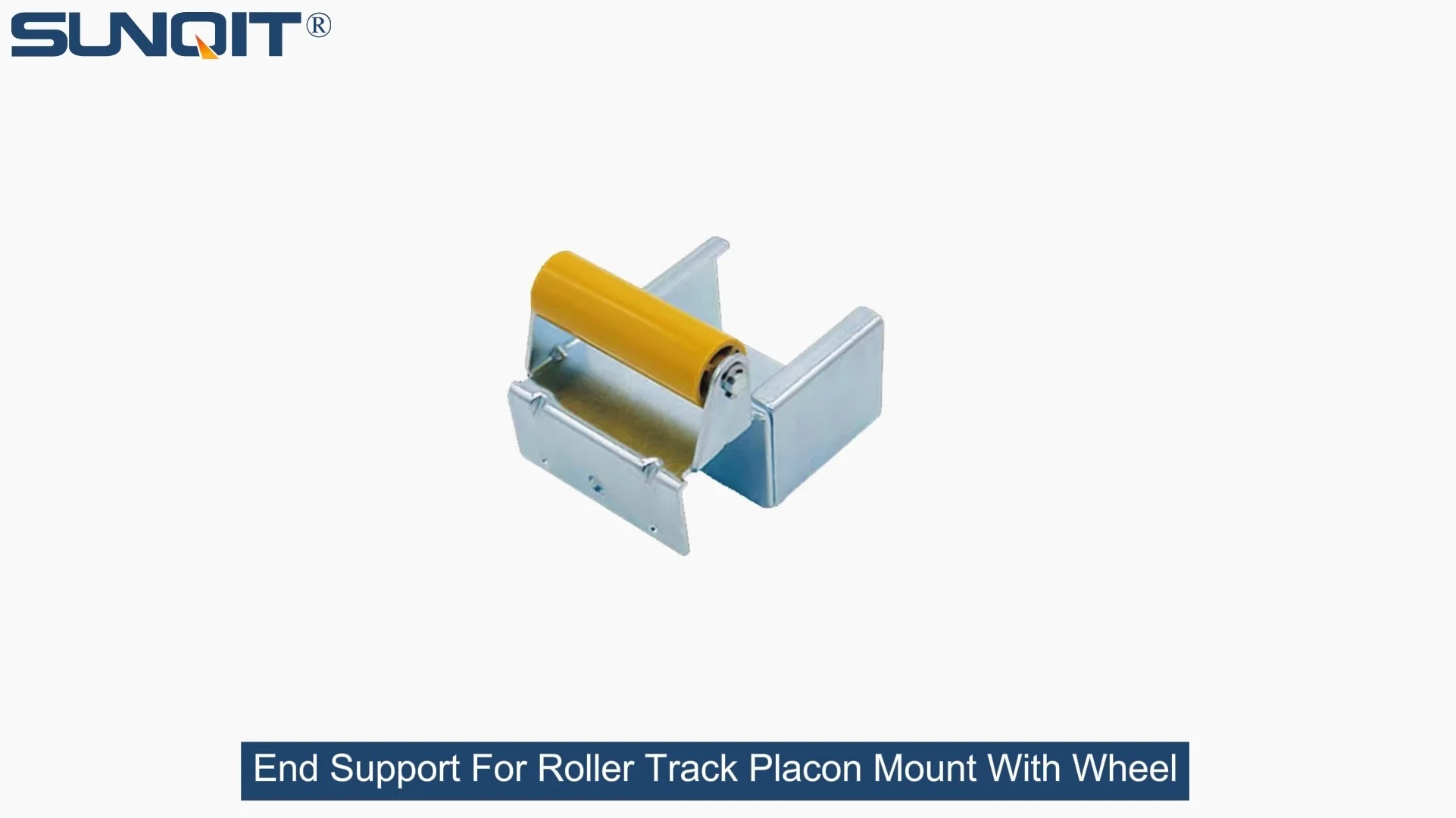
If you've ever walked through a busy manufacturing floor, you know how crucial every component of your production line is. From the conveyor belts humming along to the workbenches where your team assembles products, each part plays a role in keeping operations smooth. Today, we're zooming in on a small but mighty component: the end support for roller track placon mount with wheel . These unassuming parts might not get much attention, but they're the backbone of your roller track system—keeping materials flowing, reducing friction, and ensuring your lean system runs like a well-oiled machine. Let's dive into practical, everyday maintenance tips that will help these end supports last longer, save you money on replacements, and keep your production line moving without unnecessary hiccups.
Why End Supports Matter in Your Lean System
Before we jump into the "how," let's talk about the "why." Think about your roller track as a highway for materials—raw parts, semi-finished products, and even final goods all travel along it every day. The end supports are like the guardrails and (bridge piers) of this highway. They keep the track stable, prevent sagging under heavy loads, and ensure the wheels roll smoothly without wobbling. When an end support fails, it's not just a minor inconvenience: a wobbly track can cause products to get stuck, damage sensitive items, or even lead to downtime while you fix it. And in a lean operation, downtime is the enemy. Every minute your line is paused eats into productivity and profits. That's why taking care of these end supports isn't just about maintenance—it's about protecting your entire lean system 's efficiency.
Plus, let's not forget about cost. Replacing end supports and their components (like wheels or connectors) isn't cheap, especially if you have to do it frequently. By extending their lifespan, you're not only reducing replacement costs but also avoiding the hidden expenses of downtime: missed deadlines, overtime pay to catch up, and the stress on your team when the line isn't moving. So, let's treat these end supports like the valuable assets they are.
Daily Inspection: The First Line of Defense
Start Your Day with a Quick Visual Check
You don't need to be a maintenance expert to do this—anyone on your team can take 5 minutes at the start of their shift to give the end supports a once-over. Here's what to look for:
- Loose screws or bolts: Grab a flashlight and check where the end support attaches to the roller track and the floor. Vibrations from daily use can loosen these over time. If you see a screw that's sticking up or a bolt that's spinning freely, it's time to tighten it.
- Wheel wear: Look at the wheels on the end support. Are there cracks, chips, or flat spots? Run your finger gently over the wheel surface—if it feels rough or uneven, that's a sign of wear. Worn wheels can cause materials to jostle or get stuck, so catching this early is key.
- Rust or corrosion: Check metal parts for rust, especially if your facility is humid (like in food processing or certain manufacturing environments). Even small rust spots can spread, weakening the end support's structure.
- Debris buildup: Are there bits of plastic, metal shavings, or dust trapped between the wheel and the support bracket? This debris can rub against the wheel, causing extra friction and wear.
Pro tip: Create a simple checklist for your team to fill out during inspections. It doesn't have to be fancy—even a digital note on a phone works. This way, you'll track patterns (like "End Support #5 always loosens on Wednesdays") and address issues before they get worse.
The "Push Test" for Stability
After the visual check, give the end support a gentle push from the side. It should feel solid—no wobbling or shifting. If it moves more than a few millimeters, there might be a problem with the mounting (like a loose anchor bolt) or a damaged bracket. A wobbly end support can put extra stress on the roller track itself, leading to bigger issues down the line. If you notice movement, mark the spot and plan to investigate further during your next maintenance window.

Cleaning: Keep It Free of Gunk and Grime
You might be thinking, "Do I really need to clean these end supports? They're just metal and wheels!" The answer is a resounding yes. Dirt, oil, and debris don't just look messy—they're silent killers for moving parts. Let's break down how to clean them properly.
Weekly Deep Clean (15 Minutes Tops!)
Set aside time once a week to give your end supports a thorough cleaning. Here's how:
- Gather your tools: You'll need a soft microfiber cloth (avoid abrasive sponges—they can scratch metal), a small brush with soft bristles (an old toothbrush works great for tight spots), and a mild detergent mixed with warm water (dish soap like Dawn is perfect—avoid harsh chemicals like bleach or ammonia, which can damage aluminum pipe accessories ).
- Wipe down the bracket: Start with the metal bracket of the end support. Dip the cloth in the soapy water, wring it out so it's damp (not soaking), and wipe away dust and grime. Pay extra attention to corners and crevices where debris likes to hide.
- Clean the wheels: Use the soft brush to dislodge any dirt stuck in the wheel bearings or around the axle. Then wipe the wheels with the damp cloth. If there's oil or grease buildup (common in machining areas), add a drop of dish soap directly to the cloth—this will cut through the grease without harming the wheel material.
- Dry thoroughly: Use a dry microfiber cloth to wipe down all parts. Moisture left on metal can lead to rust, so don't skip this step! For hard-to-reach areas, use a can of compressed air (the kind you use to clean keyboards) to blow out moisture.
Warning: Never spray water directly on the end support or submerge it. Excess water can seep into the bearings and cause rust or corrosion from the inside out.
Daily Spot Cleaning for High-Traffic Areas
If your roller track is in a particularly dusty area (like near a sanding station) or handles oily parts, do a quick spot clean at the end of each shift. Grab a dry cloth and wipe off visible debris from the wheels and brackets. This takes 30 seconds per end support and prevents buildup that would otherwise turn into a bigger cleaning job later.

Lubrication: Keep the Wheels Rolling Smoothly
Even the cleanest end supports will wear out quickly if they're not properly lubricated. The wheels and axles need a thin layer of lubricant to reduce friction, prevent metal-on-metal contact, and keep everything moving freely. But not all lubricants are created equal—let's talk about what to use, when to use it, and how to apply it correctly.
Choose the Right Lubricant
The first rule of lubrication: avoid using regular motor oil or grease. These can attract dust and dirt, turning into a gritty paste that actually increases wear. Instead, opt for a silicone-based lubricant or dry PTFE spray (like WD-40 Specialist Silicone Lubricant). These are ideal because they repel dust, don't attract dirt, and work well in both high and low temperatures. If your facility handles electronics (like in 3C assembly), make sure the lubricant is ESD-safe to avoid static damage to sensitive components.
How and When to Lubricate
Aim to lubricate your end support wheels and axles once a month under normal use. If your roller track is used 24/7 or handles heavy loads (over 50kg per cart), bump that up to every two weeks. Here's the step-by-step:
- Clean first: Always clean the wheels and axles before lubricating (see the cleaning section above). Applying lubricant over dirt is like putting a band-aid on a dirty wound—it won't work well and can trap debris.
- Apply sparingly: Less is more here! Spray a small amount of lubricant directly onto the axle where the wheel meets the bracket. You can also put a drop on a toothpick and apply it to hard-to-reach bearing points. Avoid over-spraying—excess lubricant can drip onto products or the floor, creating a slip hazard.
- Spin the wheel: After applying lubricant, spin the wheel by hand a few times to distribute it evenly. You should feel the wheel move more smoothly immediately—if it still feels stiff, add a tiny bit more and spin again.
- Wipe off excess: Use a clean cloth to wipe away any extra lubricant that drips or pools. This prevents dust from sticking to the surface.
Pro tip: Keep a small lubricant bottle and cleaning cloth near your roller track for quick touch-ups. This makes it easy to address a stiff wheel as soon as you notice it, instead of waiting for the monthly maintenance window.

Tightening and Adjusting: Keep It Stable
Remember those loose screws we talked about in the daily inspection? Now's the time to do something about them. Over time, vibrations from carts rolling over the roller track can loosen bolts, nuts, and roller track connectors . If left untightened, these can cause the end support to shift, leading to misalignment, wobbling, or even collapse under heavy loads. Let's make sure everything stays secure.
The Right Tools for the Job
You don't need a full toolbox, but having these on hand will make tightening a breeze:
- A set of hex keys (Allen wrenches) in various sizes—most aluminum pipe accessories use hex screws.
- A torque wrench (for critical bolts) to avoid over-tightening (which can strip threads).
- A Phillips and flathead screwdriver for any standard screws.
- Locktight (blue, removable formula) for screws that keep coming loose—apply a tiny drop to the threads before tightening, and it will prevent future loosening.
What to Tighten (and How Tight is "Tight Enough")
Focus on these key areas during your bi-weekly tightening session:
- Mounting bolts: These attach the end support to the floor or base frame. They should be tight enough that the support doesn't move when pushed, but not so tight that the bolt bends or the threads strip. A good rule of thumb: tighten until you feel resistance, then give it a quarter-turn more.
- Wheel axle nuts: The nuts that hold the wheel onto the axle. If these are loose, the wheel can wobble or even fall off. Tighten them firmly, but again, avoid overdoing it—you don't want to crack the wheel hub.
- Roller track connectors: The brackets that join sections of roller track to the end support. These often use hex screws—check each one and tighten if it spins easily.
Pro caution: If a bolt is rusted or stripped, don't force it! Spraying a little penetrating oil (like PB Blaster) and letting it sit for 10 minutes can help loosen it. If it still won't budge, replace the bolt—stripped threads can't be fixed, and a weak bolt is worse than no bolt at all.
When to replace: Knowing When It's Time for New Parts
Even with perfect maintenance, parts wear out eventually. The key is to recognize when a component needs replacing before it fails. Let's talk about when to swap out your end support's wheels, axles, or other aluminum pipe accessories .
| Component | Signs It Needs Replacement | How to Choose a Replacement |
|---|---|---|
| Wheels | Cracks, flat spots, uneven wear, or wheels that don't spin freely even after cleaning/lubrication | Match the size (diameter and width) and material (plastic, rubber, or steel) to the original. For heavy loads, opt for steel or reinforced plastic wheels. |
| Axles | Bending, rust that can't be removed, or play (side-to-side movement) in the wheel even when tightened | Check the axle length and diameter. Use stainless steel axles if your facility is humid to prevent rust. |
| Brackets | Bending, cracks, or stripped bolt holes | Look for brackets made from high-grade aluminum (like the ones in aluminum pipe accessories sets) for durability. Avoid cheap plastic brackets—they'll warp under heavy loads. |
| Roller Track Connectors | Looseness that can't be fixed with tightening, or visible cracks in the connector | Choose connectors designed for your specific roller track system—mismatched parts can cause misalignment. |
Buying Replacement Parts: Stick to Quality
When it's time to replace parts, resist the urge to buy the cheapest option online. Generic or off-brand parts might save you a few dollars upfront, but they're often made with lower-quality materials. For example, a cheap plastic wheel might wear out in 3 months, while a genuine aluminum pipe accessories wheel could last 2 years. Look for suppliers who specialize in lean system components—they'll have parts that are designed to work with your existing setup, ensuring a perfect fit and longer lifespan.
Pro tip: Keep a small stock of common replacement parts (like wheels and axles) on hand. This way, if a part fails unexpectedly, you can replace it the same day instead of waiting for a shipment to arrive.
Preventative Measures: Avoiding Damage Before It Happens
The best maintenance is the kind that prevents problems from occurring in the first place. Here are some simple habits to protect your end supports and keep them in top shape.
Train Your Team on Proper Use
Even the best-maintained equipment will fail if it's misused. Take 10 minutes to train your team on how to use the roller track properly. For example:
- Don't overload carts—check the weight limit on your roller track and end supports (it's usually printed on a label). Overloading is one of the biggest causes of wheel and bracket damage.
- Push carts gently—slamming them into the end support can jolt the wheels and loosen bolts.
- Keep the track clear—don't leave tools, boxes, or debris on the track, as these can catch on the end support and cause damage when a cart hits them.
Post a quick reminder near the roller track (like a sign that says "Max Load: 100kg – Push Gently!") to keep these habits top of mind.
Control the Environment
Environmental factors can take a toll on your end supports. If your facility is humid, consider installing a dehumidifier near the roller track to reduce rust. If you work with oily or corrosive materials, set up a barrier (like a plastic shield) to prevent splashes on the end supports. Even something as simple as sweeping the area around the track daily can reduce dust buildup and extend component life.
Schedule Quarterly "Deep Dives"
In addition to daily and weekly checks, set aside a few hours each quarter for a thorough inspection. This is when you'll check for issues that might not be obvious day-to-day, like:
- Hidden rust under brackets or in hard-to-see crevices.
- Wear on the roller track itself (not just the end supports)—a damaged track can put extra stress on the supports.
- Alignment: Is the end support level? Use a bubble level to check—if it's tilted, it can cause uneven wear on the wheels.
Think of this quarterly check as a "health checkup" for your lean system —catching small issues now prevents big problems later.
FAQ: Your End Support Maintenance Questions Answered
Q: How often should I replace the entire end support, not just parts?
A: With proper maintenance, an end support should last 3–5 years. If you're replacing wheels or axles more than twice a year, or if the bracket is showing signs of bending/cracking, it might be time for a full replacement. Investing in a high-quality end support (like those made with
aluminum pipe accessories
) upfront can extend this lifespan even further.
Q: Can I use WD-40 as a lubricant for the wheels?
A: Regular WD-40 is a water displacer, not a lubricant—it will work temporarily but evaporate quickly, leaving the wheels unprotected. Opt for WD-40 Specialist Silicone Lubricant or a dedicated dry PTFE spray instead—these are designed to stay on the surface and reduce friction long-term.
Q: My end support wheels keep getting stuck. What am I doing wrong?
A: Start by checking for debris in the wheel bearings—this is the most common culprit. If cleaning and lubricating don't help, inspect the axle for bending or rust. A bent axle can cause the wheel to bind. If the axle looks good, the wheel hub might be cracked (even small cracks can cause jamming). replace the wheel, and you should be back to smooth rolling.
Q: Is it okay to paint the end support to prevent rust?
A: Yes, but only if you prep it properly! Sand off any existing rust, clean the surface with alcohol, and use a rust-resistant spray paint designed for metal (like Rust-Oleum). Avoid painting the wheel surfaces or axle—paint can create friction and cause the wheels to stick. Focus on the bracket and non-moving parts instead.
Wrapping Up: Small Steps, Big Results
Maintaining your end support for roller track placon mount with wheel might not seem glamorous, but it's one of the most effective ways to keep your lean system running smoothly. By taking 5 minutes each day to inspect, 15 minutes weekly to clean, and a little time monthly to lubricate and tighten, you'll extend the lifespan of these critical components, reduce downtime, and save money on replacements. Remember, in lean manufacturing, every detail counts—and that includes the "small" parts like end supports.
So, grab your checklist, gather your tools, and start incorporating these tips into your routine. Your production line (and your bottom line) will thank you. And if you ever need replacement parts, look for trusted suppliers who offer quality aluminum pipe accessories and roller track components—your end supports deserve the best.