- Company Articles
- Products and Technology
- Installation And Maintenance
- Maintenance Tips to Extend the Lifespan of 40 Roller Track Placon Mount Flat

Maintenance Tips to Extend the Lifespan of 40 Roller Track Placon Mount Flat
Related Product
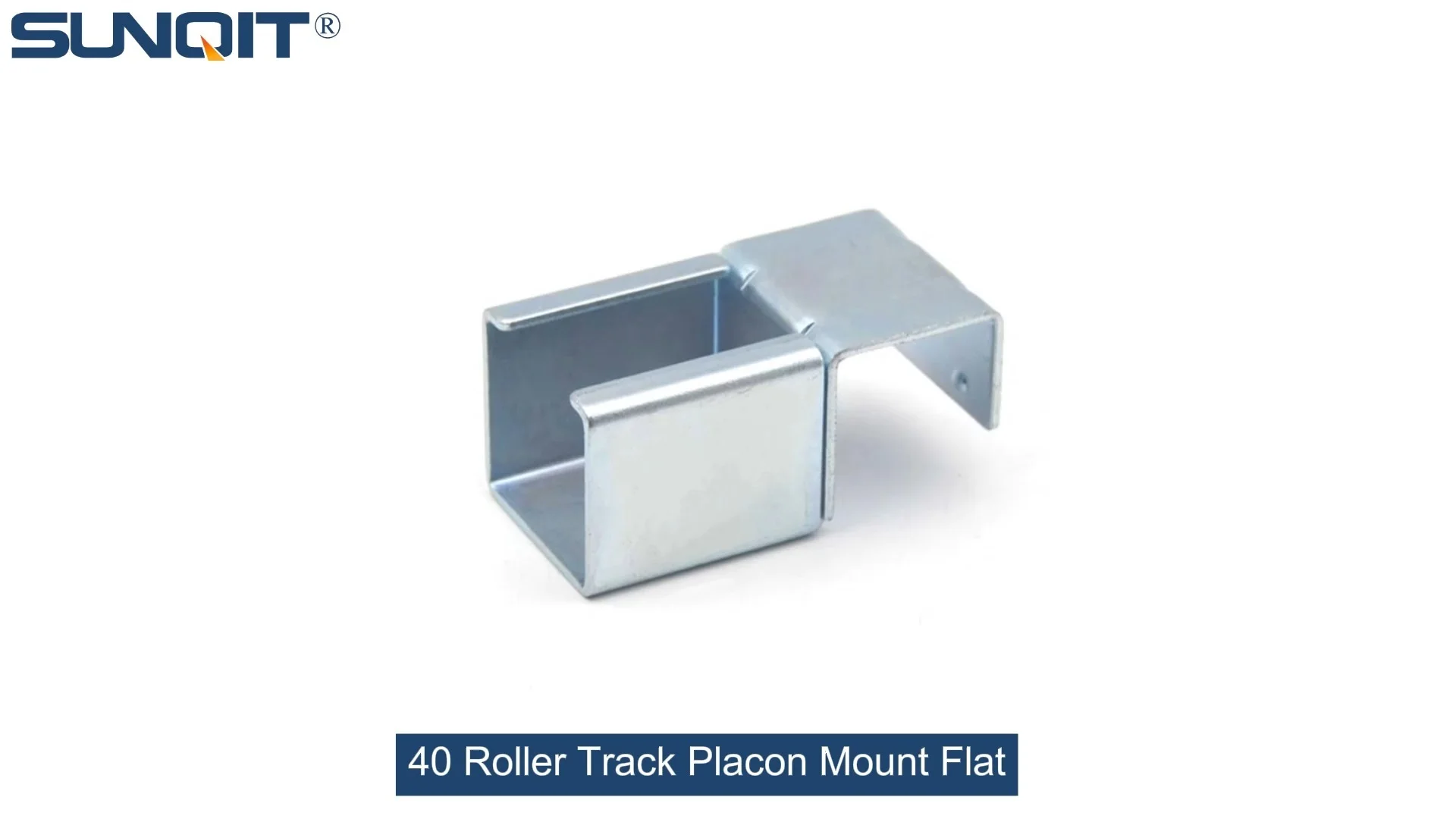
40 Roller Track Placon Mount Flat
Roller track placon mount work as a connector for roller track and pipe or aluminum profile in rack syetem, it is a necessary parts in rack system which widely used in industrial plant and logistic,warehouse storage.
Introduction: The Unsung Hero of Your Production Line
Walk through any manufacturing facility, and you'll likely spot it—the 40 Roller Track Placon Mount Flat, quietly doing its job day in and day out. It's the workhorse that moves components from station to station, keeps assembly lines flowing, and ensures your production targets stay on track. But like any hardworking team member, it needs a little care to keep performing at its best. In this guide, we'll break down simple, actionable maintenance tips to help you extend the lifespan of your roller track, reduce downtime, and keep your lean system running smoothly.
Whether you're managing a 3C assembly line, a medical device production floor, or a warehousing operation, this guide is for you. We'll skip the jargon and focus on practical steps you can start implementing today—because a well-maintained roller track isn't just about longevity; it's about keeping your team productive, your costs low, and your operations efficient.
Why Maintenance Matters: More Than Just "Fixing What Breaks"
You might be thinking, "If it ain't broke, why fix it?" But when it comes to roller tracks, proactive maintenance is far cheaper than reactive repairs. Let's break down why taking the time to care for your 40 Roller Track Placon Mount Flat is worth every minute:
Minimize Downtime: A sudden breakdown can bring your entire line to a halt. Imagine a stuck roller during peak production—every minute of downtime eats into your output and profits. Regular checks catch small issues before they turn into big problems.
Reduce Replacement Costs: Roller tracks aren't cheap, and replacing one entirely costs way more than replacing a worn wheel or tightening a loose bolt. With proper care, your track can last 5-7 years instead of 2-3.
Ensure Safety: A damaged roller track is a safety hazard. Loose components, uneven tracks, or stuck rollers can cause spills, trips, or even injuries. Your team deserves a workspace they feel safe in.
Keep Quality High: If your roller track isn't moving smoothly, it can jostle or damage sensitive parts—especially crucial in industries like 3C or medical device manufacturing where precision is everything.
Quick Fact:
According to manufacturing efficiency studies, facilities with regular preventive maintenance programs report up to 30% less equipment downtime than those without. That's a huge difference for your bottom line!

Daily Check-Up: 5-Minute Visual Inspections That Save the Day
You don't need to be a maintenance expert to spot early warning signs. A quick daily walk-around can catch most issues before they escalate. Here's what to look for:
1. Check for Physical Damage
Start by visually inspecting the entire length of the roller track. Look for:
- Bent or warped rollers: Run your hand gently along the track—you should feel smooth, even rotation. If a roller is bent, it might stick or create uneven movement.
- Cracks or dents in the aluminum profile: The frame of your 40 Roller Track Placon Mount Flat is typically made from durable aluminum profile, but heavy impacts or overloading can cause cracks. Pay extra attention to joints and connection points.
- Worn or missing wheels: Check if any rollers are missing, cracked, or have chunks taken out of them. Even a small chip can cause jamming.
2. Listen for Unusual Noises
Your roller track should hum quietly as it moves. Turn on the track (if motorized) or manually roll a test cart along it, and listen for:
- Squeaking or grinding: Usually a sign of dry or worn bearings.
- Thudding or clunking: Could mean loose bolts or a misaligned track section.
- Scraping sounds: Might indicate a foreign object stuck in the track or a bent roller.
If you hear something off, mark the spot with a piece of tape and investigate further during your next scheduled maintenance window.
3. Inspect Connections and Fasteners
The 40 Roller Track Placon Mount Flat is held together by a system of brackets, bolts, and aluminum profile accessories. Over time, vibration from constant use can loosen these connections. Check:
- Loose screws or bolts: Pay special attention to where the track mounts to the floor or frame. A loose mount can cause the entire track to shift.
- Damaged brackets: Look for cracks or bending in the metal brackets that hold the rollers in place.
- Missing washers or pins: These small parts are easy to overlook, but they're crucial for keeping everything secure.
4. Test Roller Movement
Take a small cart or box and gently push it along the track. It should glide smoothly without sticking or jerking. If you feel resistance in certain spots, mark those areas for closer inspection—they might need cleaning or lubrication.
| What to Check | How to Check | What It Means If You Find It |
|---|---|---|
| Bent rollers | Visual inspection + hand rotation | replace roller immediately—can cause jamming |
| Loose bolts | Wiggle brackets gently; check with wrench | Tighten with appropriate torque (don't over-tighten!) |
| Scraping sounds | Listen during operation | Check for debris or misaligned track sections |
| Uneven movement | Roll test cart along track | Clean or lubricate sticky rollers |

Deep Cleaning: How to Keep Your Track Free of Gunk and Grime
Dust, oil, and debris are the enemies of smooth roller movement. Over time, they build up on rollers and tracks, causing friction and wear. Here's how to give your 40 Roller Track Placon Mount Flat a thorough cleaning—aim for once a week, or more often if your facility is dusty (looking at you, woodworking or metal fabrication shops!):
Tools You'll Need:
- Soft-bristle brush (like a clean paintbrush or toothbrush for tight spots)
- Microfiber cloths (avoid paper towels—they leave lint!)
- Compressed air can or air compressor (for blowing out dust in crevices)
- Mild degreaser (like dish soap mixed with water, or a non-corrosive industrial cleaner)
- Small bucket of warm water
- Toothpicks or small picks (for stubborn debris in roller bearings)
Step-by-Step Cleaning Process:
- Power Down (If Motorized): Safety first! If your roller track is motorized, turn off the power and lockout/tagout the switch to prevent accidental startup.
- Remove Loose Debris: Use the soft brush to sweep along the track and over the rollers. Focus on the gaps between rollers and around brackets—this is where dust loves to hide.
- Blow Out Crevices: Use compressed air to blast dust from hard-to-reach spots, like inside roller bearings or between the aluminum profile frame and the track. Hold the air nozzle a few inches away to avoid damaging delicate parts.
- Wipe Down Rollers and Track: Dip a microfiber cloth in warm, soapy water (or degreaser if there's oil buildup), wring it out well, and gently wipe each roller and the track surface. For sticky spots, let the degreaser sit for 30 seconds before wiping.
- Clean Bearings (Carefully!): If rollers are removable, take them off and use a toothpick to gently dislodge any debris from the bearing openings. Don't soak bearings in water—just wipe them clean.
- Dry Thoroughly: Use a dry microfiber cloth to wipe down all surfaces. Moisture can lead to rust, especially on steel components. If possible, let the track air-dry for 10-15 minutes before turning it back on.
Pro Tip:
Avoid using high-pressure water hoses or steam cleaners—they can force water into bearings, causing rust, and might damage electrical components if your track is motorized. Stick to gentle cleaning methods!

Lubrication: Keeping the Wheels Turning Smoothly
Even the cleanest roller track will slow down if its moving parts aren't properly lubricated. Think of it like oiling a bicycle chain—without it, everything grinds to a halt. Here's how to keep your rollers spinning freely:
When to Lubricate
A good rule of thumb: lubricate your 40 Roller Track Placon Mount Flat every 2-4 weeks, depending on usage. If your track runs 24/7 or handles heavy loads, aim for every 2 weeks. For lighter use, once a month might be enough. You'll know it's time if rollers start squeaking or feel stiff when rotated by hand.
Choosing the Right Lubricant
Not all lubricants are created equal! The wrong type can attract dust or damage plastic components. Here's what to use:
- For metal rollers and bearings: Light machine oil (like 3-in-1 oil) or lithium-based grease. Avoid thick greases—they can gum up in cold environments.
- For plastic rollers: Silicone-based lubricant (it won't degrade plastic). Never use petroleum-based oils on plastic—they can cause cracking over time.
- Food or medical industries: Use FDA-approved, food-grade lubricants to avoid contamination risks.
How to Apply Lubricant
- Clean First: Always clean rollers and bearings before lubricating—dirt mixed with oil creates a gritty paste that wears parts down faster.
- Apply Sparingly: Less is more! A drop or two per bearing is enough. Too much lubricant will drip onto the track or attract dust.
- Rotate Rollers: After applying oil, spin each roller by hand to distribute the lubricant evenly inside the bearing.
- Wipe Excess: Use a clean cloth to wipe off any oil that squeezes out—this prevents dust buildup.
For motorized tracks, don't forget to lubricate drive chains or belts according to the manufacturer's instructions—they need love too!
Tightening Up: Securing Brackets and Aluminum Profile Connections
Vibration is the silent enemy of fasteners. Every time your roller track moves a load, it shakes—slowly loosening bolts, nuts, and screws. Over time, this can lead to misaligned tracks, wobbly rollers, or even structural failure. Here's how to keep everything tight and secure:
What You'll Need
- Socket set or screwdrivers (match the size of your fasteners—using the wrong tool strips heads!)
- Torque wrench (for critical connections—especially on heavy-duty tracks)
- Thread locker (like Loctite) for bolts that keep coming loose
- Spare bolts and washers (in case any are damaged or missing)
Key Areas to Check and Tighten
- Roller axle bolts: These hold the rollers in place. If they loosen, rollers can shift or fall off entirely.
- Track-to-frame connections: The bolts that attach the roller track to its aluminum profile frame. Loose connections here cause the track to wobble.
- Frame-to-floor mounts: If your track is bolted to the floor, check these bolts—they keep the entire system stable.
- Caster wheels (if mobile): If your track is on casters, tighten the bolts that hold the caster accessories to the frame. Wobbly casters throw off track alignment.
The Right Way to Tighten
It's not just about cranking bolts as hard as you can—over-tightening can strip threads or crack the aluminum profile. Follow these steps:
- Check torque specs: If you have the manufacturer's manual, use the recommended torque values. For most aluminum profile connections, 15-20 ft-lbs is typical.
- Tighten in a crisscross pattern: For multiple bolts (like on a frame mount), tighten them in a star pattern to distribute pressure evenly—this prevents warping.
- Use thread locker on problem bolts: If a bolt keeps loosening, apply a drop of medium-strength thread locker before tightening. Let it dry 24 hours before use.
- replace damaged fasteners: If a bolt is bent, stripped, or rusted, replace it immediately. A weak fastener is a ticking time bomb.
Load Management: Don't Overwork Your Roller Track
Your 40 Roller Track Placon Mount Flat is built to handle specific weights—but pushing it beyond its limits is a surefire way to shorten its lifespan. Here's how to keep loads in check:
Know Your Track's Rating
First, find out the maximum load capacity of your roller track. This information is usually on a label somewhere on the frame or in the manufacturer's manual. It might be listed as "500 lbs per linear foot" or "2000 lbs total." Write this number down and keep it visible near the track—so everyone on your team knows the limit.
Signs You're Overloading
Even if you think you're staying under the limit, these red flags mean you're pushing too hard:
- Bending or sagging track: The aluminum profile frame should stay straight. If it dips in the middle, that's a clear overload sign.
- Rollers deforming: Look for flat spots on rollers—this happens when heavy loads sit in one place too long.
- Slow or jerky movement: If your track struggles to move even moderate loads, it might be because it's been overloaded in the past, causing internal damage to gears or motors.
- Cracking sounds: A loud "crack" or "pop" when loading means something is stressed beyond its limit—stop immediately!
Tips for Smart Loading
- Distribute weight evenly: Don't pile all the weight in one spot. Spread loads across the track to avoid stressing individual rollers or brackets.
- Don't stack too high: Tall loads are unstable and can tip, damaging both the track and the products. Follow your facility's height limits.
- Use proper containers: Avoid irregularly shaped items that might catch on rollers. Use flat-bottomed bins or pallets designed for roller tracks.
- Train your team: Make sure everyone knows the load limit and how to spot overload signs. A quick 5-minute training session can save a lot of headaches.
Long-Term Care: Seasonal and Annual Maintenance
Daily and weekly checks are crucial, but some maintenance tasks only need to be done a few times a year. Think of these as "deep dives" to keep your 40 Roller Track Placon Mount Flat in top shape for the long haul:
Seasonal Maintenance (Every 3-6 Months)
- Inspect for rust or corrosion: Check steel components (like bolts or axles) for rust spots. Sand off small rust areas and apply a coat of rust-resistant paint or oil.
- Check alignment: Over time, tracks can shift out of alignment, causing uneven wear. Use a level to ensure the track is straight and even. If not, adjust the floor mounts or frame brackets.
- Test motor performance (if applicable): Listen to motor sounds, check for overheating, and clean motor vents to prevent dust buildup.
- replace worn parts proactively: If rollers are showing signs of wear (like uneven tread or slow rotation), replace them before they fail. Keep a small stock of spare rollers, bolts, and bearings on hand.
Annual Maintenance (Once a Year)
This is your chance to give the entire system a thorough once-over. Consider shutting down the line for a few hours (or scheduling it during a slow period) to do:
- Full disassembly (if needed): For heavily used tracks, removing and inspecting all components—rollers, bearings, brackets—can catch hidden issues.
- Frame inspection: Check the entire aluminum profile frame for signs of fatigue, like stress cracks or bending. If the frame is compromised, it might need reinforcement or replacement.
- Safety certification: If required by your industry, have a qualified technician inspect the track to ensure it meets safety standards.
- update maintenance records: Keep a log of all maintenance tasks, repairs, and part replacements. This helps you spot patterns (like frequent roller wear) and plan future upgrades.
Maintenance Log Idea:
Create a simple spreadsheet or use a maintenance app to track: Date, Task Performed (e.g., "Lubricated rollers"), Parts Used, Who Did It, and Notes (e.g., "Noticed slight bend in roller #5"). This log becomes invaluable when troubleshooting later!
Troubleshooting Common Issues: What to Do When Things Go Wrong
Even with great maintenance, problems can pop up. Here's how to fix the most common roller track issues quickly:
Problem: Roller Sticks or Won't Rotate
Causes: Dirt in the bearing, dry lubricant, bent axle, or damaged bearing.
Fix: Remove the roller, clean the bearing with compressed air, and apply fresh lubricant. If it still sticks, replace the roller—bearings are often not repairable.
Problem: Track is Noisy (Squeaking/Grinding)
Causes: Dry bearings, misaligned track sections, loose bolts, or foreign objects stuck in the track.
Fix: Lubricate rollers first. If noise continues, check for loose bolts and tighten them. Inspect track alignment and adjust if needed. Use a flashlight to look for debris stuck between rollers.
Problem: Track Shifts or Wobbles When Loaded
Causes: Loose floor mounts, bent frame, or overloading.
Fix: Tighten all floor mount bolts. If the frame is bent, use a level to realign and reinforce with additional brackets if needed. Check load limits and ensure you're not exceeding them.
Problem: Loads Slide Backward (on Inclined Tracks)
Causes: Worn brake mechanisms, dirty rollers reducing friction, or incorrect incline angle.
Fix: Clean and lubricate brake components. If rollers are too slippery, replace them with textured or non-slip rollers. Adjust the incline angle to be less steep if possible.
Conclusion: Your Roller Track Deserves the Same Care as Your Team
At the end of the day, your 40 Roller Track Placon Mount Flat is more than just a piece of equipment—it's a vital part of your production team. It works hard so your team can work efficiently, and it deserves the same care and attention you give your employees. By following these maintenance tips, you'll extend its lifespan, reduce stress for everyone, and keep your lean system running like a well-oiled machine (pun intended).
Remember: maintenance isn't a chore—it's an investment. An investment in your facility's efficiency, your team's safety, and your company's success. So grab that brush, grab that wrench, and give your roller track the care it deserves. Your future self (and your bottom line) will thank you.
Final Thought:
The best maintenance program is one that's consistent. Even 5 minutes a day can make a huge difference. Set a calendar reminder, assign someone to be the "roller track champion," and make it part of your team's daily routine. You've got this!