- Company Articles
- Products and Technology
- Installation And Maintenance
- Maintenance Tips to Extend the Lifespan of 40 Steel Roller Track Black Wheels

Maintenance Tips to Extend the Lifespan of 40 Steel Roller Track Black Wheels
Related Product
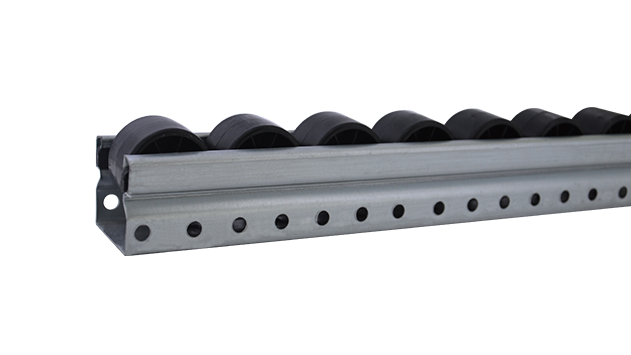
40 Steel Roller Track Black Wheel
The roller track can be installed with multiple accessories to create different slopes and configurations of flow racks.All steel conveyor 40 roller track accessories are engineered to perfectly fit the sliding rail.
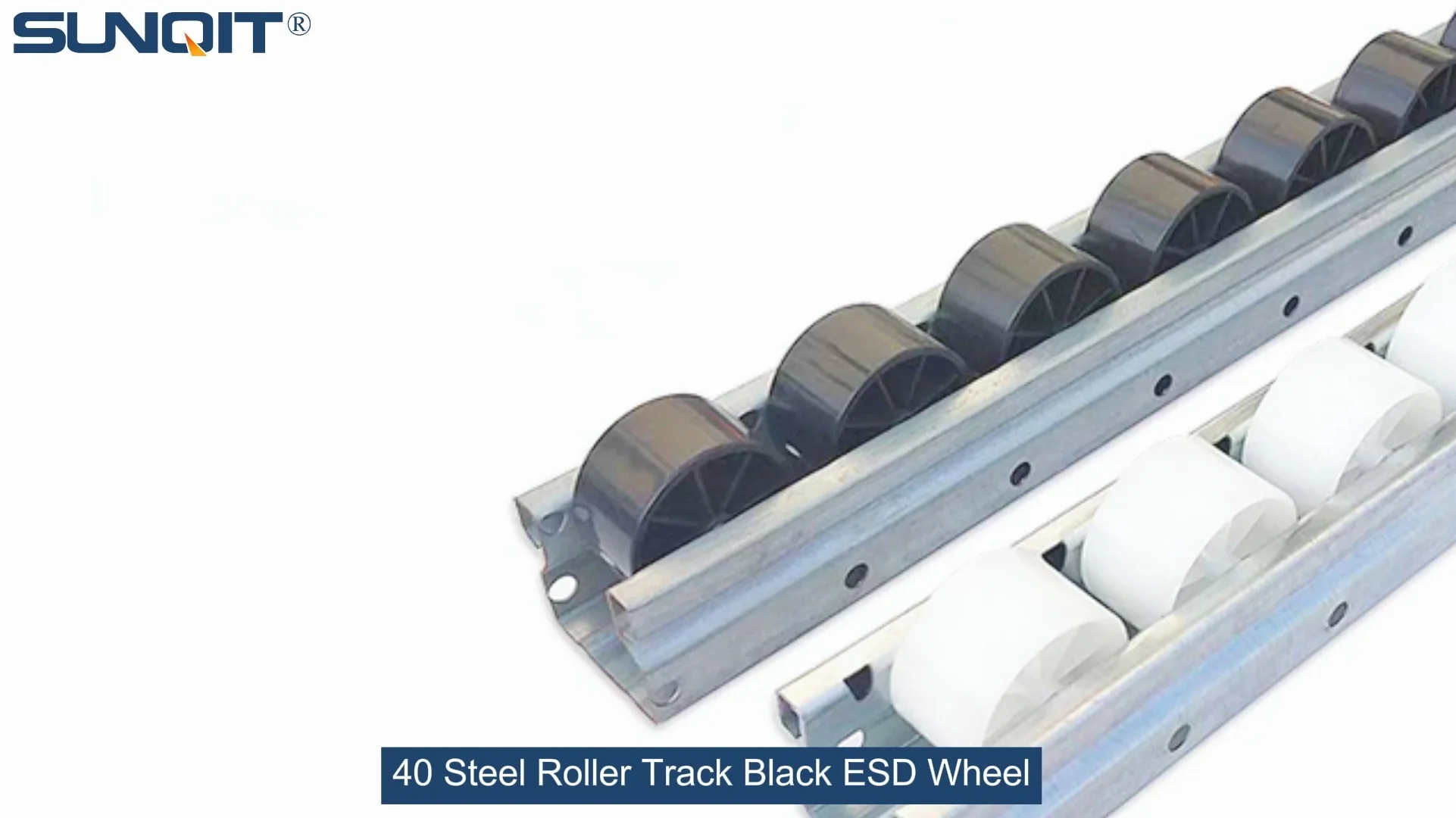
In the fast-paced world of manufacturing, every component in your production line plays a critical role in keeping operations running smoothly. Among these unsung heroes are the 40 Steel Roller Track Black Wheels —the workhorses that power material flow in everything from assembly lines to warehousing setups. Whether integrated into a flow rack , part of a conveyor system, or supporting a custom lean solution , these rollers endure constant use, heavy loads, and varying environmental conditions. Over time, even the most durable components wear down—but with the right maintenance strategy, you can significantly extend their lifespan, reduce downtime, and protect your investment.
This guide dives into practical, actionable tips to keep your 40 Steel Roller Track Black Wheels performing at their best. From daily inspections to long-term care, we'll cover the habits and techniques that make a real difference in a manufacturing environment. Let's start with the basics: why maintenance matters in the first place.
Why Maintenance Matters: The Cost of Neglect
Imagine a busy automotive parts facility: pallets glide along roller tracks, components move from station to station, and deadlines loom. Suddenly, a roller jams. The entire line slows. Workers scramble to fix the issue, orders get delayed, and frustration builds. This scenario isn't just inconvenient—it's costly. A single stuck roller can disrupt workflows, damage products, and even lead to safety hazards like spills or falls.
But the impact goes beyond immediate downtime. Neglected rollers wear unevenly, putting extra strain on adjacent components like axles, brackets, and lean pipe frameworks. Over time, this cascading wear leads to more frequent replacements, higher repair costs, and a less efficient operation overall. In contrast, a proactive maintenance routine turns these risks into opportunities: smoother workflows, longer equipment life, and a production line that adapts to demands without unexpected interruptions.
Daily Inspection: The First Line of Defense
Preventive maintenance starts with observation. A quick daily check takes just 10–15 minutes per track section but can catch small issues before they escalate. Here's what to focus on:
1. Roller Movement: Test for Smooth Rotation
Walk along the roller track and gently spin each wheel by hand. They should rotate freely, with minimal resistance. If a roller feels stiff, sticks, or makes a grinding noise, it's a red flag. Common culprits include debris in the axle, dry lubricant, or misalignment. Note these rollers for deeper inspection later—don't let them wait until the next day.
2. Visual Checks: Look for Visible Damage
Examine each wheel's surface for cracks, chips, or flat spots. Black wheels are durable, but heavy impacts or constant friction can wear down the tread. Also, check the track itself: bent rails, dents, or loose connections can cause rollers to bind. Pay extra attention to high-traffic areas, like loading zones or where tracks meet conveyor systems—these spots take the most abuse.
3. Debris Buildup: Clear the Path
Dust, dirt, and small parts (like screws or washers) often accumulate between rollers or around axles. Even tiny debris can hinder movement over time. Use a brush or compressed air to clear these areas daily. In facilities with oily or greasy environments (like automotive shops), wipe down rollers with a lint-free cloth to remove residue that attracts dirt.
Daily Inspection Checklist
| Task | How to Do It | What to Look For |
|---|---|---|
| Spin rollers | Gently rotate each wheel by hand | Resistance, grinding, or uneven movement |
| Check wheel condition | Inspect surface and edges visually | Cracks, chips, flat spots, or worn tread |
| Clear debris | Brush or blow out gaps between rollers | Dirt, dust, small parts, or oil buildup |
| Test track alignment | Observe loaded movement (if in use) | Jerking, uneven glide, or products shifting |
Weekly Cleaning: Removing Contaminants
Daily checks handle surface debris, but weekly deep cleaning removes grime that builds up in hard-to-reach places. The goal is to eliminate contaminants that cause friction, corrosion, or blockages. Here's how to approach it:
1. Choose the Right Tools
Start with basic supplies: a stiff-bristle brush (to dislodge caked-on dirt), a microfiber cloth (for wiping), and a mild degreaser (for oily residues). Avoid harsh chemicals like bleach or abrasive cleaners—they can damage the wheel's black coating, leading to rust or discoloration. For sensitive areas (like near electronic components), use isopropyl alcohol instead of water-based cleaners to prevent moisture damage.
2. Focus on Axles and Bearings
The axle is where most friction occurs, so it deserves extra attention. Use the brush to clean around the axle housing, then wipe with a cloth dampened with degreaser. For rollers with sealed bearings, avoid submerging them in liquid—instead, use compressed air to blow out dust from the gaps. For unsealed bearings, a quick spray of lubricant (after cleaning) helps flush out remaining debris.
3. Clean the Track, Too
Rollers don't work in isolation—they depend on a clean, smooth track surface. Wipe down the track with a cloth to remove dirt, oil, or product residue. Pay special attention to joints where track sections meet; these are common spots for debris to collect. If the track has guide rails, clean those as well—even a small obstruction here can cause products to jam or misalign.

Lubrication: Keeping Rollers Rolling Effortlessly
Proper lubrication reduces friction, prevents corrosion, and ensures smooth rotation. But not all lubricants are created equal—and over-lubricating can be just as harmful as under-lubricating. Here's how to get it right:
1. Choose the Right Lubricant
For 40 Steel Roller Track Black Wheels, a light machine oil or silicone-based lubricant works best. Avoid heavy greases, which attract dust and grit, turning them into abrasive paste. If your facility deals with food, pharmaceuticals, or cleanroom environments, opt for food-grade or NSF-approved lubricants to meet safety standards.
2. Apply Lubricant Sparingly
Less is more here. A few drops of oil on each axle (or a light spray on bearings) is enough. Wipe away excess with a cloth to prevent dripping onto the track or products. Apply lubricant after cleaning (so it adheres to clean surfaces) and aim for a thin, even film. For high-use tracks, lubricate weekly; for moderate use, bi-weekly is sufficient.
3. Watch for Signs of Over-Lubrication
How do you know if you've used too much? Look for oil buildup on the track, sticky wheels, or products picking up grease marks. If this happens, clean the rollers and track with degreaser, then reapply a smaller amount of lubricant. Remember: the goal is to reduce friction, not create a slippery mess.

Alignment and Tightening: Preventing Misalignment
Over time, vibrations, heavy loads, and temperature changes can loosen fasteners or shift track alignment. Misaligned rollers cause uneven wear, noisy operation, and product jams. A monthly alignment check ensures everything stays in place:
1. Check Fasteners First
Inspect bolts, nuts, and brackets that secure the roller track to its supports (like lean pipe frames or metal stands). Use a torque wrench to retighten any loose fasteners to the manufacturer's specifications. replace stripped or damaged hardware immediately—don't wait for it to fail.
2. Align the Track
Use a straightedge or laser level to check if the track is level horizontally and vertically. A track that slopes too much can cause products to move too fast (risking damage) or too slow (causing bottlenecks). If misalignment is minor, use shims under the support legs to adjust. For major issues (like a bent track), contact a professional to straighten or replace the section.
3. Test with a Load
Alignment isn't just about the track—it's about how rollers perform under real-world conditions. Place a typical load (like a standard pallet or bin) on the track and observe its movement. Does it glide smoothly? Does it drift to one side? If so, adjust the track's angle or guide rails until the load moves evenly. This step ensures your alignment work translates to better performance in practice.
Load Management: Protecting Rollers from Overstress
Even the strongest rollers have limits. Overloading them causes premature wear, bent axles, or cracked wheels. To avoid this, follow these guidelines:
1. Know the Weight Rating
Every roller track system has a maximum load capacity—usually listed in pounds per linear foot. Check the manufacturer's specs and never exceed them. If you're unsure, contact your supplier (like the team behind your lean solution ) for clarification. Remember: the rating applies to evenly distributed loads; concentrated weight (like a heavy box in one spot) can exceed local limits even if the total load is under the threshold.
2. Distribute Loads Evenly
Train workers to place products centered on the track, avoiding uneven weight distribution. For example, a pallet with all weight on one side will cause rollers on that side to wear faster. Use dividers or guides if needed to keep products aligned. If your operation involves irregularly shaped items, consider custom fixtures to distribute weight more evenly across the track.
3. Avoid Shock Loads
Dropping heavy items onto the track sends a shock through the rollers, axles, and supports. Over time, this impact weakens components. Encourage gentle placement—use ramps for loading heavy items, or install shock-absorbing pads at entry points. In high-traffic areas, consider reinforced rollers or thicker-gauge steel tracks to handle repeated use.
Environmental Control: Shielding Rollers from the Elements
Manufacturing environments vary widely—from dry, dusty warehouses to humid, corrosive factories. Each setting poses unique challenges for roller maintenance. Here's how to adapt:
1. Combat Corrosion in Humid or Chemical Environments
High humidity, water exposure, or chemical fumes can cause steel rollers to rust. To fight this, clean and lubricate more frequently (weekly instead of bi-weekly). Consider applying a rust-inhibiting spray to the wheel surfaces and axles. For extreme conditions (like marine or chemical plants), upgrade to stainless steel rollers or wheels with corrosion-resistant coatings.
2. Manage Dust in Dry Environments
Dusty facilities (like woodworking or mining operations) face a different issue: fine particles infiltrate bearings and cause abrasive wear. In these cases, use sealed bearings where possible, and clean rollers daily with compressed air. Adding dust covers over unused track sections can also reduce buildup when equipment isn't in use.
3. Control Temperature Fluctuations
Extreme heat or cold affects both rollers and lubricants. In hot environments, lubricants can thin and run off; in cold environments, they can thicken and lose effectiveness. Adjust lubrication schedules accordingly—more frequent application in heat, lighter lubricants in cold. If your facility has temperature-controlled zones, store spare rollers there to prevent warping or material contraction.
Troubleshooting Common Issues
Even with perfect maintenance, problems can arise. Here's how to diagnose and fix the most common roller track issues:
Common Problems and Solutions
| Issue | Possible Cause | Solution |
|---|---|---|
| Roller won't spin | Debris in axle, dry lubricant, or bent axle | Clean axle with compressed air; apply lubricant. If still stuck, replace the axle or roller. |
| Uneven wheel wear | Misaligned track, overloading, or unbalanced load | Realign track; check load distribution; replace worn wheels. |
| Track makes squeaking noise | Metal-on-metal contact, loose fasteners, or dry bearings | Tighten fasteners; lubricate bearings; add anti-vibration pads under supports. |
| Products slide off the track | Misaligned guide rails, uneven track, or excessive speed | Adjust guide rails; level the track; install speed bumps or brakes for downhill sections. |
Long-Term Maintenance: Planning for the Future
Maintenance isn't just about fixing what's broken—it's about planning for longevity. A long-term strategy ensures your roller tracks adapt to changing needs and continue performing for years. Here's how to build one:
1. Keep Records
Document every inspection, cleaning, and repair. Note which rollers were replaced, when lubricant was applied, and any recurring issues. Over time, this data reveals patterns—like certain track sections wearing faster than others—that can guide upgrades or process changes. Use a simple spreadsheet or maintenance management software to track this information.
2. Schedule Preventive Replacements
Even well-maintained rollers have a lifespan. Based on manufacturer guidelines and your usage data, schedule proactive replacements for high-wear components (like wheels or bearings) before they fail. This avoids emergency downtime and allows you to order parts in bulk, reducing costs.
3. Train Your Team
Maintenance isn't just the responsibility of the repair crew—it's a team effort. Train operators to spot signs of trouble (like unusual noises or slow movement) and report them immediately. Host quarterly workshops on basic care, like proper loading techniques or daily inspection steps. When everyone understands the importance of maintenance, compliance improves, and issues get addressed faster.
4. Reassess and Adapt
As your operation grows, so do your needs. A roller track that worked for small batches may struggle with higher volumes. Periodically review your system: Are there bottlenecks? Are rollers wearing unevenly in new areas? Work with your lean solution provider to adjust track layouts, upgrade components, or integrate new technologies (like automated lubrication systems) that align with your goals.
Conclusion: Investing in Performance
Maintaining 40 Steel Roller Track Black Wheels isn't just about extending equipment life—it's about investing in the efficiency, safety, and success of your entire operation. By combining daily inspections, regular cleaning, proper lubrication, and proactive troubleshooting, you transform these simple components into reliable assets that support your team, meet deadlines, and adapt to change.
Remember: every minute spent on maintenance saves hours of downtime later. Whether you're managing a small workshop or a large manufacturing plant, the principles here apply. Start small—pick one track section to focus on this week, train your team on daily checks, and build from there. Before long, you'll notice the difference: smoother workflows, happier workers, and a production line that's ready to tackle whatever comes next.
Your 40 Steel Roller Track Black Wheels work hard for you—give them the care they deserve, and they'll return the favor for years to come.