- Company Articles
- Products and Technology
- Installation And Maintenance
- Maintenance Tips to Extend the Lifespan of Roller Track Placon Mount Joints

Maintenance Tips to Extend the Lifespan of Roller Track Placon Mount Joints
Related Product
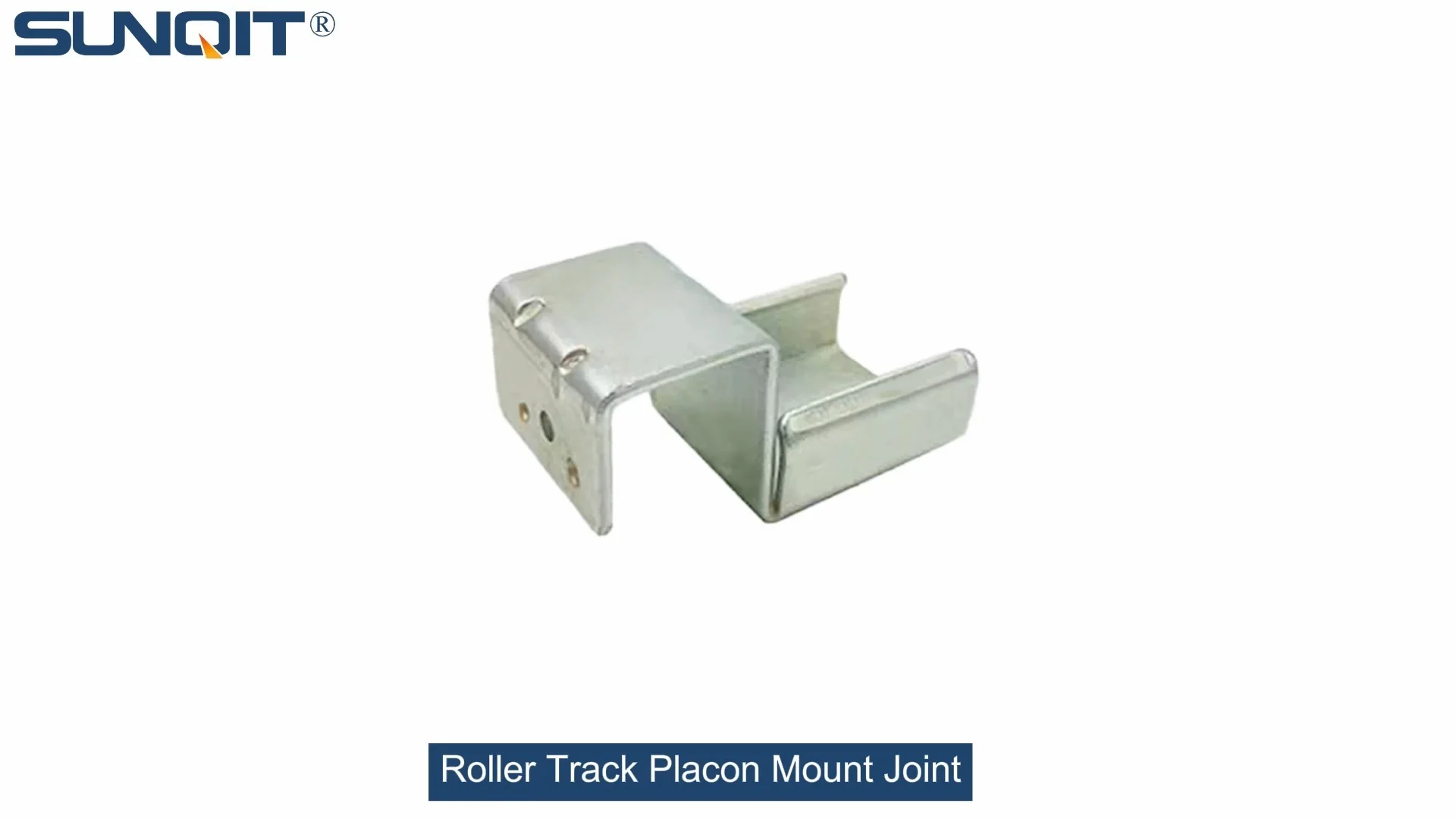
Roller Track Placon Mount Joint
Roller track placon mount work as a connector for roller track and pipe or aluminum profile in rack syetem, it is a necessary parts in rack system which widely used in industrial plant and logistic,warehouse storage.
If you've ever walked through a manufacturing facility, you've probably seen them—those unassuming yet critical components that keep production lines moving,, and workbenches stable. We're talking about roller track placon mount joints, the unsung heroes connecting roller tracks, aluminum profiles, and conveyor systems. These small but mighty parts play a huge role in keeping operations efficient, whether you're in 3C assembly, medical device production, or. But here's the thing: even the sturdiest joints wear down over time, especially with constant use, heavy loads, and daily wear and tear. The good news? With the right maintenance habits, you can significantly extend their lifespan, reduce downtime, and keep your lean system running like a well-oiled machine. Let's dive into the practical steps you need to take.
Why Roller Track Placon Mount Joints Deserve Your Attention
Before we get into the "how," let's talk about the "why." Roller track placon mount joints aren't just random pieces of metal or plastic—they're the backbone of your material handling systems. Think about it: when these joints fail, everything grinds to a halt. A loose joint might cause a roller track to misalign, leading to jams in your flow rack. A worn joint could make your conveyor vibrate excessively, damaging sensitive components on your workbench. In worst-case scenarios, a broken joint might even pose safety risks for your team.
And let's not forget the cost factor. Replacing a joint might seem cheap on its own, but factor in downtime, labor costs, and potential damage to surrounding equipment (like your aluminum profile frames or lean pipe structures), and the numbers add up fast. By investing a little time in maintenance, you're not just extending the life of these joints—you're protecting your entire production line's efficiency and your bottom line.
1. Daily Visual Inspection: Catch Issues Before They Escalate
The first rule of maintenance? Don't wait for something to break. A quick daily check can spot early warning signs that save you from bigger headaches later. Here's what to look for:
Signs of Physical Damage
Start by examining the joint itself for cracks, dents, or deformation. Aluminum and steel joints can develop stress fractures over time, especially if they're carrying heavy loads or exposed to impacts (like a dropped cart hitting the roller track). Pay extra attention to the areas where the joint connects to the roller track or aluminum profile—these are high-stress points prone to wear.
Loose Connections
Grab a flashlight and check the bolts, screws, or clips holding the joint in place. Even a slightly loose fastener can cause vibration during operation, which wears down the joint and surrounding components faster. If you notice any bolts that are spinning or screws that sit higher than the joint surface, mark them for tightening later that day.
Roller and Track Alignment
While you're at it, take a step back and look at the entire roller track system. Do the rollers run straight, or do they curve slightly at the joint? Misalignment is often a sign that the placon mount joint is shifting or wearing unevenly. For example, if your conveyor's roller track starts to "bend" at the joint, it could cause products to get stuck or tip over as they move along—definitely not something you want in a busy production environment.
| Inspection Item | What to Look For | Action If Found |
|---|---|---|
| Cracks/Deformation | Visible splits, dents, or warping on the joint surface | Mark for replacement; avoid heavy use until fixed |
| Loose Fasteners | Bolts/screws that wiggle or sit above the joint | Tighten with appropriate tool; check torque specs |
| Misalignment | Rollers curving or tracks not sitting flush at the joint | Adjust joint position; check for worn mounting points |
| Debris Buildup | Dust, grease, or material scraps around the joint | Clean immediately to prevent jamming |

2. Regular Cleaning: Keep Joints Free from Gunk and Grime
Manufacturing environments are messy places—dust, oil, coolant, and even small product scraps can find their way into roller track joints. Over time, this buildup acts like sandpaper, wearing down moving parts and causing friction. A regular cleaning routine is key to preventing this.
Choosing the Right Cleaning Tools
Stick to soft tools to avoid scratching or damaging the joint. A small nylon brush (like a toothbrush for tight spaces) works great for dislodging debris from crevices. For larger areas, a microfiber cloth dampened with water or a mild detergent (avoid harsh chemicals!) will pick up dust without leaving residue. If you're dealing with heavy grease (common in automotive or facilities), a citrus-based degreaser (applied sparingly) can cut through the grime—just make sure to rinse with clean water afterward to prevent corrosion.
Cleaning Frequency: Tailored to Your Environment
How often should you clean? It depends on your workspace. In dusty environments (like woodworking or some areas), aim for a quick wipe-down daily and a deeper clean weekly. In cleaner settings (like 3C assembly or production), weekly light cleaning might be enough. The goal is to never let debris accumulate to the point where it affects the joint's movement or causes visible buildup.
Special Care for Aluminum Profiles
Many roller track systems are mounted on aluminum profiles, which are prone to oxidation if not cared for. When cleaning joints connected to aluminum, avoid abrasive pads or acidic cleaners—these can strip the protective oxide layer, leading to rust-like corrosion. Instead, use a soft cloth and a pH-neutral cleaner, then dry thoroughly to prevent water spots.

3. Lubrication: Keep Things Moving Smoothly
Even the cleanest joints need lubrication to reduce friction between moving parts. Without it, metal-on-metal contact wears down components, causes squeaking, and increases the risk of jams. But not all lubricants are created equal—choosing the right type and applying it correctly is crucial.
Picking the Right Lubricant
For roller track placon mount joints, a high-quality silicone-based grease or light machine oil works best. Silicone grease is water-resistant and won't break down in high temperatures, making it ideal for most manufacturing environments. Avoid heavy greases (like those used in car engines)—they attract dust and dirt, turning into a gritty paste that does more harm than good. If your facility has specific requirements (like ESD protection in electronics manufacturing), check with your supplier for ESD-safe lubricant options.
Application Tips: Less Is More
When applying lubricant, remember: a little goes a long way. Use a small brush or precision applicator to target the joint's moving parts (like pivot points or sliding surfaces). Wipe away any excess with a clean cloth—you don't want lubricant dripping onto products or attracting debris. For joints that see heavy use (like those on a busy conveyor), lubricate every two weeks; for lighter-use areas (like a rarely accessed flow rack), monthly might suffice.
Lubrication Logs: Track and Adjust
Keep a simple log noting when each joint was lubricated, what product was used, and any issues observed. Over time, this helps you spot patterns—maybe a certain joint needs lubrication more often because it's near a heat source, or another is fine with less frequent applications. Adjust your schedule based on real-world performance, not just generic guidelines.

4. Tightening and Alignment: Prevent Stress and Strain
Even with regular cleaning and lubrication, joints can loosen over time due to vibration from daily operation. A loose joint doesn't just affect movement—it puts extra stress on the entire roller track system, leading to uneven wear and potential failure of other components (like the aluminum profile or roller wheels).
Using the Right Tools for Tightening
Ditch the adjustable wrench—invest in a set of torque wrenches or preset screwdrivers to ensure you're tightening fasteners to the manufacturer's specs. Over-tightening can strip threads or crack the joint, while under-tightening leaves it loose. Most roller track joints come with recommended torque values (check the supplier's manual or website if you're unsure). For example, a typical aluminum joint might require 15-20 Nm of torque, while steel joints can handle slightly more.
Checking Alignment: The Straight Line Test
After tightening, verify that the joint is properly aligned. One easy way is the "straight line test": place a long, straight object (like a level or a piece of scrap aluminum profile) along the roller track, spanning the joint. If there's a gap between the straight edge and the track, the joint is misaligned. Adjust the mounting bolts slightly until the track sits flush—this ensures products move smoothly without catching or tipping.
Dealing with Stripped Threads
If you encounter a stripped bolt hole (a common issue with repeated tightening/loosening), don't panic. For temporary fixes, use a thread repair kit (like helicoils) to restore the threads. For a more permanent solution, contact your supplier about replacement parts—most reputable lean pipe suppliers offer replacement joints and fasteners at reasonable prices.
5. Environmental Control: Protect Joints from Harsh Conditions
Your facility's environment plays a big role in how long roller track joints last. Extreme temperatures, humidity, and corrosive substances can all take a toll—here's how to mitigate their effects.
Humidity and Moisture: Guard Against Rust
High humidity (common in coastal areas or facilities with steam cleaning) can cause steel components to rust. If your joints are steel, consider applying a thin coat of rust-inhibiting spray (like WD-40 Specialist Long-Term Corrosion Inhibitor) every few months. For aluminum joints, ensure they're properly cleaned and dried—aluminum doesn't rust, but it can develop white, powdery oxidation if left damp for too long.
Temperature Extremes: Watch for Expansion and Contraction
Extreme heat (like near ovens or welding stations) can cause metal joints to expand, while cold temperatures (like in refrigerated areas) can make them brittle. In these cases, check joints more frequently for loosening (due to expansion/contraction cycles) and consider heat-resistant lubricants (for high temps) or low-viscosity oils (for cold environments) to maintain performance.
Corrosive Chemicals: Take Extra Precautions
In industries like chemical manufacturing or some production, joints might be exposed to acids, solvents, or cleaning agents. If this is the case, opt for stainless steel joints (which are more corrosion-resistant than regular steel) and clean immediately after any chemical exposure. Some suppliers even offer specialized coatings for joints in extreme environments—don't hesitate to ask about these options.
6. Troubleshooting Common Problems: Fix Issues Fast
Even with great maintenance, problems can pop up. Here's how to diagnose and fix the most common roller track placon mount joint issues:
| Problem | Common Cause | Solution |
|---|---|---|
| Squeaking or Grinding Noises | Lack of lubrication or debris in the joint | Clean thoroughly, then apply fresh lubricant to moving parts |
| Rollers Sticking at the Joint | Misalignment, loose fasteners, or bent joint | Check alignment with a straight edge; tighten fasteners or replace bent joint |
| Excessive Vibration | Uneven wear, loose joints, or unbalanced load distribution | Inspect for worn components; tighten all connections; ensure loads are evenly placed |
| Visible Rust or Corrosion | Exposure to moisture or chemicals | Remove rust with a wire brush (for steel), apply rust inhibitor; consider stainless steel replacement |
| Joint Cracks | Overloading, impact damage, or material fatigue | replace immediately—cracked joints can fail suddenly, risking injury or equipment damage |
When to Call in the Pros
Some issues are beyond DIY fixes. If you notice recurring problems (like joints loosening days after tightening), severe misalignment that can't be corrected, or damage to the aluminum profile itself, reach out to your supplier or a maintenance professional. They can assess if the issue is due to poor installation, incompatible components, or underlying system problems (like an overloaded conveyor) that need addressing.
7. Long-Term Maintenance Planning: Think Beyond the Daily Check
Great maintenance isn't just reactive—it's proactive. A long-term plan ensures you're consistently caring for your roller track joints and catching issues before they become crises.
Create a Maintenance Schedule
Map out tasks by frequency: daily (visual checks, quick cleaning), weekly (deep cleaning, lubrication), monthly (torque checks, alignment verification), quarterly (comprehensive inspection, rust treatment), and annually (replacement of worn parts, system-wide assessment). Assign responsibilities to specific team members so everyone knows who's doing what—and hold them accountable.
Keep Spare Parts on Hand
Nothing kills productivity like waiting for a replacement joint to arrive. Stock up on common spare parts (like bolts, washers, and a few extra joints) based on your system's size and usage. Work with your supplier to identify which parts wear fastest—they can often offer insights or discounts on bulk orders.
Train Your Team
Your frontline workers are the first to notice issues with roller track joints—train them to spot red flags (squeaks, jams, loose parts) and report them immediately. A 10-minute monthly training session on basic maintenance (like proper cleaning or lubrication) can go a long way in keeping your system running smoothly.
Leverage Supplier Expertise
Reputable lean pipe and roller track suppliers don't just sell parts—they offer expertise. Many provide maintenance guides, training resources, or even on-site inspections to help you optimize your system. Take advantage of this! A quick call to your supplier's technical support team can save you hours of trial and error when troubleshooting or planning long-term maintenance.
Conclusion: Invest in Maintenance, Reap the Rewards
Roller track placon mount joints might seem like small components, but their impact on your production line's efficiency is huge. By following these maintenance tips—daily inspections, regular cleaning, proper lubrication, careful tightening, environmental control, quick troubleshooting, and long-term planning—you can extend their lifespan, reduce downtime, and keep your operations running at peak performance.
Remember, maintenance isn't just about fixing what's broken—it's about embodying the lean of "." By caring for your equipment, you're creating a more efficient, reliable, and cost-effective production environment. And in the end, that's what lean manufacturing is all about: making small, consistent efforts that lead to big, lasting results.
So grab your toolbox, set up your maintenance schedule, and start giving your roller track joints the attention they deserve. Your production line (and your bottom line) will thank you.