- Company Articles
- Products and Technology
- Installation And Maintenance
- Maintenance Tips to Extend the Lifespan of Two Way Lean Pipe Joint

Maintenance Tips to Extend the Lifespan of Two Way Lean Pipe Joint
Related Product
Two Way Lean Pipe Joint
Two way lean pipe joint for 2 pcs 28MM lean pipe connection in straight angle, which used widely in workbench, flow rack, hand trolley frame connection.
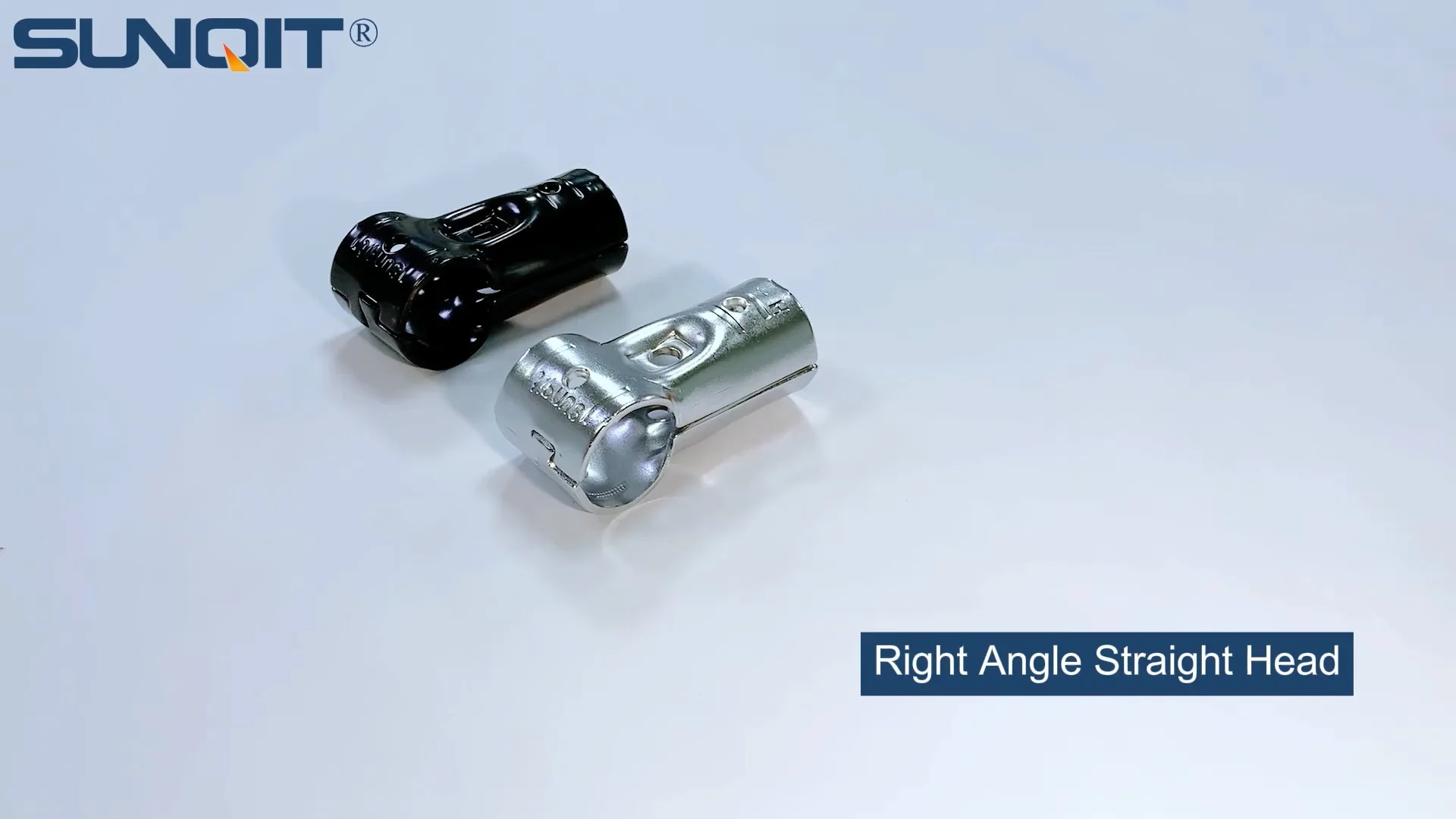
In the fast-paced world of manufacturing and production, efficiency isn't just a buzzword—it's the backbone of success. At the heart of many lean systems lies a humble yet critical component: the two way lean pipe joint. These unassuming connectors link lean pipes, forming workbenches, material racks, flow racks, and turnover trolleys that keep workflows moving smoothly. But here's the thing: even the sturdiest lean pipe joint can't last forever without proper care. Neglecting maintenance might seem harmless at first, but over time, it leads to loose connections, wobbly structures, and unexpected downtime—costing your team time, money, and frustration. The good news? With a little attention and these practical maintenance tips, you can significantly extend the lifespan of your two way lean pipe joints, ensuring your lean system stays robust and reliable for years to come.
Understanding Two Way Lean Pipe Joints: More Than Just a Connector
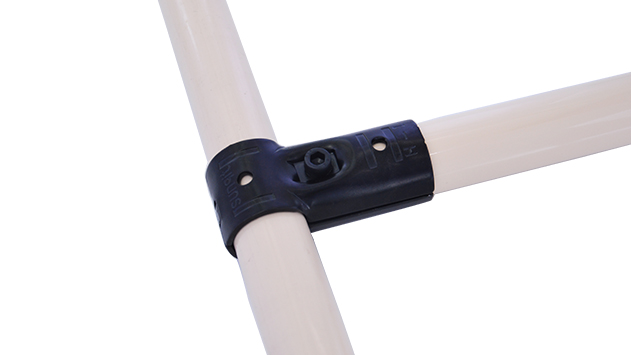
Before diving into maintenance, let's take a moment to appreciate what two way lean pipe joints actually do. These small but mighty components are the "glue" of lean pipe systems, designed to connect two lean pipes at various angles (often 90 degrees, though some are adjustable). They come in different materials, from durable plastic to metal alloys, and are engineered to withstand the daily wear and tear of production environments. For instance, joints paired with aluminum lean pipe offer lightweight flexibility, while those in the stainless steel pipe series provide superior corrosion resistance—ideal for humid or chemical-exposed areas. No matter the material, their job is simple: keep pipes securely fastened so that the entire structure, whether it's a workbench or a material rack, remains stable and functional.
Two way lean pipe joints also play a key role in the adaptability of lean systems. Since lean manufacturing thrives on flexibility—reconfiguring workstations as needs change—these joints need to be both strong and easy to adjust. This means their internal mechanisms (like threads, springs, or locking pins) must stay in top shape to allow for disassembly and reassembly without losing integrity. And let's not forget their partnership with lean pipe and accessories: a joint is only as good as the pipes and fittings it connects. Using genuine, high-quality accessories ensures a snug fit, reducing stress on the joint itself and preventing premature failure.
Essential Maintenance Tips for Two Way Lean Pipe Joints
1. Regular Cleaning: Keep Debris from Dragging Down Performance
Dust, oil, grease, and even small bits of production waste (like metal shavings or plastic scraps) are the silent enemies of two way lean pipe joints. Over time, this gunk builds up in crevices, jamming moving parts and corroding metal surfaces. Imagine trying to tighten a joint covered in sticky oil and dust—it's like trying to turn a rusted bolt: frustrating and ineffective. Regular cleaning is your first line of defense.
So, how do you clean a two way lean pipe joint properly? Start with a soft, lint-free cloth to wipe away surface dust and loose debris. For more stubborn grime (like dried oil or grease), dampen the cloth with warm water and a mild detergent—avoid harsh chemicals like bleach or abrasive cleaners, which can strip protective coatings or damage plastic components. If the joint has hard-to-reach areas (like internal threads or hinge points), use a soft-bristled brush (an old toothbrush works great) to gently dislodge debris. After cleaning, dry the joint thoroughly with a clean cloth to prevent moisture buildup, which can lead to rust in metal joints.
Pro tip: Tailor your cleaning frequency to the environment. If the joint is in a dusty warehouse or near a machine that generates debris, clean it weekly. In cleaner areas (like an assembly line with minimal dust), monthly cleaning should suffice. And if the joint is part of a caster-equipped trolley (think turnover trolleys from the caster and accessories lineup), bump that frequency up—wheels kick up more dust, and constant movement means more opportunities for gunk to work its way into the joint.
2. Thorough Inspection: Catch Issues Before They Escalate
Cleaning is also the perfect time to inspect your two way lean pipe joint for signs of trouble. A quick visual check can spot issues early, before they turn into major problems. What should you look for? Let's break it down:
| Inspection Area | What to Look For | Action if Issue Found |
|---|---|---|
| Joint Body | Cracks, chips, or deformation (especially around stress points like where the joint connects to pipes) | replace the joint immediately—cracks compromise structural integrity and can lead to sudden failure. |
| Threads or Locking Mechanisms | Stripped threads, bent locking pins, or rusted springs (common in metal joints) | For stripped threads: Use a thread repair kit or replace the joint. For rusted springs: Apply a penetrating oil (like WD-40) and gently work the mechanism—if it still sticks, replace the joint. |
| Connection Points | Gaps between the joint and lean pipe, or visible wear on the pipe where it meets the joint | Tighten the joint (see Tip 4) or replace the pipe if it's worn—gaps mean the joint is under extra stress. |
| Surface Finish | Peeling paint, rust spots (on metal joints), or discoloration (on plastic joints) | For rust: Sand lightly with fine-grit sandpaper, then apply a rust-inhibiting primer and touch-up paint. For plastic: If discoloration is due to chemical exposure, consider replacing the joint to avoid hidden degradation. |
Don't rush inspections—take your time to check every angle. A magnifying glass can help spot tiny cracks, and a flashlight can illuminate dark crevices. If the joint is part of a larger structure (like a workbench), gently shake the structure to test for wobbling—this often reveals loose joints that might not be visible at first glance.
3. Proper Lubrication: Keep Moving Parts Moving Smoothly
Many two way lean pipe joints have moving parts—hinges, adjustable collars, or spring-loaded locks—that rely on lubrication to function smoothly. Without it, these parts grind against each other, causing friction, wear, and eventually, seizing. Think of it like a door hinge: without oil, it creaks and sticks; with the right lubricant, it swings effortlessly.
The key here is to use the right lubricant for the job. For plastic joints or joints with plastic components, stick to silicone-based lubricants—oil-based lubricants can degrade plastic over time. For metal joints, a light machine oil (like 3-in-1 oil) or graphite powder (for dry lubrication in dusty environments) works well. Avoid heavy greases, which attract dust and debris, turning into a gritty paste that does more harm than good.
How to apply lubricant? Start by cleaning the joint (see Tip 1) to remove old lubricant and debris. Then, apply a small amount directly to the moving parts—just enough to coat the surface. For hinges, open and close the joint a few times to work the lubricant in. For threaded joints, a drop of oil on the threads makes tightening and loosening easier. Wipe away any excess with a clean cloth to prevent dust buildup. Aim to lubricate every 3 months under normal use; if the joint is adjusted frequently (like in a reconfigurable workbench), lubricate monthly.
4. Tightening Connections: Keep Joints Snug, Not Stripped
It's no secret: vibration, movement, and even temperature changes can loosen two way lean pipe joints over time. A loose joint isn't just a nuisance—it's a safety hazard. A wobbly workbench or material rack can cause tools or materials to fall, and over time, the extra stress on the joint accelerates wear. Tightening connections regularly is a simple fix, but there's a catch: you need to do it right.
First, use the correct tool. Most lean pipe joints are tightened with a hex key (Allen wrench) or a Phillips-head screwdriver—using the wrong size tool can strip the fastener, making it impossible to tighten later. Apply steady, even pressure when tightening—stop when you feel resistance, and avoid "over-tightening." Overtightening can warp the joint, strip threads, or even crack the plastic or metal. A good rule of thumb: tighten until the joint feels secure, then give it a quarter-turn more—no more.
For joints that connect to aluminum lean pipe, be extra gentle. Aluminum is softer than steel, so over-tightening can dent or deform the pipe, creating a loose fit even after tightening. If you're unsure about torque, check the manufacturer's guidelines—many lean pipe suppliers provide specs for their joints. And if a joint keeps loosening despite regular tightening, inspect the threads: they might be stripped, and it's time for a replacement.
5. Protect from Environmental Hazards: Shield Joints from the Elements
Two way lean pipe joints don't exist in a vacuum—they're exposed to everything from humidity and extreme temperatures to chemicals and UV light. Each of these elements can take a toll, so protecting joints from environmental stressors is key to extending their life.
Let's start with moisture. Humid environments or occasional water exposure (like cleaning with a hose) can cause metal joints to rust. If your joint is in a damp area, consider applying a rust-inhibiting spray (like Rust-Oleum) after cleaning. For stainless steel pipe series joints, which are more corrosion-resistant, a quick wipe with a dry cloth after exposure is usually enough to prevent water spots. For plastic joints, moisture isn't as big a threat, but standing water can lead to mold growth in crevices—so always dry joints thoroughly after cleaning.
Extreme temperatures are another culprit. In hot environments (like near ovens or welding stations), plastic joints can soften or warp; in cold environments, they can become brittle. If possible, keep lean pipe structures away from direct heat sources or cold drafts. For metal joints, temperature swings can cause expansion and contraction, loosening connections—so check tightness more frequently in these conditions.
Chemicals are a hidden danger. Oil, coolant, solvents, or even strong cleaning agents can degrade joint materials. If the joint is near a machine that leaks oil, place a drip tray under the structure to catch spills. If chemicals do come into contact with the joint, clean it immediately with mild soap and water to neutralize the substance. And avoid using harsh degreasers or solvents directly on the joint—they can eat away at plastic or strip metal coatings.
6. Smart Usage: Treat Joints with Care to Avoid Unnecessary Stress
Sometimes, the best maintenance is preventing damage in the first place. How your team uses the lean pipe structure directly impacts the lifespan of the two way lean pipe joints. For example, overloading a material rack puts excessive weight on the joints, causing them to bend or crack. Slamming a workbench drawer or dropping heavy tools on the surface sends shockwaves through the structure, loosening joints over time. Even something as simple as leaning on a pipe connected to a joint can add stress it wasn't designed to handle.
The solution? Train your team on proper usage. Post weight limits on material racks and workbenches (most lean pipe suppliers provide load ratings for their structures). Encourage gentle handling—no slamming, dropping, or climbing on lean pipe structures. When moving a caster-equipped trolley (from the caster and accessories range), push from the center to distribute weight evenly, avoiding sudden stops or sharp turns that jolt the joints. And when reconfiguring the structure, disassemble joints carefully: don't yank pipes apart, as this can bend or break the joint's locking mechanism.
Troubleshooting Common Two Way Lean Pipe Joint Issues
Even with regular maintenance, you might run into issues with your two way lean pipe joints. Here's how to troubleshoot the most common problems:
Stuck Joints: If a joint won't loosen or adjust, first try lubricating the moving parts (see Tip 3). If that doesn't work, check for debris jammed in the mechanism—use a brush or compressed air to blow it out. For threaded joints, a penetrating oil (like PB Blaster) can loosen rust or corrosion—let it sit for 10–15 minutes before trying to turn the joint.
Wobbly Connections: A joint that feels loose even after tightening might have stripped threads or worn pipe ends. Inspect the pipe: if it's dented or crushed where it connects to the joint, replace the pipe. If the threads on the joint are stripped, replace the joint itself—using a damaged joint is a safety risk.
Corrosion on Metal Joints: For minor rust, sand the area with fine-grit sandpaper, then apply rust-inhibiting paint. For severe corrosion (pitting or holes), replace the joint—corrosion weakens the metal, making the joint prone to failure.
Cracked Plastic Joints: Plastic joints can crack from over-tightening, impact, or chemical exposure. Unfortunately, cracks can't be repaired—replace the joint immediately to avoid structural failure.

Conclusion: Small Efforts, Big Results for Your Lean System
Two way lean pipe joints might not get the glory, but they're the unsung heroes of your lean system. By taking the time to clean, inspect, lubricate, tighten, and protect them, you're not just extending their lifespan—you're ensuring your entire operation runs smoothly, with fewer disruptions and safer workspaces. Remember, maintenance isn't a one-time task; it's an ongoing commitment. A few minutes each week or month can save you hours of downtime and hundreds of dollars in replacement parts down the line.
So, grab that cloth, hex key, and lubricant, and give your two way lean pipe joints the care they deserve. Your lean system (and your bottom line) will thank you.