- Company Articles
- Products and Technology
- Installation And Maintenance
- Maintenance Tips to Prolong 60 Aluminum Roller Track Small Wheel Lifespan

Maintenance Tips to Prolong 60 Aluminum Roller Track Small Wheel Lifespan
Related Product
60 Aluminum Roller Track Small Wheel
Modular system roller tracks aluminum gravity roller tracks are an excellent solution for transporting materials within industrial environments, warehouses and distribution centres.
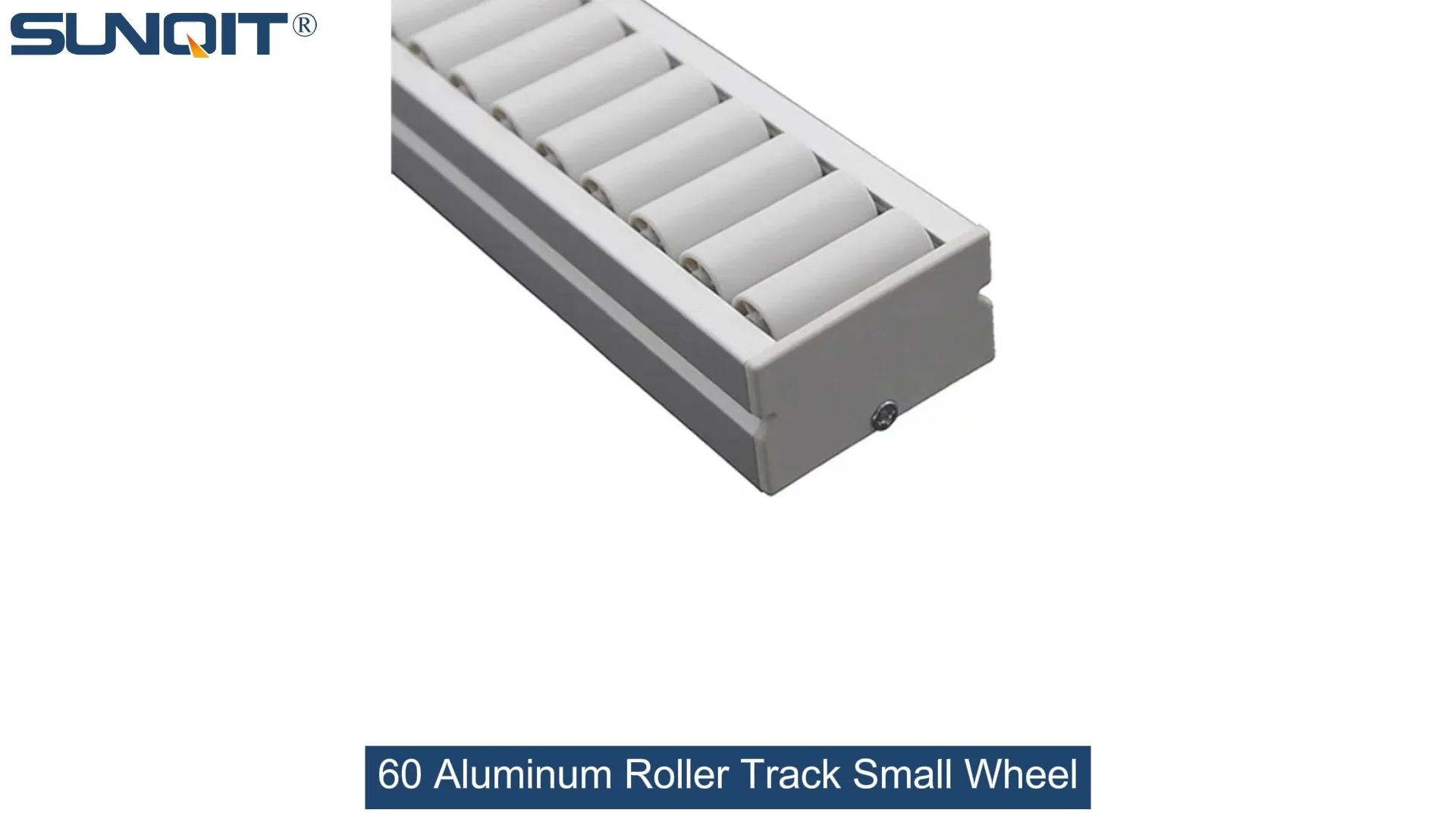
Maintenance Tips to Prolong 60 Aluminum Roller Track Small Wheel Lifespan
If you've ever worked with conveyors or lean systems in manufacturing, you know how critical every small component is to keeping operations running smoothly. The 60 aluminum roller track small wheel is one such component—quietly doing its job day in and day out, moving parts and materials along production lines without fanfare. But like any hardworking part, it needs regular care to stay in top shape. Neglecting maintenance can lead to unexpected downtime, increased repair costs, and even safety risks. In this guide, we'll walk you through practical, easy-to-follow tips to extend the lifespan of these wheels, ensuring your lean system remains efficient and reliable.
1. Daily Inspection: Catch Issues Early
The first step to proactive maintenance is a quick daily check. Spending just 5-10 minutes each day inspecting your roller tracks can prevent small problems from turning into big ones. Here's what to look for:
| Inspection Item | What to Look For | Action if Issue Found |
|---|---|---|
| Wheel Rotation | Wheels that don't spin freely or feel stiff | Clean the wheel axle and apply lubricant (see Section 3) |
| Debris on Track | Dust, dirt, or small parts stuck between wheels or on the track surface | Remove debris immediately using a soft brush or cloth |
| Loose Connections | Wobbly roller track accessories like brackets or connectors | Tighten screws or bolts; replace damaged connectors if needed |
| Track Alignment | Track sections that are misaligned or uneven | Adjust the track supports to ensure a straight, level path |
| Wheel Wear | Cracks, flat spots, or excessive wear on wheel surfaces | Mark the wheel for replacement during your next scheduled maintenance |
2. Regular Cleaning: Keep Wheels and Tracks Debris-Free
Dust, dirt, and production waste are the biggest enemies of roller wheels. Over time, these particles can build up on the track surface and around the wheel axles, causing friction and slowing down movement. Here's how to clean effectively:
-
Daily Quick Clean:
Use a soft-bristled brush or microfiber cloth to wipe down the track and wheels. Pay special attention to the gaps between wheels where debris tends to accumulate.
-
Weekly Deep Clean:
For high-usage tracks, do a more thorough clean once a week. Use a mild detergent mixed with warm water (avoid harsh chemicals that can damage aluminum profile accessories) and a soft sponge. Rinse with clean water and dry completely to prevent rust or corrosion.
-
Hard-to-Reach Areas:
Use a toothbrush or compressed air to blow out debris from tight spaces like wheel axles or roller track connectors.
Pro Tip: If your track is used in a dusty environment (like a warehouse or manufacturing floor), consider installing a protective cover to minimize debris buildup between cleanings.
3. Lubrication: Keep Wheels Spinning Smoothly
Proper lubrication reduces friction between the wheel axle and the track, which is key to extending wheel lifespan. But it's important to do it right—too much or the wrong type of lubricant can cause more harm than good.
-
When to Lubricate:
Depending on usage, lubricate every 2-4 weeks. If your track is used continuously (24/7), you may need to lubricate weekly.
-
What Lubricant to Use:
Choose a light, non-greasy lubricant like silicone spray or a light machine oil. Avoid heavy greases—they attract dust and dirt, leading to clogs.
-
How to Apply:
Apply a small drop of lubricant to the axle of each wheel. Spin the wheel to distribute the lubricant evenly. Wipe off any excess with a clean cloth to prevent dust buildup.
4. Address Wear and Tear: Know When to replace Parts
Even with regular care, wheels will eventually wear out. Knowing when to replace them can save you time and money. Here are signs it's time for new wheels:
-
Cracks or Chips:
Visible damage to the wheel surface means it's no longer safe to use. Cracked wheels can break unexpectedly, causing downtime.
-
Flat Spots:
If a wheel has a flat spot (from heavy loads or sudden stops), it will cause vibration and noise. replace it immediately to avoid damaging the track.
-
Excessive Noise:
If a wheel makes a grinding or squealing sound even after cleaning and lubrication, it's likely worn out.
When replacing wheels, always use the same type of 60 aluminum roller track small wheels to ensure compatibility. Also, check other roller track accessories like brackets and connectors—if they're worn, replace them at the same time to avoid future issues.
5. Proper Usage: Prevent Unnecessary Wear
How you use your roller track has a big impact on wheel lifespan. Follow these guidelines to minimize wear:
-
Don't Overload:
Every track has a weight limit. Check the manufacturer's specifications and never exceed it. Overloading causes uneven wear on wheels and can bend the track.
-
Avoid Impact:
Don't drop heavy items onto the track. Use gentle handling to place materials on the track to prevent damage to wheels and aluminum profile accessories.
-
Even Loading:
Place materials evenly across the track to distribute weight. Uneven loads cause some wheels to bear more weight than others, leading to premature wear.
6. Storage and Environmental Care: Protect When Not in Use
If your roller track is not in use (e.g., during shutdowns or seasonal breaks), proper storage is essential to keep wheels in good condition:
-
Clean First:
Before storing, clean the track and wheels thoroughly to remove any debris or lubricant residue.
-
Store in a Dry Place:
Moisture can cause rust on metal parts. Store the track in a cool, dry area away from direct sunlight or rain.
-
Cover It Up:
Use a dust cover or plastic sheet to protect the track from dust and dirt while in storage.
7. Troubleshooting Common Issues
Even with the best maintenance, issues can arise. Here's how to fix some common problems:
-
Sticking Wheels:
If wheels are stuck, first clean the axle and apply lubricant. If that doesn't work, check for debris under the wheel or a bent axle. replace the wheel if necessary.
-
Misaligned Track:
If materials don't move straight, check the track alignment. Adjust the supports or roller track accessories to ensure the track is level and straight.
-
Excessive Vibration:
Vibration usually comes from worn wheels or an uneven track. replace worn wheels and adjust the track to level it.
Conclusion: Consistent Care Pays Off
Taking care of your 60 aluminum roller track small wheels isn't just about extending their lifespan—it's about keeping your entire lean system running efficiently. By following these simple maintenance tips, you can reduce downtime, lower repair costs, and ensure your production lines stay productive. Remember, small, regular efforts go a long way. So take a few minutes each day to inspect, clean, and lubricate your roller tracks—your future self (and your bottom line) will thank you.
Whether you're using these wheels in a conveyor system, lean pipe workbench, or any other manufacturing setup, consistent maintenance is the key to getting the most out of your equipment. And when it's time to replace parts, make sure to choose high-quality roller track accessories and wheels to keep your system performing at its best.