- Company Articles
- Products and Technology
- Installation And Maintenance
- Maintenance Tips to Prolong the Lifespan of 40 Roller Track Placon Mount drop High

Maintenance Tips to Prolong the Lifespan of 40 Roller Track Placon Mount drop High
Related Product
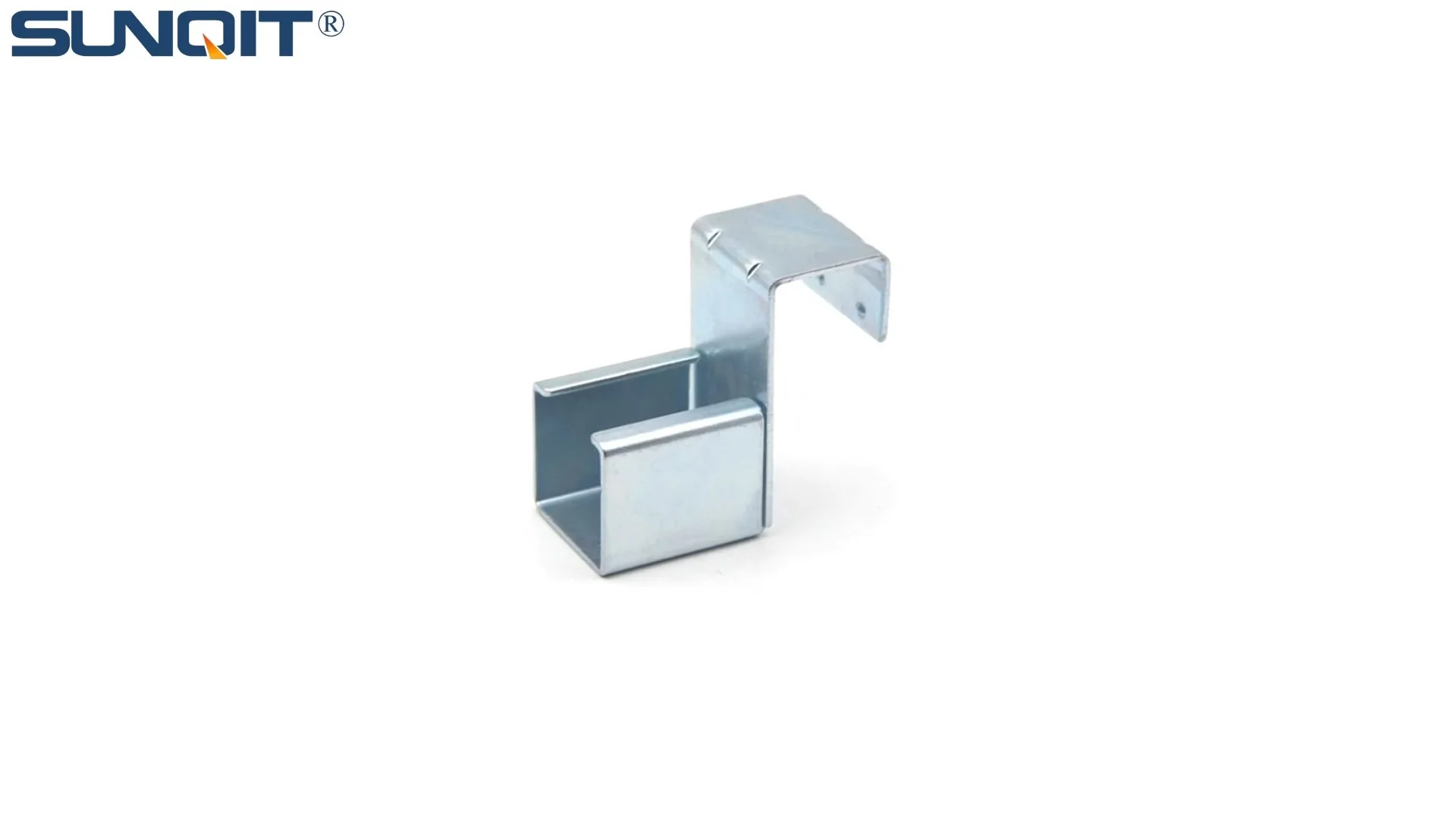
40 Roller Track Placon Mount drop High
Roller track placon mount work as a connector for roller track and pipe or aluminum profile in rack syetem, it is a necessary parts in rack system which widely used in industrial plant and logistic,warehouse storage.
If you've ever worked in a manufacturing setup—whether it's a 3C assembly line churning out smartphones or a medical device workshop piecing together precision tools—you know how crucial smooth material flow is. And that's where the 40 Roller Track Placon Mount drop High comes in. This unassuming yet hardworking component is the backbone of efficient production, quietly moving parts from one workstation to the next. But here's the thing: even the sturdiest roller tracks need a little TLC to keep performing at their best. Let's dive into practical, no-nonsense maintenance tips that'll save you from unexpected breakdowns, keep your lean solution running like a well-oiled machine, and make sure this workhorse serves you for years to come.
1. Start with the Basics: Daily Cleaning
You wouldn't let dust pile up on your laptop keyboard, right? Well, your roller track deserves the same care. Dust, metal shavings, and even tiny plastic fragments from production can sneak into the gaps between rollers or cling to the aluminum profile, slowing things down over time. Here's how to keep it spick and span:
- Soft cloth or microfiber towel: Wipe down the aluminum profile surface and roller edges every day. A quick once-over removes surface dust before it becomes a problem.
- Soft-bristle brush: For those tricky nooks between rollers or around the placon mount joints, a small brush (think old toothbrush size) works wonders. Gently dislodge any debris—you don't want to scratch the aluminum!
- Compressed air: If you're dealing with stubborn dust in tight spots (like the roller bearings), a blast of compressed air (on low pressure!) will blow it out without damaging sensitive parts.
Pro Tip: Skip the harsh chemicals! Avoid solvents, bleach, or abrasive cleaners—they can strip the protective coating on the aluminum profile and corrode the roller wheels. Stick to plain water or a mild, pH-neutral soap if things get greasy.
2. Regular Inspections: Catch Issues Before They Escalate
Cleaning is great, but inspections? That's how you spot the early warning signs of trouble. Think of it like a health check-up for your roller track. Let's break down what to look for, and when:
| Inspection Item | Frequency | What to Do | Why It Matters |
|---|---|---|---|
| Roller rotation | Daily | Spin each roller by hand. They should turn smoothly, no jamming or grinding. | Sticky rollers mean extra friction, which wears out bearings and slows production. |
| Aluminum profile alignment | Weekly | Check if the track is straight. Look for bends or warping, especially near joints. | Misaligned aluminum profiles cause parts to get stuck or slide off-track. |
| Placon mount connections | Weekly | Give the mount brackets a gentle wiggle. They should feel tight, no looseness. | Loose mounts can make the track wobble, leading to uneven wear on rollers. |
| Roller wheels condition | Monthly | Check for cracks, chips, or flat spots on wheel surfaces (especially plastic or steel wheels). | Damaged wheels create noise, vibration, and can scratch delicate parts (hello, ESD workstation nightmares!). |
| Track height consistency | Monthly | Use a level tool to ensure the "drop high" (height difference between sections) is uniform. | Inconsistent height causes parts to get stuck when transitioning between track segments. |
Pro tip: Keep a small notebook or digital log to jot down what you find. Over time, you'll start noticing patterns—like a particular roller that always gets sticky after a week—and fix issues before they become big problems.

3. Lubrication: Keep It Rolling Smoothly
Ever tried opening a rusty door hinge? It's noisy, stiff, and frustrating. Your roller track's bearings and moving parts feel the same way without proper lubrication. But not all lube is created equal—let's get this right:
- Choose the right lubricant: For roller track bearings, a light silicone-based grease or dry PTFE spray works best. Avoid heavy oils—they attract dust and gunk, turning into a gritty mess that does more harm than good.
- Where to lube: Focus on the axle points where each roller meets the track frame. A tiny drop (seriously, less is more!) on each bearing is enough. If your track has adjustable joints (like those connecting to the aluminum profile), a quick spray on the moving parts keeps them easy to adjust later.
- How often: Aim for lubrication every 2-4 weeks, depending on usage. If your track is running 24/7 in a busy production line, lean toward the 2-week mark. For lighter use, 4 weeks is fine.
Heads Up: Wipe off excess lubricant with a clean cloth after application. You don't want it dripping onto parts or attracting more dust. And if you're using the track in a cleanroom or ESD-sensitive area (like an ESD workbench for electronics), check with your supplier for ESD-safe lubricant options.

4. Tighten Up: Check Fasteners and Connections
Manufacturing floors are noisy, vibrate constantly, and let's be real—parts occasionally get dropped or bumped against equipment. All that action can loosen screws, bolts, and brackets over time. A loose connection here isn't just a minor annoyance; it can throw off the entire track alignment or even cause a section to detach. Here's how to stay on top of it:
- Daily "wiggle test": Give the placon mount brackets and aluminum profile supports a gentle shake. If anything moves more than a tiny bit, it's time to tighten.
- Weekly tool check: Grab a Phillips-head screwdriver or Allen wrench (depending on your track's fasteners) and go through each connection point. Don't overtighten—just snug them up until they don't twist anymore. Stripping a screw is worse than a slightly loose one!
- Inspect for wear: Look at screw heads and bracket holes. If you see rust, stripped threads, or cracks in the aluminum profile mounts, replace those parts ASAP. Using worn hardware is like building a house with rotting nails—eventually, it'll collapse.
Remember: The 40 Roller Track Placon Mount drop High is often connected to other system components, like workbenches or conveyor lines. So if you notice the track itself is solid but the adjacent workbench feels wobbly, check those connecting points too. A stable ecosystem keeps everything running smoothly.

5. Control the Environment: Protect Against the Elements
Your roller track might live indoors, but that doesn't mean it's safe from environmental threats. Temperature swings, humidity, and even the type of floor it's installed on can affect its lifespan. Let's break down the key factors:
- Temperature extremes: Aluminum profiles handle heat and cold better than some materials, but drastic changes (like a track near a furnace or air conditioning vent) can cause expansion and contraction. Over time, this weakens joints. Try to keep the area around the track within 15–35°C (59–95°F) if possible.
- Humidity and moisture: High humidity can lead to rust on steel components or corrosion on uncoated aluminum. If your facility is in a damp area, wipe down the track more frequently and consider a protective coating for exposed metal parts. Avoid placing the track near water sources or areas prone to spills.
- Corrosive environments: If you're using the track in a workshop with chemicals, coolants, or solvents (like in automotive manufacturing), make sure to clean up spills immediately. These substances can eat away at the aluminum profile's finish and damage roller wheels.
- Floor stability: A uneven floor might not seem like a big deal, but it can put extra stress on the track's supports. If the floor is warped or has potholes, use shims under the mounts to level the track. Your roller track (and your back!) will thank you.
6. Know When to Call in the Pros (And When to Upgrade)
Even with meticulous DIY maintenance, there are times when you need an expert's touch. Lean solution isn't just about fixing what's broken—it's about sustainable improvement. Here's when to pick up the phone:
- Bent or damaged aluminum profile: If the main track frame is warped beyond simple adjustment, a professional can straighten it or replace the section without compromising the entire system.
- Persistent roller issues: If you've cleaned, lubed, and replaced rollers, but they still jam or make loud noises, the axle or bearing housing might be worn. Suppliers have the right parts and tools to fix this properly.
- System-wide alignment problems: If the track keeps misaligning with connected conveyors or workstations despite your best efforts, a technician can re-calibrate the entire setup to factory specs.
And hey, sometimes "maintenance" means knowing when to upgrade. If your track is constantly struggling with heavy loads or high speeds, ask your supplier about reinforced rollers or thicker aluminum profile options. It might seem like an extra cost now, but it'll save you from endless repairs down the line—classic lean solution thinking!
FAQs: Quick Fixes for Common Roller Track Headaches
Q: My roller track suddenly started making a loud grinding noise. What's wrong?
A: Start with the obvious—check for debris stuck between rollers. If that's clear, spin the noisy roller by hand. If it feels rough, the bearing might be failing. replace the roller, and while you're at it, check adjacent rollers for wear—sometimes issues spread!
Q: Parts keep sliding off the track. How do I fix that?
A: First, check the aluminum profile alignment—if the track is tilted, parts will drift. Use a level to adjust the mounts. If alignment is good, look at the guide rails (if your track has them). Loose or bent guides can cause parts to veer off. Tighten or replace the guides as needed.
Q: Can I use WD-40 to lubricate the rollers?
A: WD-40 is great for cleaning and loosening rust, but it's not a long-term lubricant. It'll dry out quickly, leaving your bearings unprotected. Stick with silicone grease or dry PTFE spray for lasting lubrication.
Wrapping It Up: Maintenance = Productivity
At the end of the day, maintaining your 40 Roller Track Placon Mount drop High isn't just about extending its lifespan—it's about keeping your production line moving, reducing downtime, and staying true to that lean solution promise of efficiency. A few minutes of daily cleaning, a weekly check of rollers and fasteners, and regular lubrication go a long way. And when you pair that with smart upgrades and knowing when to call in experts, you'll have a track that doesn't just last— it thrives, no matter how busy your workshop gets.
So grab that cloth, check those rollers, and give your track the care it deserves. Your future self (and your production metrics) will thank you.