- Company Articles
- Products and Technology
- Installation And Maintenance
- Maintenance Tips to Prolong the Lifespan of Aluminum Workbench C

Maintenance Tips to Prolong the Lifespan of Aluminum Workbench C
Related Product
Aluminum Workbench C
aluminum-tube-workbench-is-more-flexible-and-durable,-compared-with-traditional-pe/abs-coated-steel-tube.-it-is-easy-to-assemble,-anti-corrosion,-rust-protection,-and-recycle-use-after-disassemble.
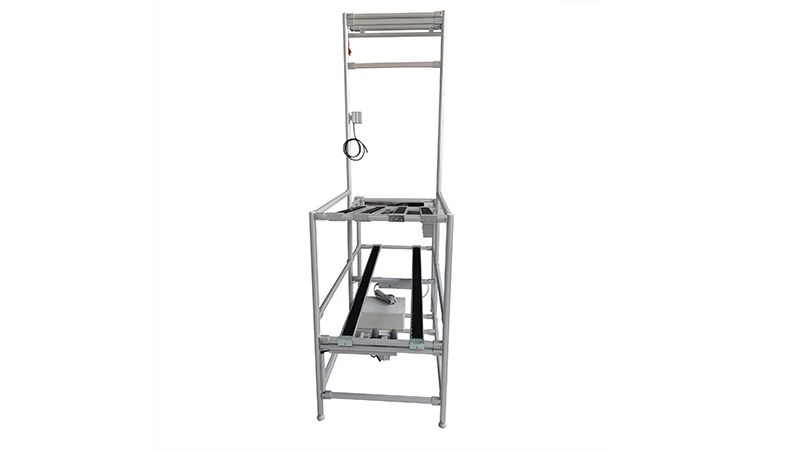
Let's start with the obvious: Your Aluminum Workbench C is more than just a piece of equipment. It's the backbone of your workspace—where parts are assembled, tools are organized, and deadlines are met. Whether you're running a small workshop or a large-scale production line, this workbench takes a lot of daily abuse: heavy tools dropped on its surface, spills from cleaning supplies, constant movement of materials, and the general wear and tear of a busy environment. But here's the thing: aluminum might be durable, but it's not invincible. Without proper care, even the sturdiest aluminum extrusion profile can start to show signs of damage, from loose joints to corroded surfaces. The good news? With a little intentional maintenance, you can keep your Aluminum Workbench C in top shape for years, saving you the hassle and cost of premature replacement. Let's dive into the practical, actionable steps to make that happen.
Understanding Your Aluminum Workbench C: What Makes It Tick?
Before we jump into maintenance, let's take a quick look at what your workbench is made of. At its core is the aluminum extrusion profile—a material chosen for its strength, lightweight, and resistance to rust. Unlike traditional steel workbenches, aluminum extrusion profiles are formed by pushing molten aluminum through a die, creating a consistent, sturdy shape that's perfect for supporting heavy loads. Your Aluminum Workbench C likely features this profile as its main frame, paired with a flat work surface (maybe a single deck, as hinted by similar models like "workbench e (single deck-without caster)"), and held together by aluminum profile accessories like connectors, brackets, and end caps.
These accessories are just as crucial as the main profile. Think about the aluminum profile connectors that keep the legs attached to the tabletop, or the end caps that protect the edges of the extrusion from dents and moisture. Even small parts, like the screws holding the surface in place, play a role in the workbench's stability. Understanding this structure helps you target your maintenance efforts—you can't fix a loose joint if you don't know which accessory is causing the problem!
Daily Maintenance: Small Habits, Big Impact
Maintenance doesn't have to be a time-consuming chore. In fact, the most effective strategies are often the simplest daily habits. Let's break down what you can do each day to keep your Aluminum Workbench C in check.
1. Wipe It Down (Yes, Every Day)
At the end of each shift, take two minutes to wipe down the workbench surface with a soft, damp cloth. Why? Because even small debris—dust, metal shavings, or leftover oil—can scratch the aluminum over time. Metal shavings, in particular, are abrasive; if left to sit, they'll act like sandpaper every time you slide a tool or part across the surface. For sticky spills (like grease or adhesive), add a drop of mild dish soap to the cloth—avoid harsh chemicals like bleach or ammonia, which can eat away at the aluminum's protective finish.
2. Inspect for "Red Flags"
While you're wiping down the surface, do a quick visual check. Look for: loose aluminum profile accessories (like wobbly legs or brackets), cracks in the aluminum extrusion profile, or signs of moisture (puddles or condensation, which can lead to corrosion). If you spot a loose connector, tighten it on the spot with a hex key—don't wait for it to get worse. A two-second fix today can prevent a collapsed workbench tomorrow.
3. Keep It Clear of Heavy, Unbalanced Loads
Aluminum extrusion profiles are strong, but they have limits. Avoid piling heavy equipment (like large power tools) on one corner of the workbench—this creates uneven stress on the frame, which can bend or warp the aluminum over time. Instead, distribute weight evenly across the surface. If you regularly work with extra-heavy items, consider adding a reinforcement bracket (one of those handy aluminum profile accessories) to the underside of the tabletop for extra support.

Weekly Deep Cleaning: Going Beyond the Surface
Daily habits are the foundation, but weekly deep cleaning is where you'll tackle the grime that builds up in hard-to-reach places. This is especially important if your workshop deals with oils, coolants, or chemicals that can seep into joints and corrode the aluminum extrusion profile.
| Cleaning Task | Tools Needed | Step-by-Step | Why It Matters |
|---|---|---|---|
| Clean Joints and Crevices | Soft-bristle brush, compressed air can | Use the brush to loosen dust and debris in the joints where aluminum profile accessories meet the extrusion profile. Follow up with compressed air to blow out leftover particles. | Debris trapped in joints can cause corrosion and prevent connectors from tightening properly. |
| Polish the Surface | Aluminum polish, microfiber cloth | Apply a small amount of polish to the cloth and rub gently in circular motions on the workbench surface. Wipe off excess with a clean cloth. | Polish removes minor scratches and restores the aluminum's protective layer, preventing future damage. |
| Check for Hidden Moisture | Flashlight, dry rag | Shine a flashlight under the workbench and along the edges of the aluminum extrusion profile. Wipe up any moisture with the rag. | Even small amounts of water can lead to oxidation (that white, powdery residue) on aluminum if left unchecked. |
Pro tip: Avoid using steel wool or abrasive sponges during deep cleaning—they'll scratch the aluminum extrusion profile, making it more vulnerable to future damage. Stick to soft materials and gentle cleaners, and your workbench will thank you.

Monthly Component Checks: Keeping the "Glue" Strong
If daily and weekly tasks are about prevention, monthly checks are about preservation. This is when you'll take a closer look at the aluminum profile accessories and the integrity of the aluminum extrusion profile itself. Let's break it down:
1. Tighten All Aluminum Profile Accessories
Over time, the vibrations from daily use can loosen screws, bolts, and connectors. Grab a set of hex keys (most aluminum profile accessories use standard sizes) and go through each joint: legs to frame, frame to tabletop, brackets to sides. Tighten them snugly, but don't overdo it—aluminum threads are softer than steel, and overtightening can strip them. If you find a stripped screw or a cracked connector, replace it immediately—don't wait for it to fail. Most suppliers carry replacement aluminum profile accessories, so keeping a few spares on hand is a smart move.
2. Inspect the Aluminum Extrusion Profile for Damage
Run your hand along the edges of the frame and tabletop. Look for dents, cracks, or bends—even small ones can weaken the structure. Pay extra attention to areas that take the most abuse, like the corners of the workbench or the edges near where tools are placed. If you find a minor dent, you might be able to gently tap it out with a rubber mallet (avoid metal hammers, which can cause more damage). For cracks or deep scratches, consider applying a small amount of aluminum filler (available at hardware stores) to seal the area and prevent corrosion from setting in.
3. Check the Surface Treatment
Many aluminum workbenches come with a protective anodized coating—a thin layer applied to the aluminum extrusion profile to corrosion resistance. Over time, this coating can wear off, especially in high-traffic areas. To check, pour a few drops of water on the surface. If the water beads up, the coating is intact. If it soaks in or leaves a dark spot, the coating is worn, and the aluminum is exposed. In that case, apply a clear, protective sealant (look for one designed for aluminum) to restore the barrier.

Seasonal Adjustments: Adapting to the Elements
Workshops and factories aren't always climate-controlled. Humidity, temperature swings, and even exposure to outdoor elements (if your workbench is near an open door or window) can affect your Aluminum Workbench C. Here's how to adapt:
Humid Seasons (Summer, Rainy Months)
High humidity is aluminum's worst enemy, as it speeds up oxidation. During these times, increase your cleaning frequency—wipe down the workbench twice a day instead of once, and consider placing a small dehumidifier near the workbench if the area is particularly damp. You can also apply a light coat of silicone spray to the aluminum extrusion profile and accessories (avoid the work surface, as it can make tools slippery) to repel moisture.
Dry, Dusty Seasons (Winter, Low-Humidity Months)
Dust might seem harmless, but in dry conditions, it acts like sandpaper, scratching the aluminum surface every time you move items. During these months, add a weekly dusting with a microfiber cloth (in addition to your regular cleaning) and consider using a dust cover if the workbench isn't in use overnight. This simple step can drastically reduce surface wear.
Troubleshooting Common Issues: Fixing Problems Before They Escalate
Even with the best maintenance, issues can pop up. Here's how to handle the most common ones:
Problem: Loose or Wobbly Legs
First, check the aluminum profile accessories connecting the legs to the frame—they're likely loose. Tighten them as described earlier. If the legs still wobble, inspect the feet: some workbenches have adjustable leveling feet (another type of aluminum profile accessory) that can come loose. Twist them clockwise to tighten, or replace them if they're cracked.
Problem: White, Powdery Residue (Oxidation)
This is a sign of mild corrosion, usually from moisture. Mix equal parts white vinegar and water, dip a cloth in the solution, and gently rub the affected area. The vinegar will dissolve the oxidation. Rinse with a damp cloth and dry thoroughly. Follow up with a coat of aluminum polish to protect the surface.
Problem: Scratched or Dented Tabletop
For shallow scratches, apply a small amount of toothpaste (non-gel, white) to a soft cloth and rub in circular motions. The mild abrasives in toothpaste can buff out minor scratches. For deeper scratches or dents, use aluminum filler (as mentioned earlier) and sand it smooth once dry. Finish with polish to blend the area with the rest of the tabletop.
Long-Term Care: Thinking Beyond the Next Month
Maintenance isn't just about fixing what's broken—it's about preventing breaks in the first place. Here are some long-term strategies to keep your Aluminum Workbench C going strong:
1. Train Your Team on Proper Usage
Even the best maintenance routine can't overcome misuse. Make sure everyone who uses the workbench knows the basics: don't stand on it, don't drag heavy objects across the surface (lift them instead), and clean up spills immediately. A quick 5-minute training session can save you hours of repair work down the line.
2. Store Heavy Tools Properly
Instead of leaving large tools (like drills or saws) on the workbench overnight, invest in a wall-mounted rack or a tool chest. This reduces the weight on the aluminum extrusion profile and prevents accidental drops that can damage the surface.
3. Plan for Replacements (Before You Need Them)
Aluminum profile accessories, like connectors and end caps, have a lifespan too. Keep a list of the specific parts your workbench uses (check the manufacturer's manual or ask your supplier) and order replacements when you notice signs of wear. Waiting until a part fails can lead to downtime, which no one needs.
Conclusion: Your Workbench, Your Investment
At the end of the day, maintaining your Aluminum Workbench C isn't just about keeping a piece of equipment clean—it's about protecting an investment. A well-cared-for workbench will last years longer than one that's neglected, saving you money on replacements and reducing downtime. It'll also make your workspace safer: a stable, sturdy workbench is less likely to wobble, collapse, or cause accidents. And let's not forget the little things—like the pride of working at a bench that looks as good as it performs.
So, start small: pick one daily habit (like wiping down the surface) and stick with it. Then add a weekly deep clean, and before you know it, maintenance will feel like second nature. Your Aluminum Workbench C is there for you every day—isn't it worth a little time to return the favor?