- Company Articles
- Products and Technology
- Product knowledge
- Manufacturer Reviews: Real-World Feedback on Aluminum Workbench C

Manufacturer Reviews: Real-World Feedback on Aluminum Workbench C
Related Product
Aluminum Workbench C
aluminum-tube-workbench-is-more-flexible-and-durable,-compared-with-traditional-pe/abs-coated-steel-tube.-it-is-easy-to-assemble,-anti-corrosion,-rust-protection,-and-recycle-use-after-disassemble.
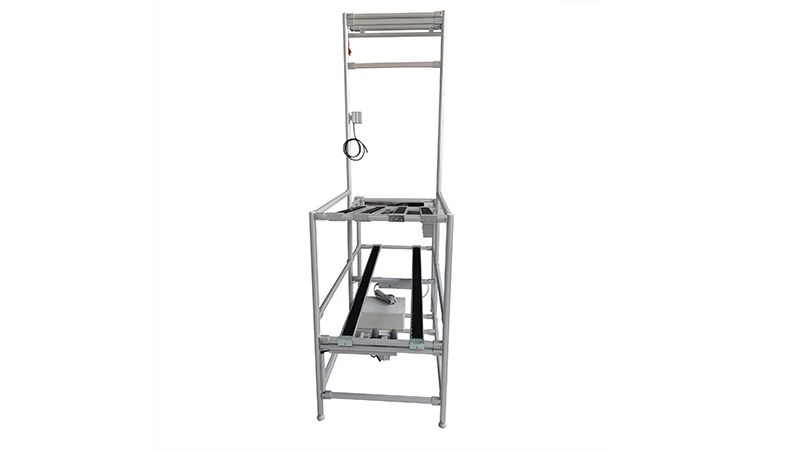
Insights from production floors, workshops, and lean system integrators
Why the Right Workbench Matters in Modern Manufacturing
Walk into any production facility, and you'll quickly realize that the workbench is more than just a table—it's the heartbeat of daily operations. It's where components are assembled, tools are organized, and teams collaborate to meet deadlines. A poorly designed workbench can slow down workflows, increase errors, and even lead to employee fatigue. On the flip side, a well-engineered one becomes a silent productivity booster, seamlessly integrating with existing processes and adapting to evolving needs.
In recent years, aluminum workbenches have gained traction, especially among manufacturers embracing lean systems. Their lightweight yet durable construction, combined with modular design, makes them a favorite for teams looking to minimize waste and maximize efficiency. Among these, Aluminum Workbench C has emerged as a popular choice, praised for its versatility and compatibility with aluminum profile accessories. But does it live up to the hype? To find out, we spoke with production managers, workshop owners, and lean system integrators who have integrated Aluminum Workbench C into their operations. Here's what they had to say.
Aluminum Workbench C: An Overview
Before diving into real-world feedback, let's break down what makes Aluminum Workbench C stand out. At its core, the workbench is built around a high-grade aluminum profile frame—lightweight, corrosion-resistant, and designed for easy assembly. Unlike traditional steel workbenches, which can be cumbersome to move and prone to rust in humid environments, Aluminum Workbench C's aluminum profile construction offers a balance of strength and portability.
Key features include:
- Material: 6063-T5 aluminum profile, known for its high tensile strength and resistance to wear.
- Load Capacity: Rated for up to 500 lbs (evenly distributed), making it suitable for heavy tools and components.
- Mobility: Optional caster wheel kits (lockable, 360-degree swivel) for easy repositioning on factory floors.
- Customization: Compatible with a range of aluminum pipe accessories, including shelves, tool hooks, and bin holders, allowing teams to tailor the setup to their specific needs.
- Assembly: Tool-free assembly with pre-drilled holes and snap-on aluminum profile connectors, reducing setup time.
- Surface Options: Available with a solid aluminum top, ESD (electrostatic discharge) laminate, or anti-slip rubber mat, catering to industries like electronics and automotive.
But specs only tell part of the story. To understand how Aluminum Workbench C performs in real life, we turned to those who use it daily.

Real-World Reviews: From the Factory Floor
Mark Thompson
Production Manager, AutoParts Co. (Automotive Manufacturing)
"We'd been using steel workbenches for years, and while they were sturdy, they were a nightmare to move. When we decided to reconfigure our assembly line to align with our lean system goals, we needed something more flexible. That's when we tested Aluminum Workbench C."
Mark's team at AutoParts Co. manufactures brake components, a process that requires frequent line adjustments to accommodate different product sizes. "Our old steel benches took two people to shift, and we were losing 2-3 hours a week just moving them around. With Aluminum Workbench C, we added the caster wheel kit, and now one person can reposition a bench in minutes. The lockable casters are a game-changer—no more slipping during assembly."
Durability was another concern. "We work with heavy metal parts, so we were worried the aluminum profile might bend. But after six months of daily use, the frames still look brand new. We've had up to 450 lbs on a bench during peak times, and there's zero warping. The surface has held up too—no scratches from wrenches or dropped components."
Customization was equally important. "We added overhead shelves using aluminum pipe accessories, and it took less than an hour per bench. Now tools are within arm's reach, cutting down on time wasted walking to toolboxes. Our lean system audit showed a 15% reduction in non-value-added movement after switching—way more than we expected."
"The only hiccup? The initial cost is higher than steel, but the time saved in labor and the durability make it worth every penny. We're already ordering 10 more."
Aisha Patel
Owner, PrecisionWorks (Small Electronics Workshop)
"As a small workshop, we can't afford equipment that doesn't pull its weight. When I started PrecisionWorks, I needed a workbench that could handle delicate circuit boards and heavy soldering equipment. Aluminum Workbench C checked both boxes."
Aisha's team assembles custom circuit boards for medical devices, a process that demands precision and static control. "We opted for the ESD laminate top to protect sensitive components. It's been six months, and we haven't had a single static-related failure—something we struggled with on our old wooden workbench."
Space is at a premium in her 800 sq ft workshop, so mobility and customization were key. "The caster wheels let us tuck benches against the wall when not in use, freeing up floor space for material storage. And with aluminum pipe accessories, we added a pegboard on one side for soldering irons and wire cutters, and a bin rail for small parts. It's like having a custom workstation without the custom price tag."
Assembly was a pleasant surprise. "I'm not exactly handy, but I put the first bench together myself in under an hour. The aluminum profile connectors snap into place, and the instructions are straightforward. No bolts, no nuts—just click and secure. When we hired a new technician, we set up a second bench in 45 minutes."
"My only wish? The aluminum profile comes in silver, which shows fingerprints easily. A quick wipe with a microfiber cloth fixes it, but it's something to note if you're obsessive about aesthetics."
Carlos Mendez
Lean System Integrator, LeanTech Solutions
"I recommend workbenches to clients daily, and Aluminum Workbench C is now my go-to for teams transitioning to lean systems. Why? Because it's designed for adaptability —the cornerstone of lean manufacturing."
Carlos works with manufacturers to optimize workflows, and he says Aluminum Workbench C's modularity sets it apart. "Lean isn't about setting up a workstation once and forgetting it. It's about continuous improvement. With this workbench, if a client wants to add a shelf next month or reposition a tool rail, they can do it without calling a contractor. The aluminum pipe accessories are universal, so they can mix and match components from different suppliers if needed."
He's seen the workbench transform operations for clients in diverse industries. "A food packaging client needed a bench that could be sanitized daily—aluminum profile doesn't harbor bacteria like wood, and the smooth surface wipes clean with disinfectant. A furniture manufacturer used the caster wheel kit to create mobile workstations that follow the assembly line, reducing back-and-forth movement. The versatility is unmatched."
Durability in high-traffic environments is another win. "I have a client in the automotive sector that runs three shifts a day. Their Aluminum Workbench C has been in use for over a year, and the only maintenance needed was tightening a loose caster wheel nut. The aluminum profile hasn't dented, even with forklifts passing nearby. For clients worried about ROI, that's a huge selling point."
"The only limitation? For extremely heavy loads (over 600 lbs), I still recommend steel. But for 90% of manufacturing and assembly tasks, Aluminum Workbench C is more than sufficient—and far more flexible."
Jake Wilson
Workshop Manager, GreenBuild (Sustainable Construction)
"We build custom solar panel frames, and our workshop is in a converted warehouse with high humidity. Steel workbenches were rusting within a year, so we switched to Aluminum Workbench C for its corrosion resistance. It was a smart move."
Jake's team works with aluminum extrusions and glass panels, so a stable, non-rusting surface was critical. "The aluminum profile frame hasn't shown a single spot of corrosion, even during rainy seasons. The workbench top is easy to clean—sawdust and aluminum shavings wipe right off with a damp cloth. We also added a hanging rail using aluminum pipe accessories to store measuring tapes and clamps, keeping the surface clear for assembly."
Mobility was less of a priority for his team, but the optional caster wheel kit came in handy during a recent workshop redesign. "We didn't order casters initially, but when we needed to rearrange the space, we bought the kit separately. Installation took 10 minutes per bench—no drilling required. That flexibility is a big plus."
One unexpected benefit? Ergonomics. "The aluminum profile legs are adjustable in 1-inch increments, so we could set the height to match our team's average height (5'10"). Fewer complaints about back pain now—definitely a morale booster."
"If I had to nitpick, the price for the ESD top is steep. We didn't need it, so we went with the standard aluminum surface, which works great. But for teams that do need ESD protection, it's a necessary expense."

User Feedback Summary: Key Themes from the Reviews
Across industries, several trends emerged from the feedback. To visualize this, we've summarized the most common praises and pain points in the table below:
| Feature | Mark (AutoParts Co.) | Aisha (PrecisionWorks) | Carlos (LeanTech) | Jake (GreenBuild) |
|---|---|---|---|---|
| Aluminum Profile Durability | "No warping after 6 months of 450 lbs loads." | "Surface scratch-resistant; frames still look new." | "Withstands 3-shift use for over a year." | "No corrosion in high humidity—steel rusted in 12 months." |
| Caster Wheel Mobility | "One person repositions in minutes; lockable casters stay put." | "Tuck benches away to save space; easy to move." | "Critical for lean workflows—adapts to line changes." | "Retrofitted later; installation took 10 minutes/bench." |
| Aluminum Pipe Accessories | "Added shelves in an hour; tools now within reach." | "Pegboard and bin rail for small parts—custom setup without cost." | "Universal compatibility allows continuous improvement." | "Hanging rail for clamps; keeps surface clear." |
| Assembly Time | "1.5 hours vs. 4 hours for steel workbench." | "Assembled first bench alone in under an hour." | "Tool-free setup—clients can do it themselves." | "Straightforward; no special tools needed." |
| Price | "Higher upfront, but labor savings justify it." | "Affordable for small workshops; customization adds value." | "Mid-range price, but ROI is fast for lean teams." | "Worth it for corrosion resistance; avoids replacement costs." |

Pros and Cons: What to Consider Before Buying
Pros
- Durable Aluminum Profile: Resists corrosion, scratches, and warping, even in high-humidity environments.
- Easy Mobility: Optional caster wheel kits make repositioning a breeze, ideal for dynamic workspaces.
- Customizable: Works with a wide range of aluminum pipe accessories for shelves, tool holders, and more.
- Quick Assembly: Tool-free setup with pre-drilled holes and snap-on connectors reduces downtime.
- Ergonomic Design: Adjustable legs and optional ESD surfaces cater to diverse industry needs.
- Lean System Friendly: Modular design supports continuous improvement and waste reduction.
Cons
- Higher Upfront Cost: More expensive than basic steel or wooden workbenches (though long-term durability offsets this).
- Limited Load Capacity for Heavy Industries: Max 500 lbs may not suit teams handling extremely heavy machinery.
- Aluminum Profile Shows Fingerprints: Requires regular wiping to maintain a clean appearance.
- ESD Surface Premium: ESD laminate adds 20-30% to the cost, which may be steep for small budgets.
- Caster Wheels Sold Separately: Basic model doesn't include mobility, requiring an additional purchase.
Maintenance Tips for Longevity
How to Keep Your Aluminum Workbench C in Top Shape
- Clean the Aluminum Profile Regularly: Wipe the frame and surface with a soft cloth and mild detergent (avoid abrasive cleaners) to remove fingerprints, dust, and debris. For stubborn stains, use a non-scratch sponge and baking soda mixed with water.
- Lubricate Caster Wheels: If using the caster wheel kit, apply a drop of silicone lubricant to the wheel axles every 3 months to ensure smooth rolling. Check for debris caught in the wheels weekly and remove it to prevent jamming.
- Tighten Aluminum Pipe Accessories: Over time, connectors may loosen with heavy use. Inspect shelves, rails, and hooks monthly and tighten any loose fasteners (most use hand-tighten knobs for easy adjustment).
- Protect the Surface: Use a rubber mat or ESD laminate (if applicable) to prevent scratches from sharp tools. Avoid dragging heavy objects across the top—lift instead to preserve the aluminum finish.
- Adjust Legs for Stability: If the workbench wobbles, check the adjustable legs. Use a level to ensure the surface is even, and tighten the leg locks to prevent shifting.
- Store in a Dry Area: While aluminum profile resists corrosion, prolonged exposure to standing water can damage caster wheel bearings. Wipe up spills immediately and avoid placing the workbench in puddles or damp corners.
Final Thoughts: Is Aluminum Workbench C Right for You?
After speaking with users across electronics, automotive, construction, and lean consulting, it's clear that Aluminum Workbench C excels in environments where adaptability, durability, and efficiency are priorities. Its aluminum profile construction offers a lightweight alternative to steel without sacrificing strength, while compatibility with aluminum pipe accessories and optional caster wheels makes it a versatile choice for dynamic workspaces.
For small workshops and large manufacturers alike, the workbench's quick assembly and customization options reduce downtime and allow teams to focus on what matters: production. While the upfront cost may be higher than basic models, the long-term savings in labor, maintenance, and replacement costs make it a worthwhile investment—especially for teams committed to lean systems and continuous improvement.
That said, it's not a one-size-fits-all solution. If your team regularly handles loads over 500 lbs or works in an environment where steel is mandated for safety, a heavier-duty option may be better. But for 90% of manufacturing, assembly, and workshop tasks, Aluminum Workbench C delivers on its promise of being a reliable, adaptable workhorse.
As Carlos from LeanTech Solutions put it: "A workbench should make your job easier, not harder. Aluminum Workbench C does exactly that—it gets out of the way so your team can focus on building great products."