- Company Articles
- Products and Technology
- Product knowledge
- Manufacturing Process of T Slot Aluminum Pipe: From Extrusion to Finishing

Manufacturing Process of T Slot Aluminum Pipe: From Extrusion to Finishing
Related Product
T Slot Aluminum Pipe
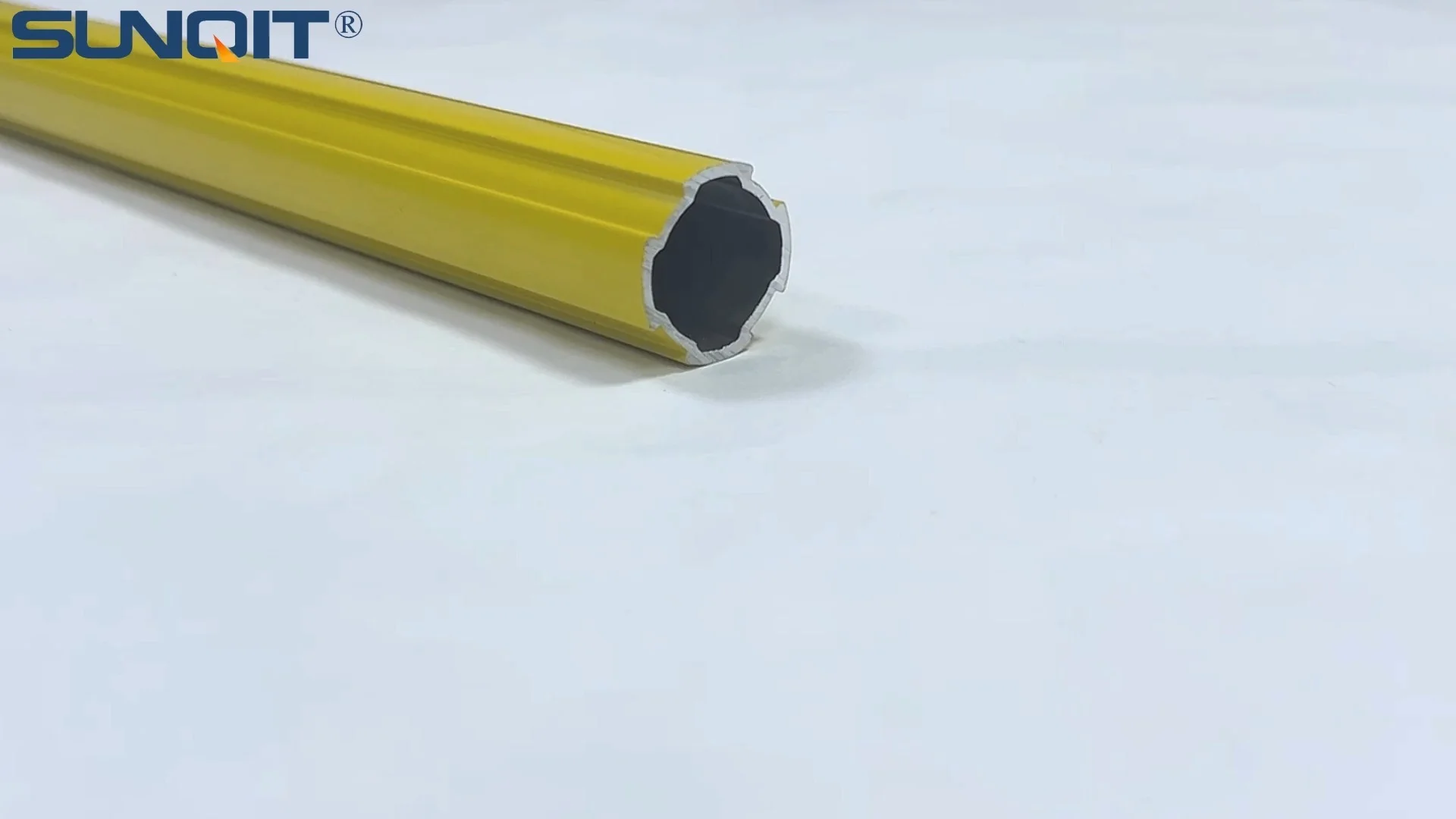
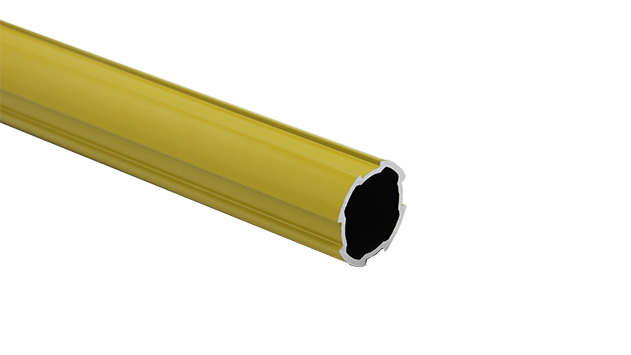
Aluminum pipe, it is used for workbench, flow rack,hand trolley assemble work with advantage of flexible and durable, yellow color makes it more attactive as a caution remind.
Introduction: The Backbone of Modern Manufacturing
Walk into any factory, workshop, or even a DIY garage, and you're likely to spot a familiar sight: sleek, modular structures built from shiny, silver pipes with grooves running along their length. These are T-slot aluminum pipes, the unsung heroes of modern manufacturing. From assembly line workbenches to material handling racks, from conveyor systems to custom machinery frames, these versatile components form the backbone of efficient, adaptable workspaces. But have you ever wondered how these unassuming pipes go from raw aluminum to the precision-engineered products that keep industries moving? Today, we're pulling back the curtain to explore the journey of a T-slot aluminum pipe—from the foundry where its story begins to the finishing touches that make it ready for action.
At its core, a T-slot aluminum pipe is more than just a length of metal. It's a product of careful engineering, precise manufacturing, and a deep understanding of what makes industrial components reliable and flexible. Unlike traditional steel pipes or rigid plastic tubing, T-slot aluminum pipes are designed with adaptability in mind. The "T-slot" refers to the T-shaped groove that runs along the length of the pipe, allowing accessories like brackets, connectors, and panels to slide in and lock into place—no welding, no drilling, no hassle. This simple yet genius design has made them indispensable in lean manufacturing systems, where quick reconfiguration and minimal downtime are key. But to appreciate their utility, we first need to understand how they're made.
Step 1: Raw Material Preparation – The Foundation of Quality
Every great product starts with great materials, and T-slot aluminum pipes are no exception. The journey begins with aluminum, a metal prized for its unique combination of strength, lightness, and corrosion resistance. But not just any aluminum will do. Manufacturers typically use aluminum alloys—mixtures of aluminum and small amounts of other metals like magnesium, silicon, and copper—to enhance specific properties. For T-slot pipes, the most common alloys are 6061 and 6063. Why these? 6061 offers excellent strength and weldability, making it ideal for heavy-duty applications, while 6063 is known for its superior extrudability (the ability to be shaped under pressure) and smooth surface finish, perfect for products where aesthetics and precision matter.
The process starts with sourcing high-purity aluminum ingots. These ingots are melted in a large furnace at temperatures around 700°C (1292°F)—hot enough to turn solid aluminum into a molten liquid. Once melted, the alloying elements are added in precise quantities. For example, to make 6063 alloy, manufacturers might add about 0.4-0.8% silicon and 0.15-0.35% magnesium. This careful blending is critical: too much of one element could make the aluminum brittle, too little and it might lack the strength needed for industrial use. After mixing, the molten alloy is poured into molds to form cylindrical billets—thick, solid rods that will serve as the "feedstock" for the extrusion process. These billets are typically 15-25 cm in diameter and 1-3 meters long, depending on the size of the final pipe.
But before the billets are ready for extrusion, they undergo a crucial step called homogenization. Imagine baking a cake where the ingredients haven't mixed properly—some bites are too sweet, others too dry. Homogenization ensures the alloy's elements are evenly distributed throughout the billet. The billets are heated to around 500°C (932°F) and held at that temperature for several hours, allowing the metal's microstructure to stabilize. This not only makes the billet easier to extrude but also ensures the final product has consistent strength and ductility. Once homogenized, the billets are cooled slowly and cut to the exact length needed for the next stage. It's a bit like prepping dough before baking—taking the time to get the foundation right ensures the end result is perfect.
Step 2: Extrusion – Shaping the Future
If raw material preparation is the foundation, then extrusion is the art of shaping that foundation into something useful. Extrusion is a bit like squeezing toothpaste from a tube: apply pressure to one end, and the material flows through a shaped opening (the die) to take on a specific form. For T-slot aluminum pipes, this process transforms a solid billet into a long, continuous profile with the characteristic T-shaped groove.
The first step in extrusion is heating the billet. Remember those solid rods from the previous stage? They're loaded into a furnace and reheated to around 480-520°C (896-968°F)—not hot enough to melt, but soft enough to flow like a thick liquid when pressure is applied. This temperature is critical: too cold, and the billet might crack under pressure; too hot, and it could deform unevenly. Once heated, the billet is transferred to the extrusion press, a massive machine that looks like something out of a science fiction movie. The press can exert thousands of tons of force—enough to shape even the toughest alloys.
Here's where the magic happens: the heated billet is placed into a cylindrical container, and a hydraulic ram pushes it forward. At the end of the container is a custom-designed die—a steel plate with a hole cut in the exact shape of the desired T-slot profile. As the ram pushes, the billet is squeezed through the die's opening, emerging on the other side as a long, continuous aluminum extrusion profile. The T-slot groove is formed by a protrusion inside the die, which creates the indentation as the aluminum flows around it. It's a delicate dance of pressure, temperature, and die design. Extrusion speeds vary depending on the profile's complexity and size—simple pipes might move at 10 meters per minute, while intricate profiles with multiple slots could take twice as long.
The die itself is a masterpiece of engineering. Made from high-strength tool steel, it must withstand extreme heat and pressure without deforming. Dies are precision-machined using computer-aided design (CAD) and computer numerical control (CNC) machines to ensure the T-slot's dimensions are accurate to within thousandths of a centimeter. A single die can cost tens of thousands of dollars, but it can produce kilometers of profile before needing replacement. After extrusion, the long profile—now looking like a shiny, twisted ribbon—emerges from the press and is guided onto a cooling table. This is where the T-slot aluminum pipe starts to take its final shape, but the journey is far from over.

Step 3: Cooling and Aging – Strengthening the Metal
As the extruded profile exits the press, it's red-hot and malleable—more like taffy than the strong, rigid pipe we need. To transform it into a structural component, it must first be cooled and then "aged" to lock in its strength. This two-step process is critical for ensuring the aluminum can withstand the demands of industrial use.
Cooling happens immediately after extrusion. The long profile is pulled through a series of water sprays or air-cooled chambers, rapidly reducing its temperature from around 500°C to room temperature. This quick cooling, called quenching, "freezes" the alloy's microstructure, preventing large crystals from forming. Think of it like making homemade ice cream: if you freeze it slowly, ice crystals grow large and make it grainy; freeze it fast, and it's smooth and creamy. For aluminum, rapid cooling ensures the metal remains ductile (bendable without breaking) while preparing it for the next step: aging.
Aging, also known as precipitation hardening, is where the aluminum gains its strength. The quenched profile is heated again, but this time to a much lower temperature—around 120-180°C (248-356°F)—and held there for several hours (typically 4-12 hours). During this time, tiny particles of the alloying elements (like magnesium silicide in 6063 alloy) form within the aluminum's microstructure. These particles act like microscopic "speed bumps," preventing the metal's atoms from sliding past each other when force is applied. The result? A significant increase in strength. For example, 6063 alloy starts with a tensile strength of around 80 MPa (megapascals) after extrusion, but after aging, that jumps to 180-210 MPa—more than double! This process is so important that manufacturers carefully monitor temperature and time: too short an aging period, and the particles don't form properly; too long, and they might grow too large, weakening the metal instead of strengthening it.
Once aged, the profile is now a strong, stable T-slot aluminum pipe. But it's still a single, continuous length—sometimes hundreds of meters long. The next step is to turn this giant coil into manageable pieces, ready for surface treatment and final machining.

Step 4: Surface Treatment – Beauty and Protection
A T-slot aluminum pipe straight from the extrusion press is strong, but it's also vulnerable. Aluminum naturally forms a thin oxide layer when exposed to air, which helps protect it from corrosion, but this layer is fragile. To ensure the pipe can withstand harsh industrial environments—think oils, chemicals, and constant handling—manufacturers apply surface treatments that enhance both durability and appearance. The most common methods are anodizing, powder coating, and electrophoretic coating, each with its own benefits.
| Surface Treatment Method | Process Overview | Key Benefits | Typical Use Cases |
|---|---|---|---|
| Anodizing | The pipe is submerged in an electrolytic solution and acts as the anode in an electrical circuit. This causes the oxide layer to thicken and harden, often with a porous surface that can absorb dyes. | Excellent corrosion resistance, scratch resistance, and color retention. Available in natural silver, black, gold, and other dyed colors. | Workbenches, cleanrooms, food processing equipment, and applications where aesthetics matter. |
| Powder Coating | Dry powder (typically polyester) is electrostatically sprayed onto the pipe, which is then baked at 180-200°C. The powder melts and forms a hard, uniform coating. | Wide range of colors and textures, durable finish, resistant to chipping and fading. Thicker coating than anodizing. | Industrial machinery, material racks, outdoor structures, and applications needing high color customization. |
| Electrophoretic Coating (E-Coating) | The pipe is dipped in a water-based paint bath and charged electrically, causing the paint particles to adhere evenly to the surface. It's then baked to cure. | Uniform coverage even on complex shapes, excellent corrosion resistance, thin and smooth finish. | Automotive components, precision, and parts where a thin, consistent coating is required. |
Anodizing is perhaps the most popular choice for T-slot aluminum pipes. The process starts with cleaning the pipe to remove any oil, dirt, or oxidation from previous steps. It's then hung on racks and lowered into a tank filled with sulfuric acid (or sometimes chromic acid for specialized applications). When an electric current is applied, oxygen ions are released at the pipe's surface, reacting with the aluminum to form a thick, hard layer of aluminum oxide (Al₂O₃). This layer is porous, so if a colored finish is desired, the pipe is dipped in a dye bath while the pores are still open. Finally, it's sealed with hot water or steam, closing the pores and locking in the color. The result is a finish that's not just beautiful but also twice as hard as the raw aluminum—resistant to scratches, fingerprints, and even mild chemicals.
Powder coating, on the other hand, is all about versatility. Imagine painting a wall with a spray can, but instead of liquid paint, you're using a fine powder that sticks to the surface like magic. That's essentially what happens: the pipe is cleaned and prepped, then sprayed with an electrostatically charged powder. The powder clings to the pipe's surface, and when baked, it melts into a smooth, durable film. Powder coating offers a wider range of colors and textures than anodizing—matte, gloss, metallic, even textured finishes that hide fingerprints. It's also thicker, making it ideal for pipes that will be exposed to heavy wear and tear, like those used in material handling trolleys or outdoor racks.
Step 5: Cutting and Precision Machining – From Length to Perfection
With surface treatment complete, the T-slot aluminum pipe is starting to look like the finished product, but it's still a long, continuous profile. The next step is to cut it into manageable lengths and add any precision features needed for assembly—holes, slots, threads, or notches. This is where the pipe transitions from a generic component to a tailored solution.
Cutting is done using specialized saws designed for aluminum. Circular saws with carbide-tipped blades are common for straight, clean cuts. For high-volume production, manufacturers might use automated sawing lines, where the long profile is fed through a machine that measures, cuts, and sorts the pipes by length—all with minimal human intervention. The key here is precision: even a 1mm error in length can throw off an entire assembly, so saws are calibrated regularly, and operators use laser guides to ensure accuracy. After cutting, the ends of the pipe are deburred—smoothed to remove sharp edges that could cause injury or interfere with (accessories). This is often done with rotating brushes or manual deburring tools, leaving a clean, safe edge.
For many applications, simple cut-to-length pipes are enough, but others require additional machining. For example, a pipe used as part of a workbench might need holes drilled for attaching a tabletop, or threads tapped for mounting a lamp. This is where CNC (Computer Numerical Control) machining comes into play. CNC mills and lathes use computer programs to precisely cut, drill, or shape the pipe with incredible accuracy—down to 0.01mm in some cases. Imagine a robotic arm holding a drill bit, moving with pinpoint precision to create a hole exactly where it's needed, every time. This level of accuracy is crucial for ensuring that aluminum profile accessories—like brackets, hinges, and connectors—fit perfectly into the T-slot or onto the pipe's surface.
One common machining step for T-slot pipes is adding "accessory slots" or enlarged holes at specific intervals. These slots allow accessories like end caps or cross-connectors to be attached without blocking the main T-slot. For example, a pipe used in a conveyor system might have slots every 10cm to accommodate roller track brackets. Machining these features requires careful planning: the CNC program must account for the pipe's T-slot orientation, wall thickness, and the accessory's dimensions. It's a bit like solving a puzzle—every cut and hole must align perfectly to ensure the final assembly is strong and functional.
Step 6: Assembly of Accessories – The Final Touch
A T-slot aluminum pipe on its own is just a length of metal with a groove. What makes it truly versatile is its ability to work with aluminum profile accessories—the brackets, connectors, end caps, and hinges that turn pipes into structures. This step is where the pipe's design shines: the T-slot allows accessories to be attached quickly and securely, without welding or drilling, making reconfiguration a breeze.
Let's start with the basics: end caps. These simple plastic or metal caps snap into the ends of the pipe, covering sharp edges and preventing dust, debris, or moisture from entering the T-slot. They're available in a range of colors to match the pipe's surface treatment—black, white, or even the same anodized silver. Next, connectors. The most common type is the T-slot nut, a small, T-shaped piece that slides into the T-slot and locks in place when a bolt is tightened. This allows accessories like angle brackets or cross-connectors to be attached anywhere along the pipe's length. For example, to build a corner joint, you might use an L-shaped bracket with holes that align with T-slot nuts in two perpendicular pipes. Tighten the bolts, and the joint is secure—strong enough to support heavy loads but easy to disassemble if needed.
Other essential accessories include gussets (triangular brackets that reinforce corners), hinges (for foldable structures), and leveling feet (to stabilize workbenches on uneven floors). Even something as simple as a plastic cover for the T-slot can be an accessory, protecting the groove from scratches when not in use. What's remarkable is how these accessories are designed to work seamlessly with the T-slot system. A single pipe can support dozens of different accessories, each serving a specific purpose, yet all attaching in the same intuitive way. This modularity is why T-slot aluminum pipes are so popular in lean manufacturing: if a production line needs to be reconfigured, workers can simply loosen the bolts, move the accessories, and tighten them again—no need for new parts or specialized tools.
Some accessories require more precision than others. For example, roller track brackets used in conveyor systems must be aligned perfectly to ensure smooth material flow. These brackets often have slots or holes that match pre-machined features on the pipe, ensuring they're positioned correctly every time. Manufacturers might also assemble pre-built components, like a workbench frame with attached caster wheels, before shipping. This saves customers time and ensures the assembly is done correctly, using the right combination of pipes and accessories.
Step 7: Quality Control – Ensuring Excellence at Every Turn
By now, the T-slot aluminum pipe has come a long way—from a molten alloy to a cut, coated, and accessorized component. But before it leaves the factory, it must pass a series of rigorous quality checks to ensure it meets the highest standards. Quality control isn't just a final step; it's a mindset that runs through every stage of the manufacturing process.
Dimensional checks are the first line of defense. Inspectors use calipers, micrometers, and laser measuring tools to verify the pipe's length, diameter, wall thickness, and T-slot dimensions. For example, a standard 20x20mm T-slot pipe should measure exactly 20mm on each side, with the slot width and depth within ±0.1mm of the specification. Even a tiny deviation could mean an accessory won't fit, so precision is non-negotiable. Surface finish is also checked: anodized pipes are inspected for uniformity of color and absence of scratches or dents; powder-coated pipes for even coverage and adhesion (a simple tape test can reveal if the coating is likely to peel). Mechanical testing is done on sample pipes from each batch: tensile tests to measure strength, hardness tests to ensure aging was done correctly, and bend tests to check ductility. For example, a 6063 alloy pipe should have a tensile strength of at least 180 MPa—strong enough to support a 180kg load per square millimeter of cross-section.
In addition to physical tests, manufacturers also verify the alloy composition using spectrometers, which analyze the metal's elemental makeup to ensure it matches the specified alloy (e.g., 6061 or 6063). This is crucial for customers who rely on the pipe's material properties for safety-critical applications, like aerospace or medical device manufacturing. Finally, assembly tests are done with actual aluminum profile accessories to ensure everything fits together smoothly. A team might assemble a small section of a workbench or a conveyor track, checking that brackets slide easily into T-slots, bolts tighten securely, and the structure feels stable. If any issues are found—say, a T-slot is too narrow, or a pipe is slightly bent—the batch is either reworked or rejected. It's a strict process, but it's what ensures customers can trust the T-slot aluminum pipes they buy.
Applications: Where T-Slot Aluminum Pipes Shine
Now that we've explored how T-slot aluminum pipes are made, let's take a look at where they're used. Their versatility makes them indispensable in a wide range of industries, from automotive and electronics to food processing and logistics.
In manufacturing plants, T-slot pipes are the building blocks of assembly lines. Workbenches built from these pipes can be customized with tool holders, bins, and overhead racks, keeping everything within arm's reach. Conveyor systems use T-slot frames to support roller tracks, allowing products to glide smoothly from one workstation to the next. Material racks, too, are often made from T-slot pipes—adjustable shelves mean they can adapt to different-sized parts, and the lightweight aluminum makes them easy to move if production needs change.
The electronics industry relies on T-slot pipes for cleanroom environments. Anodized aluminum is non-corrosive and easy to clean, making it ideal for workbenches where sensitive components like circuit boards are assembled. The modular design also allows for quick reconfiguration as production lines switch from one product to another. In the medical field, T-slot pipes are used to build custom equipment frames—think surgical instrument carts or laboratory workstations—where sterility and durability are paramount.
Even beyond industrial settings, T-slot aluminum pipes are finding their way into creative projects. DIY enthusiasts use them to build everything from 3D printer frames to home gym equipment. Schools and universities use them for robotics labs and engineering projects, teaching students about modular design and manufacturing. It's a testament to the pipe's versatility that it can be both a high-tech industrial component and a hobbyist's favorite material.
Conclusion: The Art and Science of Making Something Essential
The journey of a T-slot aluminum pipe is a fascinating blend of art and science—from the careful blending of alloys to the precision of extrusion dies, from the heat of aging ovens to the finesse of surface treatment. Each step, whether it's homogenizing billets or deburring edges, plays a role in creating a product that's strong, lightweight, and infinitely adaptable. It's easy to take these pipes for granted, but behind every T-slot is a team of engineers, technicians, and craftspeople dedicated to quality.
As manufacturing continues to evolve—toward more flexible, sustainable, and efficient processes—T-slot aluminum pipes will remain at the forefront. Their modular design aligns perfectly with the principles of lean manufacturing, reducing waste and maximizing productivity. Their use of aluminum, a highly recyclable material, supports sustainability goals. And their adaptability ensures they can keep up with the ever-changing needs of industries around the world.
So the next time you see a workbench, a conveyor, or a material rack, take a closer look at the T-slot aluminum pipes holding it all together. You'll see more than just metal—you'll see the result of a meticulous manufacturing process, one that turns raw aluminum into the backbone of modern industry. And that, in itself, is something to appreciate.