- Company Articles
- Products and Technology
- Product knowledge
- Matching 3030 Aluminum Profile End Cap Colors to Your Workspace Design

Matching 3030 Aluminum Profile End Cap Colors to Your Workspace Design
Related Product
3030 Aluminum Profile End Cap
The aluminum profile end cap adds a finishing touch to your project and closes off profile ends to limit dust and debris buildup, also it can avaid some scratch for material and labor during the assemble work.
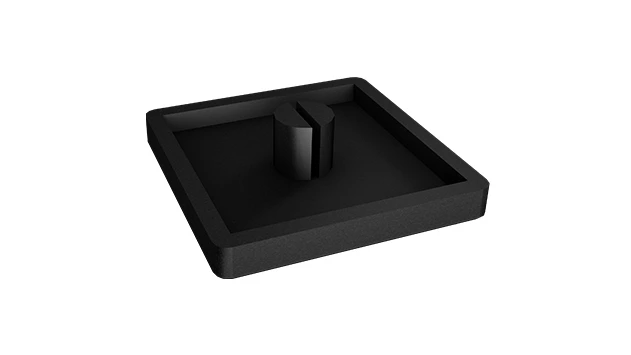
Walk into any well-designed workspace—whether it's a bustling manufacturing floor, a sleek tech startup office, or a precision-focused laboratory—and you'll notice something subtle but powerful: the details. It's not just the big-ticket items like workbenches or conveyor systems that make a space functional and inviting; it's the small touches. One such detail that often flies under the radar? The end caps on aluminum profiles. Specifically, 3030 aluminum profile end caps. These tiny, colorful components do more than just cover the raw edges of aluminum extrusion profiles—they tie together your workspace's aesthetic, boost morale, and even streamline workflow. In this guide, we'll dive into how to choose the right 3030 end cap colors to transform your workspace from "just functional" to "intentionally designed."
The Unsung Heroes: What Are 3030 Aluminum Profile End Caps?
First, let's get clear on what we're talking about. 3030 aluminum profiles are a staple in modular workspace design. These lightweight, durable extrusions—named for their 30mm x 30mm cross-section—form the backbone of everything from workbenches and material racks to flow racks and turnover trolleys. But raw aluminum extrusion profiles have open ends, which can be sharp, collect dust, or simply look unfinished. That's where end caps come in.
3030 aluminum profile end caps are small, usually plastic or rubber covers that snap or press into the open ends of the profiles. They're available in a range of colors, and while their primary job is practical—protecting workers from sharp edges, keeping debris out of the profile's internal channels—their secondary role is transformative: adding color. Think of them as the "trim" of your workspace, the way a painter adds a final coat of paint to make a room pop. And when paired with other aluminum profile accessories—like connectors, casters, or roller tracks—they create a cohesive look that feels intentional, not haphazard.
Why Color Matters in Workspace Design
Color isn't just about aesthetics; it's about psychology. The colors in your workspace impact how employees feel, how focused they are, and even how efficiently they work. Studies show that color can reduce eye strain, boost creativity, and lower stress levels—all critical in high-pressure environments like manufacturing plants or busy warehouses. Additionally, color consistency helps reduce visual clutter, making it easier for workers to navigate the space and locate tools or materials quickly. For example, a workspace with mismatched, random colors can feel chaotic, while one with coordinated hues feels organized and professional.
Color also plays a role in brand identity. If your company has specific brand colors, incorporating them into elements like end caps reinforces your brand culture. Imagine walking into a company that prides itself on innovation—you'd expect to see vibrant, energetic colors, not drab grays. Conversely, a medical device manufacturer might opt for calm, neutral tones to convey precision and trust. In short, the colors you choose for your 3030 end caps aren't just "decorations"—they're a silent communication tool.

Common 3030 Aluminum Profile End Cap Colors and Their Best Uses
Now, let's get to the fun part: choosing colors. 3030 aluminum profile end caps come in a variety of standard and custom shades, each suited to different workspace needs. Below, we'll break down the most popular options and when to use them.
Black End Caps: Sleek, Modern, and Professional
Black is a timeless choice for a reason. It's sleek, versatile, and exudes professionalism. Black end caps pair beautifully with light-colored aluminum profiles (think silver or white aluminum extrusion profiles) for a high-contrast, modern look. They're ideal for workspaces that want to project sophistication—like tech labs, design studios, or executive offices. On a practical note, black hides scuffs and dirt better than lighter colors, making it a smart pick for high-traffic areas like material racks or turnover trolleys that see constant use.
White End Caps: Clean, Bright, and Airy
White end caps are all about light and space. They reflect light, making small workspaces feel larger and brighter—a boon for cramped areas or spaces with limited natural light. White pairs seamlessly with nearly any aluminum profile color, from classic silver to bold blues or reds. It's a top choice for medical facilities, food processing plants, or laboratories where cleanliness and sterility are priorities. White also works well in minimalist designs, where "less is more" is the mantra. Pro tip: Pair white end caps with white aluminum profile accessories (like hinges or clamps) for an ultra-cohesive look.
Gray End Caps: Neutral, Balanced, and Adaptable
Gray is the ultimate "team player" color. It's neutral enough to blend into any color scheme but has enough depth to add visual interest. Light gray end caps work well in modern, industrial spaces, while dark gray leans more sophisticated. Gray is perfect for workspaces that want to avoid bold colors but still look polished—think automotive workshops, logistics hubs, or educational institutions. It also pairs surprisingly well with pops of color: add gray end caps to a blue aluminum profile workbench, for example, and the blue will stand out without feeling overwhelming.
Blue End Caps: Calm, Trustworthy, and Focused
Blue is known for its calming, focusing effects—no wonder it's a favorite in offices and creative spaces. Light blue end caps evoke a sense of tranquility, making them great for high-stress areas like assembly lines or customer service desks. Dark blue, on the other hand, feels authoritative and trustworthy, ideal for spaces like meeting rooms or quality control stations. Blue pairs beautifully with silver or white aluminum extrusion profiles, and it's a popular choice for companies looking to reinforce a brand identity centered on reliability (think: tech companies, financial firms, or shipping and logistics providers).
Yellow End Caps: Energetic, High-Visibility, and Optimistic
Yellow is the color of energy and optimism—and it's impossible to ignore. That makes it perfect for high-visibility zones in your workspace. Use yellow end caps on material racks that need to be quickly located, or on safety-critical areas like emergency exits or first-aid stations. Yellow also adds a playful touch to otherwise utilitarian spaces, boosting morale in environments like manufacturing floors or warehouses. Just a word of caution: a little yellow goes a long way. Use it sparingly as an accent, not the main color, to avoid overwhelming the senses.
Red End Caps: Bold, Attention-Grabbing, and Action-Oriented
Red is for making a statement. It's bold, attention-grabbing, and associated with action—making it ideal for spaces that need to spark urgency or creativity. Use red end caps on collaborative workbenches in brainstorming areas, or on tools and equipment that require immediate attention (like maintenance stations). Red pairs well with black or gray aluminum profiles for a striking contrast, but be mindful: overusing red can create a sense of stress, so reserve it for specific, purposeful zones.

Matching End Cap Colors to Workspace Needs: A Practical Guide
Choosing a color isn't just about personal preference—it's about aligning with your workspace's unique needs. Here's how to narrow it down:
Step 1: Audit Your Existing Color Scheme
Start by looking around. What colors already dominate your workspace? Are your walls painted a specific shade? Do your tools, machinery, or brand logo have signature colors? Your end caps should complement, not clash with, these existing elements. For example, if your company logo is navy blue and gold, adding navy 3030 end caps to your workbenches creates instant brand cohesion. If your space is filled with neutral tones (beige walls, gray floors), a pop of blue or green end caps can add energy without disrupting the calm.
Step 2: Define Workflow Zones
Most workspaces have distinct zones: assembly, storage, shipping, collaboration, etc. Assigning specific end cap colors to each zone can streamline workflow by making zones instantly recognizable. For example:
- Assembly Zone: Blue end caps (calm, focused)
- Storage/Material Racks: Yellow end caps (high-visibility, easy to locate)
- Shipping/Receiving: Red end caps (urgency, action)
- Collaboration Area: Green end caps (creative, inviting)
This color-coding system reduces confusion, especially for new employees, and helps workers navigate the space intuitively.
Step 3: Consider Lighting
Colors look different under different lighting. A bright yellow end cap that pops under natural light might look washed out under cool LED bulbs, while a deep blue might appear black in dimly lit corners. Before ordering in bulk, test end cap samples in your actual workspace under the lighting conditions they'll be used in. Most aluminum profile suppliers or lean system suppliers will send free or low-cost samples—take advantage of this!
Step 4: Think About Durability
High-traffic areas need colors that can withstand wear and tear. As mentioned earlier, darker colors like black or dark gray hide scuffs and stains better than white or light blue. If you're outfitting a material rack that's constantly being loaded and unloaded, or a turnover trolley that gets bumped in tight aisles, opt for a darker, more forgiving color. For low-traffic areas like executive workbenches, you can afford to be bolder with lighter or brighter hues.
Color Coordination Table: 3030 End Caps at a Glance
| End Cap Color | Best For Workspace Type | Mood Evoked | Complementary Aluminum Profiles |
|---|---|---|---|
| Black | Tech labs, design studios, high-traffic zones | Sophistication, modernity | Silver, white, light gray profiles |
| White | Medical facilities, cleanrooms, minimalist offices | Cleanliness, brightness | Any profile (silver, black, blue, red) |
| Gray | Automotive workshops, logistics hubs, schools | Balance, neutrality | Silver, black, blue profiles |
| Blue | Assembly lines, offices, customer service areas | Calm, focus, trust | Silver, white, gray profiles |
| Yellow | Material racks, safety zones, high-visibility areas | Energy, optimism | Silver, black profiles |
| Red | Shipping zones, maintenance areas, collaboration spaces | Urgency, creativity | Black, gray profiles |
Beyond the Basics: Custom Colors and Brand Identity
If standard colors don't quite match your vision, many aluminum profile suppliers offer custom color options for 3030 end caps. This is a game-changer for companies looking to reinforce brand identity. Imagine a brewery with end caps in their signature beer-bottle green, or a children's toy manufacturer with bright, playful pink and purple end caps on their assembly workbenches. Custom colors make your workspace feel unique and memorable, which can boost employee pride and even impress clients or visitors.
When exploring custom colors, keep in mind that minimum order quantities may apply, and lead times might be longer than for standard colors. Work with your supplier to ensure the color matches your brand's exact Pantone or RGB code—you don't want a "close enough" shade that misses the mark.
Case Study: How One Manufacturer Used End Caps to Boost Morale
Let's look at a real-world example (with names changed for privacy). ABC Manufacturing, a mid-sized electronics assembly plant, was struggling with low morale and high turnover. Their workspace was functional but drab: all silver aluminum profiles, no color, and a general sense of "sameness." After a staff survey revealed that employees found the environment "depressing," management decided to make a change—starting with 3030 aluminum profile end caps.
They divided the plant into zones: "Assembly" (blue end caps), "Testing" (green), "Storage" (yellow), and "Break Area" (orange). They also added their brand's signature red end caps to high-visibility tools and equipment. The result? Within three months, employee feedback surveys showed a 22% increase in reported "job satisfaction," and turnover dropped by 15%. Workers reported feeling "more organized" and "proud of their space." The best part? The entire project cost less than $5,000—proof that small changes can have big impacts.
Final Tips: Sourcing and Testing Your End Caps
Ready to start shopping? Here's how to ensure you get the right end caps for your needs:
Work with a Reputable Supplier
Not all end caps are created equal. Cheap, low-quality end caps can crack, fade, or fall out of the profiles over time. Look for a lean system supplier or aluminum profile supplier with a track record of quality. Ask about the materials used (durable plastics like PVC or nylon are best), UV resistance (important if your workspace has lots of natural light), and warranty options.
Order Samples First
Never order hundreds of end caps without seeing the color in person. Most suppliers will send free or low-cost samples. Tape them to your aluminum profiles, view them under different lighting, and get feedback from your team. What looks great on a website might not work in your space—and it's better to discover that with a $5 sample than a $500 bulk order.
Coordinate with Other Accessories
End caps don't exist in a vacuum. Coordinate their colors with other aluminum profile accessories like casters, connectors, or roller track guide rails. For example, if you choose yellow end caps, consider yellow plastic roller track guide rails for your flow racks—this creates a visual thread that ties the space together.
Conclusion: Small Color, Big Impact
3030 aluminum profile end caps might seem like a minor detail, but they're a powerful tool in workspace design. By choosing colors that align with your brand, workflow, and team's needs, you're not just "decorating"—you're creating a space that feels intentional, boosts morale, and works harder for your team. Whether you opt for classic black, energetic yellow, or custom brand colors, the right end caps turn your aluminum extrusion profiles from "parts" into a cohesive, inviting workspace.
So, the next time you're planning a workspace upgrade, don't overlook the small stuff. Your team—and your bottom line—will thank you.