- Company Articles
- Products and Technology
- Application Cases
- Matching Aluminum Workbench C to Industry: 3C, Medical, or Automotive?

Matching Aluminum Workbench C to Industry: 3C, Medical, or Automotive?
Related Product
Aluminum Workbench C
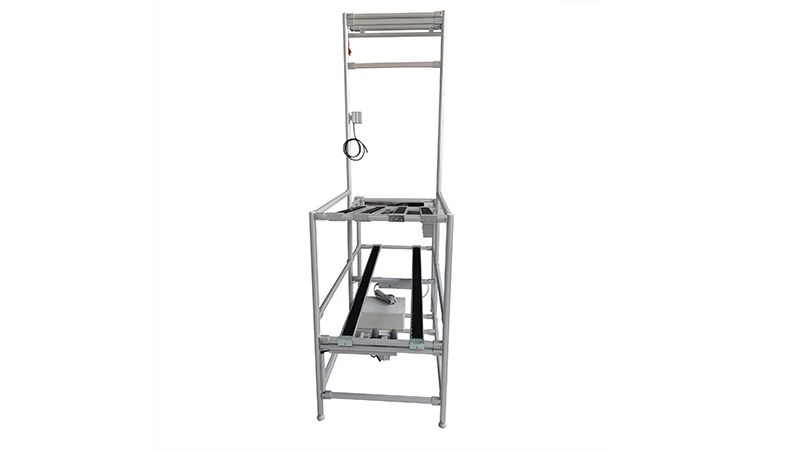
aluminum-tube-workbench-is-more-flexible-and-durable,-compared-with-traditional-pe/abs-coated-steel-tube.-it-is-easy-to-assemble,-anti-corrosion,-rust-protection,-and-recycle-use-after-disassemble.
Walk into any modern manufacturing facility, and you'll notice one piece of equipment that ties the entire operation together: the workbench. It's more than just a table—it's the command center where ideas take shape, components meet, and products come to life. But not all workbenches are created equal. In industries where precision, durability, and adaptability can make or break productivity, choosing the right workbench isn't just a purchase; it's a strategic decision. Enter Aluminum Workbench C—a sleek, robust solution designed to keep up with the fast-paced demands of today's manufacturing landscape. But how does it fare across three of the most dynamic sectors: 3C (Consumer Electronics), Medical Device Manufacturing, and Automotive Production? Let's dive in, explore their unique needs, and see how Aluminum Workbench C rises to the challenge.
First Things First: What Makes Aluminum Workbench C Stand Out?
Before we match it to specific industries, let's get to know Aluminum Workbench C. At its core, this workbench is built around aluminum profile —a material celebrated for its winning combo of lightness and strength. Unlike traditional wooden workbenches that warp over time or steel ones that weigh down mobility, aluminum profiles offer structural integrity without the bulk. But it's not just the material that shines; it's the design. Aluminum Workbench C (single deck, without caster, as specified in the specs) is a blank canvas for customization. Its t-slot aluminum frame allows for easy attachment of accessories: think tool hooks, shelving, or even integrated roller track for seamless material flow. Add in options like ESD (Electrostatic Discharge) surfaces, and you've got a workbench that doesn't just hold tools—it adapts to how your team works.
But why "C"? The "C" in Aluminum Workbench C hints at its versatility—crafted to cater to diverse workflows without compromising on quality. Whether you're assembling tiny circuit boards, sterilizing medical tools, or fitting heavy automotive parts, this workbench is engineered to be both a steady foundation and a flexible partner. Now, let's see how it fits into the unique worlds of 3C, Medical, and Automotive.
1. 3C Industry: Precision in the Palm of Your Hand
The 3C industry—home to smartphones, laptops, wearables, and other consumer electronics—is a realm of microscopically small components and razor-thin margins for error. Imagine a production line where workers handle parts smaller than a grain of rice, where a single static spark could fry a $500 circuit board, and where product cycles shift faster than the latest tech trend. In this environment, the workbench isn't just a surface; it's a critical tool for maintaining precision, speed, and safety.
The 3C Pain Points Aluminum Workbench C Solves
- ESD Sensitivity: Consumer electronics are notoriously sensitive to static electricity. A single electrostatic discharge can damage semiconductors, rendering an entire device useless. Aluminum Workbench C addresses this with optional ESD work surfaces—conductive materials that dissipate static charges, keeping delicate components safe. Unlike generic workbenches, which may lack proper grounding, Aluminum Workbench C integrates ESD protection into its core design, aligning with industry standards like ANSI/ESD S20.20.
- Space Constraints & Flexibility: 3C factories often operate in tight quarters, with production lines reconfiguring constantly to keep up with new models. Aluminum Workbench C's lightweight aluminum profile frame makes it easy to move (even without casters, it can be repositioned with minimal effort) and reconfigure. Need to add a shelf for new tools? The t-slot aluminum profile lets you attach accessories in minutes, no drilling required. This flexibility is a game-changer for teams juggling multiple product lines.
- Small-Part Organization: Assembling a smartphone requires hundreds of tiny parts—screws, connectors, chips—each needing a specific place to avoid loss or mix-ups. Aluminum Workbench C's customizable layout allows for integrated bins, dividers, and pegboards. Pair it with a roller track along the back edge, and you've got a smooth system for sliding component trays from station to station, reducing the time workers spend reaching for supplies.
Take, for example, a 3C manufacturer producing smartwatches. Their assembly line requires workers to handle fragile OLED screens, batteries, and intricate sensors. With Aluminum Workbench C, they install ESD mats on the surface, mount small-part bins along the t-slot frame, and add a narrow roller track to feed pre-sorted component trays. The result? A 20% reduction in static-related defects and a 15% faster assembly time, according to internal case studies.

2. Medical Device Manufacturing: Where Cleanliness Meets Compliance
If the 3C industry is about precision, the medical device industry is about perfection—because lives depend on it. From surgical tools and pacemakers to diagnostic equipment, medical devices must meet stringent cleanliness, sterility, and regulatory standards (think FDA, ISO 13485). In this world, a workbench isn't just a workspace; it's a barrier against contamination and a cornerstone of compliance.
Why Aluminum Workbench C is a Sterile Standout
- Non-Porous & Easy to Sanitize: Traditional workbenches with wooden surfaces or porous coatings can harbor bacteria, even after cleaning. Aluminum Workbench C's smooth aluminum profile surfaces, however, are non-porous—meaning no cracks or crevices for germs to hide. A quick wipe with disinfectant is all it takes to maintain sterility, a must for environments where tools contact patients. Unlike steel, aluminum also resists corrosion from harsh cleaning agents, ensuring the workbench stays in top shape for years.
- Regulatory Compliance: Medical device manufacturers face mountains of paperwork to prove their processes meet regulatory standards. Aluminum Workbench C simplifies this with its traceable materials and modular design. The aluminum profiles are sourced from certified suppliers, and the workbench's clean lines minimize dust traps—both of which make audits smoother. For example, a company producing insulin pumps can document that their Aluminum Workbench C surfaces are certified for use in ISO Class 8 cleanrooms, a key checkmark for FDA inspectors.
- Ergonomics for Sensitive Tasks: Medical device assembly often involves repetitive, high-precision work—like soldering tiny wires onto a pacemaker or inspecting microscopes for defects. Poor ergonomics can lead to worker fatigue and errors. Aluminum Workbench C's height-adjustable legs (an optional add-on) let teams customize the surface height to each worker, reducing strain on shoulders and wrists. Pair that with a stable, vibration-free surface (thanks to the rigid aluminum frame), and you've got a workbench that supports both worker well-being and product quality.
Consider a lab producing surgical robots. Their workbenches must accommodate delicate robotic arms, sterile toolkits, and constant cleaning. Aluminum Workbench C, with its aluminum honeycomb panel top (lightweight but rigid), integrated cable management (to keep wires from cluttering the surface), and easy-to-clean finish, becomes the backbone of their production line. It's not just a workbench—it's a partner in ensuring every robot meets the life-saving standards patients deserve.

3. Automotive Production: Power, Durability, and Lean Efficiency
Automotive manufacturing is a world of extremes: heavy parts, high volumes, and relentless pressure to cut costs while boosting quality. From engine blocks to dashboard wiring harnesses, every component demands a workbench that can handle the weight, withstand the wear, and keep pace with the assembly line. Here, Aluminum Workbench C proves that "lightweight" doesn't mean "weak."
How Aluminum Workbench C Drives Automotive Productivity
- Heavy-Duty Strength: Don't let the aluminum profile fool you—this material is surprisingly tough. Aluminum Workbench C can support up to 500 kg (depending on configuration), making it ideal for laying out engine parts, suspension components, or even small subassemblies. Unlike flimsy particleboard workbenches that sag under weight, the aluminum frame maintains its shape, ensuring parts stay level and aligned during assembly.
- Lean Manufacturing Integration: Automotive plants live and breathe lean system principles—eliminating waste, streamlining workflows, and maximizing value. Aluminum Workbench C fits right in. Its modular design allows teams to build "cells" around specific tasks: one bench for wiring, another for quality inspection, and a third for packaging. Add caster wheels (a popular upgrade for automotive use) and the workbench becomes mobile, moving alongside the assembly line to reduce worker movement. For example, a team assembling car doors can roll their Aluminum Workbench C to the door frame station, cutting down on time spent walking back and forth.
- Resistance to Harsh Environments: Automotive shops are tough on equipment. Grease, oil, metal shavings, and occasional spills are part of the daily grind. Aluminum Workbench C's corrosion-resistant finish stands up to these elements, unlike steel that rusts or wood that absorbs liquids. A quick hose-down (for non-electronic setups) or wipe with a degreaser keeps it looking and functioning like new, even in the busiest shops.
Take a mid-sized automotive supplier producing brake calipers. Their workers handle cast iron parts weighing 15-20 kg each, and the workbench must support not just the parts but also heavy clamping tools. Aluminum Workbench C, with its reinforced aluminum profile frame and optional steel-reinforced top, provides the stability needed for precise machining. When paired with a roller track along the side, it also lets workers slide finished calipers to the next station, reducing manual lifting and cutting down on back injuries.

Side-by-Side: How Aluminum Workbench C Serves Each Industry
| Industry | Key Requirements | Aluminum Workbench C Features That Deliver | Real-World Impact |
|---|---|---|---|
| 3C | ESD protection, small-part organization, quick reconfiguration | ESD work surfaces, t-slot aluminum profile for accessories, lightweight design | 20% fewer static-related defects, 15% faster assembly times |
| Medical | Sterility, regulatory compliance, ergonomic precision | Non-porous aluminum surfaces, traceable materials, height-adjustable legs | Smoother FDA audits, 30% reduction in cleaning time |
| Automotive | Heavy-load support, lean workflow, durability | Reinforced aluminum profile frame, caster wheel compatibility, corrosion resistance | 25% less worker movement, 40% longer workbench lifespan vs. steel |
Beyond the Basics: Customizing Aluminum Workbench C for Your Industry
One of the biggest strengths of Aluminum Workbench C is its adaptability. While the core design works across industries, adding the right accessories can take it from "good" to "perfect" for your specific needs. Let's explore a few popular customizations:
For 3C: ESD Everything + Tool Organization
Upgrade to an ESD laminate top, add grounding straps for workers, and mount magnetic tool holders along the t-slot frame. A narrow roller track along the front edge can feed component trays directly to the worker, keeping hands free for assembly.
For Medical: Cleanroom-Ready Add-Ons
Opt for a seamless aluminum honeycomb panel top (no seams to trap dust), add LED task lighting with germicidal UV options, and install clear acrylic dividers to separate work zones. Casters with locking brakes (even though the base model is without caster) can be added for easy cleaning under the bench.
For Automotive: Heavy-Duty Upgrades
Reinforce the frame with steel cross-braces, add a rubber mat top to prevent parts from sliding, and mount a power strip with surge protection for tools. Caster wheels with heavy-duty bearings (rated for 300 kg+) make the workbench mobile, even with loaded parts.
The Verdict: Aluminum Workbench C—A Jack of All Trades, Master of Each
So, does Aluminum Workbench C belong in 3C, Medical, or Automotive? The answer is: all three. Its aluminum profile core, modular design, and industry-specific customization options make it a chameleon of the manufacturing world—adapting to the precision needs of 3C, the sterility demands of Medical, and the ruggedness required in Automotive. It's not just a workbench; it's a tool that grows with your business, supporting lean systems, reducing waste, and keeping workers safe and efficient.
Whether you're assembling the next smartphone, building life-saving medical devices, or crafting the cars of tomorrow, Aluminum Workbench C isn't just a purchase—it's an investment in productivity, quality, and peace of mind. After all, in manufacturing, the right foundation makes all the difference.