- Company Articles
- Products and Technology
- Product knowledge
- Material Guide: What Makes 3030 Aluminum Profile End Caps Durable?

Material Guide: What Makes 3030 Aluminum Profile End Caps Durable?
Related Product
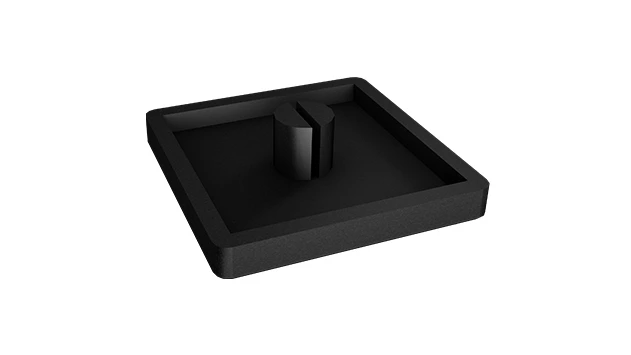
3030 Aluminum Profile End Cap
The aluminum profile end cap adds a finishing touch to your project and closes off profile ends to limit dust and debris buildup, also it can avaid some scratch for material and labor during the assemble work.
Introduction: The Unsung Heroes of Aluminum Profiles
In the world of manufacturing and industrial design, we often marvel at the big-ticket components—the sleek aluminum extrusion profiles that form the backbone of workbenches, the sturdy conveyor systems that keep production lines moving, or the modular racks that organize warehouses with precision. But if you pause and look closer, you'll notice the small, unassuming parts that hold it all together. Today, we're shining a spotlight on one such unsung hero: the
3030 aluminum profile end cap
. These tiny caps might seem insignificant at first glance, but they play a critical role in protecting aluminum profiles, enhancing their longevity, and ensuring safety in countless work environments. So, what exactly makes a 3030 aluminum profile end cap durable? Let's dive into the materials, design, and craftsmanship that set these small components apart.
Understanding the 3030 Aluminum Profile: A Foundation for Durability
Before we explore the end caps themselves, it's essential to understand the profiles they're designed to protect. The
aluminum extrusion profile
—specifically the 3030 series—is a workhorse in industrial settings. Named for its 30mm x 30mm cross-section, this profile is prized for its strength-to-weight ratio, corrosion resistance, and versatility. It's used in everything from assembly line workstations to automated machinery frames, and even in consumer products like shelving units. But like any hardworking component, aluminum profiles are vulnerable to wear and tear. Their exposed ends, in particular, can suffer from dents, scratches, or damage from repeated contact with tools, materials, or even human hands. That's where end caps come in: they act as a protective barrier, sealing the profile's open ends to prevent debris buildup, moisture intrusion, and physical damage. But not all end caps are created equal. The durability of a 3030 aluminum profile end cap hinges on three key factors: the materials used, its design, and the manufacturing processes that bring it to life.

Material Matters: The Building Blocks of Durable End Caps
At the core of any durable end cap is its material composition. Manufacturers have several options to choose from, but two materials stand out for their performance: high-grade plastics and aluminum alloys. Let's break down why each matters.
1. High-Density Polyethylene (HDPE) and Nylon Blends
Many 3030 aluminum profile end caps are made from HDPE or nylon blends, and for good reason. These plastics are known for their impressive impact resistance—meaning they can absorb shocks from accidental bumps or drops without cracking. HDPE, in particular, has a low coefficient of friction, which makes end caps easy to install and remove (a boon for maintenance crews) while also resisting scratches. Nylon, on the other hand, adds rigidity and heat resistance, making it ideal for end caps used in high-temperature environments, such as near welding stations or industrial ovens. Both materials are also naturally resistant to chemicals, oils, and moisture—common hazards in factories and warehouses. This resistance prevents the end cap from degrading over time, even when exposed to cleaning agents or spilled lubricants.
2. Aluminum Alloys for Heavy-Duty Applications
For applications where extra strength is needed—think industrial workbenches that see constant tool use or automated systems with high vibration—aluminum alloy end caps are the go-to choice. These end caps are often made from the same 6063 aluminum alloy as the profiles themselves, ensuring compatibility and a seamless aesthetic. Aluminum end caps offer superior structural support, preventing the profile's ends from deforming under heavy loads. They also conduct heat well, which can be an advantage in applications where heat dissipation is important. However, aluminum end caps are slightly heavier than their plastic counterparts and may require additional finishing (like anodization) to match the profile's corrosion resistance.
3. The Role of Aluminum Profile Rubber Strip and Seals
Some end caps take durability a step further by incorporating rubber strips or seals around their edges. These strips, often made from EPDM or silicone, create a tight, weatherproof barrier between the end cap and the profile. This is especially useful in outdoor applications or environments with high humidity, as it prevents water, dust, or debris from entering the profile's internal T-slots. Over time, even small particles can cause corrosion or jam the T-slots, making it difficult to attach accessories like brackets or shelves. By sealing these gaps, rubber strips extend both the end cap's and the profile's lifespan.
1. High-Density Polyethylene (HDPE) and Nylon Blends
Many 3030 aluminum profile end caps are made from HDPE or nylon blends, and for good reason. These plastics are known for their impressive impact resistance—meaning they can absorb shocks from accidental bumps or drops without cracking. HDPE, in particular, has a low coefficient of friction, which makes end caps easy to install and remove (a boon for maintenance crews) while also resisting scratches. Nylon, on the other hand, adds rigidity and heat resistance, making it ideal for end caps used in high-temperature environments, such as near welding stations or industrial ovens. Both materials are also naturally resistant to chemicals, oils, and moisture—common hazards in factories and warehouses. This resistance prevents the end cap from degrading over time, even when exposed to cleaning agents or spilled lubricants.
2. Aluminum Alloys for Heavy-Duty Applications
For applications where extra strength is needed—think industrial workbenches that see constant tool use or automated systems with high vibration—aluminum alloy end caps are the go-to choice. These end caps are often made from the same 6063 aluminum alloy as the profiles themselves, ensuring compatibility and a seamless aesthetic. Aluminum end caps offer superior structural support, preventing the profile's ends from deforming under heavy loads. They also conduct heat well, which can be an advantage in applications where heat dissipation is important. However, aluminum end caps are slightly heavier than their plastic counterparts and may require additional finishing (like anodization) to match the profile's corrosion resistance.
3. The Role of Aluminum Profile Rubber Strip and Seals
Some end caps take durability a step further by incorporating rubber strips or seals around their edges. These strips, often made from EPDM or silicone, create a tight, weatherproof barrier between the end cap and the profile. This is especially useful in outdoor applications or environments with high humidity, as it prevents water, dust, or debris from entering the profile's internal T-slots. Over time, even small particles can cause corrosion or jam the T-slots, making it difficult to attach accessories like brackets or shelves. By sealing these gaps, rubber strips extend both the end cap's and the profile's lifespan.

Design Features: Precision Engineering for Longevity
A durable end cap isn't just about the materials—it's also about how those materials are shaped and integrated into the design. Let's explore the key design features that make 3030 aluminum profile end caps stand the test of time.
1. Snug, Interference Fit Design
The best end caps fit like a glove. Manufacturers use precision molding or machining to ensure the end cap's dimensions match the profile's internal and external measurements exactly. This creates an interference fit, where the end cap is slightly larger than the profile's opening, requiring a gentle push to install. Once in place, this tight fit prevents the end cap from slipping or falling off, even during vibrations or impacts. A loose end cap, by contrast, would rattle, wear down over time, and fail to protect the profile.
2. Reinforced Edges and Ribs
Look closely at a high-quality end cap, and you'll notice subtle ribs or reinforcing structures on its inner surface. These ribs distribute stress evenly across the end cap, preventing it from cracking under pressure. For example, when a heavy object is accidentally dropped on the end of a profile, the ribs absorb the impact, redirecting force away from the cap's edges (the weakest points). This design is especially important for plastic end caps, which can be prone to brittle failure without proper reinforcement.
3. Compatibility with Aluminum Profile Accessories
Durability also means adaptability. Many end caps are designed to work seamlessly with other aluminum profile accessories , such as corner brackets, hinges, or cable management clips. For instance, some end caps have pre-drilled holes or recesses that allow them to be bolted to the profile, adding an extra layer of security. Others feature notches that align with the profile's T-slots, making it easy to attach labels or identification tags without damaging the end cap itself. By integrating with existing accessory systems, end caps become a functional part of the profile's ecosystem, rather than just an afterthought.
1. Snug, Interference Fit Design
The best end caps fit like a glove. Manufacturers use precision molding or machining to ensure the end cap's dimensions match the profile's internal and external measurements exactly. This creates an interference fit, where the end cap is slightly larger than the profile's opening, requiring a gentle push to install. Once in place, this tight fit prevents the end cap from slipping or falling off, even during vibrations or impacts. A loose end cap, by contrast, would rattle, wear down over time, and fail to protect the profile.
2. Reinforced Edges and Ribs
Look closely at a high-quality end cap, and you'll notice subtle ribs or reinforcing structures on its inner surface. These ribs distribute stress evenly across the end cap, preventing it from cracking under pressure. For example, when a heavy object is accidentally dropped on the end of a profile, the ribs absorb the impact, redirecting force away from the cap's edges (the weakest points). This design is especially important for plastic end caps, which can be prone to brittle failure without proper reinforcement.
3. Compatibility with Aluminum Profile Accessories
Durability also means adaptability. Many end caps are designed to work seamlessly with other aluminum profile accessories , such as corner brackets, hinges, or cable management clips. For instance, some end caps have pre-drilled holes or recesses that allow them to be bolted to the profile, adding an extra layer of security. Others feature notches that align with the profile's T-slots, making it easy to attach labels or identification tags without damaging the end cap itself. By integrating with existing accessory systems, end caps become a functional part of the profile's ecosystem, rather than just an afterthought.
Manufacturing Processes: Craftsmanship That Counts
Even the best materials and designs can fall short if the manufacturing process is flawed. Let's take a behind-the-scenes look at how durable 3030 aluminum profile end caps are made.
1. Injection Molding for Plastic End Caps
Most plastic end caps are produced using injection molding—a process where molten plastic is injected into a steel mold under high pressure. This method ensures consistency: every end cap from the same mold will have identical dimensions and properties. The steel molds themselves are precision-machined, with tolerances as tight as ±0.05mm, to ensure the end caps fit the profiles perfectly. After molding, the end caps are cooled slowly to prevent warping, then trimmed to remove any excess plastic (flash). Some manufacturers also use ultrasonic welding to bond rubber strips or seals to the end caps, creating a permanent, leak-proof connection.
2. CNC Machining for Aluminum End Caps
Aluminum end caps are often machined using CNC (Computer Numerical Control) equipment, which uses computer-aided designs to cut the aluminum into precise shapes. CNC machining allows for complex features like internal ribs, threaded holes, or custom engravings, all with high accuracy. After machining, aluminum end caps may undergo anodization—a process where a layer of aluminum oxide is formed on the surface, enhancing corrosion resistance and giving the end cap a smooth, scratch-resistant finish. Anodized end caps also come in a range of colors, making it easy to match them to the profile's aesthetic.
3. Quality Control and Testing
Durable end caps don't leave the factory without rigorous testing. Manufacturers may subject samples to impact tests (dropping weights on the end cap), temperature cycling (exposing it to extreme hot and cold), or chemical resistance tests (submerging it in oils or cleaning agents). These tests ensure the end caps can withstand the harsh conditions they'll face in real-world applications. For example, an end cap intended for a food processing plant must resist frequent washdowns with sanitizing chemicals, while one used in an automotive factory needs to handle oil and grease exposure.
1. Injection Molding for Plastic End Caps
Most plastic end caps are produced using injection molding—a process where molten plastic is injected into a steel mold under high pressure. This method ensures consistency: every end cap from the same mold will have identical dimensions and properties. The steel molds themselves are precision-machined, with tolerances as tight as ±0.05mm, to ensure the end caps fit the profiles perfectly. After molding, the end caps are cooled slowly to prevent warping, then trimmed to remove any excess plastic (flash). Some manufacturers also use ultrasonic welding to bond rubber strips or seals to the end caps, creating a permanent, leak-proof connection.
2. CNC Machining for Aluminum End Caps
Aluminum end caps are often machined using CNC (Computer Numerical Control) equipment, which uses computer-aided designs to cut the aluminum into precise shapes. CNC machining allows for complex features like internal ribs, threaded holes, or custom engravings, all with high accuracy. After machining, aluminum end caps may undergo anodization—a process where a layer of aluminum oxide is formed on the surface, enhancing corrosion resistance and giving the end cap a smooth, scratch-resistant finish. Anodized end caps also come in a range of colors, making it easy to match them to the profile's aesthetic.
3. Quality Control and Testing
Durable end caps don't leave the factory without rigorous testing. Manufacturers may subject samples to impact tests (dropping weights on the end cap), temperature cycling (exposing it to extreme hot and cold), or chemical resistance tests (submerging it in oils or cleaning agents). These tests ensure the end caps can withstand the harsh conditions they'll face in real-world applications. For example, an end cap intended for a food processing plant must resist frequent washdowns with sanitizing chemicals, while one used in an automotive factory needs to handle oil and grease exposure.
Real-World Durability: Case Studies and Applications
To truly understand what makes 3030 aluminum profile end caps durable, let's look at how they perform in real-world scenarios.
1. Automotive Assembly Lines
In automotive factories, aluminum profiles are used to build workstations, tool racks, and conveyor systems. These environments are fast-paced, with constant movement of heavy parts, tools, and workers. End caps here face daily impacts from dropped wrenches, collisions with forklifts, and exposure to lubricants and coolants. A high-quality HDPE end cap with rubber seals can last 5+ years in this setting, protecting the profiles from dents and preventing coolant from seeping into T-slots. In contrast, a cheap, poorly fitting end cap might crack within months, leading to profile damage and costly replacements.
2. Outdoor Solar Panel Racks
Solar panel installations often use aluminum profiles to support the panels and withstand harsh weather conditions—rain, snow, UV radiation, and temperature fluctuations. Here, end caps with aluminum profile rubber strip seals are essential. The rubber prevents water from entering the profiles, which could cause internal corrosion over time. Aluminum end caps with anodized finishes are also popular here, as they resist fading from UV rays and maintain their structural integrity in extreme temperatures. Installers report that well-made end caps in these applications can last 10+ years, matching the lifespan of the solar panels themselves.
3. Medical Device Manufacturing Cleanrooms
Cleanrooms demand the highest standards of hygiene and precision. Aluminum profiles are used to build workbenches and equipment frames, and their end caps must resist frequent cleaning with harsh disinfectants. Plastic end caps made from medical-grade HDPE are ideal here, as they don't harbor bacteria and can withstand repeated exposure to isopropyl alcohol or hydrogen peroxide. The snug fit of these end caps also prevents dust from accumulating in the profile ends, maintaining the cleanroom's sterile environment.
1. Automotive Assembly Lines
In automotive factories, aluminum profiles are used to build workstations, tool racks, and conveyor systems. These environments are fast-paced, with constant movement of heavy parts, tools, and workers. End caps here face daily impacts from dropped wrenches, collisions with forklifts, and exposure to lubricants and coolants. A high-quality HDPE end cap with rubber seals can last 5+ years in this setting, protecting the profiles from dents and preventing coolant from seeping into T-slots. In contrast, a cheap, poorly fitting end cap might crack within months, leading to profile damage and costly replacements.
2. Outdoor Solar Panel Racks
Solar panel installations often use aluminum profiles to support the panels and withstand harsh weather conditions—rain, snow, UV radiation, and temperature fluctuations. Here, end caps with aluminum profile rubber strip seals are essential. The rubber prevents water from entering the profiles, which could cause internal corrosion over time. Aluminum end caps with anodized finishes are also popular here, as they resist fading from UV rays and maintain their structural integrity in extreme temperatures. Installers report that well-made end caps in these applications can last 10+ years, matching the lifespan of the solar panels themselves.
3. Medical Device Manufacturing Cleanrooms
Cleanrooms demand the highest standards of hygiene and precision. Aluminum profiles are used to build workbenches and equipment frames, and their end caps must resist frequent cleaning with harsh disinfectants. Plastic end caps made from medical-grade HDPE are ideal here, as they don't harbor bacteria and can withstand repeated exposure to isopropyl alcohol or hydrogen peroxide. The snug fit of these end caps also prevents dust from accumulating in the profile ends, maintaining the cleanroom's sterile environment.
Comparing End Cap Types: Which Is Right for You?
Not all end caps are designed for the same applications. To help you choose the most durable option for your needs, let's compare the three most common types: basic plastic, reinforced plastic with rubber seals, and aluminum.
| End Cap Type | Material | Durability Features | Best For | Estimated Lifespan (Industrial Use) |
|---|---|---|---|---|
| Basic Plastic | HDPE or Nylon | Snug fit, impact-resistant | Indoor, low-impact applications (shelving, light workbenches) | 3–5 years |
| Reinforced Plastic with Rubber Seals | HDPE/Nylon + EPDM/Silicone Strip | Ribbed design, weatherproof seal, chemical resistance | Outdoor, high-moisture, or chemical-exposed environments (solar racks, food processing) | 5–8 years |
| Aluminum | 6063 Aluminum Alloy (Anodized) | Structural reinforcement, heat dissipation, scratch resistance | Heavy-load applications (industrial machinery frames, high-vibration environments) | 8–10+ years |
Maintenance Tips: Extending Your End Caps' Lifespan
Even the most durable end caps need a little care to reach their full lifespan. Here are some simple maintenance tips to keep your 3030 aluminum profile end caps in top shape:
1. Inspect Regularly for Wear
Take a few minutes each month to check your end caps for cracks, loose fits, or damaged rubber strips. Catching issues early can prevent them from worsening—for example, a small crack in a plastic end cap can expand over time, leading to complete failure.
2. Clean Gently
If your end caps are dirty, wipe them down with a soft cloth and mild soap. Avoid abrasive cleaners or scrub brushes, which can scratch plastic or damage anodized aluminum finishes. For rubber strips, a quick wipe with a damp cloth will remove dust and debris without degrading the material.
3. replace Worn Seals Promptly
If the rubber strip on an end cap starts to crack or peel, replace it as soon as possible. Many manufacturers sell replacement strips, which are easy to install with a little adhesive. A fresh seal will keep moisture and debris out, protecting both the end cap and the profile.
4. Avoid Over-Tightening
If your end caps are bolted in place (common with aluminum end caps), avoid using excessive force when tightening the bolts. Over-tightening can warp the end cap or strip the threads, weakening its hold on the profile.
1. Inspect Regularly for Wear
Take a few minutes each month to check your end caps for cracks, loose fits, or damaged rubber strips. Catching issues early can prevent them from worsening—for example, a small crack in a plastic end cap can expand over time, leading to complete failure.
2. Clean Gently
If your end caps are dirty, wipe them down with a soft cloth and mild soap. Avoid abrasive cleaners or scrub brushes, which can scratch plastic or damage anodized aluminum finishes. For rubber strips, a quick wipe with a damp cloth will remove dust and debris without degrading the material.
3. replace Worn Seals Promptly
If the rubber strip on an end cap starts to crack or peel, replace it as soon as possible. Many manufacturers sell replacement strips, which are easy to install with a little adhesive. A fresh seal will keep moisture and debris out, protecting both the end cap and the profile.
4. Avoid Over-Tightening
If your end caps are bolted in place (common with aluminum end caps), avoid using excessive force when tightening the bolts. Over-tightening can warp the end cap or strip the threads, weakening its hold on the profile.
Conclusion: Small Parts, Big Impact
When we think about durability in industrial design, we often focus on the largest, strongest components. But as we've explored, the
3030 aluminum profile end cap
proves that small parts can have a big impact. From the high-quality materials like HDPE, nylon, and aluminum alloys, to the precision design features like snug fits and reinforced ribs, to the careful manufacturing processes that ensure consistency—every element of a durable end cap is engineered to protect, support, and last.
Whether you're building a workstation in a factory, installing solar panels on a rooftop, or designing medical equipment, choosing the right end cap isn't just about saving money on replacements. It's about ensuring safety, reliability, and peace of mind. After all, a profile with a cracked or missing end cap isn't just unsightly—it's a hazard waiting to happen, with sharp edges that could injure workers or exposed T-slots that could jam machinery.
So the next time you're assembling an aluminum extrusion system, take a moment to appreciate the end caps. They may be small, but they're the silent guardians that keep your profiles strong, your workspace safe, and your operations running smoothly—day in and day out.
Whether you're building a workstation in a factory, installing solar panels on a rooftop, or designing medical equipment, choosing the right end cap isn't just about saving money on replacements. It's about ensuring safety, reliability, and peace of mind. After all, a profile with a cracked or missing end cap isn't just unsightly—it's a hazard waiting to happen, with sharp edges that could injure workers or exposed T-slots that could jam machinery.
So the next time you're assembling an aluminum extrusion system, take a moment to appreciate the end caps. They may be small, but they're the silent guardians that keep your profiles strong, your workspace safe, and your operations running smoothly—day in and day out.