- Company Articles
- Products and Technology
- Product knowledge
- Material Options for End Support for Roller Track Placon Mount with Stop: Aluminum vs. Steel

Material Options for End Support for Roller Track Placon Mount with Stop: Aluminum vs. Steel
Related Product
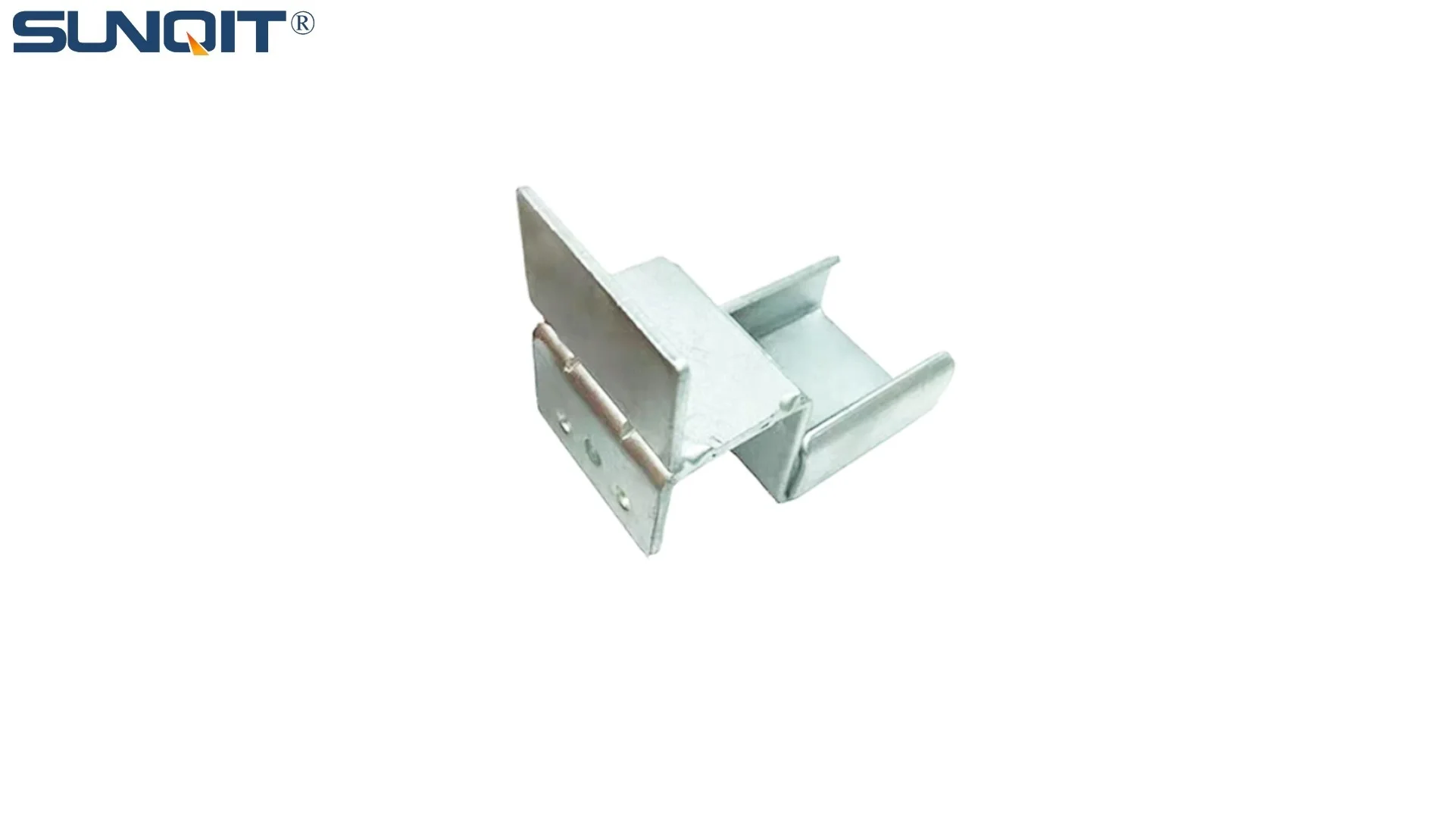
End Support for Roller Track Placon Mount with Stop
Roller track placon mount work as a connector for roller track and pipe or aluminum profile in rack syetem, it is a necessary parts in rack system which widely used in industrial plant and logistic,warehouse storage.
In the busy workshops of manufacturing plants, where every second counts, there's a silent hero working behind the scenes: the roller track system. It's the unsung conveyor of efficiency, moving parts from assembly lines to warehouses, ensuring production flows like a well-choreographed dance. But even the most reliable roller track can stumble if one small yet critical component fails—the end support with stop. This unassuming part holds the track steady, keeps materials from slipping off, and bears the weight of countless products day in and day out. When it comes to choosing between aluminum and steel for this vital role, the decision isn't just about materials—it's about keeping your entire operation running smoothly, safely, and sustainably.
Why the End Support Matters More Than You Think
Let's start with the basics: what exactly does an end support for roller track placon mount with stop do? Picture this: a line of roller tracks in a 3C electronics factory, gliding delicate circuit boards toward the next assembly step. The end support is the final guard at the track's edge, preventing boards from sliding off and getting damaged. It also stabilizes the entire track, so even when heavier items like medical device components pass through, the track doesn't warp or shift. In short, it's the backbone that turns a simple set of rollers into a reliable, precision tool for material handling.
Without a sturdy end support, you're looking at more than just occasional jams. Misaligned tracks lead to scratched products, delayed workflows, and even safety hazards for workers rushing to fix issues. Over time, poor material choices can mean frequent replacements, eating into your budget and disrupting production schedules. That's why choosing between aluminum and steel here isn't just a technical detail—it's a decision that impacts your team's daily work, your product quality, and your bottom line.
Aluminum End Supports: Lightweight Powerhouse for Modern Workshops
Aluminum has become a favorite in industries where agility and precision matter most—and for good reason. Let's break down why it might be the right fit for your end support needs:
Case in Point: 3C Assembly Lines
In a bustling 3C assembly plant in Shenzhen, workers recently switched to aluminum end supports for their roller tracks. Before, they used steel supports that required two people to lift and install. Now, a single technician can carry and mount an aluminum support in minutes. "It's like night and day," says the production manager. "We used to spend hours adjusting heavy steel parts; now, we're saving time and reducing worker fatigue."
Lightweight, Heavy on Convenience : Aluminum is about 30% lighter than steel, making installation and maintenance a breeze. This isn't just about ease—it's about reducing downtime. When you need to reconfigure your production line (a common task in lean manufacturing), lightweight supports mean faster adjustments, so you can adapt to new orders without halting work for hours.
Corrosion Resistance: A Boon for Sensitive Environments : Walk into a medical device manufacturing cleanroom, and you'll notice every surface gleams—including the roller tracks. Aluminum naturally resists rust and corrosion, even in humid or slightly damp conditions. Unlike steel, it doesn't need frequent painting or coating to stay looking and performing like new. For industries like pharmaceuticals or food packaging, where cleanliness is non-negotiable, aluminum's ability to withstand moisture without degradation is a game-changer.
Sleek and Customizable : Aluminum's smooth, modern finish fits seamlessly into high-tech environments. It's easy to machine, too, so if you need a custom shape to fit unique roller track connectors or aluminum guide rails, aluminum can be tailored without breaking a sweat. Whether you're matching the aesthetics of a new lean workstation or integrating with existing aluminum profile systems, it offers the flexibility to design supports that fit your exact needs.
The Catch: When Aluminum Might Not Be Enough : While aluminum is strong for its weight, it can't match steel's raw load-bearing power. If your operation regularly moves ultra-heavy items—think automotive engines or large machinery parts—aluminum end supports might bend under the pressure over time. It's also slightly more expensive upfront, though many manufacturers find the long-term savings in maintenance and labor offset this cost.

Steel End Supports: The Tough Veteran for Heavy-Duty Work
Steel is the old reliable of the manufacturing world—tough, unyielding, and built to handle whatever you throw at it. For workshops dealing with heavy loads day in and day out, it's often the first choice. Let's dive into its strengths:
Case in Point: Automotive Parts Manufacturing
A major automotive supplier in Wuhan relies on steel end supports for their roller tracks carrying engine blocks. Each block weighs over 200 kg, and the tracks run 12 hours a day. "We tried aluminum once, but after six months, we noticed slight bending," explains the plant engineer. "Steel? Those supports have been in place for three years, and they still look brand new. No warping, no wear—just consistent performance."
Strength That Stands the Test of Time : Steel's high tensile strength makes it ideal for heavy loads. If your roller tracks move large metal components, industrial machinery, or bulk materials, steel end supports won't flinch. They're designed to absorb shock and maintain structural integrity, even under constant stress. This durability translates to fewer replacements, so you won't be pulling tracks apart for repairs every few months.
Cost-Effective for High-Impact Use : While steel is heavier, it often costs less upfront than high-grade aluminum. For budget-conscious operations with consistent, heavy workloads, this initial savings can be appealing. Plus, steel's longevity means you'll spend less on replacements over the years—making it a smart investment for long-term, high-intensity use.
The Trade-Offs: Weight and Maintenance : Steel's biggest downside? Its weight. Installing steel end supports requires more manpower and specialized tools, which can slow down setup and reconfiguration. It's also prone to rust if not properly coated, so in damp environments (like outdoor warehouses or facilities with high humidity), you'll need regular maintenance to keep it in shape. Without proper care, rust can weaken the support over time, turning a durable component into a liability.

Aluminum vs. Steel: A Side-by-Side Comparison
| Feature | Aluminum End Supports | Steel End Supports |
|---|---|---|
| Weight | Lightweight (easy to install/move) | Heavy (requires more labor for setup) |
| Load Capacity | Ideal for light to medium loads (up to 150 kg per support) | Best for heavy loads (200+ kg per support) |
| Corrosion Resistance | Excellent (no coating needed in most environments) | Needs coating/painting to resist rust |
| Customization | Easy to machine for unique shapes (e.g., matching aluminum guide rails) | More rigid, harder to customize without specialized tools |
| Best For | 3C assembly, medical devices, cleanrooms, lean workstations | Automotive manufacturing, heavy machinery, outdoor warehouses |
| Long-Term Maintenance | Low (minimal upkeep needed) | Medium (regular coating checks for rust) |

How to Choose: It's All About Your Unique Workflow
There's no one-size-fits-all answer here—your choice depends on the rhythm of your workshop, the products you handle, and the goals you're chasing. Here are key questions to ask yourself:
- What's the typical weight of materials on your roller tracks? If you're moving small electronics (light) vs. engine parts (heavy), this will tip the scales toward aluminum or steel.
- What's your environment like? A humid warehouse might benefit from aluminum's rust resistance, while a dry, indoor automotive plant could thrive with steel's durability.
- How often do you reconfigure your production line? If you're a lean manufacturing shop that adjusts layouts frequently, aluminum's lightweight design will save you time and labor.
- What's your long-term vision for sustainability? Aluminum is 100% recyclable, aligning with green manufacturing goals, while steel, though durable, has a higher carbon footprint in production.
Real-World Decision: A Warehouse's Journey
A logistics company in Shanghai faced this dilemma when upgrading their storage roller tracks. Half their tracks handled lightweight packages (clothing, small electronics), and the other half moved heavy appliances. They split the solution: aluminum supports for the light tracks (easier to reposition during peak seasons) and steel supports for the heavy-duty sections (long-term durability). "It's the best of both worlds," says their operations director. "We're not overspending on heavy steel where we don't need it, and we're not risking failure where we do."
Final Thoughts: The Right Support for Your Lean Journey
At the end of the day, aluminum and steel end supports are both tools—each with its own superpowers. Aluminum shines in agility, cleanliness, and ease of use, making it perfect for modern, fast-paced industries like 3C and medical manufacturing. Steel, on the other hand, is the workhorse for heavy loads and rugged environments, standing strong in automotive and heavy machinery plants.
But here's the thing: lean manufacturing isn't just about efficiency—it's about making smart, sustainable choices that grow with your business. Whether you choose aluminum, steel, or a mix, the goal is the same: to create a production line that's reliable, adaptable, and built to last. After all, the best end support isn't just a piece of metal—it's a promise to your team that their work will flow smoothly, their products will reach customers safely, and your operation will keep moving forward, one roller track at a time.