- Company Articles
- Products and Technology
- Product knowledge
- Material Properties of 2020 Aluminum Profile End Caps: Durability Explained

Material Properties of 2020 Aluminum Profile End Caps: Durability Explained
Related Product
2020 Aluminum Profile End Cap
The aluminum profile end cap adds a finishing touch to your project and closes off profile ends to limit dust and debris buildup, also it can avaid some scratch for material and labor during the assemble work.
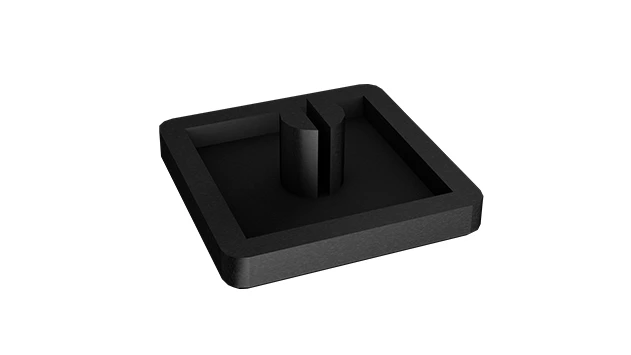
Walk into any modern manufacturing facility, warehouse, or even a tech startup's workshop, and you'll likely spot aluminum extrusion profiles hard at work. These versatile, lightweight structures form the backbone of everything from assembly line workbenches and material racks to conveyor systems and machine guards. Their popularity stems from a simple truth: aluminum extrusion profiles are modular, strong, and infinitely adaptable. But here's the thing about great systems—they're only as good as their smallest components. Enter the 2020 aluminum profile end cap: a humble but critical piece that often flies under the radar, yet plays a huge role in safety, longevity, and performance.
If you're familiar with aluminum extrusion profiles, you know they come in various sizes, denoted by numbers like 2020, 3030, or 4040. The "2020" refers to the profile's cross-section—20mm by 20mm—making it a compact, versatile choice for smaller structures like workbench frames, shelf dividers, or lightweight machinery guards. And just like any profile, the 2020 aluminum extrusion profile has open ends where the T-slot runs out. Without proper coverage, those ends can become safety hazards (sharp edges), entry points for dust and moisture (which degrade internal components), or eyesores (ruining the clean, professional look of the structure). That's where the 2020 aluminum profile end cap steps in. But not all end caps are created equal. To truly understand their value, we need to dive into their material properties—and why durability isn't just a nice-to-have, but a necessity.
Why End Caps Matter: Beyond the Surface
Before we get into materials, let's take a moment to appreciate what end caps actually do. Think of them as the "bookends" of aluminum profiles—small, but essential for keeping everything in order. In a busy factory setting, where tools drop, workers brush against structures, and equipment vibrates nonstop, even the tiniest oversight can lead to big problems. A missing or low-quality end cap on a 2020 profile might seem trivial, but over time, it can:
Safety Risks: The raw end of an aluminum extrusion profile is surprisingly sharp. Run a hand along an uncovered end, and you could get a nasty cut—especially if the profile was cut with a saw and not deburred properly. In high-traffic areas, like around workbenches or material racks, this becomes a constant hazard for employees.
Contamination: Aluminum profiles' T-slots are designed to hold accessories like brackets, shelves, or conveyor guides. But if the end is open, dust, oil, and even small debris can work their way into the slot. Over time, that gunk builds up, making it harder to slide in new accessories or adjust existing ones. In precision settings—like electronics assembly, where even a speck of dust can ruin a circuit board—this is a critical issue.
Structural Degradation: Moisture is aluminum's silent enemy. While aluminum naturally forms a protective oxide layer, prolonged exposure to water (from cleaning sprays, spills, or humid environments) can still cause corrosion, especially in the T-slot's crevices. An end cap acts as a barrier, sealing out moisture and extending the profile's lifespan.
Aesthetic and Brand Perception: Let's not overlook the little things. A well-built structure with mismatched, cracked, or missing end caps looks unprofessional. In settings where clients or auditors visit—think automotive plants or medical device facilities—details like clean, intact end caps signal pride in workmanship and attention to quality.
So, end caps are more than just "caps." They're safety features, protective barriers, and quality indicators. And to perform all these roles, their material properties—how they stand up to impact, temperature, chemicals, and time—are everything. Let's break down the most common materials used for 2020 aluminum profile end caps and what makes them tick.
Materials 101: What Goes Into a 2020 Aluminum Profile End Cap?
End caps for aluminum profiles are typically made from plastic or, in some cases, aluminum itself. Each material has its own strengths and weaknesses, and the right choice depends on the application. Let's start with the most common options:
1. Polypropylene (PP)
Polypropylene is a go-to for many end cap manufacturers, and for good reason. It's lightweight, affordable, and has a decent balance of flexibility and strength. PP end caps are often used in general-purpose settings—think workshops, warehouses, or non-critical assembly lines. Here's why PP works:
Chemical Resistance: PP stands up well to oils, greases, and mild solvents—common in manufacturing environments. Spills or cleaning agents won't cause it to crack or degrade quickly.
Impact Toughness: PP is slightly flexible, which means it can absorb small impacts (like a dropped wrench bouncing off the end of a profile) without shattering. This makes it ideal for high-traffic areas where bumps are inevitable.
Cost-Effective: PP is easy to mold, so mass-produced PP end caps are budget-friendly. For businesses building large quantities of 2020-based structures (like small parts bins or workbench frames), this keeps costs down without sacrificing basic functionality.
But PP isn't perfect. It has lower heat resistance—sustained temperatures above 100°C (212°F) can cause it to warp. And over time, UV exposure (from sunlight or harsh lighting) can make it brittle. So, it's best suited for indoor, moderate-temperature environments.
2. Polyethylene (PE)
Polyethylene is another plastic contender, and it's often confused with PP. While they're both polyolefins, PE is more flexible and has better low-temperature resistance. You'll find PE end caps in settings where cold storage or frequent bending is a factor.
Flexibility: PE is softer than PP, which makes it easier to install—you can stretch it slightly to fit over the profile end, and it'll conform tightly. This snug fit is great for keeping out dust and moisture.
Low-Temperature Performance: Unlike PP, PE remains flexible even in cold conditions (down to -40°C/-40°F). This makes it a solid choice for refrigerated warehouses or outdoor structures in chilly climates.
Non-Toxic: Food-grade PE is available, so it's used in industries like food processing or pharmaceuticals, where contamination risks are high. The end caps won't leach harmful chemicals, keeping products safe.
The downside? PE is less rigid than PP, so it's more prone to denting under heavy impacts. It also has lower chemical resistance to strong acids or bases, so it's not the best pick for labs or industrial settings with harsh chemicals.
3. Acrylonitrile Butadiene Styrene (ABS)
ABS is the "workhorse" of plastics—tough, rigid, and heat-resistant. It's the material behind Lego bricks, tool handles, and yes, high-performance end caps. If you need an end cap that can handle heavy use, ABS is often the way to go.
High Impact Strength: ABS combines the rigidity of styrene with the toughness of butadiene rubber, making it highly resistant to shattering. Even hard impacts (like a metal tool being dropped directly on the end cap) are unlikely to crack it.
Heat Resistance: ABS can handle temperatures up to 80°C (176°F) without warping—better than PP or PE. This makes it suitable for environments with heat-generating equipment, like near ovens or machinery motors.
Surface Finish: ABS has a smooth, glossy surface that takes color well. If aesthetics matter (e.g., customer-facing displays or office furniture made with 2020 profiles), ABS end caps can be color-matched to the profile for a seamless look.
The tradeoff? ABS is more expensive than PP or PE, and it's less chemical resistant to certain solvents (like acetone). It's also stiffer, which can make installation trickier—you need a precise fit, or it might pop off if the profile is slightly warped.
4. Aluminum
For the ultimate in durability, some end caps are made from aluminum—matching the profile itself. These are less common for 2020 profiles (since the small size makes plastic more cost-effective), but they shine in heavy-duty applications.
Unmatched Durability: Aluminum end caps won't crack, warp, or degrade over time. They can handle extreme temperatures, heavy impacts, and harsh chemicals—making them ideal for industrial settings like automotive manufacturing or metalworking shops.
Structural Integrity: Aluminum end caps can be bolted or glued into place, creating a permanent seal. This is useful for profiles that are part of load-bearing structures, where a loose plastic end cap could compromise stability.
Aesthetic Consistency: Anodized aluminum end caps match the finish of the 2020 aluminum extrusion profile perfectly, giving the structure a sleek, unified look. This is popular in high-end settings, like tech labs or retail displays.
But aluminum end caps are heavier, more expensive, and require more effort to install (you might need tools to secure them). For most 2020 applications—like small workbenches or lightweight racks—they're overkill. But when durability is non-negotiable, they're worth the investment.

Material Showdown: How Do They Compare?
To make sense of all this, let's put the most common materials head-to-head. The table below breaks down key properties that matter for 2020 aluminum profile end caps—from hardness to cost—so you can see which one fits your needs.
| Property | Polypropylene (PP) | Polyethylene (PE) | ABS | Aluminum |
|---|---|---|---|---|
| Hardness (Shore D) | 70-80 | 60-70 | 80-90 | 95+ (anodized) |
| Impact Strength (kJ/m²) | 20-30 | 25-40 (higher for HDPE) | 15-25 | 100+ (depends on alloy) |
| Max Operating Temp (°C) | 80-100 | 60-80 | 80-95 | 200+ |
| Chemical Resistance | Good (oils, greases) | Excellent (acids, alkalis) | Fair (resistant to oils, poor with solvents) | Excellent (resistant to most chemicals) |
| Installation Ease | Easy (snaps on) | Very Easy (flexible, stretches) | Moderate (stiffer, precise fit needed) | Hard (may require tools/adhesive) |
| Cost (Relative) | Low | Low-Medium | Medium | High |
| Best For | General indoor use, budget projects | Cold environments, food-grade applications | High-impact areas, heat-exposed settings | Heavy industrial use, extreme conditions |
As you can see, each material has a niche. For most 2020 aluminum profile end cap users—small to medium businesses building workbenches, shelving, or lightweight machinery—PP or ABS will hit the sweet spot of durability, cost, and ease of use. PE is great for cold or flexible needs, while aluminum is reserved for the toughest jobs.

Durability in Action: Real-World Testing
Numbers on a page are helpful, but nothing beats seeing how these materials perform in real life. Let's look at a few scenarios where 2020 aluminum profile end caps are put to the test—and how their material properties make or break their effectiveness.
Scenario 1: The Busy Workshop
Imagine a small electronics repair shop with workbenches made from 2020 aluminum extrusion profiles. Technicians are constantly moving tools, parts bins, and equipment around. The end caps on the workbench legs and shelf supports take a lot of abuse: knees bumping into them, screwdrivers rolling off and hitting them, and daily cleaning with disinfectant wipes.
A PP end cap here would hold up well. It resists the disinfectant (mild alcohol), absorbs the small impacts from tools, and stays in place. After a year of use, it might show minor scuffs, but it won't crack or fall off. A PE end cap, while flexible, might start to look worn faster—its softer surface would scratch more easily. ABS would be overkill but would last even longer, though the extra cost might not be justified for a small shop.
Scenario 2: The Cold Storage Warehouse
A food distribution center uses 2020 profiles to build shelf dividers in walk-in freezers (temperature: -18°C/0°F). The dividers need to withstand constant loading/unloading of boxes, and the end caps must stay intact in the cold.
PP end caps here would fail quickly. The cold would make them brittle, and the first hard impact (a frozen box slamming into the end) would shatter them. PE, on the other hand, stays flexible in the cold. It would absorb the impacts, keep the divider ends safe, and prevent ice or condensation from seeping into the T-slots. Over time, the PE end caps might get slightly deformed, but they'd still function—making them the clear choice.
Scenario 3: The Automotive Factory
An automotive plant uses 2020 profiles to build lightweight conveyor guards around a production line. The guards are exposed to engine oils, high temperatures (from nearby machinery), and occasional impacts from forklifts or tool carts.
Here, ABS or aluminum end caps would be necessary. PP would warp from the heat, and PE would degrade from the oil exposure. An ABS end cap would resist the heat and oil, and its high impact strength would prevent cracking if a cart bumps into it. For extra durability, the plant might opt for aluminum end caps bolted into place—ensuring they never come loose, even in the chaos of the factory floor.
Beyond the End Cap: Working With Aluminum Profile Accessories
No component in an aluminum extrusion system works alone, and the 2020 aluminum profile end cap is no exception. To maximize durability, it often teams up with other aluminum profile accessories—like t-slot rubber seal covers and aluminum profile rubber strips—that enhance its protective abilities.
Take the t-slot rubber seal cover, for example. This thin, flexible strip fits into the T-slot of the 2020 profile, covering the open channel along the length of the profile. When paired with an end cap, it creates a complete barrier: the end cap seals the top, and the seal cover seals the slot itself. This combo is especially useful in dusty environments (like woodworking shops) or where liquids are present (like commercial kitchens). The end cap keeps debris from entering the end, while the seal cover stops it from sliding in through the slot—double protection for the profile's internals.
Then there's the aluminum profile rubber strip, which is often used to line the edges of profiles (not just the ends). Rubber strips add grip (preventing tools from sliding off workbenches) and cushioning (reducing noise when parts are placed down). When installed near the end cap, they create a seamless transition—no gaps for dust to sneak through. For example, a workbench made with 2020 profiles might have rubber strips along the front edge and end caps on the corners, creating a safe, clean surface that's both functional and durable.
The key here is compatibility. A high-quality 2020 aluminum profile end cap should fit snugly with these accessories, not compete with them. Mismatched parts (like a too-loose end cap and a thick rubber strip) can create gaps or cause the end cap to pop off. That's why it's best to source end caps and accessories from the same supplier—they're designed to work together, ensuring a tight, durable fit.
Choosing the Right End Cap: A Quick Guide
With all this information, how do you pick the best 2020 aluminum profile end cap for your project? Here's a simple checklist to narrow it down:
1. Assess the Environment: Is it indoors or outdoors? Hot, cold, or humid? Exposed to chemicals, oils, or UV light? This will rule out materials that can't handle the conditions (e.g., PP in cold environments).
2. Consider Impact Risk: Will the end caps be bumped, hit, or dropped on? High-impact areas need ABS or aluminum; low-impact can use PP or PE.
3. Think About Installation: Do you need a quick, tool-free install (PP/PE) or a permanent, secure fit (aluminum)?
4. Check Compatibility: Will you use other aluminum profile accessories like seal covers or rubber strips? Ensure the end cap fits with them.
5. Balance Cost and Durability: Don't overspend on aluminum if PP will work, but don't skimp on cheap plastic if the end caps will fail quickly.
Remember: the goal is to protect your 2020 aluminum extrusion profile investment. A few extra cents per end cap for a higher-quality material can save you from costly repairs or replacements down the line.
Final Thoughts: Small Part, Big Impact
The 2020 aluminum profile end cap might be small, but its role in durability, safety, and performance is huge. By understanding its material properties—how PP, PE, ABS, and aluminum stand up to impacts, chemicals, and temperature—you can make an informed choice that keeps your structures safe, clean, and long-lasting.
Whether you're building a workbench in a garage, a conveyor system in a factory, or shelving in a cold storage unit, the end cap is the unsung hero that ensures your 2020 aluminum extrusion profile performs at its best. So next time you're assembling an aluminum structure, take a moment to appreciate the end cap. It's proof that even the smallest parts can make a big difference in durability—and in the success of your project.