- Company Articles
- Products and Technology
- Product knowledge
- Material Properties of 60 Steel Roller Track Small Wheels: Why Steel Matters

Material Properties of 60 Steel Roller Track Small Wheels: Why Steel Matters
Related Product
60 Steel Roller Track Small Wheel
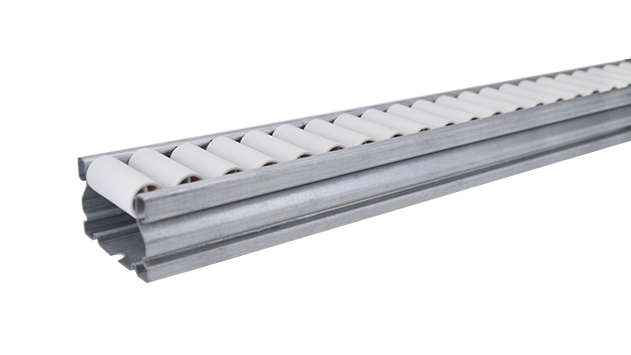
Modular system roller tracks aluminum gravity roller tracks are an excellent solution for transporting materials within industrial environments, warehouses and distribution centres.
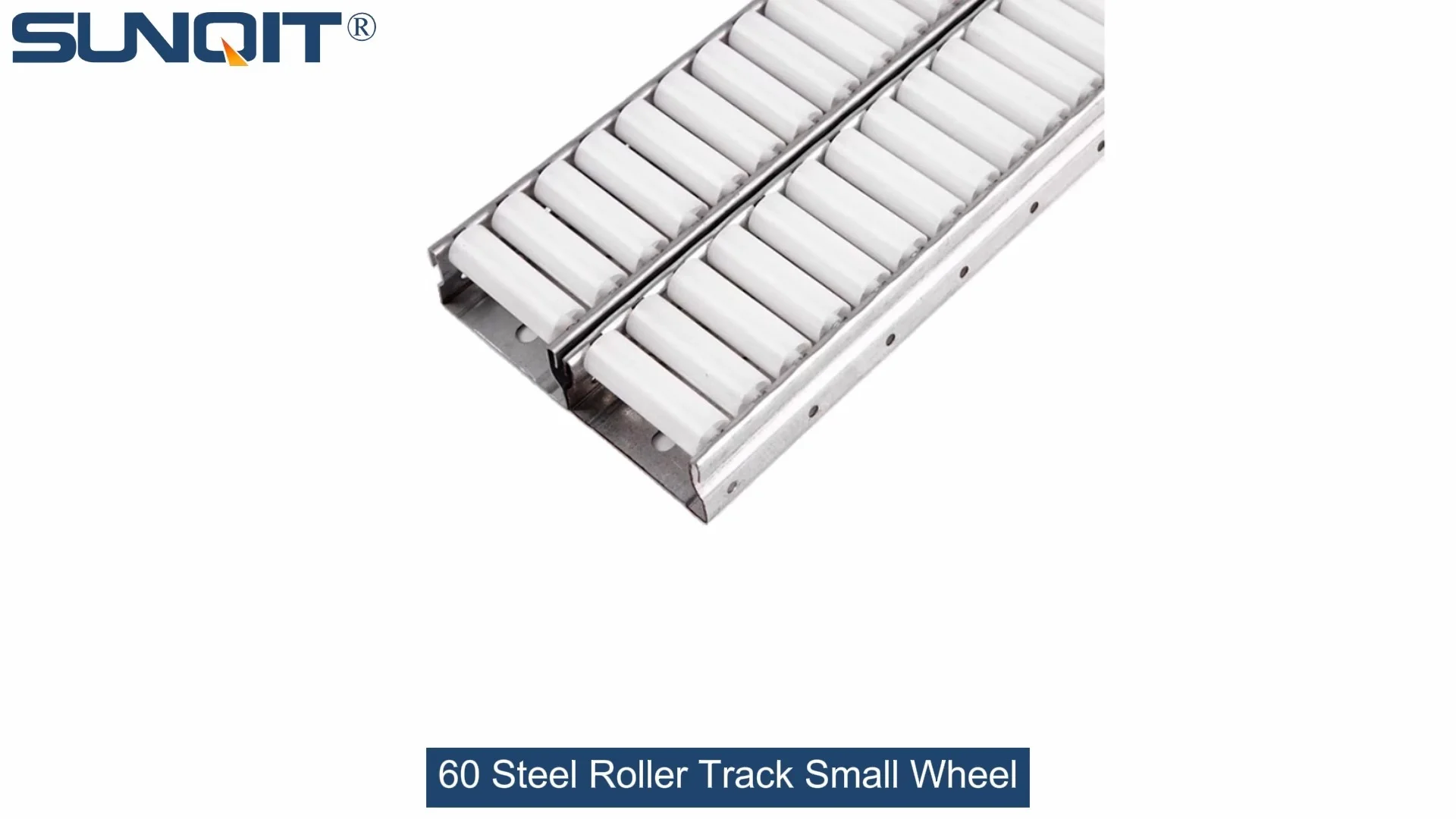
In the hustle and bustle of a modern factory, every component—no matter how small—plays a critical role in keeping production lines moving smoothly. Think about the roller tracks that carry parts from one station to another, or the conveyors that transport finished products to packaging. At the heart of these systems are tiny but tough components: 60 steel roller track small wheels. These wheels aren't just pieces of metal; they're engineered to withstand heavy loads, constant wear, and harsh industrial environments. Today, we're going to dive deep into their material properties, why steel is the right choice, and how these wheels power efficient lean manufacturing systems.
What Are 60 Steel Roller Track Small Wheels?
60 steel roller track small wheels are essential roller track accessories designed to facilitate smooth, low-friction movement of items along roller tracks. They're commonly used in conveyor systems, lean pipe workbenches, and material handling setups across various industries. Whether you're sliding a box of electronic components on a lean pipe workbench or moving a heavy automotive part along a conveyor, these wheels are the unsung heroes that make it all possible. Without them, manual lifting and carrying would dominate, leading to slower production, higher labor costs, and increased risk of injury.
Deep Dive into Material Properties of 60 Steel
60 steel is a high-carbon steel (with approximately 0.6% carbon content) known for its excellent mechanical properties. Let's break down each property and its real-world impact:
1. Hardness
60 steel typically has a hardness rating of 45-50 HRC (Rockwell Hardness Scale). This high hardness means the wheels are resistant to scratches, dents, and deformation even when in contact with sharp or heavy metal parts. For example, in an automotive assembly line, where metal engine components slide along roller tracks, these wheels won't get damaged easily—ensuring consistent performance over time.
2. Wear Resistance
The carbon content in 60 steel gives it exceptional wear resistance. Unlike plastic wheels, which can crack or wear out quickly under constant use, 60 steel wheels maintain their shape and smoothness for years. This durability translates to fewer replacements, lower maintenance costs, and less downtime for production lines. For warehouses that handle thousands of items daily, this wear resistance is a game-changer.
3. Tensile Strength
60 steel has a tensile strength of around 900 MPa (megapascals), meaning it can handle high levels of tension without breaking or bending. This is crucial for applications where sudden impacts are common—like when a heavy box is dropped onto a roller track. The wheels absorb the impact and keep rolling, preventing disruptions to the workflow.
4. Thermal Stability
Factories often have extreme temperature conditions—from the heat of welding stations to the cold of refrigerated warehouses. 60 steel maintains its structural integrity across a wide temperature range (-20°C to +120°C). Unlike plastic wheels, which might melt or deform in high heat, these steel wheels stay reliable no matter the environment.
5. Corrosion Resistance
While 60 steel isn't naturally corrosion-resistant, most roller track wheels made from this material are zinc-plated or passivated. This surface treatment creates a protective layer that resists rust and corrosion, even in humid warehouses or outdoor storage areas. For example, in a 3C assembly line where humidity control is essential to protect electronic components, these wheels won't rust and contaminate the products.
Why 60 Steel Stands Out Over Alternatives
To understand why 60 steel is the preferred material for roller track wheels, let's compare it to other common materials:
Plastic Wheels
Plastic wheels are cheap and lightweight, but they lack the durability of steel. They're suitable for light loads (like small boxes) but quickly wear out under heavy use. For example, a plastic wheel might crack if a 50kg metal part is placed on it—leading to unexpected downtime.
Aluminum Wheels
Aluminum wheels are lightweight and corrosion-resistant, but they have lower hardness and tensile strength than 60 steel. They're good for applications where weight is a concern (like portable conveyors) but not ideal for heavy loads or high-frequency use.
Stainless Steel Wheels
Stainless steel wheels are highly corrosion-resistant and durable, but they're significantly more expensive than 60 steel wheels. For most industrial applications, zinc-plated 60 steel wheels offer the same level of corrosion resistance at a fraction of the cost—making them a more cost-effective choice.
60 steel hits the perfect balance between durability, performance, and cost. It's strong enough to handle heavy loads, resistant to wear and corrosion, and affordable enough to be used in large-scale production lines.

Practical Applications in Manufacturing
60 steel roller track small wheels are used across a wide range of industries, powering lean manufacturing systems and efficient material handling. Let's look at some key applications:
1. Conveyor Systems
Conveyors are the backbone of modern manufacturing, and 60 steel wheels are essential for their operation. In automotive factories, conveyors fitted with these wheels carry engine parts, body panels, and other components from one assembly station to another. The wheels' high load capacity and wear resistance ensure the conveyor runs smoothly 24/7, reducing downtime and increasing productivity.
2. Lean Pipe Workbenches
Lean pipe workbenches are a staple in 3C assembly lines, where precision and efficiency are key. These workbenches often have integrated roller tracks with 60 steel wheels, allowing workers to slide parts between stations without manual lifting. For example, a worker assembling a smartphone can slide the partially assembled device along the roller track to the next station—saving time and reducing fatigue.
3. Warehousing and Logistics
In warehouses, roller tracks with 60 steel wheels are used in picking and packing stations. They help workers move boxes and pallets quickly, reducing the time it takes to fulfill orders. The wheels' durability means they can handle heavy pallets (up to 1000kg or more, depending on the number of wheels) without wearing out—making them ideal for high-volume warehouses.
4. Medical Equipment Manufacturing
Medical equipment (like surgical tools or diagnostic machines) requires precise handling. Roller tracks with 60 steel wheels are used to move sensitive components along production lines, ensuring they aren't damaged during transport. The wheels' smooth movement and corrosion resistance are crucial for maintaining the sterility and quality of medical equipment.
Technical Specifications & Performance Data
To give you a better understanding of 60 steel roller track small wheels, here's a detailed table of their key specifications:
| Specification | Typical Value | Key Notes |
|---|---|---|
| Wheel Diameter | 20mm / 25mm / 30mm | Fits standard 60 steel roller track series |
| Load Capacity per Wheel | 40kg /50kg /75kg | Depends on diameter and surface treatment |
| Hardness (HRC) | 45-50 | Ensures resistance to scratches and deformation |
| Surface Treatment | Zinc-plated / Passivated | Protects against rust and corrosion |
| Operating Temperature Range | -20°C to +120°C | Suitable for most industrial environments |
| Material Grade | 60 Carbon Steel | High carbon content for wear resistance |
| Applicable Roller Track Type | 60 Steel Roller Track Series | Compatible with lean pipe workbenches and conveyors |
| Service Life | 5-10 years (with proper maintenance) | Longer than plastic or aluminum alternatives |
Maintenance Tips for Longevity
To get the most out of your 60 steel roller track small wheels, follow these maintenance tips:
1. Regular Cleaning
Dust, debris, and oil can accumulate on the wheels over time, increasing friction and reducing performance. Clean the wheels monthly with a dry cloth or a mild detergent (for oil stains). Avoid using harsh chemicals that might damage the zinc-plated surface.
2. Lubrication
Lubricate the wheel bearings every 3 months with light machine oil. This reduces friction and prevents wear on the bearings. Be sure to wipe off excess oil to avoid attracting dust.
3. Inspection
Inspect the wheels monthly for signs of damage (like cracks, dents, or rust). If a wheel is damaged, replace it immediately—using a damaged wheel can lead to jams or accidents.
4. Avoid Overloading
Stick to the recommended load capacity for each wheel. Overloading can bend the wheels or break the roller track—leading to costly repairs and downtime.
Conclusion
60 steel roller track small wheels are more than just tiny components—they are the foundation of efficient lean systems. Their material properties (hardness, wear resistance, tensile strength, thermal stability, and corrosion resistance) make them ideal for heavy loads, high-frequency use, and harsh industrial environments. Whether you're setting up a conveyor line, a lean pipe workbench, or a warehouse material handling system, these wheels are a smart investment that will save you time, money, and headaches in the long run. So next time you see a roller track in action, take a moment to appreciate the small but powerful 60 steel wheels that keep everything moving.
By choosing 60 steel roller track small wheels, you're not just buying a product—you're investing in the efficiency and reliability of your manufacturing operations. It's a choice that pays off in smoother production lines, fewer breakdowns, and higher profits.