- Company Articles
- Products and Technology
- Product knowledge
- Material Rack B Construction: T Slot Aluminum Pipe as the Core Component

Material Rack B Construction: T Slot Aluminum Pipe as the Core Component
Related Product
T Slot Aluminum Pipe
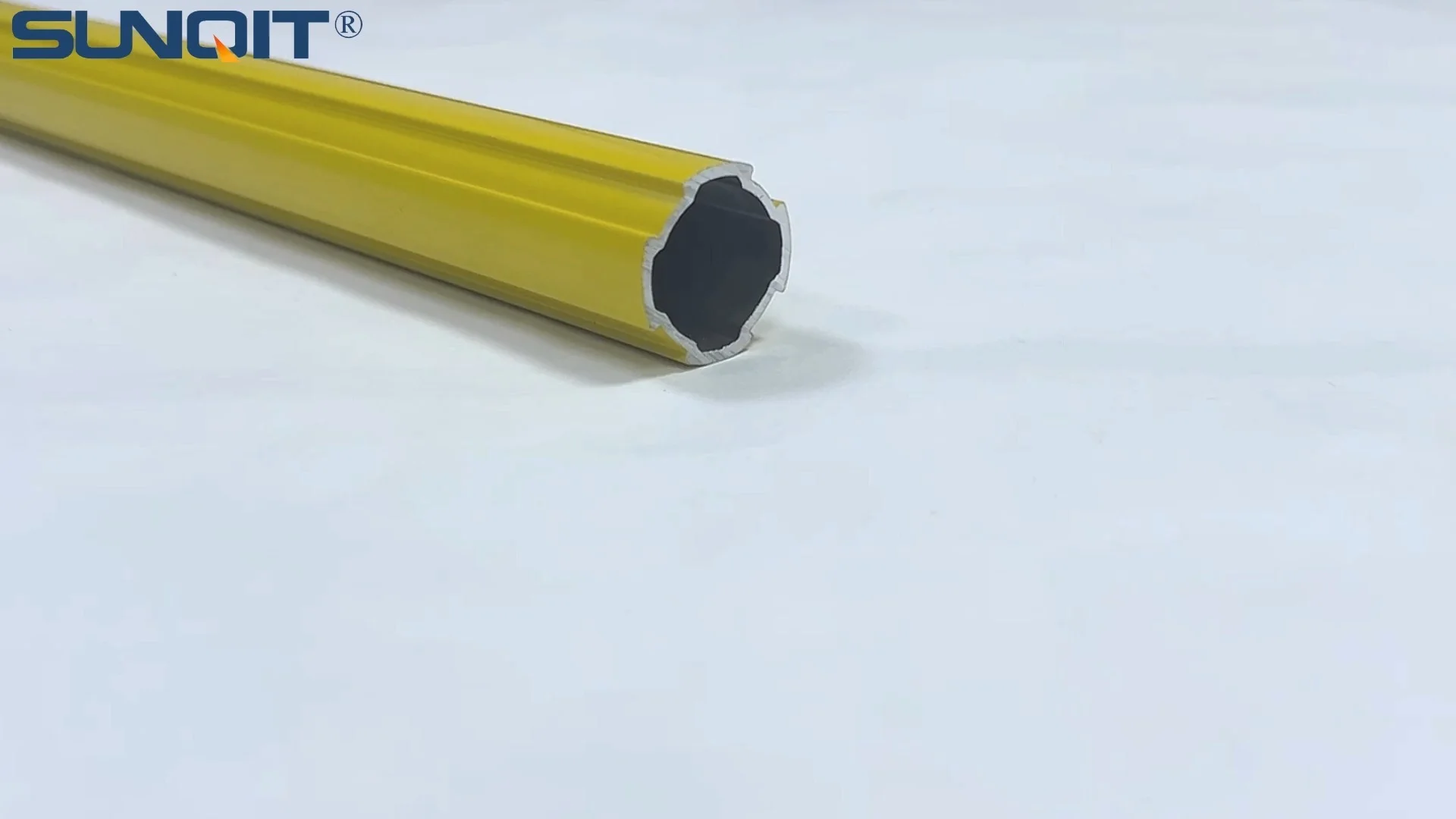
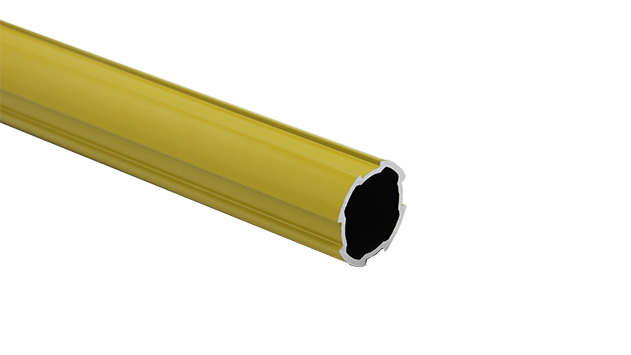
Aluminum pipe, it is used for workbench, flow rack,hand trolley assemble work with advantage of flexible and durable, yellow color makes it more attactive as a caution remind.
In the fast-paced world of manufacturing and production, efficiency isn't just a buzzword—it's the backbone of success. Every tool, every piece of equipment, and every storage solution plays a role in keeping operations running smoothly. Among these, material racks stand out as unsung heroes, organizing parts, streamlining workflows, and ensuring that the right components are always within reach. Today, we're diving deep into one specific solution that's transforming how factories handle storage: Material Rack B (3 row and 3 floor), with a focus on its star component—T slot aluminum pipe. This isn't just about metal and joints; it's about building a system that adapts, endures, and grows with your business.
Understanding Material Rack B (3 Row and 3 Floor): More Than Just a Storage Shelf
Before we zoom in on the T slot aluminum pipe that makes it tick, let's first get to know Material Rack B itself. As the name suggests, this rack features a 3-row, 3-floor design—a structure that's both intentional and versatile. Imagine a storage unit that's divided vertically into three levels and horizontally into three sections, creating nine distinct compartments. This layout isn't random; it's engineered to maximize space while keeping items categorized and accessible. Whether you're storing small electronic components, automotive parts, or bulky assemblies, the 3x3 configuration ensures that each item has a designated spot, reducing the chaos of scattered inventory and the time wasted searching for misplaced parts.
But what truly sets Material Rack B apart from generic shelving units? It's all in the details. Traditional racks often rely on fixed, one-size-fits-all designs—wooden shelves that warp under heavy loads, steel frames that rust in humid environments, or plastic units that crack under pressure. Material Rack B, by contrast, is built with adaptability in mind. It's not just a place to put things; it's a modular system that can be tweaked, expanded, or reconfigured as your storage needs change. Need to adjust shelf heights to fit taller boxes? No problem. Want to add dividers to separate smaller parts? Easy. This flexibility is why it's become a staple in industries ranging from electronics manufacturing to logistics and beyond.
The Core of the Design: Why T Slot Aluminum Pipe Takes Center Stage
At the heart of Material Rack B's adaptability and durability lies its core component: T slot aluminum pipe. If you're not familiar with T slot aluminum, let's break it down. These pipes are extruded aluminum profiles with a continuous T-shaped groove (the "T slot") running along their length. This groove isn't just a design quirk; it's a genius engineering move that allows accessories—like brackets, connectors, and shelves—to slide in and lock into place without welding, drilling, or specialized tools. Think of it as a building set for adults, where the pipes are the beams and the T slots are the connection points that make customization possible.
But why aluminum? Why not stick with steel, which has long been the go-to for industrial strength? Let's start with weight. Aluminum is significantly lighter than steel, making Material Rack B easier to assemble, move, and reconfigure. In a factory where floor layouts change with new production lines, this matters—a lot. A team of two workers can disassemble and reassemble an aluminum rack in hours, whereas a steel rack might require heavy machinery and a larger crew. Then there's corrosion resistance. Aluminum naturally forms a protective oxide layer, meaning it won't rust when exposed to moisture, oils, or chemicals—critical in environments where spills or humidity are common. Steel, on the other hand, needs constant painting or coating to avoid rust, adding maintenance costs over time.
Strength is another misconception to debunk. While aluminum is lighter, it's far from flimsy. Modern aluminum alloys, especially those used in T slot profiles, offer an impressive strength-to-weight ratio. This means Material Rack B can handle heavy loads—think 50-100 kg per shelf—without bending or warping. For context, that's enough to store stacks of metal parts, boxes of tools, or even small machinery components. And because the T slot design distributes weight evenly across the frame, there's no risk of weak points or sudden collapses, even with unevenly distributed loads.
Building Blocks: Aluminum Profile Accessories and Their Role in Assembly
A strong core is nothing without the right supporting cast, and for T slot aluminum pipe, that cast comes in the form of aluminum profile accessories. These small but mighty components turn a pile of pipes into a functional, sturdy rack. Let's walk through the key players you'll find in a Material Rack B construction:
- 90° Aluminum Profile Connectors : These L-shaped brackets lock into the T slots of perpendicular pipes, forming the corners of the rack's frame. They're designed to create rigid, stable joints without the need for screws (though some models include set screws for extra security). What makes them great? They're reusable—so if you decide to reconfigure the rack later, you can simply slide them out and reattach them elsewhere.
- End Caps : Small, unassuming, but essential. These plastic or rubber caps fit over the ends of aluminum pipes, preventing dust, debris, or moisture from getting inside. They also protect workers from sharp edges and keep stored items from snagging on raw pipe ends.
- Gusset Plates : For added stability, especially in taller racks, gusset plates are used to reinforce joints. These triangular metal plates attach to the corners of the frame, distributing stress and preventing the rack from wobbling under heavy loads.
- Shelf Supports : These sliding brackets fit into the T slots and act as ledges for shelves. They're adjustable, so you can set shelf heights in increments as small as a few millimeters. No more cutting shelves to fit—just slide the supports to your desired height and lock them in.
Together, these aluminum profile accessories transform T slot aluminum pipes into a cohesive system. It's like building with Legos, but for industrial storage. The beauty is that you're not limited to the accessories that come in the box—if you need a custom bracket or a specialized connector, there's a good chance it exists (or can be made) to fit the T slot standard. This ecosystem of parts is what makes Material Rack B so versatile; it's not a closed system, but an open platform for innovation.
| Feature | Material Rack B (T Slot Aluminum) | Traditional Steel Rack | Plastic Storage Rack |
|---|---|---|---|
| Core Material | T slot aluminum pipe | Mild steel | Polypropylene or PVC |
| Weight (per 6ft section) | 8-10 lbs | 25-30 lbs | 5-7 lbs |
| Assembly Time (2-person crew) | 1-2 hours | 3-4 hours (requires welding/drilling) | 30 mins-1 hour |
| Reconfigurability | High (no tools needed for adjustments) | Low (fixed welds; requires cutting/rewelding) | Medium (some adjustability, but limited by plastic strength) |
| Corrosion Resistance | Excellent (natural oxide layer) | Poor (prone to rust without coating) | Good (resistant to moisture, but UV-sensitive) |
| Load Capacity (per shelf) | 50-100 kg | 100-200 kg | 20-40 kg |
| Long-Term Cost (10-year lifespan) | Medium (higher upfront, low maintenance) | High (low upfront, high maintenance/coating costs) | Low (low upfront, but frequent replacement needed) |

Constructing Material Rack B: A Step-by-Step Look at the Process
Now that we've covered the "what" and "why," let's get into the "how." Building a Material Rack B with T slot aluminum pipe isn't rocket science, but it does require attention to detail. Let's walk through a typical construction process, from unboxing the parts to loading the first shelf.
Step 1: Planning and Measurement – Before you even touch a pipe, you need to map out your space. Measure the area where the rack will go, noting ceiling height, floor space, and any obstacles (like doorways or vents). Material Rack B's 3x3 design is standard, but you'll want to confirm that the dimensions (typically around 120cm wide x 50cm deep x 180cm tall, though customizable) fit your needs. Pro tip: Sketch a quick layout on paper, marking where each shelf will go and how you'll organize items—this will save time during assembly.
Step 2: Sorting and Prepping Parts – Unpack your T slot aluminum pipes, aluminum profile accessories, and shelves. Lay them out on a clean, flat surface (a workbench comes in handy here) and sort them by type. Check that you have all the parts: 4 vertical pipes (for the corners), 12 horizontal pipes (3 per level, front/back/side), 12 shelf supports, 8 90° connectors (for the corners), end caps, and any additional accessories like gusset plates. This is also a good time to remove any protective film from the aluminum pipes—you don't want to be picking off sticky residue after assembly.
Step 3: Building the Frame – Start with the vertical corner pipes. Take two vertical pipes and connect them with a horizontal pipe using 90° aluminum profile connectors. Slide the connectors into the T slots of the vertical pipes, then insert the horizontal pipe into the connectors and tighten the set screws (if included). Repeat this to build the front and back frames, then connect them with side horizontal pipes. At this point, you'll have a rectangular cube frame—wobbly at first, but that will change once you add the cross-braces and shelves.
Step 4: Adding Stability with Cross-Braces – To prevent the frame from swaying, add diagonal cross-braces using T slot aluminum pipes and 45° connectors. These braces run from the top corner of one side to the bottom corner of the opposite side, creating a triangle shape that distributes weight evenly. For extra stability (especially if you're storing heavy items), add gusset plates at the corners—these small metal triangles bolt onto the joints, reinforcing them against stress.
Step 5: Installing Shelf Supports and Shelves – Now it's time to add the shelves. Slide the shelf supports into the T slots of the vertical pipes at your desired heights. Most users space the three floors evenly (e.g., 60cm apart), but you can adjust based on what you're storing. Once the supports are in place, lay the shelves on top—they should rest securely on the supports. If you're using wire shelves, they'll likely clip onto the supports; if you're using solid panels (like aluminum honeycomb sheets), they'll sit directly on top. For added security, you can drill small holes through the shelves and supports and secure them with bolts, though this isn't always necessary if the supports are tight.
Step 6: Finishing Touches – Pop the end caps onto the exposed ends of the aluminum pipes to protect against dust and sharp edges. Give the rack a gentle shake to check for wobbles—if it moves, tighten the connectors or add more cross-braces. Finally, wheel it into place (if it has casters) or anchor it to the floor (if you're storing extremely heavy items). And just like that, your Material Rack B is ready for action.
The entire process, from start to finish, takes about 2-3 hours with two people—far less than the time it would take to weld a steel rack or assemble a flimsy plastic unit. And because it's modular, you can always come back later and tweak it. Need an extra shelf? Add more supports. Want to make it taller? Swap out the vertical pipes for longer ones. The possibilities are nearly endless.

Real-World Performance: How Material Rack B Stands Up to the Grind
At this point, you might be thinking, "This all sounds great on paper, but does it hold up in a real factory?" Let's take a look at a case study to find out. A mid-sized electronics manufacturer in Guangdong, China, was struggling with storage chaos. Their old steel racks were rusting, their plastic bins were cracking, and workers were spending 15-20 minutes per shift searching for small components like resistors and capacitors. They decided to invest in 10 Material Rack B units, each configured with T slot aluminum pipe and adjustable shelves.
Three months later, the results were clear: Search time dropped to 5 minutes per shift, a 66% reduction. The aluminum racks showed no signs of corrosion, even in the humid factory environment. Best of all, when the company introduced a new product line with larger components, they simply adjusted the shelf heights on two racks—no need to buy new storage units. The plant manager noted, "We used to see racks as a fixed cost—something you buy once and replace when it breaks. Now, with the aluminum system, they feel like an investment that grows with us."
Another example comes from a automotive parts distributor in Texas. They needed a rack that could handle both small boxes of screws and large, heavy engine parts. Material Rack B's T slot aluminum frame proved up to the task—the lower shelves, reinforced with gusset plates, held 90kg engine blocks without bending, while the upper shelves, with adjustable supports, kept small parts organized. When the distributor expanded their warehouse, they disassembled two racks and reassembled them in the new space in under an hour. "Steel racks would have required a crane to move," the warehouse supervisor said. "These aluminum ones? We carried them by hand."
Maintenance and Longevity: Keeping Your Rack in Top Shape
Like any piece of equipment, Material Rack B needs a little TLC to stay in prime condition. The good news? Aluminum is low-maintenance compared to steel or wood. Here's how to keep it running smoothly for years:
Regular Cleaning – Dust and grime can build up in the T slots over time, making it harder to adjust accessories. Wipe down the aluminum pipes with a damp cloth or a mild detergent solution every few months. For stubborn dirt, use a soft-bristled brush to clean out the T slots—avoid abrasive pads, which can scratch the aluminum's finish.
Checking Connections – Over time, vibrations from machinery or frequent use can loosen connectors. Every month, give the rack a once-over, tightening any set screws or bolts on the aluminum profile accessories. This is quick and easy—just grab a hex key (most connectors use standard sizes) and give each screw a gentle twist.
Replacing Worn Parts – End caps and shelf supports are the most likely parts to wear out. If an end cap cracks or falls off, replace it immediately to prevent dust from entering the pipe and to avoid sharp edges. Similarly, if a shelf support starts to slide (even when locked), swap it out for a new one—better safe than sorry when it comes to supporting heavy loads.
Protecting Against Scratches – While aluminum is durable, it can scratch if metal parts are dragged across it. Use rubber mats or foam liners on shelves to protect both the rack and your stored items. If you do get a scratch, a little aluminum polish can help buff it out.
With proper care, a Material Rack B built with T slot aluminum pipe can last 10-15 years—far longer than plastic racks (which typically last 3-5 years) and comparable to steel racks (which can last 15+ years but require more maintenance). When you factor in the lower upkeep costs and reconfigurability, aluminum becomes the clear winner for long-term value.
Beyond Storage: Expanding the System with T Slot Aluminum
One of the best things about T slot aluminum pipe is that it's not limited to racks. Once you've built your Material Rack B, you can expand your system to create a fully integrated workspace. For example, you could add a workbench adjacent to the rack, using the same T slot aluminum pipes and accessories. This creates a seamless flow—grab parts from the rack, work on them at the bench, and return finished products to storage, all without moving more than a few steps.
You could also add roller tracks (another keyword from our list, though we're focusing on the core here) to the shelves, turning the rack into a gravity-fed storage system for boxes or bins. Or, attach tool holders to the side of the rack, keeping wrenches, screwdrivers, and other tools within arm's reach. The T slot design means these additions are as easy as sliding on a new accessory—no drilling, no welding, no hassle.
Conclusion: Building for the Future with T Slot Aluminum
Material Rack B (3 row and 3 floor) isn't just a storage solution—it's a statement about how you run your business. It says that you value efficiency, adaptability, and durability. At its core, T slot aluminum pipe makes this possible, offering a strength-to-weight ratio that steel can't match, a corrosion resistance that plastic dreams of, and a modularity that both envy. When paired with aluminum profile accessories, it becomes a system that grows with you, adapts to your needs, and stands the test of time.
So, whether you're a small workshop looking to organize your parts closet or a large factory in need of a storage overhaul, consider Material Rack B with T slot aluminum pipe. It's more than just a rack; it's a foundation for a more efficient, more productive, and more resilient operation. After all, in manufacturing, the best systems aren't just built—they're built to evolve.