- Company Articles
- Products and Technology
- Product knowledge
- Material Rack B Stability: How Lean Pipe Fixed Clamps Prevent Wobbling

Material Rack B Stability: How Lean Pipe Fixed Clamps Prevent Wobbling
Related Product
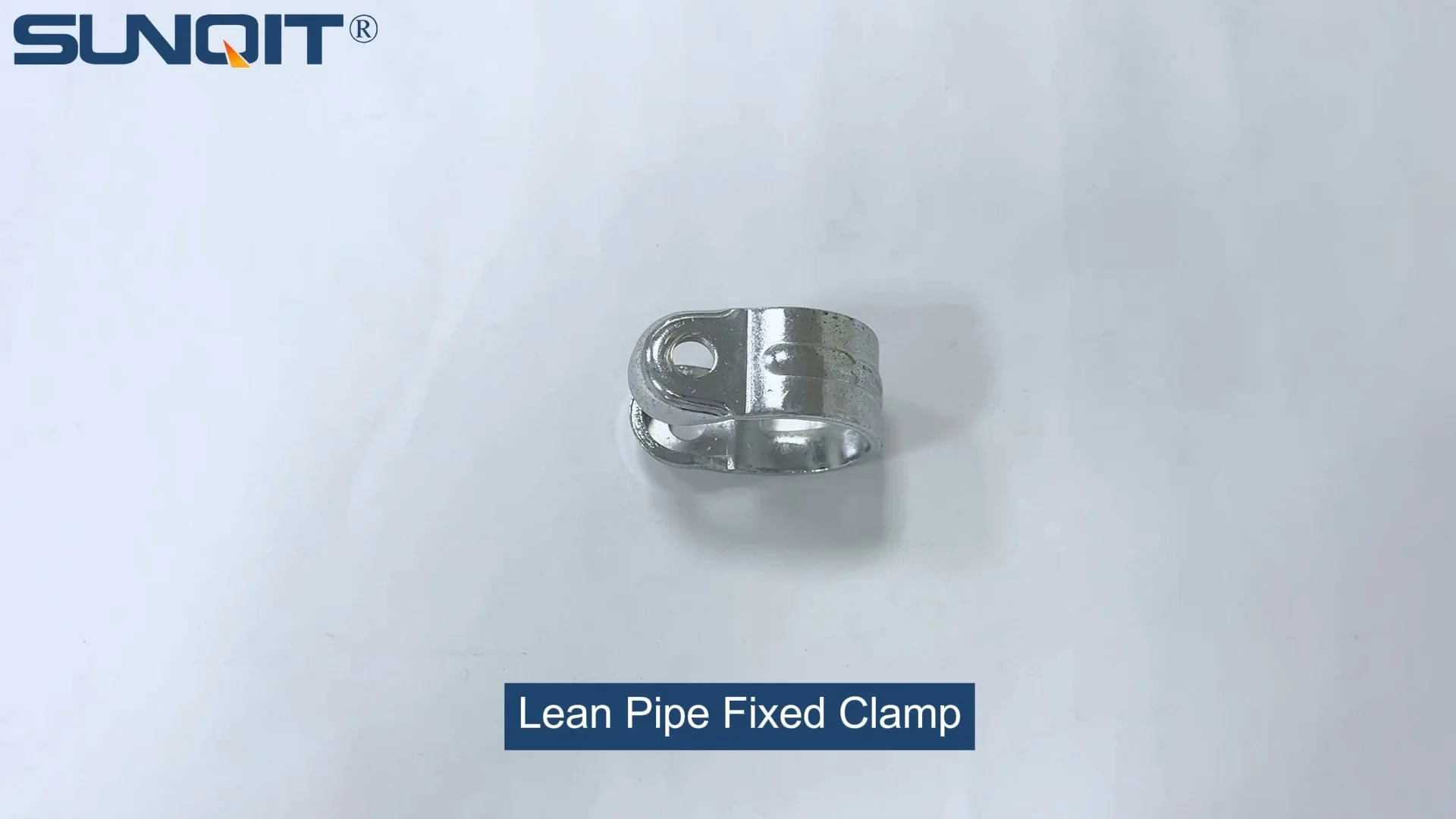
Lean Pipe Fixed Clamp
Lean pipe fixed clamp is used for pipe connector fixing the correct position during workbench flow rack hand trolley assemble work.
Walk into any busy production facility, and you'll hear it—the hum of conveyor belts, the clink of tools, the steady rhythm of workers assembling products. Amidst this symphony, there's an unsung hero keeping everything in order: the material rack. These structures aren't just metal and pipes; they're the backbone of efficiency, holding raw materials, semi-finished goods, and tools within arm's reach of the assembly line. But what happens when that backbone starts to wobble? Suddenly, the hum turns into a nervous chatter, workers pause to steady swaying shelves, and the clock ticks louder on delayed deadlines. For facilities relying on Material Rack B (3 row and 3 floor) —a workhorse in warehouses and assembly lines—stability isn't just a nice-to-have; it's the difference between smooth workflows and costly chaos. And today, we're diving into the quiet champion that keeps Material Rack B standing tall: the lean pipe fixed clamp .
Meet Material Rack B: The Workhorse of the Production Floor
Before we talk about wobbling and fixes, let's get to know the star of the show. Material Rack B isn't just any rack—it's a 3-row, 3-floor storage solution designed to maximize vertical space while keeping items organized and accessible. Imagine a three-tiered shelf, each tier split into three rows, creating nine dedicated spaces for everything from small components like screws and washers to larger parts like plastic molds or electronic assemblies. It's the kind of rack you'll find lining the walls of automotive assembly plants, electronics factories, and distribution centers, where every inch of space counts and quick access to materials is non-negotiable.
What makes Material Rack B so popular? Its versatility. Unlike rigid, one-size-fits-all shelving, it's often built using lean pipe —lightweight, durable tubes (sometimes steel, sometimes aluminum) that can be customized with accessories like bins, dividers, or hooks. This flexibility means it can adapt as production needs change: add a row for new components, adjust a shelf height for bulkier items, or even reconfigure the entire rack if the assembly line layout shifts. But here's the catch: that same flexibility can become a weakness if the connections between pipes and joints aren't rock-solid. Over time, with constant loading, unloading, and the occasional bump from a forklift or turnover trolley, those joints can loosen, and before you know it, your reliable Material Rack B starts to sway.
The Silent Threat: Why Wobbling Material Racks Hurt More Than You Think
Wobbling might seem like a minor annoyance—maybe a shelf shakes a little when you pull out a heavy bin, or a row tilts slightly when loaded unevenly. But in the fast-paced world of production, minor annoyances snowball into major problems. Let's break down the silent threats of a wobbly Material Rack B:
- Safety First (or Second?): A rack that sways isn't just unstable—it's a hazard. Loose items can slide off shelves,ing into equipment or, worse, workers. Even a small component falling from a top shelf can cause injuries or disrupt operations. And if the rack itself collapses? The damage to goods, equipment, and morale can take weeks to repair.
- Efficiency Grinds to a Halt: Ever tried grabbing a part from a swaying shelf? You hesitate, steady the rack with one hand, and pull the bin—adding seconds to each task. Multiply that by hundreds of parts retrieved daily, and suddenly you're looking at hours of wasted time. Workers get frustrated, deadlines slip, and the "lean" in lean system (the philosophy of minimizing waste) goes out the window.
- Damaged Goods, Damaged Profits: Fragile items like circuit boards or glass components don't take kindly to wobbling. A slight shake can scratch surfaces, loosen connections, or even crack delicate parts. That means more scrap, more rework, and more money down the drain. For high-value items, the cost of a single damaged batch can outweigh the price of a few clamps—making stability an investment, not an expense.
So why does Material Rack B wobble in the first place? It often boils down to the joints. Most racks, including Material Rack B, are built by connecting pipes and frames with joints and connectors. Over time, the constant stress of loading and unloading, vibrations from nearby machinery, and even temperature changes (which can cause metal to expand or contract) can loosen these connections. Add uneven weight distribution—like piling heavy items on one side and light ones on the other—and you've got a recipe for swaying. But here's the good news: the solution is simpler than you might think.
Enter Lean Pipe Fixed Clamps: The Unsung Heroes of Stability
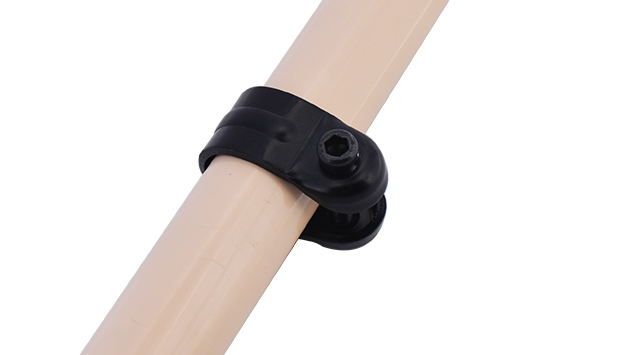
If Material Rack B's joints are the Achilles' heel, then lean pipe fixed clamps are the armor that protects them. These small but mighty components are designed to lock joints in place, preventing movement and distributing weight evenly across the rack. Think of them as the "seatbelts" for your rack—quietly holding everything together so you can focus on what matters: getting work done.
But what exactly is a lean pipe fixed clamp? Let's keep it simple. Picture a metal collar with a screw mechanism. You slide it over the joint where two lean pipes meet, tighten the screw, and suddenly that once-loose connection becomes a rigid bond. Unlike basic plastic connectors that can wear down over time, these clamps are often made from sturdy materials like stainless steel or aluminum, built to withstand the daily grind of a production floor. Some are even coated to resist rust, making them ideal for humid environments or facilities that require frequent cleaning (looking at you, food processing and pharmaceutical plants).
The magic of lean pipe fixed clamps lies in their design. They don't just "hold" the joint—they compress it. When you tighten the clamp's screw, it applies pressure to the pipe and joint from all sides, creating friction that prevents twisting, shifting, or sliding. This compression also helps distribute weight more evenly across the rack. Instead of stressing on one loose joint, the load is spread through the clamps to the entire frame, reducing the risk of bending or warping. It's like reinforcing a bridge's bolts—small adjustments that make a massive difference in structural integrity.

From Wobble to Rock-Solid: How Clamps Solve Common Stability Issues
To really understand the impact of lean pipe fixed clamps, let's look at real-world scenarios where they turn wobbly racks into steady ones. Below is a table breaking down common causes of wobbling in Material Rack B and how clamps step in to fix them:
| Cause of Wobbling | Problem It Creates | How Lean Pipe Fixed Clamps Solve It |
|---|---|---|
| Loose joints from frequent use | Joints shift under weight, causing shelves to tilt | Clamps compress joints, locking them in place to prevent shifting |
| Uneven weight distribution (e.g., heavy items on one side) | Rack leans to one side, stressing the frame | Clamps distribute weight across the entire structure, reducing strain on weak points |
| Vibrations from nearby machinery | Constant shaking loosens connectors over time | Clamps' friction-based grip resists vibration, keeping joints tight longer |
| Low-quality or worn connectors | Connectors crack or bend, failing to support load | Clamps add a secondary layer of support, reinforcing weak connectors |
Take Maria, for example, a production supervisor at a small electronics plant. Her team relies on two Material Rack B units to store circuit boards and wiring harnesses. A few months ago, she noticed the top shelf of one rack was starting to wobble—especially when workers grabbed heavy bins of connectors. At first, they tried tightening the existing plastic joints with a wrench, but the wobble returned within a week. Then, her lean pipe supplier recommended adding lean pipe fixed clamps to the rack's vertical and horizontal joints. "It was like night and day," Maria recalls. "We installed the clamps on a Friday, and by Monday, the rack was solid. No more pausing to steady shelves, no more near-misses with falling parts. The team even commented on how much more confident they felt grabbing materials now."

Beyond Clamps: Building a Stable Ecosystem for Material Rack B
Don't get us wrong—lean pipe fixed clamps are stars, but even stars need supporting actors. To make Material Rack B truly rock-solid, clamps work best when paired with other high-quality components. For example, using aluminum profile for the rack's frame adds rigidity, as aluminum's strength-to-weight ratio reduces flexing under load. Similarly, choosing the right casters (if the rack is mobile) with locking mechanisms prevents unintended movement, while anti-slip foot pads keep stationary racks grounded on uneven floors. But here's the key: none of these matter if the joints are loose. Clamps are the glue that holds the ecosystem together, ensuring every other component can do its job.
Another pro tip? Regular maintenance. Even the best clamps need a little love. A quick monthly check—tightening any slightly loose clamp screws, replacing rusted or damaged clamps, and inspecting joints for wear—can extend the life of Material Rack B and prevent wobbling before it starts. Think of it like changing the oil in your car: small, consistent efforts that save you from big, costly breakdowns later.
Why Invest in Quality Clamps? The Numbers Speak for Themselves
At this point, you might be thinking, "Clamps sound great, but are they worth the cost?" Let's crunch the numbers. A single lean pipe fixed clamp costs a few dollars—maybe $5 to $15, depending on size and material. A typical Material Rack B has around 12 to 18 joints, so outfitting it with clamps might cost $60 to $270. Now, compare that to the cost of a wobbly rack: a damaged batch of circuit boards could cost $500, a worker injury could lead to thousands in medical bills and lost productivity, and a production delay might result in a $10,000 penalty for missing a client deadline. Suddenly, $270 feels like a steal.
But the ROI goes beyond dollars. Stable racks mean happier workers. When employees don't have to worry about swaying shelves or falling items, they can focus on their tasks with confidence. Morale improves, and turnover—often high in physically demanding roles—decreases. As one warehouse manager put it, "You can't put a price on peace of mind. When the racks are steady, the whole team breathes easier, and that energy translates into faster, better work."
Final Thoughts: Stability Starts with the Right Tools
Material Rack B (3 row and 3 floor) is more than a storage solution—it's a lifeline for production floors. And in the world of manufacturing, where every second and every part counts, stability isn't just about keeping shelves upright. It's about protecting your team, your products, and your bottom line. Lean pipe fixed clamps might be small, but they're proof that the best solutions often come in the humblest packages. They're the quiet guardians that turn "good enough" racks into "reliable, day-in-and-day-out" workhorses.
So, if you're running a facility with Material Rack B, take a walk over to your racks today. Give them a gentle shake—do they wobble? If the answer is yes, it might be time to talk to your lean pipe supplier about adding lean pipe fixed clamps. Your team, your products, and your peace of mind will thank you. After all, in the race to produce more, faster, and better, the most important finish line is a stable one.