- Company Articles
- Products and Technology
- Product knowledge
- Material Rack B Upgrades: Replacing Old Tubes with 0.8mm Stainless Steel Pipe

Material Rack B Upgrades: Replacing Old Tubes with 0.8mm Stainless Steel Pipe
Related Product
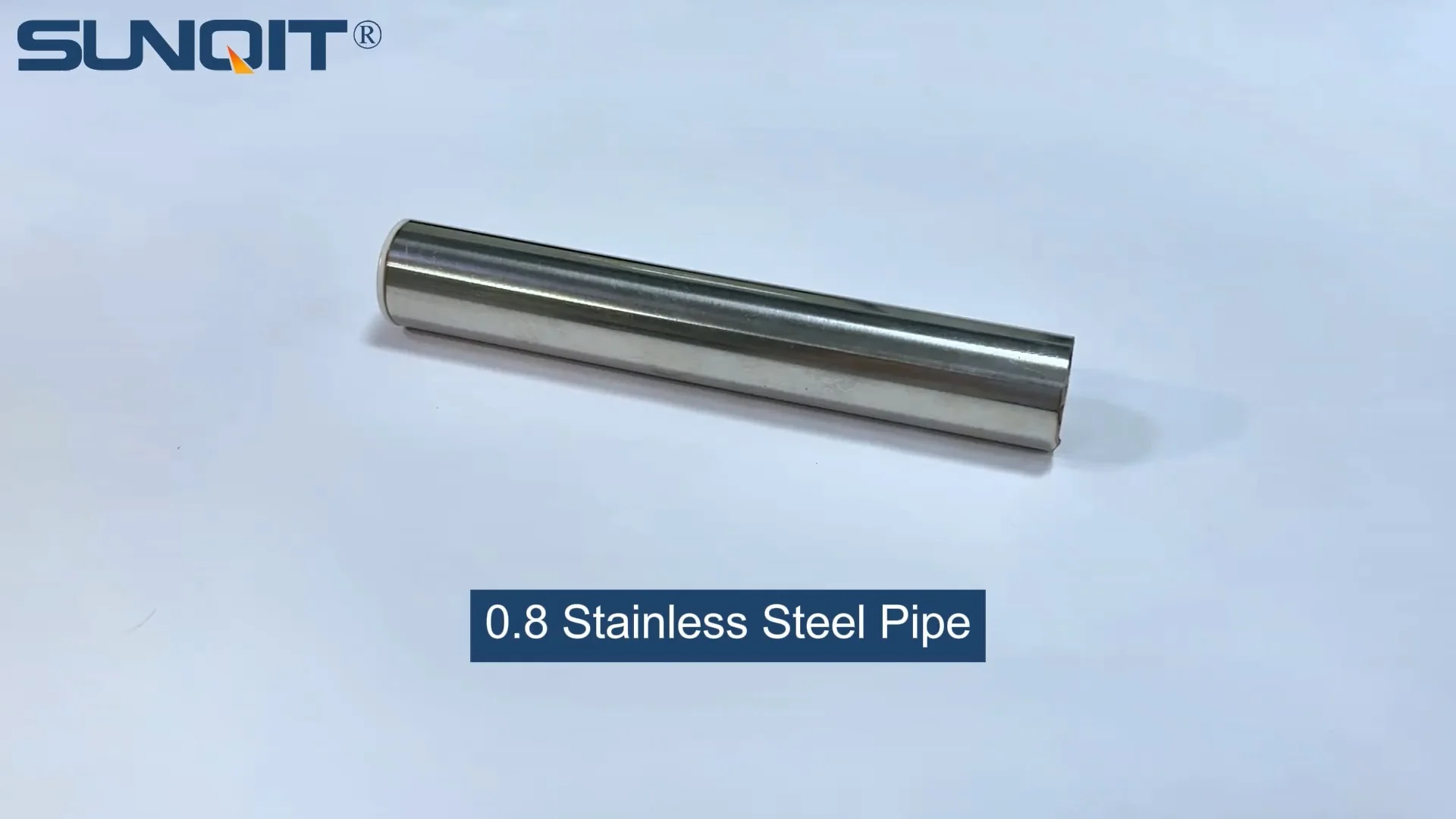
0.8mm Stainless Steel Pipe
Stainless steel pipe, lean pipe, diameter is 28mm, material is SS201 or SS304, SS201 is normally used in the market. It knows a KARAKURI, KAIZEN material for industrial plant to improve efficiency, save labor cost, standard management.
Walk into any busy warehouse or manufacturing facility, and you'll likely spot a familiar workhorse: the material rack. These unassuming structures hold everything from raw components to finished products, quietly keeping operations running. But if you've ever heard a warehouse manager sigh about a wobbly shelf, or a production supervisor grumble about replacing bent tubes for the third time this quarter, you know not all material racks are created equal. Today, we're diving into a game-changing upgrade for one of the most popular models on the market: Material Rack B (3 row and 3 floor). Specifically, why swapping out its original tubes for 0.8mm stainless steel pipe—part of the robust stainless steel pipe series—isn't just a repair, but a long-term investment in efficiency, safety, and lean system principles.
Meet Material Rack B: The Workhorse of Modern Facilities
First, let's get to know Material Rack B. Designed with versatility in mind, this rack features 3 rows and 3 floors, making it a staple in environments where vertical space is precious. Whether it's holding small electronic components on a production line, bulk raw materials in a warehouse, or tools in a maintenance shop, its modular design adapts to almost any storage need. Standard dimensions typically range from 1200mm in length to 800mm in depth, with each floor capable of supporting moderate to heavy loads—at least, in theory. The problem? Over time, the original tubes that form its frame often become the weak link.
"We installed Material Rack B three years ago, and at first, it was great," says Maria Gonzalez, a warehouse manager at a mid-sized automotive parts manufacturer. "But within 18 months, the bottom shelf started sagging under the weight of our metal castings. Then, the tubes on the second floor began to rust near the sprinkler system. By year two, we were replacing tubes every quarter. It felt like we were always playing catch-up."
Maria's experience isn't unique. Many facilities that rely on Material Rack B (and similar models) find themselves facing the same cycle: initial satisfaction, followed by gradual degradation of the rack's structural integrity. The culprit? More often than not, the original tubes—usually made from galvanized steel or thin-walled aluminum—simply aren't built to withstand the daily wear and tear of industrial environments.
The Downside of "Good Enough" Tubes
To understand why upgrading is necessary, let's break down the limitations of traditional rack tubes. Most Material Rack B units ship with one of two tube types: galvanized steel or standard aluminum. While these materials are inexpensive upfront, their flaws become apparent quickly in high-usage settings.
Galvanized Steel Tubes: Rust's Favorite Target
Galvanized steel tubes are coated in zinc to resist corrosion, but that coating is thin—typically just 0.02mm thick. In dry, climate-controlled environments, this might be sufficient. But in factories with high humidity, frequent cleaning with water or chemicals, or exposure to oils and coolants (common in automotive, food processing, or pharmaceutical industries), the zinc coating scratches or wears off. Once that happens, rust takes hold. A single rust spot can weaken the tube's structural integrity, leading to bending or even collapse under load.
"We had a galvanized steel tube on our Material Rack B snap last year," recalls Raj Patel, a production supervisor at an electronics assembly plant. "It was holding circuit board components—nothing extremely heavy, maybe 150kg. One day, we heard a loud creak, and the whole shelf tilted.,,,.;,."
Thin-Walled Aluminum Tubes: Strong, but Not Strong Enough
Some manufacturers opt for aluminum tubes to avoid rust, banking on the material's natural corrosion resistance. While aluminum does resist rust, it's softer than steel, with lower tensile strength. Thin-walled aluminum tubes (often 0.6mm or less) may bend under heavy loads or if accidentally bumped by forklifts or pallet jacks. "We switched to aluminum tubes hoping to solve the rust problem," Maria says, "but then we had issues with dents. A delivery driver nudged the rack with a pallet jack, and the front tube bent like a paperclip. We had to take the entire rack offline to replace it."
Both galvanized steel and aluminum tubes also suffer from another issue: weight. Galvanized steel is heavy, making the rack harder to reposition if your layout changes. Aluminum is lighter, but its lower strength means you often need thicker walls to match steel's load capacity—negating the weight advantage. What's the alternative?

Enter 0.8mm Stainless Steel Pipe: The Upgrade You Didn't Know You Needed
When it comes to durability, corrosion resistance, and long-term value, 0.8mm stainless steel pipe stands head and shoulders above traditional options. Part of the broader stainless steel pipe series—a line of industrial-grade tubing designed for high-stress applications—this specific strikes the perfect balance between strength, weight, and cost. Let's unpack why it's a game-changer for Material Rack B.
Stainless Steel Pipe Series: Built for the Long Haul
The stainless steel pipe series is engineered for environments where reliability matters. Unlike galvanized steel, stainless steel contains chromium (at least 10.5%), which forms a passive oxide layer on its surface. This layer self-heals when scratched, preventing rust from taking hold—even in damp or chemical-exposed areas. And at 0.8mm thick, the pipe offers exceptional tensile strength: approximately 500 MPa (megapascals), compared to 300 MPa for galvanized steel and 270 MPa for aluminum. In practical terms, that means it can support more weight without bending or deforming.
"We upgraded to 0.8mm stainless steel pipe six months ago, and the difference is night and day," Raj says. "Our heaviest shelf holds 250kg of circuit boards, and there's zero sagging. We also wash down the area weekly, and the tubes still look brand new—no rust, no discoloration."
Why 0.8mm? The Sweet Spot of Thickness
You might wonder: Why 0.8mm? Why not thicker, like 1.0mm, for even more strength? The answer lies in balance. Thicker pipes add unnecessary weight, making the rack harder to move (even with caster wheels) and increasing shipping costs. Thinner pipes (0.6mm or less) sacrifice durability. 0.8mm hits the sweet spot: it's strong enough to handle typical industrial loads (up to 300kg per shelf for Material Rack B), lightweight enough to keep the rack mobile, and cost-effective over time.
"We ran the numbers," Maria explains. "A 1.0mm stainless steel pipe would have added 15% to the weight of the rack. Since we occasionally move it with a pallet jack, that extra weight was a safety risk. 0.8mm gives us the strength we need without the bulk."

Old Tubes vs. 0.8mm Stainless Steel Pipe: A Side-by-Side Breakdown
To put the benefits into perspective, let's compare traditional tubes with 0.8mm stainless steel pipe across key metrics. The table below draws on data from material testing labs and real-world facility reports:
| Feature | Galvanized Steel Tubes (Original) | Standard Aluminum Tubes (Original) | 0.8mm Stainless Steel Pipe (Upgrade) |
|---|---|---|---|
| Material | Carbon steel with zinc coating | Aluminum alloy (6061 or similar) | 304 stainless steel (18% chromium, 8% nickel) |
| Wall Thickness | 0.6–0.7mm | 0.5–0.6mm | 0.8mm |
| Corrosion Resistance | Poor (zinc coating wears off; rusts easily in moisture/chemicals) | Good (resists rust, but prone to pitting in acidic environments) | Excellent (passive oxide layer self-heals; resists rust, acids, and alkalis) |
| Weight Capacity (Per Linear Meter) | 150–200kg (before bending) | 120–180kg (before bending) | 250–300kg (no bending under typical loads) |
| Expected Lifespan | 1–2 years (industrial use) | 2–3 years (industrial use) | 10+ years (industrial use) |
| Maintenance Required | High (repaint, replace rusted sections quarterly) | Moderate (straighten dents, replace bent tubes annually) | Low (occasional wipe-down with water/soap) |
| Cost Over Time* | High (frequent replacements + downtime) | Moderate (occasional replacements + downtime) | Low (one-time upgrade, minimal maintenance) |
*Based on 5-year lifecycle, including material costs, labor for replacements, and downtime.
The data speaks for itself: 0.8mm stainless steel pipe outperforms traditional tubes in every critical category. But numbers alone don't tell the whole story. Let's explore how this upgrade impacts day-to-day operations.
Beyond Durability: Supporting Lean System Goals
For facilities committed to lean system principles—eliminating waste, improving flow, and maximizing value—upgrading to 0.8mm stainless steel pipe aligns perfectly with these objectives. Here's how:
Reducing Waste (Muda)
Lean systems prioritize reducing "muda," or waste, in all forms. Traditional tubes generate waste through frequent replacements, excess inventory of spare parts, and downtime for repairs. "Before the upgrade, we kept 10 spare galvanized tubes in stock at all times," Maria says. "Now, we have zero. The stainless steel pipes haven't needed replacement, so we've freed up storage space and cut our parts budget by 70%."
Improving Flow (Mura)
"Mura," or unevenness, disrupts production flow. A sagging shelf or rusted tube can cause delays as workers wait for repairs or navigate around unstable racks. With stainless steel pipes, Material Rack B becomes a reliable, consistent part of the workflow. "Our assembly line runs smoother now," Raj notes. "We used to have to reroute materials when a rack tube failed. Now, the rack is always there, holding what we need, when we need it."
Enhancing Safety (Muri)
"Muri," or overburden, refers to stress placed on workers or equipment. A wobbly rack forces employees to handle materials,.Heavy, rusted tubes also make rack repositioning dangerous. "Moving the old rack with rusted tubes was a two-person job," Maria says. "Now, with stainless steel, it's lighter and sturdier—one person can move it safely with a pallet jack, even with caster wheels for extra mobility."
How to Upgrade Your Material Rack B: A Step-by-Step Guide
Ready to make the switch? Upgrading Material Rack B to 0.8mm stainless steel pipe is a straightforward process that most maintenance teams can complete in a day. Here's a step-by-step overview:
Step 1: Assess Your Rack's Condition
Start by inspecting your current Material Rack B. Note which tubes are rusted, bent, or damaged. Measure the length and diameter of each tube (most are 28mm or 30mm in diameter) to ensure you order the correct replacement pipes. "We took photos of each section and labeled the tubes with tape," Raj says. "That way, we didn't mix up lengths during installation."
Step 2: Source 0.8mm Stainless Steel Pipe
Order 0.8mm stainless steel pipe from a reputable supplier specializing in the stainless steel pipe series. Look for 304-grade stainless steel, which offers the best balance of corrosion resistance and strength for industrial use. Most suppliers can cut pipes to your exact measurements, saving time on-site.
Step 3: Remove Old Tubes
Empty the rack completely, then use a wrench or socket set to remove the old tubes from their joints. If tubes are rusted in place, apply a penetrating oil (like WD-40) and let it sit for 15 minutes before trying to loosen. "We had a few tubes that were really stuck," Maria recalls. "A rubber mallet tapped gently on the joints helped break them free without damaging the rack's frame."
Step 4: Install New Stainless Steel Pipes
insert the new 0.8mm stainless steel pipes into the existing joints. Tighten the joints securely, but avoid over-tightening (this can strip threads). For extra stability, apply a thread-locking compound (like Loctite) to the joint screws. "We used a torque wrench to ensure each joint was tight but not too tight," Raj says. "That prevented leaks and kept the rack square."
Step 5: Test and Adjust
Once all pipes are installed, load the rack with typical weights and check for stability. If shelves are uneven, adjust the joints slightly. Add caster wheels if mobility is needed—just ensure they're rated for the rack's new weight capacity. "We added heavy-duty caster wheels after installation," Maria says. "Now we can roll the rack to the production line instead of carrying materials back and forth. It's saved us hours of labor."
Real-World Results: Facilities That Made the Switch
To quantify the impact, let's look at two facilities that upgraded Material Rack B to 0.8mm stainless steel pipe:
Case Study 1: Automotive Parts Warehouse (Maria's Facility)
After upgrading 10 Material Rack B units, Maria's warehouse saw:
- 90% reduction in tube replacements (from 40 per year to 4)
- 50% decrease in maintenance labor hours (from 120 hours/year to 60)
- Elimination of rust-related product damage (previously $2,000/year in losses)
- 30% increase in shelf weight capacity (now holds 280kg per shelf vs. 200kg)
"The upgrade paid for itself in 10 months," Maria says. "Between saved labor, reduced downtime, and no more damaged inventory, it was a no-brainer."
Case Study 2: Electronics Assembly Plant (Raj's Facility)
Raj's plant upgraded 5 Material Rack B units and reported:
- Zero tube replacements in 6 months (previously 15 per year)
- 25% faster material retrieval (due to sturdier shelves and caster wheel mobility)
- Improved safety ratings (no more near-misses from wobbly racks)
- Compliance with ISO 9001 standards (stainless steel meets cleanroom requirements)
"Our auditors were impressed," Raj notes. "The stainless steel pipes look professional and meet the corrosion resistance standards our industry requires. It's a small change that makes a big difference in our quality scores."
Invest in Durability: Upgrade to 0.8mm Stainless Steel Pipe Today
Material Rack B (3 row and 3 floor) is a reliable workhorse, but its performance hinges on the strength of its tubes. Traditional galvanized steel and aluminum tubes offer short-term savings but long-term headaches—rust, bending, and constant replacements that eat into your budget and disrupt operations. Upgrading to 0.8mm stainless steel pipe, part of the durable stainless steel pipe series, transforms this everyday rack into a long-term asset that supports lean system goals, improves safety, and reduces waste.
As Maria puts it: "You don't realize how much time you're wasting on repairs until you stop doing them. The stainless steel upgrade didn't just fix our racks—it made our whole warehouse run smoother. And in lean manufacturing, smooth is everything."
So, if you're tired of replacing tubes, dealing with rust, or worrying about shelf stability, take the first step: assess your Material Rack B, source your stainless steel pipes, and make the upgrade. Your team, your budget, and your lean system will thank you.