- Company Articles
- Products and Technology
- Product knowledge
- Material Rack Design with 4080B EU Standard Aluminum Profile: Efficiency in Warehousing

Material Rack Design with 4080B EU Standard Aluminum Profile: Efficiency in Warehousing
Related Product
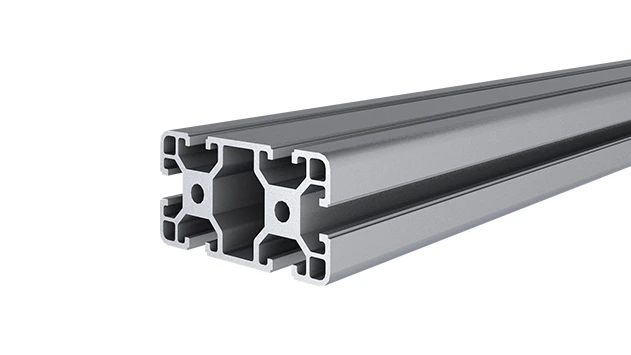
4080B EU Standard Aluminum Profile
4080B is a 4.00x8.00 CM fractional 40 series square extrusion T-slot profile with two side open T-slots, each side with 4.00cm face, two side with 8.00cm face. The profile has align-a-grooves to assist in aligning connecting profiles.
Walk into any busy warehouse, and you'll quickly realize that the backbone of its operations isn't just the products on the shelves—it's the infrastructure holding everything together. Material racks, in particular, are the unsung heroes of efficient warehousing. They determine how easily workers can access inventory, how much space is wasted (or saved), and even how quickly orders get fulfilled. But not all racks are created equal. In recent years, a game-changer has emerged in the world of warehouse design: the 4080B EU standard aluminum profile. This unassuming yet versatile material is redefining what's possible in material rack design, turning clunky, rigid setups into flexible, efficient systems that grow with your business. Let's dive into how this profile is transforming warehouses, one rack at a time.
Why Warehouses Struggle with Traditional Material Racks
Before we sing the praises of 4080B aluminum profiles, let's talk about the problem they solve. Traditional material racks—often made of heavy steel or wood—come with a long list of headaches. Steel racks, for example, are incredibly durable, but their weight makes them a nightmare to assemble. You'll need a team of workers and specialized tools just to put one together, and once it's up, it's stuck . Need to reconfigure your warehouse layout next quarter? Good luck—you'll likely have to dismantle the entire rack and start over, wasting time and labor.
Wooden racks, on the other hand, are cheaper upfront but fall apart quickly under heavy loads or humid conditions. They're also prone to warping, which means uneven shelves that risk damaging inventory. And neither steel nor wood offers much in the way of customization. If you need a rack with specific shelf heights or a unique shape to fit a tight corner, you're looking at custom fabrication costs that can skyrocket your budget.
Then there's the issue of workflow. In fast-paced warehouses, materials need to move quickly from storage to production or shipping. Traditional racks often lack features like smooth-rolling surfaces or easy mobility, forcing workers to spend extra time fetching items. Over a day, week, or month, those minutes add up to lost productivity—and lost profits.
Enter the 4080B EU Standard Aluminum Profile: A Warehouse's New Best Friend
The 4080B EU standard aluminum profile isn't just another building material—it's a design philosophy. Let's start with the basics: "4080B" refers to its dimensions (40mm wide, 80mm tall) and adherence to EU manufacturing standards, which ensure consistency in quality, strength, and compatibility. Made from high-grade aluminum extrusion, this profile is lightweight yet surprisingly tough, capable of supporting heavy loads without bending or warping. But what really sets it apart is its versatility.
Unlike steel or wood, 4080B aluminum profiles are designed with T-slots—longitudinal grooves running along their length. These slots act as built-in connection points, allowing you to attach shelves, brackets, wheels, or other components using simple aluminum profile accessories like bolts, nuts, and angle brackets. No welding, no drilling, no custom cutting (most of the time). This means you can assemble a fully functional material rack in hours, not days, and reconfigure it just as quickly when your needs change.
Let's break down why this matters for warehousing efficiency. Imagine you run a small electronics warehouse, and your inventory shifts seasonally—more smartphones in Q4, more tablets in Q2. With a traditional steel rack, you'd either cram extra stock into the same space (risking damage) or buy a whole new rack (wasting money). With 4080B profiles, you can adjust shelf heights, add extra tiers, or even reposition the entire rack to fit the new inventory mix. It's like having a rack that grows and adapts with your business.

The Building Blocks: Key Components of a 4080B Aluminum Profile Material Rack
A great material rack is more than just the profiles themselves—it's the combination of components working together. Let's take a closer look at the parts that make 4080B aluminum profile racks so effective, including some essential aluminum profile accessories that turn a pile of metal into a powerhouse of efficiency.
1. The 4080B Aluminum Profile: The Backbone
At the heart of every rack is the 4080B profile. Its T-slot design is a game-changer for assembly. Each slot is precision-engineered to fit standard accessories, so you don't have to worry about mismatched parts. The aluminum itself is corrosion-resistant, making it ideal for warehouses with humidity or temperature fluctuations—no more rusty shelves ruining inventory. And because it's lightweight, even a single worker can carry and position the profiles, cutting down on labor costs during setup.
2. Aluminum Profile Accessories: The Glue That Holds It All Together
You can't talk about 4080B racks without mentioning aluminum profile accessories. These small but mighty components are what make the system so flexible. Think of them as the "Lego pieces" of the rack world. There are angle brackets for connecting profiles at 90-degree angles, end caps to smooth out sharp edges (safety first!), and gussets to reinforce joints for heavier loads. Even something as simple as a T-bolt—designed to slide into the T-slot and lock in place—eliminates the need for drilling. With the right accessories, you can build almost any shape: square racks, L-shaped racks, even circular ones if you're feeling creative.
3. Aluminum Guide Rail A: For Smooth Material Flow
Efficiency in warehousing isn't just about storage—it's about movement. That's where aluminum guide rail A comes in. These rails are designed to attach directly to 4080B profiles, creating a smooth, low-friction surface for materials to slide on. Whether you're moving boxes, bins, or components, aluminum guide rail A reduces the force needed to push or pull items, cutting down on worker fatigue and speeding up retrieval times. In a picking station, for example, a rack fitted with these rails allows workers to slide bins from the back to the front with minimal effort, keeping the workflow steady and reducing errors.
4. Caster Wheels: Mobility Without Compromise
Not all material racks need to be stationary. Sometimes, you need to move a rack of supplies directly to the production line or a shipping dock. That's where caster wheels come in. 4080B aluminum profiles pair seamlessly with heavy-duty caster wheels, which can be attached to the base of the rack using simple brackets. Look for wheels with locking mechanisms to keep the rack stable when in use, and swivel capabilities for easy maneuvering in tight spaces. Suddenly, your "fixed" storage becomes a mobile workstation, eliminating the need to carry heavy items across the warehouse.
Case Study: Material Rack B (3 Row and 3 Floor) – A Real-World Efficiency Boost
To see the 4080B aluminum profile in action, let's take a look at a common warehouse workhorse: Material Rack B, a 3-row, 3-floor setup designed for medium to heavy loads. Traditional versions of this rack are often made of welded steel, weighing hundreds of pounds and requiring a forklift to move. They're also fixed in place, with shelves spaced at standard intervals that may not fit all inventory sizes.
Now, imagine Material Rack B built with 4080B aluminum profiles. Here's how it transforms:
- Assembly Time: A traditional steel Material Rack B might take 4-6 hours to assemble (including welding and painting). With 4080B profiles and aluminum profile accessories, two workers can put it together in under 2 hours. No welding, no special tools—just sliding brackets into T-slots and tightening bolts.
- Customization: The 3-row, 3-floor design is standard, but with 4080B, you can adjust each shelf's height in 10mm increments. Need a 15cm gap for tall boxes? No problem. Want to add a half-shelf in one row for smaller parts? Just attach a bracket. This flexibility means the rack can hold everything from bulky machinery parts to tiny electronic components without wasted space.
- Mobility: Add caster wheels to the base, and suddenly Material Rack B can be rolled to the production line during peak hours, then back to storage when not needed. One electronics manufacturer reported cutting "fetch time" for components by 30% after making their racks mobile.
- Load Capacity: Don't let the lightweight aluminum fool you. A 4080B profile rack with reinforced joints can support up to 500kg per shelf—more than enough for most warehouse needs. The T-slot connections distribute weight evenly, reducing the risk of shelf collapse compared to bolted steel racks, where stress single points.
- Space Savings: The 3-row design maximizes vertical space, but with 4080B's slim profile (40mm width), the rack itself takes up less floor space than a steel equivalent. Over time, this adds up—one warehouse manager estimated gaining an extra 150 sq. ft. of storage space by switching all their racks to 4080B profiles.
The result? A rack that's faster to build, cheaper to modify, easier to use, and more space-efficient than traditional alternatives. For Material Rack B, 4080B aluminum profiles aren't just an upgrade—they're a complete efficiency overhaul.
Traditional vs. 4080B Aluminum Profile Racks: The Numbers Speak for Themselves
Still on the fence? Let's compare traditional material racks (steel or wood) with 4080B aluminum profile racks side by side:
| Feature | Traditional Steel/Wood Racks | 4080B Aluminum Profile Racks |
|---|---|---|
| Assembly Time | 4-6 hours (welding/painting required) | 1-2 hours (tool-free with T-slots) |
| Customization Cost | High (requires custom fabrication) | Low (adjustable with accessories) |
| Weight (per 6ft rack) | 150-200kg (steel) | 40-60kg (aluminum) |
| Load Capacity (per shelf) | 300-400kg | 400-500kg (with reinforced joints) |
| Mobility | Fixed (requires forklift to move) | Mobile (add caster wheels) |
| Long-Term Cost | Higher (replacement every 5-7 years due to rust/warping) | Lower (corrosion-resistant; lasts 10+ years with minimal maintenance) |
Beyond the Rack: Other Ways 4080B Aluminum Profiles Boost Warehouse Efficiency
While material racks are a standout application, 4080B aluminum profiles shine in other warehouse areas too. For example:
- Workstations: Build custom workbenches with integrated 4080B racks for tools and supplies. Add aluminum guide rail A to the bench surface for sliding parts bins, keeping everything within arm's reach.
- Flow Racks: Combine 4080B profiles with roller tracks (another aluminum profile accessory) to create gravity-fed flow racks, where items slide to the front as they're picked—perfect for FIFO (First In, First Out) inventory systems.
- Safety Barriers: Use 4080B profiles to build lightweight yet sturdy guardrails around machinery or walkways. The T-slots make it easy to attach warning signs or LED lights.
Installation and Maintenance Tips for 4080B Aluminum Profile Racks
Ready to upgrade your warehouse with 4080B aluminum profile racks? Here are a few tips to ensure success:
- Plan Before You Build: Sketch your rack design and measure your warehouse space carefully. Consider load capacity, shelf heights, and mobility needs. Most suppliers offer free design tools to help you visualize the final product.
- Invest in Quality Accessories: Cheap aluminum profile accessories can bend or strip, weakening the rack. Stick with EU-standard accessories to ensure compatibility and strength.
- Don't Over-Tighten Bolts: Aluminum is softer than steel, so over-tightening can strip T-slots. Use a torque wrench set to 25-30 Nm for most connections.
- Clean Regularly: Wipe down profiles with a damp cloth to remove dust and debris, which can clog T-slots. For stubborn grime, use mild soap and water—avoid harsh chemicals that can damage the aluminum's finish.
- Check Caster Wheels: If using mobile racks, inspect caster wheels monthly for wear. replace any wheels with cracked rubber or loose bearings to prevent accidents.
Conclusion: Efficiency That Grows With Your Business
In the world of warehousing, efficiency isn't just about speed—it's about adaptability. Markets change, inventory shifts, and workflows evolve. Traditional material racks lock you into a static setup, forcing you to adapt your business to your infrastructure. 4080B EU standard aluminum profile racks flip that script: they adapt to your business, growing, changing, and improving right alongside you.
From Material Rack B's 3-row, 3-floor versatility to the smooth flow of aluminum guide rail A and the mobility of caster wheels, every component of a 4080B system is designed to make your warehouse smarter, faster, and more cost-effective. And with aluminum profile accessories that make assembly a breeze, you won't just save time on setup—you'll save time every day, as workers move more efficiently, inventory is stored more compactly, and changes are made in hours, not weeks.
So, if you're tired of wrestling with rigid, outdated racks, it might be time to give 4080B aluminum profiles a closer look. Your warehouse (and your bottom line) will thank you.