- Company Articles
- Products and Technology
- Product knowledge
- Material Racks with 1.2mm Stainless Steel Pipe: Ideal for Heavy Parts Storage

Material Racks with 1.2mm Stainless Steel Pipe: Ideal for Heavy Parts Storage
Related Product
1.2mm Stainless Steel Pipe
Stainless steel pipe, lean pipe, diameter is 28mm, material is SS201 or SS304, SS201 is normally used in the market. It knows a KARAKURI, KAIZEN material for industrial plant to improve efficiency, save labor cost, standard management.
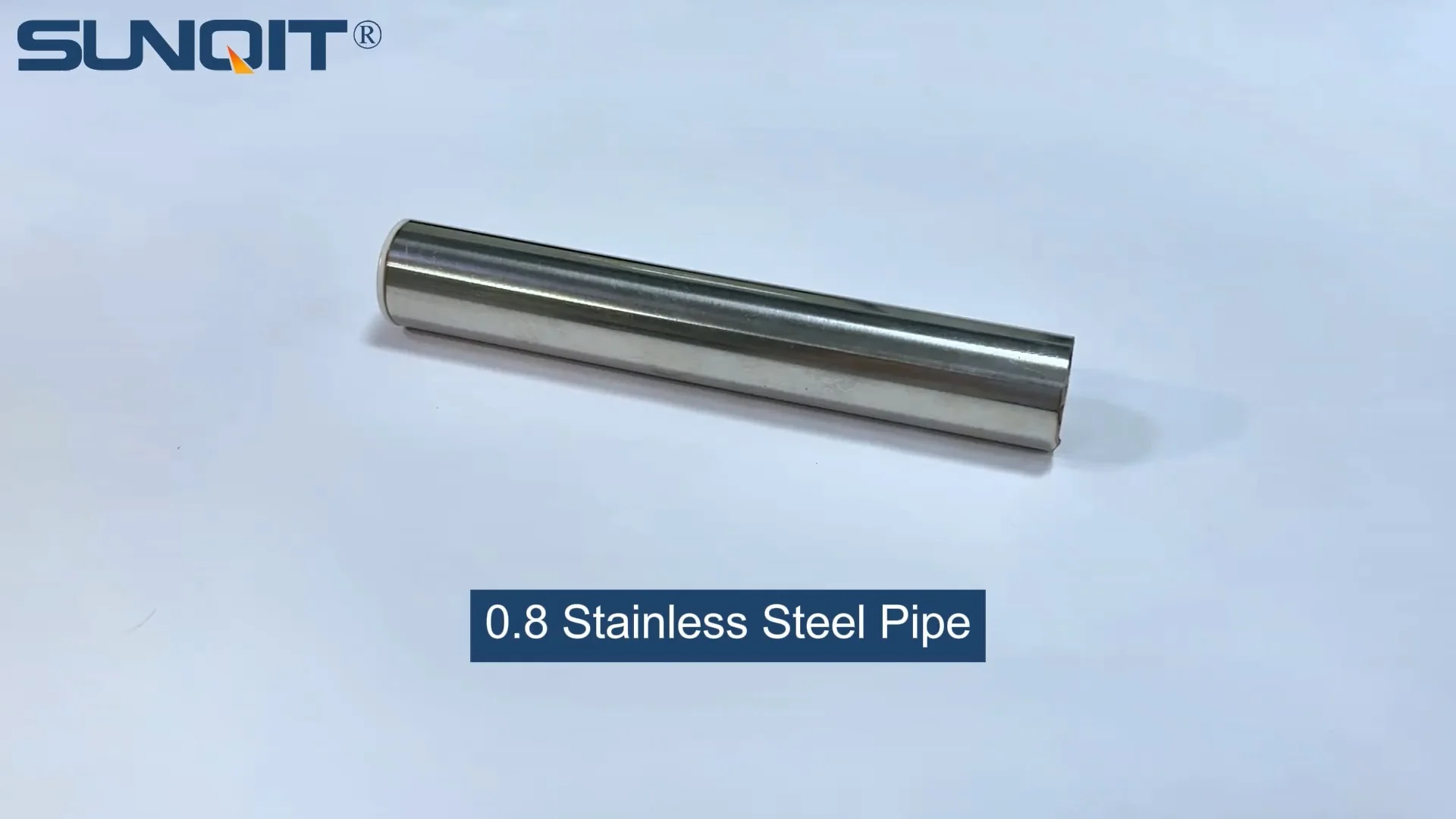
Walk into any busy manufacturing plant, warehouse, or distribution center, and you'll quickly spot the unsung heroes of daily operations: the storage racks. They hold everything from raw materials to finished products, tools to spare parts. But when the items being stored are heavy—think engine blocks, metal castings, or industrial machinery components—those racks stop being just "furniture" and become critical to safety, efficiency, and bottom-line success. Too often, though, standard racks buckle under the weight, rust in harsh environments, or fail to adapt to changing needs. That's where material racks built with 1.2mm stainless steel pipe come in. These aren't your average storage solutions; they're durable, versatile workhorses designed to handle the toughest storage challenges. Let's dive into why they're becoming a go-to choice for teams dealing with heavy parts.
The Problem with "One-Size-Fits-All" Storage for Heavy Parts
Heavy parts storage isn't just about having a place to put things. It's about keeping workers safe (no collapsing shelves), reducing downtime (no hunting for misplaced parts), and protecting valuable inventory (no dents or damage from unstable racks). Traditional storage options often fall short here. Let's break down the common headaches:
Rust and corrosion: Many racks are made from plain steel, which starts to rust the moment it's exposed to moisture, chemicals, or even high humidity. In factories where oils, coolants, or cleaning agents are present, this rust can spread quickly, weakening the structure and leaving unsightly stains on parts.
Flimsy construction: Thin-walled pipes or low-grade materials might save money upfront, but they can't handle consistent heavy loads. A shelf rated for 200kg might sag after a few months of holding 250kg parts, leading to bent frames or, worse, collapse.
Lack of flexibility: Manufacturing needs change. Maybe you start storing smaller parts one quarter and larger, heavier ones the next. Fixed racks with non-adjustable shelves leave you stuck, forcing you to buy new racks or waste space.
These issues aren't just annoying—they cost time, money, and peace of mind. So what's the alternative? Enter material racks built with 1.2mm stainless steel pipe, part of the broader stainless steel pipe series that's gaining traction in industrial settings.
Why 1.2mm Stainless Steel Pipe? The Sweet Spot for Strength and Practicality
Stainless steel has long been prized for its strength and resistance to corrosion, but not all stainless steel racks are created equal. The thickness of the pipe matters—a lot. At 1.2mm, this isn't the thin, bendable stainless steel you'd find in a kitchen utensil. It's a robust gauge that strikes a perfect balance between durability and usability.
Strength without the bulk: 1.2mm stainless steel pipe is thick enough to handle heavy loads (we're talking 400-500kg per shelf, depending on design) but not so thick that it makes the rack overly heavy or hard to assemble. This is key for warehouses and factories where racks might need to be moved or reconfigured occasionally.
Corrosion resistance built-in: Stainless steel contains chromium, which forms a protective oxide layer on the surface. This layer self-repairs if scratched, preventing rust from taking hold. For environments with moisture, chemicals, or frequent cleaning, this is a game-changer. Unlike painted steel racks, which chip and expose bare metal, stainless steel stays looking (and performing) like new for years.
Longevity that pays off: Let's do the math. A basic steel rack might cost $200 upfront but need replacement in 2-3 years due to rust or wear. A 1.2mm stainless steel rack might cost $400, but last 10+ years with minimal maintenance. Over time, the stainless steel option is not just better—it's cheaper. It's an investment in long-term reliability.

Key Features of 1.2mm Stainless Steel Pipe Material Racks
Beyond the pipe itself, these racks are designed with industrial needs in mind. Here's what sets them apart:
1. Impressive Load Capacity
Let's get specific: A typical 1.2mm stainless steel pipe rack with 3 shelves (like the popular material rack b (3 row and 3 floor) model) can hold up to 450kg per shelf when properly assembled. That's enough for stacks of metal sheets, engine components, or even small machinery. Compare that to a standard plastic or thin-aluminum rack, which might max out at 150-200kg per shelf, and the difference is clear. For teams dealing with heavy parts, this capacity isn't just convenient—it's essential.
2. Modular Design for Adaptability
Lean manufacturing isn't just a buzzword; it's a mindset focused on efficiency and reducing waste. These racks embrace that mindset with a modular design. Using stainless steel pipe joints (think T-joints, elbow joints, and connectors), you can adjust shelf heights, add or remove shelves, or even reconfigure the entire rack's shape. Need to make space for a taller part? Loosen a few bolts, adjust the uprights, and you're done. No need to buy a whole new rack—just adapt the one you have.
3. Low Maintenance, High Reliability
Stainless steel's biggest selling point might be how little attention it needs. Unlike painted steel racks, which require regular touch-ups to prevent rust, stainless steel racks just need an occasional wipe-down with a damp cloth to remove dust or grime. Even in environments with oils, coolants, or high humidity, they resist corrosion, so you won't find flaky rust or weakened joints after a few months of use. This low maintenance means less time spent on upkeep and more time focused on actual work.
4. Safety First
When storing heavy parts, safety isn't optional. 1.2mm stainless steel pipe racks are built to minimize risks. The thick pipes don't bend under load, so shelves stay level, preventing parts from sliding off. Many models also come with optional safety features like shelf lips (to keep items from rolling off) or locking joints (to prevent accidental disassembly). Plus, stainless steel's non-porous surface is easy to clean, reducing the risk of bacterial growth in food-processing or pharmaceutical settings—though even in general manufacturing, a clean rack is a safer rack.

Integrating with Lean Systems: More Than Just Storage
In today's fast-paced manufacturing world, storage doesn't exist in a vacuum. It's part of a larger ecosystem of workflows, from receiving raw materials to shipping finished products. That's why 1.2mm stainless steel pipe racks play well with lean system principles. Lean is all about maximizing value and minimizing waste, and these racks support that in several ways:
5S compliance: The 5S methodology (Sort, Set in Order, Shine, Standardize, Sustain) relies on organized, clutter-free workspaces. These racks help "Set in Order" by providing designated, labeled spots for parts, reducing the time workers spend searching for tools or materials. Their clean, durable design also makes "Shine" (cleaning) easier, turning maintenance into a quick daily task rather than a weekend chore.
Reduced motion waste: Motion waste—unnecessary walking, reaching, or bending—is a common target in lean. By customizing rack height and layout, you can position heavy parts at waist level, reducing strain on workers and cutting down on time spent lifting or stretching. Add caster wheel accessories, and you can even roll the rack directly to the production line, eliminating the need to transport parts back and forth.
Visual management: Stainless steel racks have a clean, uniform look that makes it easy to spot missing items or disorganization. Pair them with color-coded bins or labels, and your storage area becomes a visual tool that keeps everyone on the same page. No more hunting through messy shelves—if a spot is empty, it's immediately obvious.
Spotlight: Material Rack B (3 Row and 3 Floor) – A Real-World Workhorse
To understand how these racks work in practice, let's take a closer look at a popular model: material rack b (3 row and 3 floor) . This isn't just a random configuration; it's a design optimized for versatility and heavy loads. Here's what makes it stand out:
Dimensions and layout: Typically measuring around 1500mm (width) x 600mm (depth) x 1800mm (height), this rack features 3 vertical rows and 3 horizontal floors (shelves). The 3-row design means it can hold multiple types of parts side by side without overcrowding, while the 3 floors maximize vertical space—critical in warehouses where square footage is expensive.
Load capacity: As mentioned earlier, each shelf can handle up to 450kg, thanks to the 1.2mm stainless steel pipes and reinforced joints. That's 1350kg total for the entire rack—enough to store a pallet of heavy castings or a dozen large machine parts.
Assembly and customization: Like most stainless steel pipe racks, Material Rack B is built using a modular joint system. No welding required—just tighten bolts with a hex key, and you're good to go. Need to add a fourth shelf? Extra pipes and joints are easy to source from a lean pipe supplier . Want to adjust the shelf height to fit taller parts? Simply reposition the joints—no cutting or drilling needed.
Real-world use case: A mid-sized automotive parts manufacturer in Ohio recently switched to Material Rack B for storing transmission housings. Previously, they were using wooden pallets stacked on basic steel racks, which often sagged and made it hard to access the bottom layers. After installing 10 Material Rack B units, they reported a 30% reduction in time spent retrieving parts and zero incidents of shelf failure. "We used to have to when loading the top shelf," said their warehouse manager. "Now we just load it up and forget about it—these racks don't budge."
Accessories That Take These Racks to the Next Level
A great rack is even better with the right accessories. Here are a few add-ons that enhance functionality for heavy parts storage:
Caster wheels: Adding caster wheel sets (typically 4-6 per rack) turns a stationary rack into a mobile storage unit. This is a game-changer for production lines where parts need to be moved directly to the assembly area. Look for heavy-duty casters with brakes to keep the rack stable when loading/unloading.
Shelf dividers: For smaller heavy parts (like bolts, nuts, or small gears), dividers turn a single shelf into organized compartments, preventing items from mixing and making inventory checks faster.
Workbench tops: Some suppliers offer compatible workbench surfaces that can be mounted on top of the rack, creating a dedicated space for inspecting or prepping parts before storage. It's a smart way to save space by combining storage and workspace.
Label holders: Clear, durable label holders attach to the rack's uprights, making it easy to identify what's stored on each shelf. No more guessing games or misfiled parts.
Stainless Steel vs. Aluminum vs. Plastic: Why Stainless Steel Wins for Heavy Parts
You might be wondering: Are there other materials that can handle heavy parts? Let's compare 1.2mm stainless steel pipe racks to two common alternatives—aluminum and plastic—to see why stainless steel is the best choice for heavy-duty storage:
| Feature | 1.2mm Stainless Steel Pipe Racks | Aluminum Racks | Plastic Racks |
|---|---|---|---|
| Load Capacity (per shelf) | 400-500kg | 200-300kg (thicker aluminum) | 50-150kg (heavy-duty plastic) |
| Corrosion Resistance | Excellent (resists rust, chemicals, moisture) | Good (but softer; prone to dents) | Good (but UV exposure can cause brittleness) |
| Durability | High (10+ year lifespan with minimal maintenance) | Moderate (5-7 years; dents easily under heavy impact) | Low (2-3 years; cracks under repeated heavy loads) |
| Cost (Initial) | Higher | Moderate | Lowest |
| Cost (Long-Term) | Low (no replacement needed for years) | Moderate (may need replacement due to dents/damage) | High (frequent replacements) |
| Best For | Heavy parts, harsh environments, long-term use | Light to medium parts, clean/dry environments | Light parts, temporary storage, non-industrial settings |
The takeaway? Aluminum and plastic have their place, but for heavy parts storage—especially in industrial settings—stainless steel is the most reliable, cost-effective choice over time. It's an investment that pays off in fewer replacements, less downtime, and greater peace of mind.
Choosing the Right Supplier: What to Look For
Not all stainless steel pipe racks are created equal, and neither are suppliers. To ensure you're getting a quality product, keep these factors in mind when choosing a lean pipe supplier :
Material quality: Ask for certifications (like ISO 9001) to ensure the stainless steel meets industry standards. Avoid suppliers who cut corners with low-grade stainless steel (e.g., 201 instead of 304 grade), which is more prone to rust.
Customization options: A good supplier should offer more than just off-the-shelf racks. They should help you design a rack that fits your specific space, load, and workflow needs. Look for suppliers with in-house design teams or online configuration tools.
Accessory availability: Make sure the supplier stocks the accessories you might need later—caster wheels, extra shelves, dividers, etc. It's frustrating to love your rack but not be able to buy a replacement joint when you need one.
Customer support: Assembly questions? Replacement parts? A responsive support team can save you hours of headaches. Read reviews or ask for references to gauge a supplier's service quality.
Lead times: In manufacturing, delays cost money. Choose a supplier with reasonable lead times (ideally 2-4 weeks for standard racks) and clear communication about delivery dates.
Maintenance Tips to Keep Your Racks in Top Shape
Stainless steel racks are low-maintenance, but they're not "no-maintenance." A little care goes a long way in extending their lifespan:
Clean regularly: Wipe down shelves and uprights with a mild detergent and water to remove oil, grease, or dust. Avoid abrasive cleaners, which can scratch the surface and reduce corrosion resistance.
Check joints monthly: Tighten any loose bolts or joints—vibration from heavy loads can cause them to loosen over time.
Inspect for damage: Look for dents, cracks, or bent pipes, especially after moving the rack or loading heavy items. Small dents are usually cosmetic, but cracks or bent pipes mean it's time to replace that part.
Lubricate caster wheels: If your rack has casters, apply a few drops of lubricating oil to the axles every 6 months to keep them rolling smoothly.
Conclusion: Investing in Storage That Grows with You
Heavy parts storage doesn't have to be a constant source of stress. Material racks built with 1.2mm stainless steel pipe—like the versatile material rack b (3 row and 3 floor) —offer the strength, durability, and flexibility needed to handle the toughest storage challenges. They integrate seamlessly with lean systems, reduce maintenance headaches, and stand up to the harsh conditions of industrial environments. And with the right accessories (caster wheels, workbench tops) and a reliable lean pipe supplier, they can adapt as your needs change.
At the end of the day, these racks aren't just about storing parts—they're about investing in your team's safety, your operation's efficiency, and your company's long-term success. So if you're tired of replacing flimsy racks or worrying about heavy parts crashing down, it might be time to make the switch. Your back (and your bottom line) will thank you.