- Company Articles
- Products and Technology
- Product knowledge
- Material Selection: Flat Rigid Castor Wheels for Corrosion-Resistant Medical Use

Material Selection: Flat Rigid Castor Wheels for Corrosion-Resistant Medical Use
Related Product
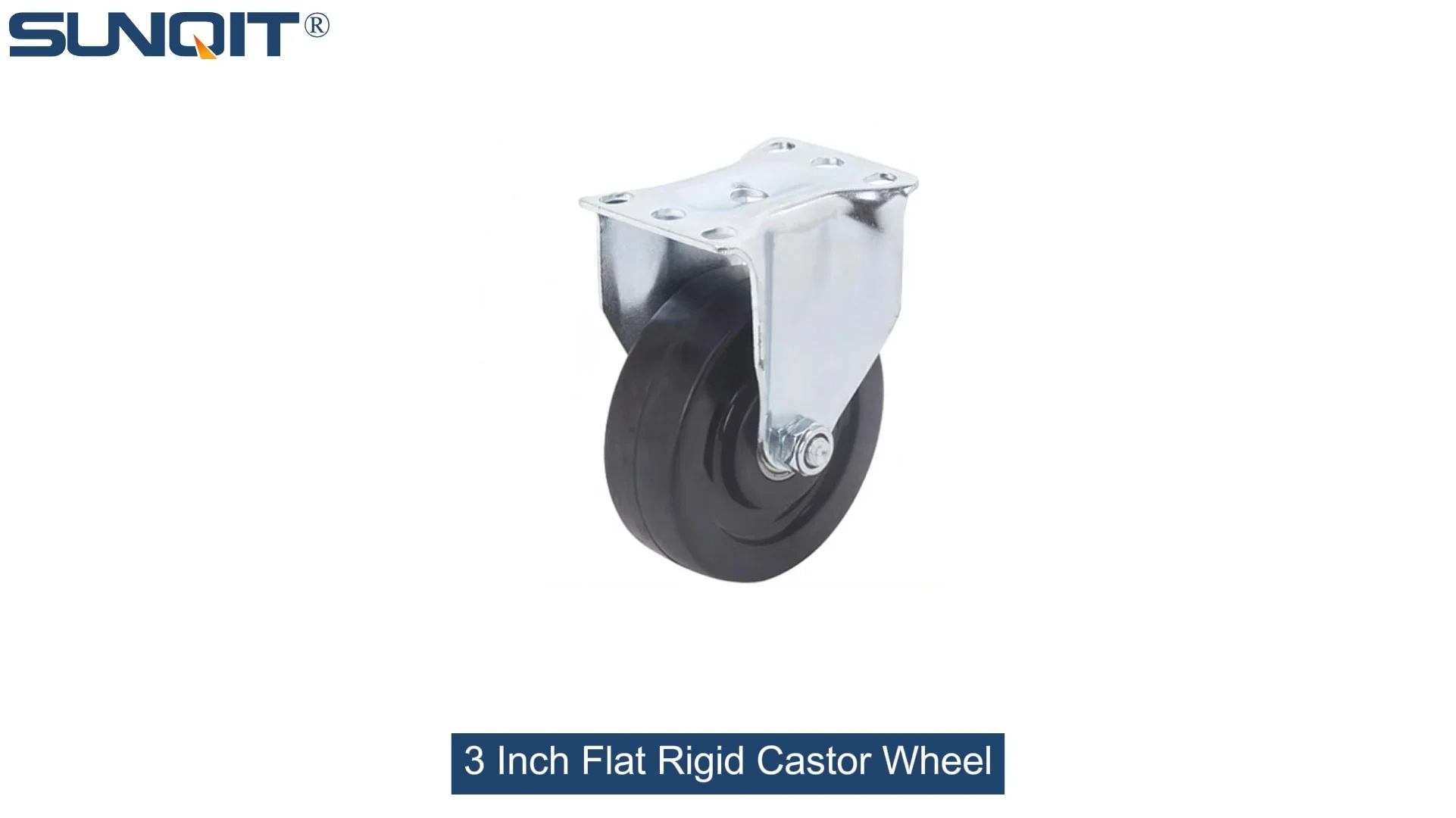
Flat Rigid Castor Wheel
Chair Casters Ball Bearing Wheels Rubber Base. Resistant to abrasion, impact and corrosion. Heavy payload can hold 70Kgs per pcs,which can make it works at a stable and smooth status.
In the fast-paced world of healthcare, where precision and reliability can mean the difference between life and death, even the smallest components play a critical role. Take a moment to think about the last time you visited a hospital or clinic. Behind the scenes, countless pieces of equipment—from medication carts and surgical instrument trolleys to patient beds and mobile workstations—are constantly on the move. What makes this mobility possible? Often, it's a set of but indispensable components: castor wheels. Among these, flat rigid castor wheels stand out for their stability and durability, especially in environments where corrosion resistance isn't just a preference, but a necessity.
Medical facilities are harsh environments for equipment. Daily exposure to cleaning agents, disinfectants, moisture, and even bodily fluids creates a perfect storm for corrosion. A rusted castor wheel isn't just an eyesore; it can jam, squeak, or fail entirely, disrupting workflows, delaying care, and even posing safety risks to patients and staff. That's why choosing the right materials for flat rigid castor wheels in medical settings is a decision that demands careful consideration—one that balances performance, longevity, and compliance with strict industry standards.
In this article, we'll dive into the world of flat rigid castor wheels, exploring why material selection matters in medical environments, the key properties to prioritize for corrosion resistance, and how these components integrate with other critical systems, such as ESD workstations and stainless steel pipe series. Whether you're a procurement manager, a facility engineer, or simply curious about the unsung heroes of healthcare mobility, this guide will shed light on the science and art of choosing the right castor materials for the job.
The Role of Flat Rigid Castor Wheels in Medical Settings
Before we delve into materials, let's first understand why flat rigid castor wheels are so widely used in healthcare. Unlike swivel castors, which allow 360-degree rotation, flat rigid castors are fixed in direction, providing stability and straight-line mobility. This makes them ideal for equipment that needs to move smoothly along predictable paths—think of a medication cart gliding down a corridor or a lab trolley transporting samples between departments.
In medical settings, stability is non-negotiable. A wobbly cart could spill sterile supplies, damage sensitive equipment, or even cause a patient fall if attached to a bed. Flat rigid castors excel here: their fixed orientation minimizes lateral movement, ensuring that heavy loads stay balanced even when moving over uneven floor surfaces (a common issue in older hospitals with worn linoleum or tile). Additionally, their flat design distributes weight evenly, reducing stress on both the wheel and the floor—a crucial factor in facilities where floor maintenance costs are a constant concern.
But mobility isn't the only requirement. Medical equipment must also withstand frequent cleaning and disinfection. From alcohol-based wipes to industrial-grade cleaners, these chemicals can eat away at inferior materials, leading to cracks, degradation, or corrosion. A castor wheel that fails under these conditions isn't just a maintenance headache; it can become a breeding ground for bacteria, compromising infection control protocols. For example, a rusted wheel joint might trap moisture and grime, creating a microenvironment where pathogens thrive—exactly what healthcare facilities work tirelessly to avoid.
This is where the "corrosion-resistant" label becomes more than just a marketing term. In medical settings, it's a promise of reliability, safety, and compliance. Now, let's explore what makes a material truly corrosion-resistant in these demanding environments.
Key Material Requirements for Corrosion Resistance
Corrosion is the gradual degradation of a material due to chemical reactions with its environment. In healthcare, the primary culprits are moisture, oxygen, and the aforementioned cleaning chemicals. To resist corrosion, a material must either be inherently unreactive or protected by a barrier that prevents these reactions from occurring.
When evaluating materials for flat rigid castor wheels, three key properties stand out:
1. Chemical Resistance
Medical-grade cleaners often contain strong oxidizing agents, acids, or alkalis. For example, quaternary ammonium compounds (QACs), hydrogen peroxide, and bleach are commonly used to kill bacteria and viruses. A corrosion-resistant material must be inert to these substances—meaning it won't dissolve, crack, or weaken when exposed. For instance, a wheel made from a low-quality plastic might swell or become brittle after repeated exposure to alcohol, while a well-chosen metal alloy would remain unaffected.
2. Moisture Resistance
Hospitals are humid environments. From operating rooms with high humidity levels (to prevent static electricity and keep surgical teams comfortable) to emergency departments where spills are common, moisture is everywhere. A material that absorbs water or allows it to penetrate—like untreated steel—will quickly rust. Even materials that don't rust, such as some plastics, can degrade if moisture seeps into cracks or joints, leading to mold growth or structural failure.
3. Mechanical Strength
Corrosion resistance means nothing if the material can't support the weight of the equipment it's attached to. Medical carts and trolleys often carry heavy loads: think of a mobile X-ray machine (weighing upwards of 500 pounds) or a medication cart stocked with hundreds of vials and syringes. A castor wheel must withstand both static loads (when the equipment is stationary) and dynamic loads (when moving, which can create additional stress from bumps or sudden stops). A material that's strong but not corrosion-resistant will fail prematurely; one that's corrosion-resistant but weak will buckle under pressure. The ideal material strikes a balance between both.
With these requirements in mind, let's examine the most common materials used for flat rigid castor wheels in medical settings, and how they stack up.

Common Materials for Flat Rigid Castor Wheels: A Comparative Analysis
When it comes to castor wheel materials, the options are diverse, each with its own strengths and weaknesses. Below, we'll compare three of the most popular choices for medical applications: stainless steel, aluminum, and high-performance plastics. To make this comparison easier, we've included a table summarizing their key properties.
| Material | Corrosion Resistance | Chemical Resistance | Weight Capacity | Cost | Best For |
|---|---|---|---|---|---|
| Stainless Steel (304 or 316 Grade) | Excellent (resists rust, even in moist environments) | High (withstands most disinfectants, including bleach) | Very High (up to 1,000 lbs per wheel) | High | Heavy equipment, surgical suites, ESD workstations |
| Anodized Aluminum | Good (anodized layer prevents corrosion; vulnerable if scratched) | Moderate (resists mild cleaners; may react with strong acids) | Medium (up to 500 lbs per wheel) | Medium | Light to medium carts, lab equipment, aluminum profile frames |
| Polyurethane (PU) with Steel Core | Moderate (core may corrode if PU layer is damaged) | High (PU resists chemicals; core protected by coating) | Medium-High (up to 800 lbs per wheel) | Medium-Low | General-purpose carts, patient beds, non-critical areas |
Stainless Steel: The Gold Standard for Corrosion Resistance
Stainless steel is often the first choice for medical castor wheels, and for good reason. Its resistance to corrosion comes from its chromium content, which forms a thin, invisible oxide layer on the surface. This layer self-heals when damaged, preventing rust from taking hold—even in highly moist environments like operating rooms or dialysis centers. For medical applications, 304 and 316-grade stainless steel are the most common: 304 offers excellent general corrosion resistance, while 316 (often called "marine-grade") includes molybdenum, making it even more resistant to saltwater and harsh chemicals (ideal for facilities near coastal areas or those using aggressive disinfectants).
Beyond corrosion resistance, stainless steel is incredibly strong. A single 4-inch flat rigid castor wheel made from 304 stainless steel can support up to 1,000 pounds, making it suitable for heavy equipment like mobile MRI machines or surgical instrument trolleys. Its durability also means less frequent replacement, reducing long-term maintenance costs—though the initial price tag is higher than aluminum or plastic alternatives.
Stainless steel castors also pair well with other medical-grade components, such as stainless steel pipe series. For example, a medication cart frame built from stainless steel pipes will have consistent corrosion resistance from top to bottom, ensuring that the entire system—frame, wheels, and all—can withstand the rigors of daily cleaning. This uniformity is a big plus for infection control teams, who can trust that no part of the equipment will harbor bacteria.
Anodized Aluminum: Lightweight and Cost-Effective
Aluminum is prized for its lightweight nature, making it a popular choice for equipment that needs to be moved frequently by staff (e.g., lab carts, mobile workstations). When anodized—an electrochemical process that thickens the natural oxide layer on the surface—aluminum becomes significantly more corrosion-resistant. The anodized layer acts as a barrier, protecting the underlying metal from moisture and mild chemicals.
However, aluminum's corrosion resistance has limits. Unlike stainless steel, its oxide layer doesn't self-heal. If the anodized coating is scratched (e.g., from hitting a doorframe or dragging over a rough surface), the exposed aluminum can corrode, especially if exposed to salt or acidic cleaners. This makes anodized aluminum best suited for low-impact, indoor environments where the risk of physical damage is minimal.
Another advantage of aluminum is its compatibility with aluminum profile systems. Many modern medical workstations and carts are built using aluminum extrusion profiles, which are lightweight, modular, and easy to assemble. Pairing aluminum castor wheels with an aluminum frame creates a cohesive, lightweight system that's easy to maneuver and customize. For example, an ESD workstation used in a pharmacy (where static electricity could damage electronic scales or medication packaging) might feature an aluminum frame with anodized aluminum castors, ensuring both mobility and static control.
Polyurethane (PU) with Steel Core: Balancing Performance and Affordability
Polyurethane (PU) wheels consist of a durable plastic outer layer bonded to a steel or aluminum core. The PU coating provides excellent shock absorption, quiet operation (a big plus in noise-sensitive areas like patient rooms), and good traction on smooth floors. The steel core adds strength, allowing these wheels to support medium to heavy loads (up to 800 pounds per wheel).
When it comes to corrosion resistance, PU wheels are a mixed bag. The outer PU layer is highly chemical-resistant, standing up to most disinfectants without cracking or degrading. However, the steel core is vulnerable if the PU coating is damaged. A deep scratch or cut could expose the steel, leading to rust over time. For this reason, PU wheels are best used in low-risk environments where the chance of coating damage is low—think of a food service cart in a hospital cafeteria or a linen trolley in a laundry room.
PU wheels are also more affordable than stainless steel, making them a popular choice for budget-conscious facilities. While they may not last as long as stainless steel in harsh conditions, their lower upfront cost and quiet operation make them a practical option for non-critical equipment.

Beyond the Wheel: The Role of Caster Accessories in Corrosion Resistance
A castor wheel is only as good as its components. Even the most corrosion-resistant wheel will fail if paired with a cheap, rust-prone axle or bearing. That's where caster accessories come into play. From bearings and axles to brake mechanisms and mounting plates, these small parts are critical to the overall performance and longevity of the castor system.
Let's start with bearings. In medical castors, sealed bearings are a must. Open bearings can trap dirt, moisture, and bacteria, leading to corrosion and jamming. Sealed bearings—whether ball bearings or roller bearings—are protected by a rubber or metal shield that keeps contaminants out while retaining lubrication. For stainless steel castors, bearings made from stainless steel or ceramic are ideal, as they won't corrode even if the seal is compromised. Ceramic bearings, in particular, are non-conductive, making them a great choice for ESD workstations where static control is essential.
Axles are another critical accessory. A corroded axle can seize, causing the wheel to lock up and making the equipment impossible to move. Stainless steel axles are the gold standard here, as they match the corrosion resistance of the wheel itself. For aluminum castors, axles made from anodized aluminum or stainless steel are recommended to avoid galvanic corrosion—a process where two dissimilar metals react in the presence of moisture, accelerating degradation. For example, pairing an aluminum wheel with a steel axle without proper insulation could lead to pitting and rust, even in dry environments.
Brake mechanisms are also worth considering. Many flat rigid castors come with foot brakes that lock the wheel in place, preventing accidental movement. These brakes are often made from metal or plastic, and their corrosion resistance is just as important as the wheel's. A brake that rusts shut could render the equipment immobile, while one that fails to engage could lead to dangerous rollaways. Stainless steel brake components are best for high-moisture areas, while reinforced plastic brakes work well in dry, low-impact settings.
Finally, mounting plates—the brackets that attach the castor to the equipment—must be corrosion-resistant. Most are made from stainless steel or powder-coated steel (powder coating adds a protective layer that resists chipping and corrosion). When selecting mounting plates, it's important to ensure they're compatible with the equipment's frame material. For example, a stainless steel mounting plate paired with a stainless steel pipe series frame will provide uniform corrosion resistance, while mixing materials could lead to galvanic corrosion issues.
In short, caster accessories are the unsung heroes that ensure the wheel performs as intended. Skipping on quality here could undermine even the best material choice for the wheel itself.

Real-World Applications: Case Studies in Medical Facilities
To put all this theory into practice, let's look at two real-world examples of how material selection for flat rigid castor wheels impacted medical facility operations.
Case Study 1: Surgical Suite Equipment at City General Hospital
City General Hospital, a large urban facility, was struggling with frequent castor wheel failures on their surgical instrument trolleys. The trolleys, which carried sterilized tools into operating rooms, were originally fitted with anodized aluminum castors. While lightweight, the wheels began corroding after just six months of use. The culprit? The hospital's switch to a new, high-strength disinfectant containing peracetic acid, which was eating through the anodized layer and causing the aluminum to pit.
After consulting with a castor supplier, the hospital switched to 316-grade stainless steel flat rigid castors. The results were dramatic: after two years of use, the wheels showed no signs of corrosion, even with daily exposure to the harsh disinfectant. The switch also reduced maintenance costs, as the stainless steel wheels required fewer replacements and less frequent lubrication. Perhaps most importantly, the more stable castors reduced the risk of trolley tip-overs, a safety concern that had plagued the surgical team.
Case Study 2: ESD Workstations in a Pharmaceutical Lab
A pharmaceutical lab specializing in vaccine development needed mobile ESD workstations to transport sensitive electronic testing equipment. ESD (electrostatic discharge) workstations are designed to prevent static electricity from damaging electronics, and their components must be both conductive and corrosion-resistant (the lab used alcohol-based cleaners to sanitize surfaces daily).
The initial setup used polyurethane wheels with steel cores, but the steel cores began rusting after a few months, even with the PU coating intact. The lab's engineers realized that tiny cracks in the PU (caused by frequent movement over uneven floors) were allowing moisture to seep in, corroding the steel. They replaced the wheels with 304 stainless steel flat rigid castors, paired with stainless steel mounting plates and ceramic bearings (to maintain ESD conductivity). The new setup not only eliminated corrosion but also improved conductivity, ensuring that static charges were safely grounded—critical for protecting the lab's $50,000 testing equipment.
These case studies highlight a key lesson: material selection isn't just about picking the "best" material; it's about matching the material to the specific environment, chemicals, and usage patterns of the facility.
Future Trends: Innovations in Medical Castor Material Science
As healthcare technology advances, so too do the demands on castor wheel materials. Looking ahead, three trends are shaping the future of corrosion-resistant medical castors:
1. Nanocoated Surfaces
Nanotechnology is opening new doors for corrosion resistance. Manufacturers are experimenting with nanocoatings—ultra-thin layers of materials like titanium dioxide or graphene—that bond to metal surfaces, creating a barrier even more impermeable than traditional coatings. For example, a stainless steel castor wheel treated with a graphene nanocoating could potentially resist even the most aggressive chemicals, while adding minimal weight or cost.
2. Bio-Based Plastics
Sustainability is becoming a priority in healthcare, and castor materials are no exception. Bio-based plastics, made from renewable resources like cornstarch or sugarcane, are being developed as alternatives to petroleum-based PU. While still in the early stages, these materials offer the potential for good chemical resistance and lower environmental impact, though their long-term durability in medical settings is still being tested.
3. Smart Coatings with Self-Healing Properties
Imagine a castor wheel that can repair its own scratches. Self-healing coatings, which contain microcapsules of healing agents that rupture when the surface is damaged, are being explored for medical applications. When a scratch occurs, the capsules release a polymer that fills the gap, restoring the corrosion-resistant barrier. This could extend the lifespan of aluminum or plastic castors, making them more viable for high-stress environments.
Conclusion: Investing in Corrosion Resistance for Better Patient Care
Flat rigid castor wheels may be small, but their impact on medical facility operations is enormous. From ensuring the smooth transport of life-saving equipment to maintaining infection control standards, these components play a vital role in delivering safe, efficient care. By prioritizing corrosion-resistant materials—whether stainless steel for surgical suites, anodized aluminum for lightweight carts, or polyurethane for budget-friendly applications—facilities can reduce downtime, lower maintenance costs, and, most importantly, keep patients and staff safe.
Remember, material selection isn't a one-size-fits-all process. It requires careful consideration of the environment (moisture, chemicals, floor type), the equipment's purpose (weight, mobility needs), and long-term goals (cost, sustainability). And don't forget the accessories: bearings, axles, and mounting plates are just as critical to performance as the wheel itself.
As medical technology continues to evolve, so too will the materials and designs of castor wheels. By staying informed about new innovations and best practices, healthcare facilities can ensure that their mobility systems remain reliable, safe, and corrosion-resistant for years to come. After all, in healthcare, every detail matters—and that includes the wheels beneath the cart.