- Company Articles
- Products and Technology
- Product knowledge
- Material Selection for Two Way Lean Pipe Joint: Aluminum vs Steel Pros and Cons

Material Selection for Two Way Lean Pipe Joint: Aluminum vs Steel Pros and Cons
Related Product
Two Way Lean Pipe Joint
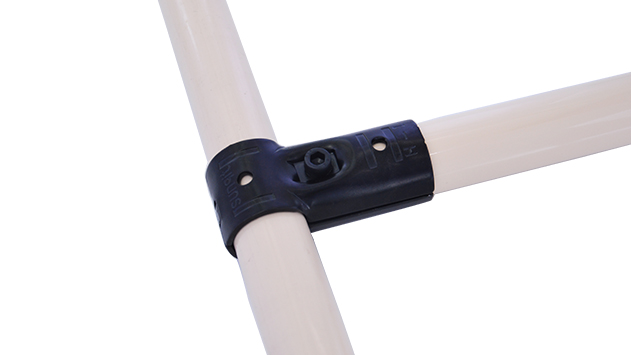
Two way lean pipe joint for 2 pcs 28MM lean pipe connection in straight angle, which used widely in workbench, flow rack, hand trolley frame connection.
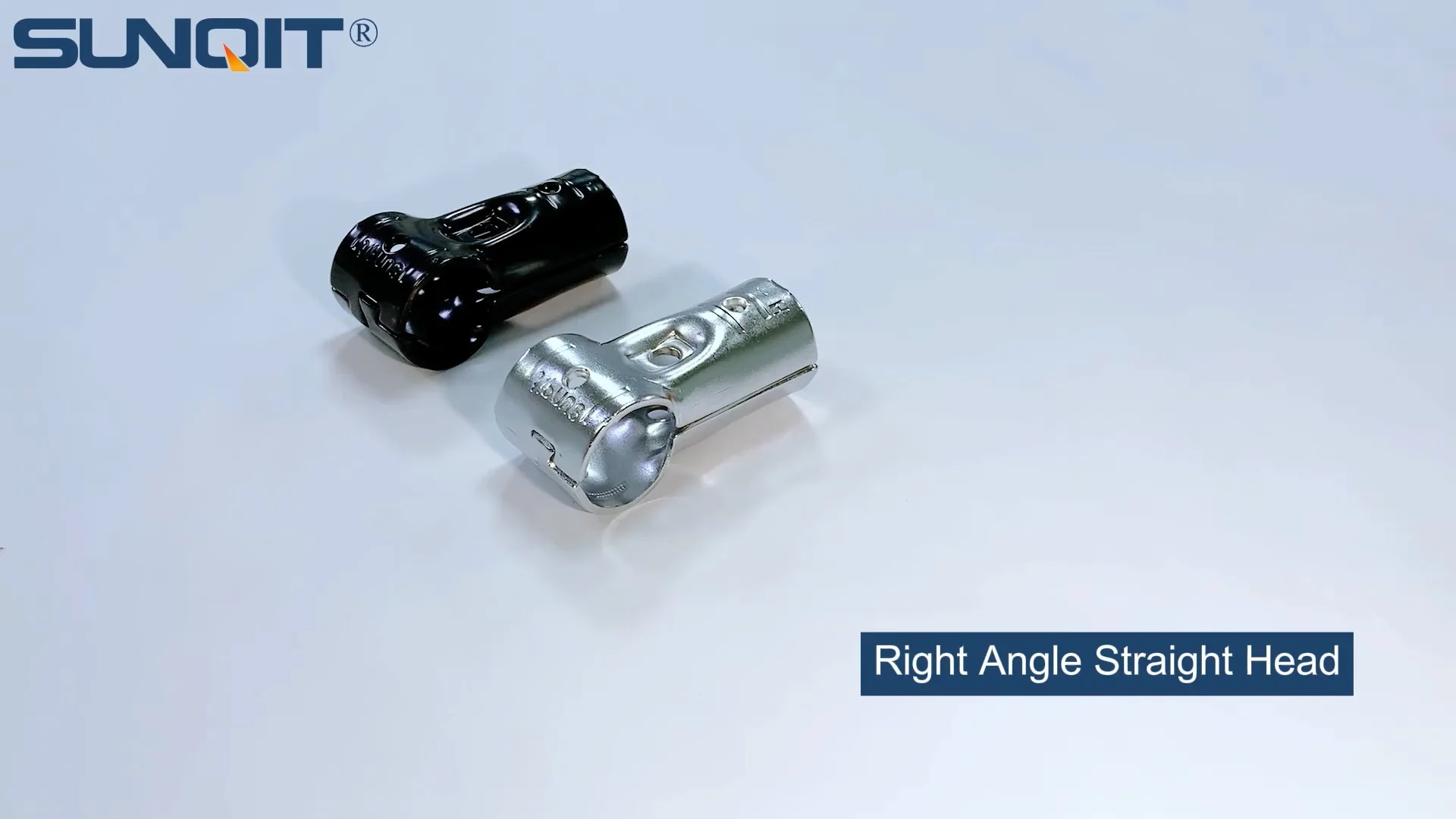
In the fast-paced world of manufacturing and logistics, where efficiency is the backbone of success, lean systems have become more than just a buzzword—they're a way of life. At the heart of these systems lies a network of components working in harmony, and few parts are as critical as the two way lean pipe joint. These unassuming connectors are the glue that holds together workbenches, flow racks, conveyor systems, and material trolleys, enabling the flexibility and adaptability that define lean operations. But here's the thing: not all two way lean pipe joints are created equal. The material they're made from—whether aluminum or steel—can make or break your system's performance, longevity, and even your bottom line. Let's dive into the nitty-gritty of this material dilemma, exploring the pros and cons of aluminum and steel to help you make the best choice for your lean system.
Understanding the Two Way Lean Pipe Joint: A Unsung Hero of Lean Systems
Before we pit aluminum against steel, let's take a moment to appreciate the role of the two way lean pipe joint. In simplest terms, it's a connector designed to join two lean pipes at a specific angle (often 90 degrees, though variations exist), forming the skeleton of structures like workbenches, racks, or trolleys. What makes it indispensable is its ability to balance strength and flexibility. Unlike welded joints, which are fixed and hard to modify, two way lean pipe joints allow for quick assembly, disassembly, and reconfiguration—perfect for environments where production lines shift, product specs change, or space needs evolve.
Whether you're building a lightweight assembly station for small electronics or a heavy-duty material rack for automotive parts, the two way lean pipe joint bears the load, absorbs vibrations, and ensures stability. That's why choosing the right material for these joints isn't just a matter of cost—it's about aligning with your operational needs, environment, and long-term goals. Now, let's meet the two contenders: aluminum and steel.
Aluminum Two Way Lean Pipe Joints: Lightweight, Agile, and Corrosion-Resistant
Aluminum has surged in popularity in lean manufacturing circles, and for good reason. This lightweight metal brings a host of advantages that resonate with modern production demands, especially when paired with aluminum lean pipe and compatible aluminum profile accessories. Let's break down its strengths.
Pros of Aluminum Joints
1. Lightweight and Easy to Handle : Aluminum is about one-third the weight of steel, which translates to easier assembly, disassembly, and reconfiguration. Imagine a team of technicians reconfiguring a workbench layout to accommodate a new product line—with aluminum joints, they can lift and adjust pipes without heavy machinery or extra manpower. This not only saves time but also reduces the risk of workplace injuries from lifting heavy components.
2. Natural Corrosion Resistance : Aluminum forms a thin oxide layer when exposed to air, acting as a built-in shield against rust and corrosion. This makes it ideal for environments with high humidity, frequent cleaning (like food processing plants), or even outdoor use. Unlike steel, which may require additional coatings or treatments to resist moisture, aluminum joints hold up well with minimal maintenance—no peeling paint or rust stains to worry about.
3. Compatibility with Aluminum Profile Systems : Aluminum two way lean pipe joints are designed to work seamlessly with aluminum lean pipe and aluminum profile accessories, creating a cohesive system. Whether you're adding a shelf using aluminum guide rails, attaching a caster wheel for mobility, or integrating a roller track for material flow, the components fit together with precision. This compatibility reduces the need for custom parts and simplifies sourcing, as you can rely on a single supplier for most of your lean system needs.
4. Aesthetic Appeal and Cleanliness : Aluminum has a sleek, modern look that's hard to match. Its smooth, often anodized finish resists smudges and is easy to wipe clean—critical for industries like electronics manufacturing, where dust and contaminants can compromise sensitive components. In cleanrooms or ESD workstations, aluminum's non-porous surface also helps maintain strict hygiene standards.
5. Energy Efficiency in Production and Transport : The lightweight nature of aluminum extends beyond assembly lines. During transportation, aluminum joints reduce fuel consumption compared to steel, lowering your carbon footprint. Additionally, aluminum production (especially when using recycled material) requires less energy than steel, aligning with sustainability goals that many companies now prioritize as part of their lean management practices.
Cons of Aluminum Joints
1. Lower Tensile Strength Than Steel : While aluminum is strong enough for most light to medium-duty applications, it can't match steel's raw tensile strength. In scenarios where joints must support extremely heavy loads—think industrial workbenches holding 500+ kg of equipment or material racks stacked with dense parts—aluminum may bend or deform over time. This limits its use in high-stress environments.
2. Higher Initial Cost : Aluminum is generally more expensive per unit than steel, especially for high-grade alloys. For budget-conscious operations, this upfront cost can be a deterrent, even if aluminum offers long-term savings in maintenance and labor. However, it's worth noting that the price gap has narrowed in recent years as aluminum production has scaled up.
3. Less Impact Resistance : Aluminum is more prone to denting or scratching upon impact compared to steel. In busy warehouses where trolleys might bump into racks or tools could drop on joints, aluminum may show wear and tear faster. While this doesn't always affect structural integrity, it can reduce the joint's lifespan in rough environments.
Steel Two Way Lean Pipe Joints: Strength, Durability, and Cost-Effectiveness
Steel has been a workhorse in manufacturing for decades, and for good reason. When it comes to raw strength and durability, steel two way lean pipe joints—often part of a stainless steel pipe series—are hard to beat. Let's explore why steel remains a staple in many industrial settings.
Pros of Steel Joints
1. Superior Strength and Load Capacity : Steel's high tensile strength makes it the go-to choice for heavy-duty applications. A steel two way lean pipe joint can easily support hundreds of kilograms, making it ideal for automotive assembly lines (where engines or transmissions are placed on workbenches), construction material storage, or warehouses with palletized goods. If your operation involves heavy loads or constant stress, steel joints provide the peace of mind that comes with knowing your structure won't buckle.
2. Lower Initial Cost : Steel is typically cheaper than aluminum, especially for carbon steel variants. This makes it attractive for businesses working with tight budgets or large-scale projects where the cost of materials adds up quickly. For example, a warehouse installing dozens of flow racks might opt for steel joints to keep upfront expenses low.
3. High Impact Resistance : Steel is tough—it can withstand bumps, drops, and rough handling without denting or deforming. In busy industrial environments, where accidents happen (a forklift grazing a rack, a heavy tool falling on a joint), steel joints are more likely to survive unscathed, reducing replacement costs over time.
4. Versatility with Stainless Steel Pipe Series : For environments where corrosion resistance is critical but aluminum's strength isn't enough, stainless steel two way lean pipe joints (part of a stainless steel pipe series) offer a middle ground. Stainless steel combines steel's strength with chromium's corrosion resistance, making it suitable for marine environments, chemical plants, or food processing facilities where both load capacity and hygiene matter.
Cons of Steel Joints
1. Heavy and Labor-Intensive : Steel's weight is a double-edged sword. While it provides strength, it also makes assembly and reconfiguration harder. Installing steel joints often requires more people or equipment like hoists, which can slow down setup times. In dynamic environments where layouts change frequently, this rigidity can become a bottleneck.
2. Prone to Corrosion (Unless Stainless) : Carbon steel, the most common type, is susceptible to rust when exposed to moisture, humidity, or chemicals. To combat this, joints may need painting, galvanizing, or powder-coating—additions that increase both cost and maintenance. Even with treatments, scratches or chips can expose the metal to corrosion, requiring regular inspections and touch-ups.
3. Limited Compatibility with Lightweight Systems : Steel joints are often overkill for lightweight applications. Pairing them with thin-walled pipes or aluminum components can create imbalances—for example, a steel joint might be too heavy for a lightweight aluminum trolley, causing instability. This limits flexibility if you're mixing materials in your lean system.

Aluminum vs. Steel: A Head-to-Head Comparison
To make the choice clearer, let's compare aluminum and steel two way lean pipe joints across key factors that matter most in lean operations:
| Factor | Aluminum Two Way Joints | Steel Two Way Joints |
|---|---|---|
| Weight | Light (1/3 the weight of steel) | Heavy (3x aluminum) |
| Corrosion Resistance | Excellent (natural oxide layer) | Poor (carbon steel); good (stainless steel) |
| Load Capacity | Medium (suitable for light to moderate loads) | High (ideal for heavy loads) |
| Initial Cost | Higher | Lower (carbon steel); higher (stainless steel) |
| Maintenance Cost | Low (no rust treatment needed) | High (painting/coating for carbon steel) |
| Assembly/Reconfiguration | Easy (lightweight, tool-free with aluminum profile accessories) | Hard (requires tools/equipment for heavy lifting) |
| Environmental Impact | Highly recyclable, low transport emissions | Recyclable but heavier (higher transport emissions) |
| Best For | Clean rooms, electronics, food processing, lightweight mobile systems | Automotive, heavy manufacturing, warehouses, stainless steel for corrosive environments |

Real-World Applications: When to Choose Aluminum or Steel
Theory is helpful, but nothing beats real-world examples. Let's look at two scenarios where the choice between aluminum and steel joints made a tangible difference.
Scenario 1: Electronics Assembly Plant
A manufacturer of smartphones needed to build flexible workstations for assembling delicate components. The lines frequently reconfigured to accommodate new models, and the environment required strict ESD (electrostatic discharge) controls. They chose aluminum two way lean pipe joints paired with aluminum lean pipe and ESD-compatible accessories. The lightweight joints allowed technicians to adjust layouts in hours, not days, and the corrosion-resistant aluminum held up to daily cleaning with alcohol-based solutions. The result? A 30% reduction in changeover time and fewer product defects due to stable, clean work surfaces.
Scenario 2: Automotive Parts Warehouse
A warehouse storing heavy engine blocks and transmissions needed durable racks that could withstand constant forklift traffic and loads up to 1,000 kg per shelf. They opted for carbon steel two way lean pipe joints with a powder-coated finish. The steel joints provided the strength to support the weight, and the coating protected against minor scrapes from forklifts. While assembly took longer (requiring two-person teams and a pallet jack), the lower initial cost and long-term durability made steel the practical choice. Over five years, the racks required only occasional touch-ups to the coating, proving their reliability.
Maintenance and Longevity: Which Material Lasts Longer?
Longevity isn't just about strength—it's about how well a material holds up over time with routine care. Aluminum joints, thanks to their corrosion resistance, often have a longer lifespan in humid or wet environments. With minimal maintenance (occasional wiping to remove dust or grime), they can last 10–15 years or more. Steel joints, on the other hand, depend on the type: carbon steel with proper coating might last 8–10 years, but without maintenance, rust can cut that lifespan in half. Stainless steel joints, while pricier, can match or exceed aluminum's longevity in harsh environments, making them a premium but durable option.
When calculating total cost of ownership, aluminum's higher upfront price may be offset by lower maintenance and longer lifespan. For example, a food processing plant using aluminum joints might save $5,000 over 10 years in repainting and replacement costs compared to a similar steel setup. Conversely, a low-moisture warehouse with infrequent layout changes might find steel's lower initial cost more economical, even with occasional maintenance.
Sustainability: A Lean Principle Beyond Efficiency
Lean systems are about more than reducing waste in production—they're about sustainability, too. Aluminum aligns well with this ethos: it's 100% recyclable, and recycling it uses just 5% of the energy needed to produce new aluminum. This means that at the end of their lifespan, aluminum joints can be melted down and turned into new components, minimizing landfill waste. Steel is also recyclable, but its heavier weight means transporting scrap steel requires more energy than aluminum, slightly reducing its green credentials.
Additionally, aluminum's lightweight nature reduces the carbon footprint of shipping. A truckload of aluminum joints carries three times as many units as steel, cutting emissions per joint. For companies aiming to meet sustainability targets, these factors can tip the scales toward aluminum.
Conclusion: Choosing the Right Joint for Your Lean System
At the end of the day, there's no "best" material—only the best material for your needs. Aluminum two way lean pipe joints shine in lightweight, dynamic, or corrosive environments, offering agility and low maintenance. Steel (especially stainless steel pipe series) excels in heavy-duty, high-stress settings where strength and cost-effectiveness matter most. To decide, ask yourself:
- What's the maximum load my structure will bear?
- How often will I need to reconfigure the layout?
- Is my environment humid, corrosive, or prone to frequent cleaning?
- What's my budget—both upfront and for long-term maintenance?
- Do I prioritize sustainability or raw strength?
If you're still unsure, consider consulting a lean pipe supplier with experience in both materials. They can assess your facility, review your workflow, and recommend the best fit—whether that's aluminum for flexibility, steel for strength, or a hybrid system that combines the best of both. After all, the goal of lean manufacturing is to optimize every component, and that starts with choosing the right two way lean pipe joint for the job.