- Company Articles
- Products and Technology
- Procurement Guidelines
- Material Selection Guide: Flat Rigid Castor Wheels for High-Traffic Automotive Plants

Material Selection Guide: Flat Rigid Castor Wheels for High-Traffic Automotive Plants
Related Product
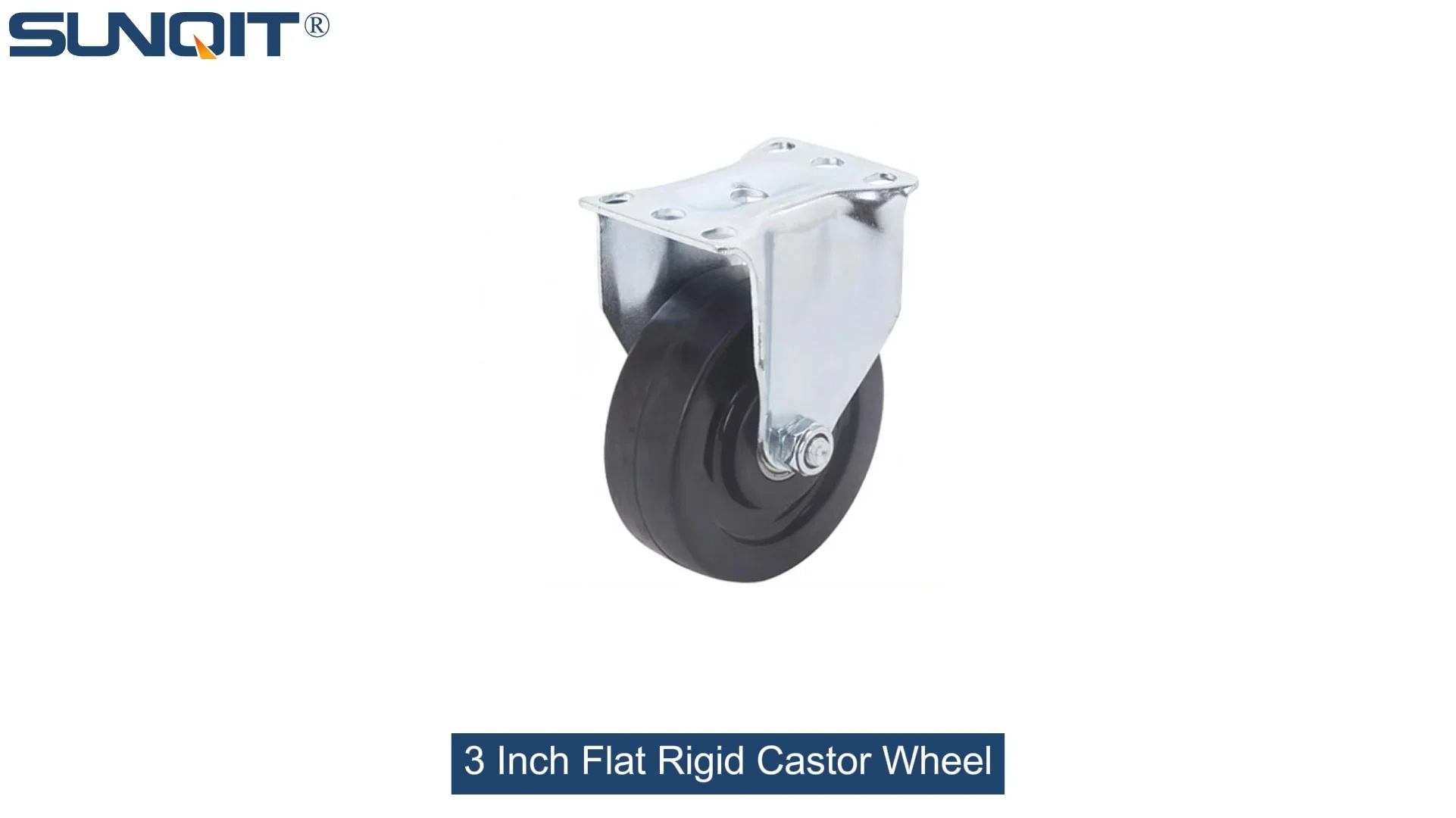
Flat Rigid Castor Wheel
Chair Casters Ball Bearing Wheels Rubber Base. Resistant to abrasion, impact and corrosion. Heavy payload can hold 70Kgs per pcs,which can make it works at a stable and smooth status.
Walk through any high-traffic automotive plant, and you'll quickly notice the unsung heroes keeping operations moving: the wheels beneath workbenches, the casters on turnover trolleys, and the rollers guiding parts along assembly lines. In a space where every second counts and downtime costs thousands, even the smallest component can make or break efficiency. Today, we're zeroing in on one such component that's often overlooked but critical to smooth material flow: flat rigid castor wheels. These fixed, non-swivel wheels are the backbone of stable, straight-line movement for heavy-duty equipment—think loaded workbenches, stacked material racks, and turnover trolleys shuttling engine parts across the factory floor. But not all flat rigid castor wheels are created equal. In automotive environments, where floors are polished, loads are massive, and traffic is constant, choosing the right material for these wheels isn't just a purchase decision—it's a strategic move to protect floors, reduce noise, and keep your lean system running like a well-oiled machine. Let's dive into how to select the perfect flat rigid castor wheels for your plant's unique needs.
What Are Flat Rigid Castor Wheels, and Why Do They Matter in Automotive Plants?
First, let's clarify: flat rigid castor wheels are exactly what they sound like—wheels mounted on a fixed (non-swivel) bracket, designed to roll in a straight line. Unlike swivel casters, which pivot 360 degrees for maneuverability, rigid casters prioritize stability. This makes them ideal for equipment that doesn't need to change direction frequently but carries heavy loads: think a workbench loaded with torque wrenches and diagnostic tools, or a turnover trolley stacked with 50-pound brake calipers. In automotive plants, where assembly lines demand precision and predictability, rigid casters ensure that equipment stays on track—literally. A misaligned trolley can throw off a entire production sequence, while a wobbly workbench risks damaging sensitive parts or injuring workers.
But their importance goes beyond stability. In high-traffic zones—where dozens of trolleys pass the same spot hourly, and floors take a beating—flat rigid castor wheels act as a buffer between heavy equipment and your facility's infrastructure. The wrong wheel material can scratch epoxy floors, leave skid marks, or even create uneven wear that leads to tripping hazards. On the flip side, the right material minimizes noise (critical for worker comfort), resists oil and chemical spills (common in automotive settings), and lasts longer under constant use. For plant managers focused on lean system principles—eliminating waste, optimizing flow, and reducing downtime—investing in quality flat rigid castor wheels isn't an expense; it's a way to prevent costly disruptions down the line.
Real-World Impact:
At a mid-sized automotive parts plant in Michigan, a switch to polyurethane flat rigid castor wheels on their turnover trolleys cut floor repair costs by 40% in six months. Workers also reported less strain pushing loaded trolleys, and noise levels near assembly lines dropped by 15 decibels—small changes that added up to a 5% boost in daily production output.
Key Criteria for Selecting Flat Rigid Castor Wheel Materials
Choosing flat rigid castor wheels isn't about picking the cheapest option or the first one you see in a catalog. It's about matching the wheel material to your plant's specific conditions. Here are the critical factors to consider:
1. Load Capacity: How Much Weight Will They Carry?
Automotive plants deal with heavy loads—from 200-pound engine blocks to 500-pound pallets of sheet metal. Your flat rigid castor wheels must be rated to handle not just the average load, but the maximum possible load. Overloading a wheel leads to premature failure: cracked hubs, bent axles, or shredded treads. Always check the manufacturer's load rating (usually listed per wheel or per set) and factor in a 20% safety margin. For example, if your turnover trolley carries 800 pounds, use wheels rated for at least 1,000 pounds total (250 pounds per wheel for a four-wheel trolley).
2. Floor Compatibility: Protecting Your Plant's Foundation
Most automotive plants have polished concrete or epoxy-coated floors—sleek, easy to clean, but prone to damage. Steel wheels, while strong, can scratch or gouge these surfaces, especially under heavy loads. Rubber or polyurethane wheels, on the other hand, have softer treads that grip without scraping. If your plant uses unfinished concrete (common in warehouse areas), durability may matter more than floor protection, making nylon or steel a better fit. Ask: What's under your wheels? And how much are floor repairs costing you annually?
3. Durability: Resisting Wear, Chemicals, and Heat
Automotive environments are tough on equipment. Oil, grease, transmission fluid, and cleaning solvents are everywhere, and temperatures can spike near welding stations or paint booths. A wheel that dissolves in oil or warps in heat is useless. Look for materials resistant to hydrocarbons (like polyurethane) or metal alloys (like stainless steel) that stand up to corrosion. Also, consider abrasion resistance: wheels that roll over grit, metal shavings, or debris need tough treads to avoid premature wear.
4. Noise Reduction: Keeping the Workplace Bearable
The constant hum of machinery is already a staple in automotive plants—you don't need clanging wheels adding to the chaos. Hard materials like steel or nylon can create (ear-piercing) noise when rolling over hard floors, leading to worker fatigue and even hearing damage over time. Softer materials like rubber or polyurethane absorb impact, reducing noise by 30-50% compared to metal wheels. In areas where workers are stationed for hours (like assembly lines), quieter wheels aren't a luxury—they're a safety and retention tool.
5. Cost vs. Lifespan: The Total Cost of Ownership
It's tempting to opt for budget-friendly plastic wheels, but in high-traffic settings, they'll wear out in months, requiring frequent replacements. A more expensive but durable material (like heavy-duty polyurethane) might cost twice as much upfront but last five times longer—saving money in the long run. Calculate the total cost of ownership: (Initial cost + replacement frequency + downtime costs) vs. (premium cost + longer lifespan + fewer disruptions). In most cases, investing in quality pays off.

Comparing Common Flat Rigid Castor Wheel Materials
Now that we know what to look for, let's break down the most popular materials for flat rigid castor wheels, their pros and cons, and where they shine in automotive plants.
| Material | Load Capacity (Per Wheel) | Floor Protection | Noise Level | Chemical/Oil Resistance | Best For |
|---|---|---|---|---|---|
| Rubber | Up to 300 lbs | Excellent (soft tread) | Low (quiet rolling) | Fair (swells in oil) | Light loads, epoxy floors, noise-sensitive areas |
| Polyurethane | Up to 1,200 lbs | Very Good (urethane coating on metal core) | Low-Medium (absorbs impact) | Excellent (resists oil, grease, solvents) | Heavy loads, high-traffic zones, chemical exposure |
| Nylon | Up to 2,000 lbs | Poor (hard, can scratch) | High (loud on hard floors) | Excellent (chemically inert) | Extreme heavy loads, unfinished concrete, outdoor use |
| Steel | Up to 5,000 lbs+ | Poor (abrasive, damages soft floors) | Very High (loud, clanging) | Excellent (rust-resistant with coating) | Mining/construction vehicles, rare in automotive plants |
| Cast Iron | Up to 3,000 lbs | Poor (heavy, scratches easily) | High (similar to steel) | Good (resists rust with paint) | Outdoor storage racks, low-traffic indoor areas |
1. Rubber: The Gentle Giant for Light Loads
Rubber wheels are the "nice guys" of the castor world—they're soft, quiet, and gentle on floors. Made from natural or synthetic rubber, they're ideal for light to medium loads (think a workbench with hand tools or a small parts trolley). Their tread grips well on smooth surfaces like epoxy, reducing slippage, and they absorb vibrations, which is great for delicate parts. However, rubber has a Achilles' heel: oil and chemicals. Exposed to transmission fluid or degreasers, rubber can swell, crack, or lose elasticity over time. They also have lower load capacities—most max out around 300 pounds per wheel—so they're not suited for heavy engine parts or stacked pallets.
2. Polyurethane: The Workhorse of Automotive Plants
If there's a "gold standard" for flat rigid castor wheels in automotive settings, it's polyurethane. These wheels combine a tough metal core (usually aluminum or steel) with a thick polyurethane tread, balancing strength and floor protection. Polyurethane can handle heavy loads (up to 1,200 pounds per wheel) without sacrificing maneuverability, and it's highly resistant to oil, grease, and most industrial solvents—perfect for areas near assembly lines or maintenance bays. Unlike rubber, it won't swell or degrade when exposed to chemicals, and its tread is durable enough to withstand constant rolling over grit or metal shavings. Noise-wise, it's quieter than nylon or steel but slightly louder than rubber—still, a small price to pay for its versatility. For most automotive plants, polyurethane is the sweet spot between performance and cost.
3. Nylon: The Heavyweight Champion
When you need to move truly massive loads—like a turnover trolley stacked with engine blocks or a material rack holding sheet metal—nylon is the go-to. These wheels are injection-molded from tough, rigid nylon, with load capacities up to 2,000 pounds per wheel. They're chemically inert, so oil, coolant, and cleaning agents don't faze them, and they're resistant to high temperatures (up to 250°F), making them suitable for use near ovens or welding stations. But there's a catch: nylon is hard. Really hard. On polished concrete or epoxy floors, it can leave scratches or skid marks, and it's noisy—think the sound of a shopping cart wheel on a tile floor, multiplied by 10. For this reason, nylon is best reserved for unfinished concrete floors, outdoor yards, or areas where load capacity trumps floor protection and noise.
4. Steel: The Industrial Classic (But Rarely Needed)
Steel wheels have been around forever, and for good reason—they're indestructible. With load capacities exceeding 5,000 pounds per wheel, they're used in heavy machinery like forklifts or industrial trailers. But in automotive plants, they're overkill for most applications. Steel is abrasive, so it tears up epoxy floors, and it's deafeningly loud on hard surfaces. Unless you're moving equipment that weighs as much as a car (and even then, polyurethane might still work), steel is usually unnecessary. Save it for extreme environments, like outdoor storage yards with rough terrain.

Applications: Where to Use Each Material in Your Plant
Let's map this knowledge to real-world automotive scenarios. Where should you use rubber, polyurethane, nylon, or steel flat rigid castor wheels in your facility?
Assembly Lines & Workbenches: Polyurethane or Rubber
Assembly line workers spend hours at their workbenches, and turnover trolleys constantly roll by with parts. Here, floor protection and noise matter most. For light-duty workbenches (holding tools, not heavy parts), rubber wheels are great—they're quiet and gentle on floors. For heavier workbenches or trolleys carrying subassemblies (like door panels or dashboards), polyurethane is better. It handles the extra weight without scratching floors, and its chemical resistance means spilled coolant won't ruin the wheels.
Material Storage & Heavy Loads: Nylon or Polyurethane
Material racks and high-capacity turnover trolleys need wheels that can handle serious weight. If your storage area has unfinished concrete floors, nylon is ideal for its 2,000-pound capacity. If floors are polished, opt for heavy-duty polyurethane (1,200-pound capacity)—it won't scratch and still handles most heavy loads. Avoid steel here unless you're moving equipment that weighs multiple tons (uncommon in most plants).
Chemical-Exposed Areas: Polyurethane or Nylon
Maintenance bays, paint shops, and parts cleaning stations are swimming in chemicals: degreasers, solvents, paint thinners. Rubber wheels will degrade here, so stick to polyurethane or nylon. Polyurethane is better for general use, while nylon is reserved for extreme loads. Both resist chemical damage, ensuring your wheels last longer.
Outdoor or Rough Terrain: Nylon or Steel
If you have outdoor storage yards or areas with gravel, potholes, or uneven concrete, nylon or steel wheels are your friends. Nylon handles rough surfaces without cracking, while steel is for the heaviest, toughest jobs. Just be prepared for noise and potential floor damage if you roll them indoors.

Common Mistakes to Avoid When Selecting Flat Rigid Castor Wheels
Even with the best intentions, it's easy to make missteps when choosing flat rigid castor wheels. Here are the pitfalls to watch out for:
- Underestimating Loads: Always calculate the maximum possible load, not the average. A trolley that usually carries 500 pounds might occasionally hold 700—if your wheels are rated for 500, they'll fail. Add a 25% safety margin to be safe.
- Ignoring Floor Type: Using nylon wheels on epoxy floors might save money upfront, but the cost of floor repairs will erase those savings. Match the wheel material to your floor finish.
- Sacrificing Quality for Price: Cheap plastic wheels might cost $10 each, but they'll crack after a month of heavy use. Investing in $30 polyurethane wheels that last a year is smarter than replacing $10 wheels every few months.
- Forgetting Caster Accessories: Wheels don't work alone—brackets, axles, and locks matter too. A weak bracket can bend under load, even if the wheel itself is strong. Choose a supplier that offers durable caster accessories, like reinforced brackets or brake kits, to complement your wheels.
- Overlooking Maintenance: Even the best wheels need care. Dirt, metal shavings, or grease buildup can cause wheels to bind or wear unevenly. Train your team to clean wheels weekly and lubricate axles monthly—simple steps that extend lifespan.
Choosing a Supplier: What to Look For
You've narrowed down the material—now, where do you buy your flat rigid castor wheels? Not all suppliers are created equal, especially in the automotive industry. Here's what to look for in a reliable caster supplier:
Experience in Automotive
Suppliers who specialize in automotive or manufacturing understand your unique challenges: heavy loads, chemical exposure, tight deadlines. They'll ask questions like, "What's the floor finish in your assembly area?" or "Do these wheels need to resist transmission fluid?" instead of just selling you a generic product. Look for suppliers with case studies or testimonials from automotive clients—this is a sign they "get" your world.
Customization Options
Maybe you need a wheel with a specific diameter to fit your existing trolley brackets, or a polyurethane tread with extra thickness for durability. A good supplier offers customization—whether it's custom wheel sizes, bracket configurations, or even color-coding for different departments (e.g., red wheels for high-load trolleys, blue for light loads). Avoid suppliers with rigid "one-size-fits-all" catalogs.
Quality Certifications
In automotive, quality is non-negotiable. Look for suppliers whose wheels meet ISO 9001 standards (quality management) or have been tested for load capacity and durability by third-party labs. This ensures you're getting wheels that perform as advertised, not cheap knockoffs that fail under stress.
After-Sales Support
What happens if a wheel fails prematurely? A reputable supplier stands behind their products with warranties (look for at least 1 year) and responsive customer service. They should offer replacement parts (like axles or bearings) and technical support to help you troubleshoot issues. Avoid suppliers who disappear after the sale.
Final Thoughts: Investing in Efficiency, Safety, and Long-Term Savings
Flat rigid castor wheels might not be the most glamorous part of your automotive plant, but they're the foundation of smooth material flow. Choosing the right material—whether polyurethane for versatility, nylon for heavy loads, or rubber for light-duty work—protects your floors, reduces noise, and keeps your lean system running without costly interruptions. Remember: this isn't just about buying wheels; it's about investing in your plant's efficiency, worker safety, and bottom line. By prioritizing quality, matching materials to your environment, and partnering with a supplier who understands automotive needs, you'll ensure that the next time someone walks through your plant, they'll notice how seamlessly everything moves—thanks to the unsung heroes beneath it all.