- Company Articles
- Products and Technology
- Procurement Guidelines
- Material Selection Guide: Picking the Best Roller Track Placon Mount Bracket for Your Industry

Material Selection Guide: Picking the Best Roller Track Placon Mount Bracket for Your Industry
Related Product
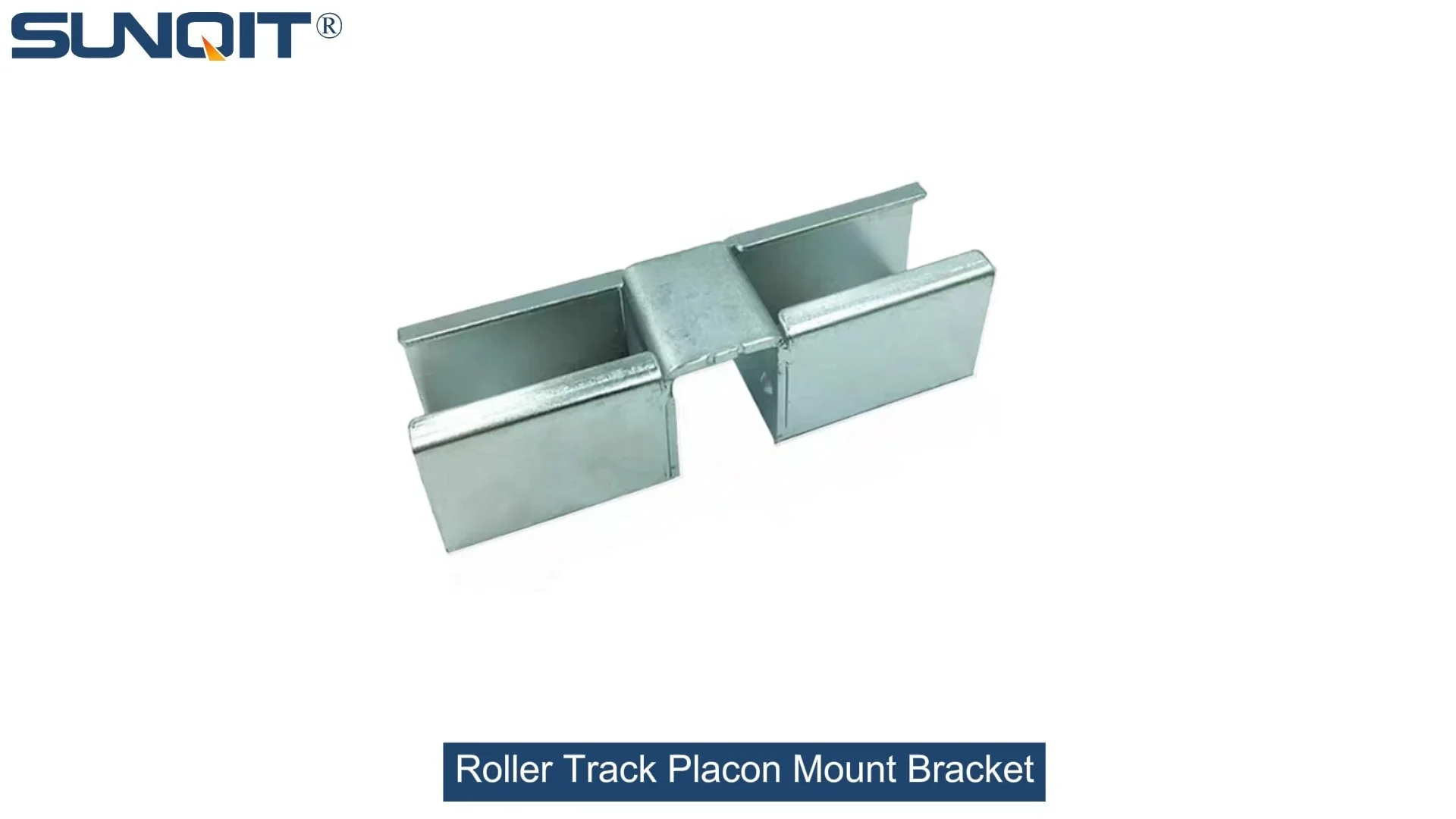
Roller Track Placon Mount Bracket
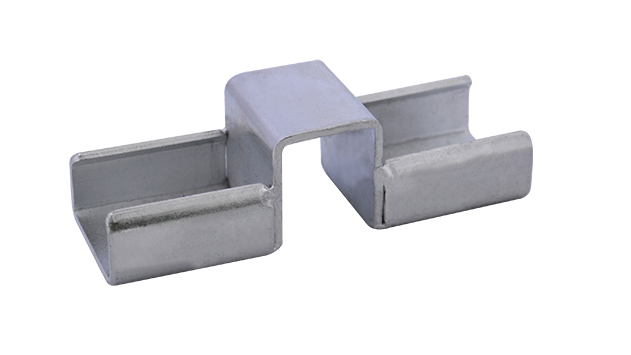
Roller track placon mount work as a connector for roller track and pipe or aluminum profile in rack syetem, it is a necessary parts in rack system which widely used in industrial plant and logistic,warehouse storage.
In the fast-paced world of manufacturing, every component plays a silent yet critical role in keeping operations running smoothly. Among these unsung heroes are roller track placon mount brackets—small but mighty parts that form the backbone of material handling systems. Whether you're moving circuit boards in a 3C assembly line, transporting medical devices in a sterile facility, or managing inventory in a busy warehouse, the right bracket material can mean the difference between seamless workflow and costly disruptions. But with so many options available—aluminum, stainless steel, plastic, and more—how do you choose the one that fits your industry's unique needs? This guide breaks down the key factors, material properties, and real-world applications to help you make an informed decision that aligns with your efficiency goals, safety standards, and long-term lean manufacturing principles.
Understanding Roller Track Placon Mount Brackets: Why Material Matters
Before diving into materials, let's clarify what roller track placon mount brackets actually do. These components serve as the connective tissue between roller tracks and the supporting structures (like workbenches or conveyor frames) in your production line. They secure the track in place, maintain alignment during operation, and bear the weight of materials as they slide or roll through the system. A poorly chosen bracket material can lead to frequent breakdowns, misaligned tracks causing jams, or even safety hazards—all of which chip away at your bottom line and employee morale.
Consider a typical scenario in a consumer electronics factory: thousands of small components need to move from one workstation to the next without delay. If the brackets holding the roller tracks are too flimsy, they might warp under constant use, leading to stuck PCBs and halted assembly. On the flip side, using overly heavy materials in a facility where frequent reconfiguration is needed (a core principle of lean manufacturing) would make adjustments time-consuming and labor-intensive. That's why material selection isn't just about durability—it's about balancing strength, flexibility, and practicality.
Key Materials for Roller Track Placon Mount Brackets: Pros, Cons, and Real-World Use
When it comes to roller track placon mount brackets, four materials stand out in industrial applications: aluminum profile, stainless steel, reinforced plastic, and carbon steel. Each brings its own set of advantages and limitations, making them better suited for specific environments and tasks. Let's take a closer look at each one.
1. Aluminum Profile: The Lean Manufacturing Workhorse
Aluminum profile has become a staple in modern manufacturing facilities, and for good reason. Made from extruded aluminum alloys (often 6061 or 6063), these brackets offer an impressive blend of strength, lightweight design, and versatility. One of the biggest draws is their modularity—much like building blocks, aluminum profile brackets can be easily cut, drilled, and assembled with standard fasteners, allowing for quick reconfigurations as production needs change. This aligns perfectly with the "reusable," (sustainable improvement) ethos of lean systems.
From a performance standpoint, aluminum profile brackets typically have a tensile strength of 200-300 MPa, which is more than enough for most medium-load applications (think: moving small electronic components or medical devices weighing up to 50 kg per linear meter). They also resist corrosion naturally, thanks to a thin oxide layer that forms on the surface—though in highly humid or chemical-heavy environments, anodized finishes can be added for extra protection.
Best for: 3C assembly lines, consumer electronics manufacturing, and facilities prioritizing lean principles. For example, a smartphone assembly plant might use aluminum profile brackets to support roller tracks feeding components to workbenches, as they can be quickly adjusted when switching between product models.
2. Stainless Steel: The Heavy-Duty, Hygiene-Focused Option
When durability and cleanliness are non-negotiable, stainless steel brackets step up to the plate. Available in grades like 304 (general use) and 316 (marine-grade for extreme corrosion resistance), stainless steel offers exceptional strength (tensile strength of 500-700 MPa) and is impervious to rust, making it ideal for harsh environments. Its smooth, non-porous surface also makes it easy to clean and sanitize— a critical feature in industries like medical device manufacturing or food processing, where contamination risks are high.
That said, stainless steel does come with trade-offs. It's significantly heavier than aluminum (about three times the density), which can make installation and reconfiguration more labor-intensive. It's also more expensive, both in material costs and machining (due to its hardness). For these reasons, stainless steel is often reserved for applications where its unique properties are necessary, rather than as a one-size-fits-all solution.
Best for: Medical equipment production, pharmaceutical manufacturing, and heavy-load scenarios (e.g., automotive parts weighing over 100 kg). A medical device plant might use 316 stainless steel brackets for roller tracks transporting surgical tools, ensuring compliance with strict (sanitary standards).
3. Reinforced Plastic: The Cost-Effective, Lightweight Contender
For low-to-medium load applications where cost and weight are primary concerns, reinforced plastic brackets (often glass-fiber reinforced nylon or polypropylene) offer an attractive alternative. These brackets are injection-molded, which allows for complex shapes and quick mass production—great for facilities needing large quantities on a budget. They're also incredibly lightweight (about 1/5 the weight of steel) and resistant to chemicals, making them suitable for environments with exposure to oils or mild solvents.
However, plastic brackets have clear limitations. Their tensile strength tops out around 50-100 MPa, so they're not ideal for heavy loads. They also have lower heat resistance (most start to deform above 80°C) and can degrade over time in direct sunlight or UV exposure. That said, for light-duty tasks like moving empty turnover bins or small plastic components, they're a practical choice.
Best for: Light assembly lines, packaging stations, and temporary workflows. A cosmetics packaging facility, for example, might use plastic brackets to support roller tracks carrying lightweight bottles, keeping costs down without sacrificing basic functionality.
4. Carbon Steel: The Budget-Friendly Heavyweight
Carbon steel brackets are the old reliable of the manufacturing world—strong, affordable, and readily available. With tensile strengths ranging from 300-800 MPa (depending on the alloy), they can handle heavy loads with ease, making them a go-to for industrial conveyor systems in automotive or machinery manufacturing. They're also highly customizable; steel can be welded, bent, and painted to fit specific designs, and galvanized coatings can add moderate corrosion resistance.
The downside? Steel is heavy, prone to rust (unless coated), and lacks the flexibility of aluminum. Once welded, steel brackets are difficult to modify, which clashes with the adaptability required in modern lean environments. For facilities with static, long-term production lines, though, steel remains a cost-effective option.
Best for: Heavy machinery manufacturing, automotive part assembly, and fixed production lines with constant load requirements. A truck engine plant might use galvanized steel brackets to support roller tracks moving engine blocks, leveraging steel's strength for consistent, heavy-duty use.
| Material | Tensile Strength (MPa) | Weight (kg/m) | Corrosion Resistance | Cost (Relative) | Flexibility (Reconfigurability) | Best For |
|---|---|---|---|---|---|---|
| Aluminum Profile | 200-300 | 2.7 | High (Natural Oxide Layer) | Moderate | Excellent | 3C Assembly, Lean Systems |
| Stainless Steel | 500-700 | 7.9 | Very High (304/316 Grades) | High | Low (Hard to Modify) | Medical, Heavy Loads |
| Reinforced Plastic | 50-100 | 1.2-1.5 | Moderate (Chemical Resistance) | Low | Moderate (Injection-Molded Shapes) | Light Assembly, Packaging |
| Carbon Steel | 300-800 | 7.8 | Low (Needs Coating) | Low-Moderate | Low (Welded Structures) | Heavy Machinery, Fixed Lines |
5 Critical Factors to Consider When Choosing Your Material
Selecting the right material for your roller track placon mount brackets isn't just about picking the "strongest" or "cheapest" option. It requires a careful evaluation of your specific needs, environment, and long-term goals. Here are the key factors to weigh:
1. Load Requirements: How Much Weight Will You Be Moving?
The first question to ask is: What's the maximum weight your roller track system will need to support? This includes both the weight of the materials being transported and the track itself. A good rule of thumb is to choose a bracket material with a tensile strength at least 2-3 times your expected maximum load to account for dynamic stress (like sudden starts/stops on conveyors). For example, if you're moving 20 kg circuit boards, aluminum profile (200-300 MPa) is more than sufficient, but for 200 kg engine parts, you'll likely need stainless steel or carbon steel.
2. Environmental Conditions: What Will the Brackets Be Exposed To?
Your facility's environment can make or break a bracket's lifespan. Consider factors like humidity (high moisture = risk of rust), temperature extremes (heat can warp plastic, cold can make steel brittle), chemicals (oils, solvents, or cleaning agents), and hygiene requirements. A medical device cleanroom, for instance, demands stainless steel for its corrosion resistance and easy sanitization, while a dry electronics plant might thrive with aluminum. In coastal areas with salt air, even aluminum might need anodization to prevent pitting.
3. Lean and Flexibility Needs: Will Your Line Change Over Time?
In today's fast-paced manufacturing landscape, the ability to adapt quickly is crucial. If your facility frequently reconfigures production lines (e.g., switching between product models seasonally), aluminum profile's modularity is a huge advantage. Its lightweight design and bolt-together assembly mean you can rearrange brackets and tracks in hours, not days. Steel, on the other hand, is better for static lines that won't need modification—like a dedicated automotive part line running the same product for years.
4. Cost vs. Longevity: Balancing Upfront and Lifecycle Costs
It's easy to fixate on upfront costs, but don't overlook long-term value. Plastic brackets might be cheap to buy, but if they need replacement every 6 months, the total cost could exceed that of a durable aluminum or stainless steel option. Conversely, over-engineering with stainless steel for a light-load, dry environment is a waste of budget. Calculate the lifecycle cost: (material cost + installation cost + maintenance cost + replacement frequency) to get the true picture.
5. Safety Standards: Are There Industry-Specific Regulations?
Finally, never ignore industry regulations. Medical and pharmaceutical facilities often require materials that meet FDA or ISO 13485 standards for cleanliness and biocompatibility. In food processing, stainless steel is often mandated to prevent contamination. Even in general manufacturing, OSHA standards might dictate load limits or corrosion resistance for worker safety. Always check your industry's guidelines before finalizing material choices.

Industry Spotlight: How Top Sectors Choose Their Bracket Materials
Different industries face unique challenges, and their bracket material choices reflect that. Let's dive into three key sectors—3C assembly, medical device manufacturing, and (warehousing and logistics)—to see how these principles play out in real-world scenarios.
3C Assembly: Speed, Precision, and Adaptability
The 3C (computers, communications, consumer electronics) industry is all about rapid innovation and frequent product updates. A smartphone manufacturer, for example, might release 2-3 new models annually, each requiring slight adjustments to production lines. Here, aluminum profile brackets shine. They support roller tracks feeding tiny components (chips, screens, batteries) to workbenches, and when a new model launches, the brackets can be quickly repositioned or extended without welding or heavy machinery. The lightweight design also reduces strain on conveyor systems, cutting energy costs and downtime.
ESD (electrostatic discharge) protection is another key concern in 3C assembly. Aluminum's conductivity can be leveraged to ground static electricity, preventing damage to sensitive electronics—a feature that plastic brackets (insulators) can't match. For ESD workstations, anodized aluminum profile brackets with conductive coatings are often the go-to, ensuring both flexibility and safety.
Medical Device Manufacturing: Cleanliness and Compliance
Medical device production demands materials that can withstand rigorous cleaning and sterilization while maintaining structural integrity. Stainless steel (grade 316, in particular) is the gold standard here. Its non-porous surface doesn't harbor bacteria, and it resists corrosion from harsh disinfectants like hydrogen peroxide or alcohol. Roller track systems in medical facilities often use stainless steel brackets to transport surgical instruments, implants, or diagnostic equipment, ensuring compliance with strict FDA and ISO standards.
Weight is less of a concern in medical settings, where production lines are often smaller and more specialized. The priority is reliability— a bracket failure could delay life-saving device production, so the extra cost of stainless steel is justified by its durability and hygiene benefits.
(Warehousing & Logistics): Heavy Loads and Constant Motion
In warehouses and distribution centers, roller tracks and conveyors handle everything from small packages to pallet-sized loads, 24/7. Here, the focus is on durability and cost-effectiveness. For medium loads (50-100 kg), aluminum profile brackets offer a good balance—light enough to keep conveyor energy usage low, strong enough to handle daily wear and tear. For heavier loads (over 100 kg), galvanized carbon steel brackets are often used, as they provide the necessary strength at a lower cost than stainless steel.
Lean principles also play a role in logistics. Many warehouses use "flow rack" systems, where products slide from the back to the front via gravity. Aluminum profile brackets support these racks, allowing for easy adjustment of track angles to control product flow speed. This adaptability helps warehouses optimize storage space and reduce picking errors, a cornerstone of efficient logistics.

Frequently Asked Questions: Navigating Common Material Dilemmas
Even with the right information, choosing bracket materials can raise questions. Here are answers to some of the most common dilemmas manufacturers face:
Q: I'm torn between aluminum and stainless steel for a humid environment. How do I decide?
A: Start by assessing humidity levels and exposure to water. If your facility experiences occasional moisture (e.g., a warehouse in a rainy climate), anodized aluminum should suffice—it resists rust and costs less than stainless steel. But if the environment is consistently wet (e.g., a food processing plant with daily washdowns) or uses corrosive chemicals, stainless steel (grade 316) is worth the investment. Remember: aluminum's oxide layer can be damaged by prolonged submersion, while stainless steel's chromium-nickel alloy stands up to continuous moisture.
Q: Can I mix materials in one roller track system to save costs?
A: Absolutely! Many facilities use hybrid systems: aluminum profile brackets for light-load, frequently adjusted sections, and steel brackets for heavy-load, static areas. For example, a automotive parts plant might use aluminum brackets on the assembly line (where workers reposition tracks daily) and steel brackets on the loading dock (where pallets weighing 500+ kg are moved). Just ensure the materials are compatible—avoid mixing dissimilar metals (like aluminum and steel) in wet environments, as this can cause galvanic corrosion.
Q: How do I know if plastic brackets are strong enough for my application?
A: Check the manufacturer's load rating (usually listed as "maximum load per bracket" or "linear load capacity") and compare it to your needs. As a general rule, plastic brackets work well for loads under 20 kg per linear meter. If you're unsure, test a small section first—mount plastic brackets with roller track and simulate your typical workflow for a week. If you notice bending, cracking, or track misalignment, it's time to upgrade to aluminum or steel.
Q: Is there a "future-proof" material choice for lean manufacturing?
A: While no material is entirely future-proof, aluminum profile comes close. Its modularity and adaptability make it suitable for evolving production needs, and its sustainability credentials (100% recyclable, low energy to produce) align with growing eco-friendly manufacturing trends. As lean systems continue to prioritize flexibility and waste reduction, aluminum's ability to be reused, reconfigured, and recycled positions it as a long-term investment—even if upfront costs are slightly higher than plastic or steel.
Conclusion: Beyond Materials—The Power of Customized Lean Solutions
Choosing the right roller track placon mount bracket material is about more than checking boxes—it's about aligning your equipment with your operational goals. Whether you're prioritizing speed and adaptability (3C assembly), hygiene and compliance (medical devices), or heavy-duty reliability (automotive manufacturing), the material you select will impact everything from daily efficiency to long-term ROI.
But remember: no single material is perfect for every scenario. The most successful manufacturing facilities leverage customized lean solutions that combine materials, design, and engineering to meet their unique needs. Maybe that means aluminum profile brackets with stainless steel fasteners for a coastal 3C plant, or a mix of steel and plastic for a budget-conscious packaging line. The key is to start with a clear understanding of your load requirements, environment, and flexibility needs, then pair that with expert guidance to design a system that grows with you.
In the end, the best bracket material is the one that keeps your production line moving smoothly, safely, and sustainably—because in manufacturing, every component counts, and the right choice today can set you up for success tomorrow.