- Company Articles
- Products and Technology
- Product knowledge
- Materials for End Support for Roller Track Placon Mount with Wheel: Aluminum vs. Steel

Materials for End Support for Roller Track Placon Mount with Wheel: Aluminum vs. Steel
Related Product
End Support for Roller Track Placon Mount with Wheel
End support for roller track placon mount with wheel,the special design with end wheel,make it with more flexible function for roller track and pipe connection and give more option for selection for building flow rack system.
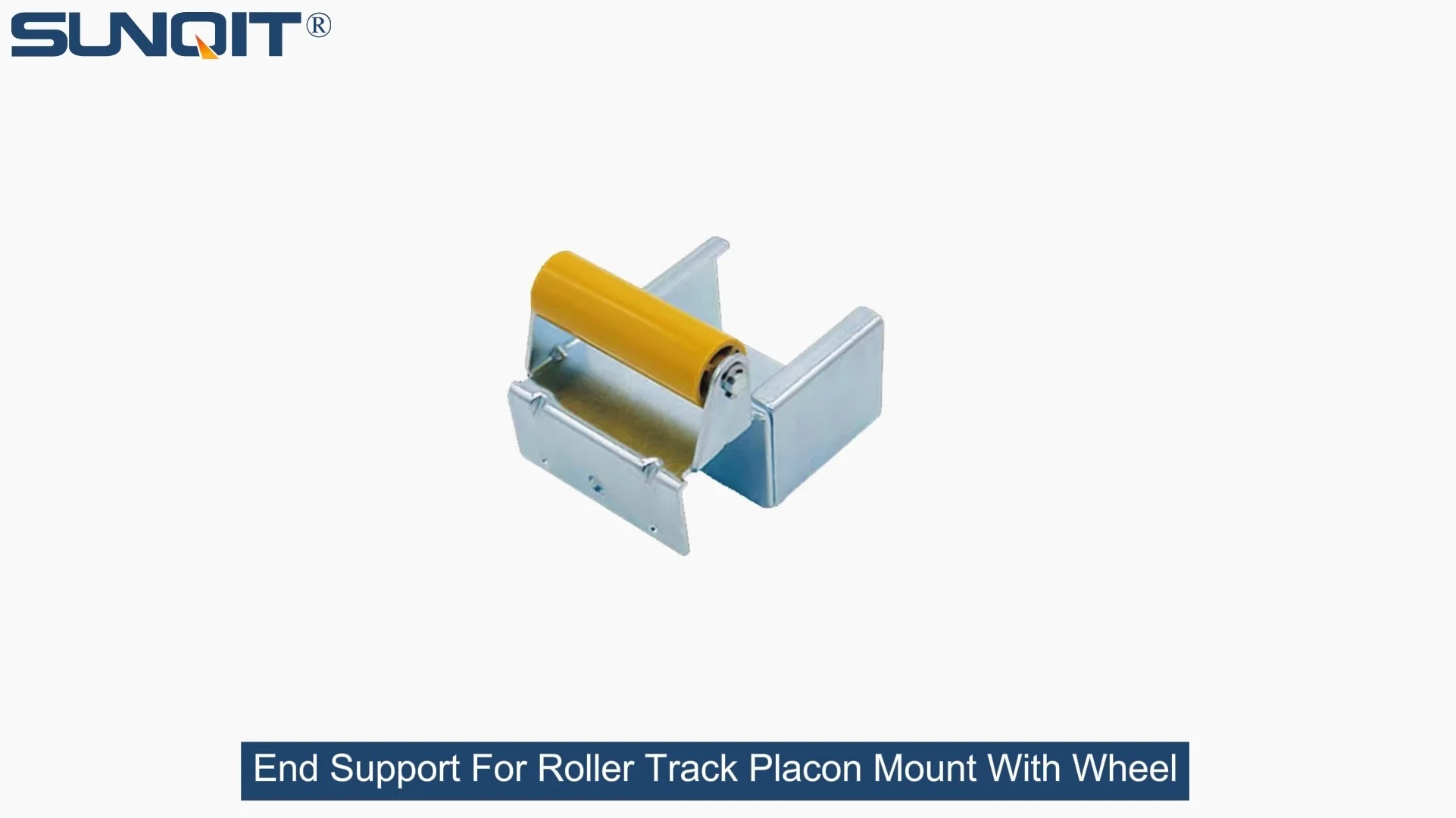
In the fast-paced world of manufacturing and logistics, every component matters. From the largest conveyor systems to the smallest brackets, the choice of materials can make or break efficiency, durability, and ultimately, the bottom line. Today, we're zooming in on a component that's easy to overlook but critical to smooth operations: the end support for roller track placon mount with wheel . Specifically, we'll explore two of the most common materials used for this part—aluminum and steel—and break down which one might be the better fit for your operation. Whether you're setting up a new lean production line, upgrading a warehouse conveyor system, or fine-tuning your material handling processes, understanding the pros and cons of aluminum vs. steel here is key to making an informed decision.
First, Let's Clarify: What Exactly Is an End Support for Roller Track Placon Mount with Wheel?
Before diving into materials, let's make sure we're all on the same page. A roller track placon mount is a system used to support and guide roller tracks—those handy lines of rollers that let products slide smoothly from one workstation to another, common in everything from assembly lines to order fulfillment centers. The end support with wheel is the component that anchors the end of this track, keeping it stable while allowing for slight adjustments or movement (thank the wheel for that!). It's like the foundation of a house: not the flashiest part, but absolutely essential for keeping everything upright and functional.
Now, why does material choice matter here? This end support has to handle constant stress: the weight of products moving over the track, vibrations from nearby machinery, exposure to workshop environments (think dust, moisture, maybe even chemicals), and the test of time. Choose the wrong material, and you could be looking at frequent replacements, wobbly tracks, or even safety hazards. Choose the right one, and you'll have a system that runs quietly, reliably, and aligns with your long-term operational goals—like the lean system principles of efficiency and sustainability.
Aluminum: Lightweight, Versatile, and Lean-Friendly
Aluminum has become a star material in modern manufacturing, and for good reason. Let's start by unpacking its key characteristics and why they matter for end supports:
1. Lightweight Yet Strong Enough for Most Applications
Aluminum's density is about 2.7 g/cm³, roughly a third of steel's 7.8 g/cm³. That means an aluminum end support is significantly lighter, which translates to easier installation, reduced strain on the overall roller track structure, and lower energy costs when integrated into moving systems like conveyors. For facilities where frequent reconfiguration is part of the lean solution (think 3C assembly lines or small-part warehouses), lighter components mean faster adjustments and less labor—no need for heavy lifting equipment or extra hands just to move a support bracket.
But don't let the weight fool you: while pure aluminum isn't as strong as steel, alloys like 6061 (common in industrial aluminum pipe products) offer impressive strength-to-weight ratios. They can handle the typical loads of consumer electronics, medical devices, or small parts—exactly the scenarios where roller tracks are often used in sectors like 3C assembly or pharmaceutical logistics.
2. Corrosion Resistance: A Boon for Clean or Humid Environments
Aluminum naturally forms a thin oxide layer when exposed to air, which acts as a built-in shield against rust and corrosion. Unlike steel, it doesn't need extra coatings (though anodizing can enhance this protection) to hold up in damp warehouses, food processing areas, or medical cleanrooms. This is a huge advantage for industries where hygiene or low maintenance is critical. Imagine a medical device production line: the last thing you need is a rusting end support contaminating sterile workspaces. Aluminum's corrosion resistance means less downtime for cleaning or replacements, keeping your conveyor systems running longer between maintenance checks.
3. Excellent Machinability and Aesthetics
Aluminum is a dream to work with. It cuts, drills, and shapes easily, allowing for precise customization—whether you need a specific hole pattern for mounting or a sleek design to fit into tight spaces. This flexibility aligns perfectly with the "custom solutions" ethos, where one-size-fits-all rarely works. Plus, aluminum has a clean, modern look that's hard to beat. For facilities that prioritize workplace aesthetics (which, let's face it, boosts employee morale), aluminum end supports add a professional touch without sacrificing function.
4. Conductivity and ESD Safety
In electronics manufacturing, static electricity is a silent enemy. Aluminum is a good conductor of electricity, making it ideal for ESD workbench and workstation setups where dissipating static charges is critical. An aluminum end support can integrate seamlessly into ESD-protected environments, helping to prevent damage to sensitive components like circuit boards or semiconductors. Steel can also conduct electricity, but aluminum's lighter weight gives it an edge here when ESD safety and maneuverability are both priorities.
5. Sustainability: Aligning with Lean's "Reuse and Improve" Philosophy
Lean manufacturing isn't just about efficiency—it's about sustainability, too. Aluminum is 100% recyclable, and recycling it uses just 5% of the energy required to produce new aluminum. This makes it a go-to material for companies looking to reduce their carbon footprint and embrace the "reusable, continuously improvable" mindset. When your production line evolves (as lean systems often do), aluminum end supports can be disassembled, repurposed, or recycled, minimizing waste and keeping costs down over time.
Real-World Example: 3C Assembly Line
A major electronics manufacturer in Shenzhen recently upgraded their smartphone assembly line with aluminum end supports for their roller track systems. The switch from steel cut installation time by 40% (thanks to lighter components) and reduced the load on their conveyor motors, lowering energy bills by 15% annually. Plus, when they reconfigured the line to accommodate a new phone model, the aluminum supports were easily repurposed with minimal modifications—perfectly aligning with their lean goal of "zero waste, maximum flexibility."

Steel: The Heavyweight Champion for Strength and Durability
Steel has been the backbone of industrial manufacturing for over a century, and it's not going anywhere. Let's explore why it still holds its own for end supports:
1. Unmatched Strength for Heavy-Duty Applications
When it comes to raw strength, steel is king. With a tensile strength of 400-500 MPa (compared to aluminum's 200-300 MPa for alloys), steel can handle significantly heavier loads without bending or warping. This makes it the top choice for industries like automotive manufacturing, where roller tracks might be moving engine blocks, transmissions, or other bulky components. A steel end support won't just "hold up"—it'll do so reliably for decades, even under constant stress.
2. Cost-Effective for Long-Term Heavy Use
While steel is denser (and thus heavier) than aluminum, it's often cheaper per unit of strength. For high-load applications where durability is non-negotiable, the initial cost of steel end supports can be offset by their longer lifespan and lower maintenance needs. For example, in a warehouse handling pallet-sized loads, a steel end support might last 15-20 years with minimal upkeep, whereas aluminum might need replacement sooner under the same conditions. When you factor in reduced downtime and fewer replacements, steel can be the more budget-friendly option over time.
3. Heat Resistance for Harsh Environments
Steel can withstand higher temperatures than aluminum (melting point of ~1370°C vs. aluminum's ~660°C), making it suitable for environments like foundries, automotive paint shops, or industrial bakeries where heat is a constant factor. An aluminum end support might warp or weaken under extreme heat, but steel remains stable, ensuring the roller track stays aligned and safe.
4. Versatility Through Coatings
Yes, steel is prone to rust, but modern coatings solve this problem. Galvanization (zinc coating), powder coating, or epoxy paints can protect steel end supports from moisture, chemicals, and corrosion—making them viable even in humid or outdoor settings. For example, galvanized steel end supports are common in outdoor logistics yards where exposure to rain and humidity is unavoidable. While coatings add some cost, they extend steel's lifespan dramatically, making it a versatile choice across environments.
Real-World Example: Automotive Parts Warehouse
A leading auto parts distributor in Shanghai relies on steel end supports for their heavy-duty roller tracks, which move engine components weighing up to 500 kg each. Even with daily use, the galvanized steel supports have remained corrosion-free for 10 years, requiring only occasional lubrication of the wheels. The warehouse manager noted, "We considered aluminum, but the weight of our parts meant we needed something that could take a beating. Steel was the obvious choice—no bending, no flexing, just consistent performance."

Aluminum vs. Steel: A Side-by-Side Comparison
To make the choice clearer, let's put aluminum and steel head-to-head across key factors that matter for end supports:
| Factor | Aluminum | Steel |
|---|---|---|
| Density (Weight) | Low (2.7 g/cm³) – easier to handle and install | High (7.8 g/cm³) – heavier, requires more effort to move |
| Strength | Good strength-to-weight ratio; ideal for medium loads (up to ~200 kg) | Superior strength; handles heavy loads (200+ kg) with ease |
| Corrosion Resistance | Excellent (natural oxide layer); no coating needed | Needs coatings (galvanization, paint) to resist rust |
| Cost | Higher upfront cost per unit | Lower upfront cost; better for tight budgets on heavy loads |
| ESD Compatibility | Excellent (conductive, integrates with ESD setups) | Good (conductive, but heavier for ESD workstations) |
| Heat Resistance | Moderate (melts at 660°C); not ideal for high-heat environments | High (melts at 1370°C); suitable for hot industrial settings |
| Sustainability | 100% recyclable; low energy for recycling | Recyclable, but recycling uses more energy than aluminum |
| Customization | Easy to machine, drill, and shape for custom designs | Strong but harder to machine; requires specialized tools |

Choosing the Right Material: It Depends on Your "Why"
There's no one-size-fits-all answer here—your choice between aluminum and steel depends on your specific needs. Here's how to narrow it down:
Start with Load: What's Moving on Your Roller Track?
If you're handling small to medium-sized items (e.g., phone parts, medical tools, cosmetics), aluminum is likely sufficient and will save you on weight and installation time. For heavy loads (e.g., automotive engines, large appliances, metal components), steel's strength is non-negotiable.
Consider Your Environment
Humid, clean, or ESD-sensitive environments? Aluminum's corrosion resistance and conductivity shine here. Dry, high-heat, or outdoor settings? Steel with a protective coating is the safer bet.
Think About Lean Goals: Flexibility vs. Longevity
Do you anticipate reconfiguring your production line often? Aluminum's lightweight and recyclability align with lean's "continuous improvement" model. If your setup is static and built for decades of heavy use, steel's durability will serve you better.
Budget: Short-Term vs. Long-Term Costs
Aluminum has a higher upfront cost but can save money on installation, energy (for conveyors), and waste over time. Steel is cheaper to buy initially but may require more maintenance (coatings) and effort to move or replace.
When to Mix and Match: The Hybrid Approach
Sometimes, the best solution isn't "either/or"—it's "both." For example, a roller track system might use aluminum end supports for lighter sections (e.g., picking zones in a warehouse) and steel supports for heavy-load areas (e.g., loading docks). This hybrid approach lets you balance performance, cost, and efficiency, tailored to your unique workflow. Many lean solution providers specialize in such custom setups, ensuring every component—including end supports—works in harmony.
Final Thoughts: It's About Your Unique Needs
Aluminum and steel both have their strengths, and the "better" material depends on what matters most to your operation. Aluminum excels in lightweight, flexible, clean, or ESD-sensitive environments, aligning with lean's sustainability and adaptability goals. Steel dominates in heavy-load, high-heat, or budget-sensitive scenarios where raw strength is non-negotiable.
At the end of the day, the right choice is one that supports your specific processes, aligns with your long-term lean objectives, and keeps your operations running smoothly—today, tomorrow, and as your business evolves. Whether you opt for aluminum, steel, or a mix, partnering with a supplier that understands both materials and your industry (like those specializing in lean system solutions) can make all the difference. After all, in manufacturing, success isn't just about the parts you choose—it's about how well they work together to create a system that's efficient, reliable, and ready to grow.