- Company Articles
- Products and Technology
- Product knowledge
- Materials for Heavy Duty Split Foot Seats: Why Aluminum Is the Top Choice

Materials for Heavy Duty Split Foot Seats: Why Aluminum Is the Top Choice
Related Product
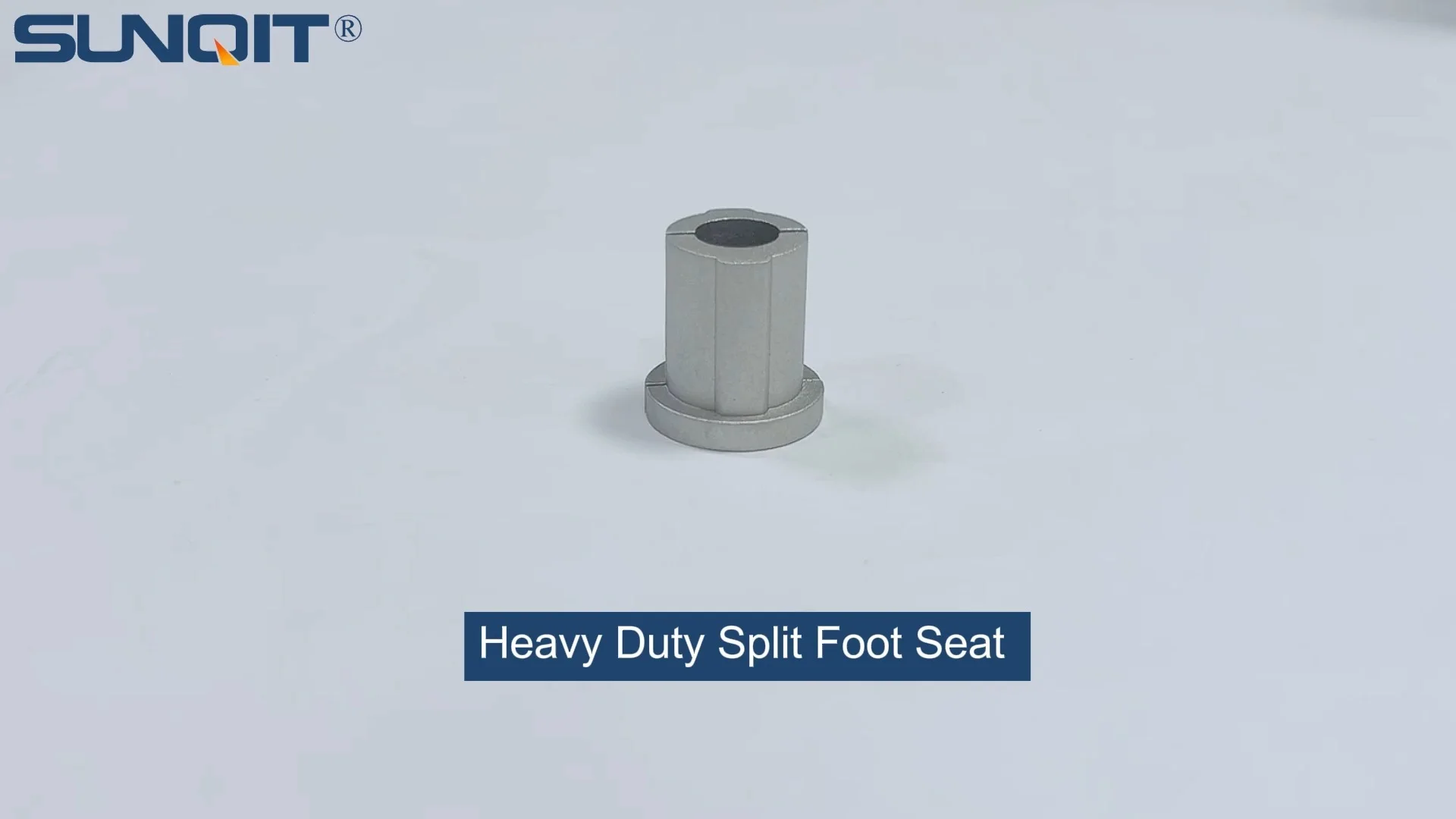
Heavy Duty Split Foot Seat
M10 aluminum heavy duty split foot deat with foot adjuster for workbench and flow rack.
The Unsung Backbone of Industrial Stability: What Are Heavy Duty Split Foot Seats?
In the bustling world of manufacturing, logistics, and industrial workspaces, there are countless components that keep operations running smoothly—conveyors humming, workbenches supporting tools, material racks holding inventory. Yet, among these, one element often goes unnoticed until something goes wrong: the heavy duty split foot seat . These unassuming parts are the silent guardians of stability, anchoring everything from assembly line workstations to heavy-duty material racks. Think of them as the foundation of a building; without a strong, reliable base, even the most well-designed structure can wobble, shift, or worse, collapse under pressure.
Heavy duty split foot seats are designed to distribute weight evenly, absorb vibrations, and provide a secure connection between equipment and the floor. Whether it's a workbench in an automotive plant, a conveyor system in a warehouse, or a material rack in a distribution center, these foot seats play a critical role in ensuring safety, efficiency, and longevity. But here's the thing: not all foot seats are created equal. The material they're made from can make or break their performance, especially when dealing with heavy loads, harsh environments, or the need for long-term durability. So, what materials are commonly used, and why is one rising above the rest as the top choice?
Traditional Materials: The Old Guard and Their Shortcomings
For decades, two materials have dominated the market for heavy duty components like split foot seats: steel and plastic . Let's take a closer look at each, and why they're increasingly falling short in modern industrial settings.
Steel: The "Tough" Choice with Hidden Costs
Steel has long been praised for its raw strength. It's the material of choice for skyscrapers, bridges, and heavy machinery, so it's no surprise that it found its way into split foot seats. On paper, steel checks the box for load capacity—there's no denying it can handle heavy weights. But in practice, its drawbacks become hard to ignore. First, there's the weight. Steel is dense, which means foot seats made from it are heavy and cumbersome to install. Imagine a team of workers trying to maneuver a steel foot seat into place under a 500-pound workbench; the risk of injury increases, and installation time drags on. Then there's corrosion. Unless coated with expensive treatments like galvanization, steel rusts—quickly, in humid or damp environments. A rusted foot seat doesn't just look unprofessional; it weakens over time, compromising the stability of the entire structure. Finally, customization is limited. Steel is rigid, and shaping it into complex designs (like the split, multi-pronged structure needed for optimal weight distribution) requires specialized equipment and significant time, driving up costs.
Plastic: Lightweight but Lacking in Longevity
Plastic emerged as a contender in the late 20th century, marketed as a lightweight, corrosion-resistant alternative to steel. And in some cases, it works—for light-duty applications, like office furniture or small shelving units. But when it comes to "heavy duty" split foot seats, plastic falls flat. Even reinforced plastics struggle with high weight loads; over time, they can warp, crack, or deform under constant pressure. Extreme temperatures only make this worse: plastic softens in heat and becomes brittle in cold, making it unreliable in factories with fluctuating environments. Plus, plastic lacks the structural integrity needed to absorb vibrations—critical in settings with nearby machinery or constant foot traffic. A plastic foot seat might save money upfront, but when it fails after a year or two, the cost of replacement and downtime quickly erases those savings.

Aluminum: The Game-Changer in Heavy Duty Split Foot Seats
Enter aluminum. Over the past decade, this versatile metal has quietly revolutionized industrial component design, and for heavy duty split foot seats, it's quickly becoming the gold standard. But why? What makes aluminum stand out where steel and plastic stumble? Let's break down its key advantages, starting with the properties that make it uniquely suited for the job.
Strength-to-Weight Ratio: Power Without the Bulk
Aluminum's most celebrated trait is its strength-to-weight ratio —it's significantly lighter than steel (about one-third the density) but still boasts impressive tensile strength. For split foot seats, this translates to a material that can handle heavy loads without weighing down the installation process. A typical aluminum split foot seat weighs 40-60% less than a steel equivalent, making it easier to transport, position, and secure. This not only reduces the risk of worker injury but also speeds up setup times. In a manufacturing plant where every minute counts, faster installation means less downtime and more productivity.
But don't let the light weight fool you—aluminum is no pushover. Modern alloys, like those used in aluminum extrusion profiles , are engineered to withstand rigorous conditions. Extrusion, a process where aluminum is forced through a die to create custom cross-sectional shapes, allows manufacturers to design split foot seats with reinforced edges, hollow cores for weight reduction, and split prongs optimized for even weight distribution. The result? A foot seat that's both lightweight and remarkably strong, capable of supporting thousands of pounds without bending or deforming.
Corrosion Resistance: Built to Last in Harsh Environments
Unlike steel, aluminum is naturally corrosion-resistant. When exposed to air, it forms a thin, protective oxide layer that prevents rust and degradation. This is a game-changer for industrial settings where moisture, chemicals, or humidity are common—think food processing plants, coastal warehouses, or automotive facilities with frequent cleaning. Even without additional coatings, aluminum split foot seats maintain their integrity for decades. For extra protection, anodizing (an electrochemical process that thickens the oxide layer) can be applied, enhancing resistance to scratches and chemicals. Compare this to steel, which requires regular re-coating to fight rust, or plastic, which can degrade when exposed to industrial cleaners, and it's clear why aluminum is the more reliable long-term choice.
Customization Through Aluminum Extrusion Profiles: Tailored to Every Need
One of aluminum's biggest advantages is its malleability, especially when paired with extrusion technology. Aluminum extrusion profiles are the backbone of this customization. Extrusion allows manufacturers to create split foot seats in virtually any shape or size, from simple L-shaped designs to complex split prongs with integrated mounting holes or grooves for cables. This flexibility is crucial because no two industrial setups are the same. A workbench in a electronics factory might need a low-profile split foot seat with non-slip pads, while a material rack in a logistics center requires a taller, multi-pronged design to anchor to uneven concrete floors. With aluminum extrusion, these customizations are not just possible—they're cost-effective. Unlike steel, which requires expensive tooling for each new design, extrusion dies are relatively affordable, making small-batch or one-off custom foot seats feasible for businesses of all sizes.
But customization doesn't stop at shape. Aluminum profile accessories —like brackets, connectors, and anti-slip pads—can be easily integrated into split foot seat designs to enhance functionality. For example, adding rubberized feet to the base of an aluminum split foot seat improves grip on smooth floors, while threaded inserts allow for quick adjustments to level uneven equipment. These accessories, designed specifically for use with aluminum extrusion profiles, ensure a seamless, secure fit that steel or plastic simply can't match.
Cost-Effectiveness: Saving Money Over the Long Haul
At first glance, aluminum might seem more expensive than plastic or even steel. It's true that the upfront cost of aluminum split foot seats can be higher than plastic alternatives. But when you factor in longevity, maintenance, and performance, aluminum becomes the most cost-effective choice by far. Let's do the math: a plastic foot seat might cost $10 and last 1-2 years. A steel foot seat could cost $30, require annual coating to prevent rust ($5 per year), and last 5-7 years. An aluminum split foot seat, on the other hand, costs around $40 but lasts 15-20 years with zero maintenance. Over two decades, the plastic option would need to be replaced 10-20 times (costing $100-$200), the steel option would cost $30 + ($5 x 20) = $130, and the aluminum option? Just $40. When you add in the cost of downtime for replacements and the risk of equipment damage from failed foot seats, aluminum's higher upfront cost becomes a small price to pay for long-term reliability.
Environmental Sustainability: A Greener Choice for Modern Businesses
In today's world, sustainability isn't just a buzzword—it's a business imperative. Companies are under increasing pressure to reduce their carbon footprint, and material choices play a big role in that. Aluminum shines here, too. It's 100% recyclable, and recycling it requires just 5% of the energy needed to produce new aluminum. This means that at the end of its long life, a split foot seat can be melted down and repurposed into new components, reducing waste and conserving resources. Steel is also recyclable, but its heavier weight means higher transportation emissions during recycling. Plastic, on the other hand, is rarely recycled in industrial settings and often ends up in landfills, where it can take centuries to decompose. For businesses looking to align with eco-friendly practices, aluminum split foot seats are a clear choice.

How Aluminum Compares: A Side-by-Side Look
To truly understand why aluminum is the top choice, let's compare it directly to steel and plastic across key metrics that matter for heavy duty split foot seats:
| Metric | Steel | Plastic | Aluminum (Aluminum Extrusion Profile) |
|---|---|---|---|
| Weight (per unit) | Heavy (8-10 lbs) | Light (2-3 lbs) | Moderate (3-5 lbs) |
| Corrosion Resistance | Poor (requires coating) | Good (but degrades in chemicals/heat) | Excellent (natural oxide layer) |
| Load Capacity | High (5,000+ lbs) | Low (1,000-2,000 lbs) | High (4,000-6,000 lbs) |
| Customization | Limited (rigid, expensive tooling) | Moderate (molding costs high for complex shapes) | Excellent (extrusion allows custom profiles) |
| Maintenance Cost | High (coating, rust removal) | Moderate (replacement every 1-2 years) | Low (no coating, minimal upkeep) |
| Lifespan | 5-7 years (with maintenance) | 1-3 years | 15-20+ years |
| Environmental Impact | Moderate (recyclable but energy-intensive) | Poor (rarely recycled, long decomposition) | Excellent (100% recyclable, low energy recycling) |
The table speaks for itself: aluminum balances strength, weight, durability, and sustainability in a way that steel and plastic cannot. It's not just a compromise—it's a superior solution.

Real-World Applications: Where Aluminum Split Foot Seats Shine
To put this into perspective, let's look at how aluminum split foot seats are making a difference in real industrial settings. Take, for example, a large automotive assembly plant in Michigan. A few years ago, the plant was struggling with frequent downtime due to warped steel foot seats under their conveyor systems. The steel seats were heavy, hard to replace, and rusted quickly in the humid environment, leading to conveyor misalignment and jams. After switching to aluminum extrusion profile split foot seats, the plant reported a 60% reduction in maintenance calls related to conveyor stability. The lighter aluminum seats were easier to adjust, and their corrosion resistance meant they stayed in top shape even after years of exposure to cleaning chemicals and moisture. The result? Smoother operations, fewer delays, and significant cost savings.
Another example comes from a logistics warehouse in Texas, where material racks holding pallets of goods were supported by plastic foot seats. The plastic seats began to crack under the weight of heavy pallets, causing racks to lean dangerously. Switching to aluminum split foot seats with reinforced extrusion profiles solved the problem. The aluminum seats not only supported the heavier loads but also withstood the extreme Texas heat without warping. Warehouse managers noted that installation was faster, and the racks felt more stable than ever before—no more late-night calls about leaning shelves or damaged inventory.
The Future of Heavy Duty Split Foot Seats: Why Aluminum Will Lead the Way
As industries evolve, so do their needs. Modern manufacturing and logistics demand components that are strong, flexible, sustainable, and cost-effective. Aluminum, with its unique combination of properties and the versatility of aluminum extrusion profiles , is perfectly positioned to meet these demands. Innovations in alloy technology are making aluminum even stronger, while advances in extrusion techniques are opening up new possibilities for customization. Imagine split foot seats with built-in sensors to monitor load distribution, or profiles designed to integrate seamlessly with smart factory systems—all made possible by aluminum's adaptability.
Moreover, as businesses continue to prioritize sustainability, aluminum's recyclability will become an even bigger selling point. Governments and consumers alike are pushing for greener practices, and choosing aluminum split foot seats is a tangible way for companies to reduce their environmental impact without sacrificing performance.
Conclusion: Aluminum—The Clear Choice for Heavy Duty Split Foot Seats
Heavy duty split foot seats may not be the most glamorous components in an industrial workspace, but their role in ensuring stability, safety, and efficiency cannot be overstated. For too long, steel and plastic have been the default options, each falling short in critical areas—steel with its weight and corrosion issues, plastic with its lack of durability. Aluminum, however, changes the game. Its strength-to-weight ratio, corrosion resistance, customization via aluminum extrusion profiles , and long-term cost-effectiveness make it the superior choice for modern industrial needs.
Whether you're setting up a new assembly line, upgrading existing workbenches, or building material racks that need to stand the test of time, choosing aluminum split foot seats is an investment in reliability. It's a choice that saves time, reduces costs, and ensures that the unsung backbone of your workspace remains strong, stable, and ready for whatever the future brings. In the world of heavy duty components, aluminum isn't just a trend—it's the future. And when it comes to split foot seats, there's simply no better material.