- Company Articles
- Products and Technology
- Product knowledge
- Materials of Anti-Slip Adjustable Leveling Feet: Aluminum vs. Stainless Steel

Materials of Anti-Slip Adjustable Leveling Feet: Aluminum vs. Stainless Steel
Related Product
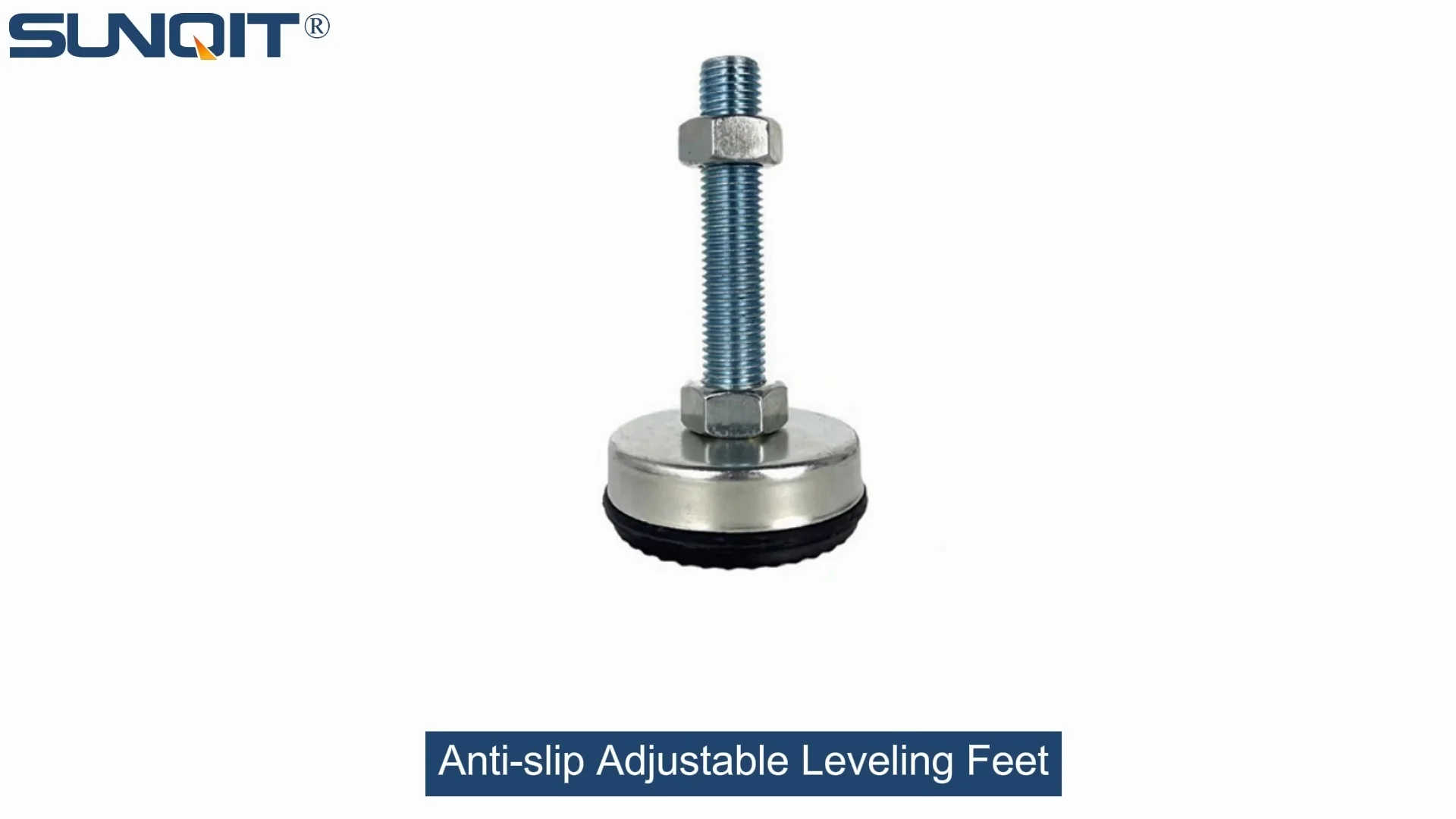
Anti-slip Adjustable Leveling Feet
Anti-slip Adjustable Leveling Feet are designed to keep machines level when placed on uneven or sloped ground, the rubber base will prevent product slip during work.
Introduction: The Unsung Heroes of Stable Workspaces
In the bustling world of manufacturing, warehousing, and production lines, stability is everything. A wobbly workbench can throw off precision assembly, uneven conveyor systems can slow down material flow, and unstable racks risk damaging valuable inventory. Enter anti-slip adjustable leveling feet —the quiet champions that keep operations grounded, quite literally. These small but critical components are the foundation of lean systems, ensuring that workbenches, material racks, and production stations stay level, secure, and safe, even on imperfect floors.
But not all leveling feet are created equal. The material from which they're made plays a pivotal role in their performance, durability, and suitability for specific environments. Two materials stand out in this space: aluminum and stainless steel. Each brings its own set of strengths to the table, from corrosion resistance to weight efficiency, and choosing between them can mean the difference between a setup that lasts for years and one that falters under pressure. In this article, we'll dive deep into the world of aluminum and stainless steel anti-slip adjustable leveling feet, exploring their properties, applications, and how to decide which is right for your needs—with a nod to the role of trusted partners like a reliable lean pipe supplier in sourcing quality components.
Aluminum: Lightweight Strength for Modern Workspaces
Aluminum has long been a favorite in industrial settings, prized for its unique blend of lightness and strength. When it comes to anti-slip adjustable leveling feet, aluminum brings a host of advantages that make it ideal for many applications. Let's start with its most obvious trait: weight. Aluminum is significantly lighter than stainless steel, which translates to easier handling during installation. Imagine setting up a series of workbenches in a new production line—lighter leveling feet mean less strain on workers, faster assembly times, and reduced risk of injury. This lightweight nature also makes aluminum leveling feet a top choice for mobile setups, such as turnover trolleys or temporary workstations, where portability is key.
But don't let its lightness fool you—aluminum is surprisingly strong. When alloyed with elements like magnesium or silicon, it gains impressive load-bearing capabilities, often rivaling mild steel. This makes it suitable for supporting heavy workbenches, material racks (think material rack b (3 row and 3 floor) ), and even conveyor systems. What's more, aluminum naturally forms a thin oxide layer on its surface, which acts as a barrier against corrosion. This inherent resistance to rust and tarnish makes it a solid option for indoor environments where moisture levels are moderate, such as electronics assembly plants or cleanrooms.
Another advantage of aluminum is its malleability. This metal is easy to machine, shape, and customize, allowing manufacturers to create leveling feet with intricate designs—like specialized anti-slip pads or adjustable threads that fine-tune height with precision. For example, aluminum leveling feet can be paired with aluminum profile workbenches, creating a seamless, integrated look that's both functional and aesthetically pleasing. The ability to anodize aluminum further enhances its appeal: anodization not only adds color (think sleek black or silver finishes) but also increases surface hardness, making the leveling feet more resistant to scratches and wear over time.
However, aluminum isn't without its limitations. While its oxide layer offers some corrosion protection, it's not as robust as stainless steel's resistance. In highly humid or chemical-exposed environments—such as food processing facilities with frequent washdowns or outdoor warehouses—aluminum may eventually show signs of degradation. Additionally, while strong for its weight, aluminum has a lower melting point than stainless steel, making it unsuitable for applications involving extreme heat, like near furnaces or welding stations.

Stainless Steel: Durability Redefined for Harsh Environments
If aluminum is the lightweight contender, stainless steel is the heavyweight champion of durability. This alloy—composed primarily of iron, chromium, and nickel—was designed to withstand the toughest conditions, and it delivers in spades when it comes to anti-slip adjustable leveling feet. The secret to stainless steel's resilience lies in its chromium content: when exposed to oxygen, chromium forms a passive film of chromium oxide on the surface, which self-heals if scratched, ensuring long-lasting corrosion resistance. This makes stainless steel leveling feet the go-to choice for environments where moisture, chemicals, or extreme temperatures are part of the daily grind.
Take the food and beverage industry, for example. In meat processing plants or breweries, equipment is regularly hosed down with water and cleaning agents. Stainless steel leveling feet stand up to these harsh conditions without rusting or degrading, maintaining hygiene standards and preventing contamination. Similarly, in pharmaceutical labs, where sterility is paramount, stainless steel's non-porous surface resists bacterial growth, making it easy to sanitize and compliant with strict regulatory requirements. Even in outdoor settings—exposed to rain, snow, and salt—stainless steel leveling feet from the stainless steel pipe series remain unyielding, ensuring stability year after year.
Stainless steel's strength is another standout feature. It boasts high tensile strength and excellent impact resistance, making it capable of supporting massive loads without bending or warping. This makes it indispensable for heavy-duty applications, such as supporting industrial workbenches with metalworking tools, large material racks storing bulky components, or conveyor systems transporting heavy machinery parts. Unlike aluminum, stainless steel retains its strength even at high temperatures, making it suitable for use in foundries, automotive paint shops, or any environment where heat is a constant factor.
The anti-slip properties of stainless steel leveling feet are also worth noting. Many stainless steel models come with rubber or silicone pads that grip floors firmly, preventing slippage even in wet conditions. The metal itself is naturally dense and non-porous, so it won't absorb oils or liquids that could compromise grip over time. For facilities prioritizing safety—like manufacturing plants with oily floors or warehouses with frequent foot traffic—stainless steel leveling feet offer peace of mind that equipment will stay firmly in place.
Of course, all this durability comes with a trade-off: weight. Stainless steel is significantly heavier than aluminum, which can make installation more labor-intensive. Workers may need tools or lifting equipment to position heavy stainless steel leveling feet, increasing setup time and costs. Additionally, stainless steel is less malleable than aluminum, which can limit design flexibility. Custom shapes or intricate adjustments may require specialized machining, driving up production costs. Finally, stainless steel is more expensive upfront than aluminum, a factor that can influence budget-conscious decisions for large-scale projects.

Aluminum vs. Stainless Steel: A Head-to-Head Comparison
To truly understand which material is right for your anti-slip adjustable leveling feet, let's break down their key properties side by side. The following table compares aluminum and stainless steel across critical factors like weight, corrosion resistance, load capacity, and cost:
| Property | Aluminum | Stainless Steel | Best For |
|---|---|---|---|
| Weight | Lightweight (2.7 g/cm³) | Heavy (7.9 g/cm³) | Aluminum: Mobile setups, temporary workstations, applications where portability matters. |
| Corrosion Resistance | Moderate (natural oxide layer; susceptible to harsh chemicals/high moisture) | Excellent (chromium oxide layer; resistant to water, chemicals, salt) | Stainless Steel: Food processing, outdoor use, labs with frequent washdowns. |
| Load Capacity | High strength-to-weight ratio; suitable for medium-heavy loads | Exceptional strength; ideal for very heavy loads (500+ kg) | Stainless Steel: Heavy machinery, large material racks, industrial workbenches. |
| Heat Resistance | Low melting point (660°C); not for extreme heat | High melting point (1400–1450°C); suitable for high-temperature environments | Stainless Steel: Foundries, welding areas, near furnaces. |
| Machinability/Customization | Highly malleable; easy to shape, anodize, and customize | Less malleable; requires specialized tools for complex designs | Aluminum: Aesthetic applications, integrated setups with aluminum profiles. |
| Cost | Lower upfront cost | Higher upfront cost | Aluminum: Budget-sensitive projects with moderate environmental demands. |
| Anti-Slip Performance | Good (with rubber pads; surface can be textured) | Excellent (dense, non-porous surface; superior grip in wet conditions) | Stainless Steel: Oily floors, high-moisture areas, safety-critical zones. |
As the table shows, the choice between aluminum and stainless steel hinges on your specific needs. For indoor, medium-load applications where portability and cost are priorities, aluminum shines. For harsh environments, heavy loads, or long-term durability, stainless steel is worth the investment. But what about real-world scenarios? Let's explore a few examples:
Example 1: Electronics Assembly Cleanroom – Here, indoor conditions are controlled (low moisture, no chemicals), and workbenches need to be lightweight for reconfiguration. Aluminum leveling feet paired with aluminum profile workbenches would be ideal, offering corrosion resistance, easy adjustment, and a sleek, clean look.
Example 2: Food Processing Plant – Frequent washdowns with caustic cleaners demand maximum corrosion resistance. Stainless steel leveling feet would be non-negotiable here, ensuring compliance with hygiene standards and longevity despite constant exposure to water and chemicals.
Example 3: Automotive Manufacturing Line – Heavy equipment, oily floors, and occasional heat exposure require a balance of strength and grip. Stainless steel leveling feet would support the weight of car parts and tools, while their anti-slip pads prevent accidents on slippery surfaces.
Example 4: Warehouse Turnover Trolley – Portability is key for moving goods between stations. Aluminum leveling feet would reduce the trolley's overall weight, making it easier for workers to push, while still supporting the load of boxes or components.

Key Considerations When Choosing Your Material
Now that you understand the strengths and weaknesses of aluminum and stainless steel, how do you make the final call? Here are five critical factors to consider before purchasing anti-slip adjustable leveling feet:
1. Environment – Start by assessing the conditions where the leveling feet will be used. Is the area dry, humid, or exposed to chemicals? Indoor cleanrooms may thrive with aluminum, while outdoor or wet environments demand stainless steel.
2. Load Requirements – Calculate the maximum weight the leveling feet will need to support. A small workbench with light tools may work with aluminum, but a heavy-duty material rack (like material rack b (3 row and 3 floor) ) will require the strength of stainless steel.
3. Mobility Needs – Will the equipment be moved frequently? If yes, aluminum's lightweight design will save time and effort. For stationary setups, stainless steel's durability may be worth the extra weight.
4. Budget – Consider both upfront and long-term costs. Aluminum is cheaper initially, but stainless steel may offer better value over time in harsh environments by reducing replacement needs.
5. Aesthetics and Integration – Do the leveling feet need to match existing equipment? Aluminum pairs seamlessly with aluminum profile workbenches, while stainless steel offers a more industrial, rugged look.
Sourcing Quality: The Role of a Trusted Lean Pipe Supplier
No matter which material you choose, the quality of your anti-slip adjustable leveling feet depends on the supplier. A reputable lean pipe supplier will not only offer high-quality aluminum and stainless steel components but also provide expert guidance to help you select the right material for your needs. Look for suppliers who source materials from trusted mills, perform rigorous testing (like load capacity and corrosion resistance checks), and offer customization options to tailor leveling feet to your specific requirements.
A good supplier should also carry a range of accessories to complement your leveling feet, such as replacement anti-slip pads, adjustable threads, or mounting brackets. For example, if you choose aluminum leveling feet for a workbench, a supplier might recommend compatible aluminum profile accessories like end caps or connectors to ensure a secure fit. Additionally, reliable suppliers offer competitive pricing, fast shipping, and responsive customer service—critical factors for keeping your project on track.
When vetting suppliers, ask about their quality control processes. Do they test each batch of leveling feet for load capacity? Can they provide certifications for corrosion resistance (like ISO standards for stainless steel)? Reading customer reviews and requesting samples can also help you gauge the supplier's reliability. Remember, the cheapest option isn't always the best—investing in high-quality leveling feet from a trusted supplier will save you time, money, and headaches in the long run.
Conclusion: Choosing the Right Material for Your Success
Anti-slip adjustable leveling feet may be small components, but their impact on your workspace's safety, efficiency, and longevity is enormous. Aluminum and stainless steel each offer unique benefits: aluminum excels in lightweight, cost-effective, and moderately corrosive environments, while stainless steel dominates in durability, heavy-load support, and harsh conditions. By evaluating your environment, load requirements, mobility needs, budget, and aesthetic preferences, you can make an informed decision that aligns with your operational goals.
And remember, you don't have to navigate this choice alone. Partnering with a knowledgeable lean pipe supplier ensures you access top-quality materials, expert advice, and the accessories needed to bring your setup together seamlessly. Whether you're outfitting a small workshop with aluminum workbenches or a large factory with stainless steel conveyor systems, the right leveling feet material will provide the stability your operations need to thrive.
In the end, the "best" material is the one that fits your unique needs. So, take the time to assess your workspace, weigh the pros and cons, and choose confidently—your team, your equipment, and your bottom line will thank you.