- Company Articles
- Products and Technology
- Product knowledge
- Materials of Parallel Fixation Aluminum Pipe Joints: Why Aluminum Alloy Stands Out

Materials of Parallel Fixation Aluminum Pipe Joints: Why Aluminum Alloy Stands Out
Related Product
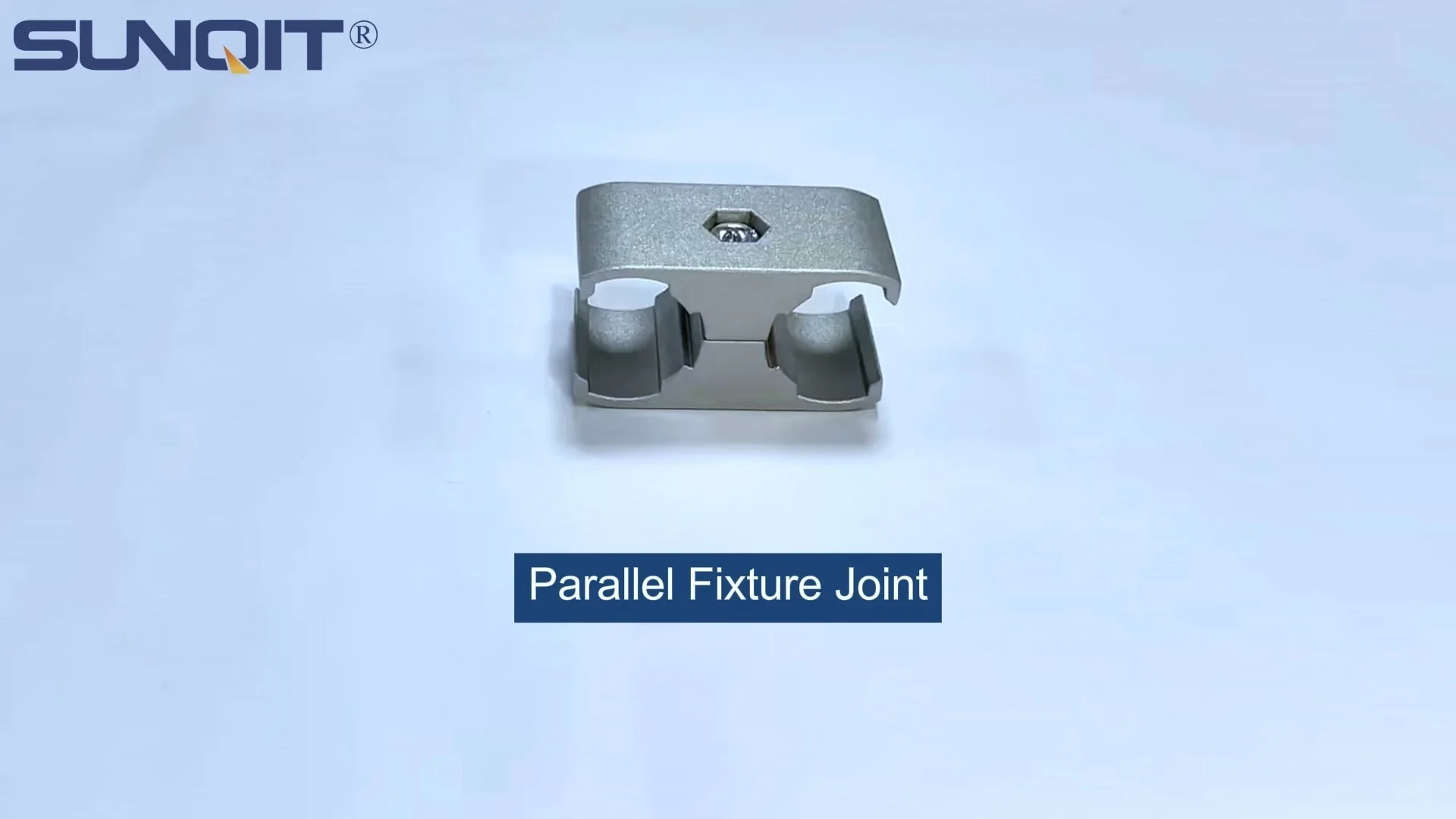
Parallel Fixation Aluminum Pipe Joint
Aluminum parallel joint for two pcs 28mm aluminum pipe connected by parallel direction.
In the bustling world of manufacturing, where every second counts and efficiency is the name of the game, there's a silent hero working behind the scenes: the pipe joint. These unassuming components hold together the backbone of production lines—workbenches, flow racks, conveyors, and material trolleys—yet their importance is often overlooked until something goes wrong. Imagine a scenario where a single loose joint brings a assembly line to a halt, costing thousands in downtime. Or a rusted connection contaminating sensitive electronics in a cleanroom. The difference between a smooth, uninterrupted workflow and a day marred by delays often comes down to one critical choice: the material of the pipe joint.
Among the myriad options available, one material has risen to the top, earning the trust of manufacturers worldwide: aluminum alloy. Specifically, when it comes to parallel fixation pipe joints—components designed to connect aluminum pipes in stable, parallel configurations—aluminum alloy isn't just a good choice; it's the standout. But why? What makes this material so uniquely suited to the demands of modern manufacturing? In this article, we'll dive deep into the world of parallel fixation aluminum pipe joints, exploring the science, benefits, and real-world impact of aluminum alloy as their core material. We'll also touch on how aluminum profile, aluminum extrusion profile, and aluminum pipe accessories play pivotal roles in enhancing their performance, ensuring that these joints don't just connect pipes—they empower businesses to build smarter, more resilient production systems.
What Are Parallel Fixation Aluminum Pipe Joints?
Before we delve into why aluminum alloy is the material of choice, let's clarify what parallel fixation aluminum pipe joints actually are. Simply put, these are specialized connectors designed to join two or more aluminum pipes in a parallel arrangement, creating stable, load-bearing structures. Unlike flexible joints that allow for rotation or angular adjustments, parallel fixation joints prioritize rigidity and alignment, making them ideal for applications where precision and stability are non-negotiable—think of the shelves in a flow rack that must stay level to ensure materials glide smoothly, or the legs of a workbench that need to support heavy machinery without wobbling.
These joints are the unsung architects of modular manufacturing. Thanks to their design, they allow factories to quickly assemble, disassemble, and reconfigure workspaces—a key feature in today's fast-paced environment, where product lines change and adaptability is critical. Whether you're setting up a new production cell for a seasonal product or retooling a facility to meet shifting market demands, parallel fixation aluminum pipe joints make it possible to transform a space in hours, not days. And at the heart of this flexibility lies aluminum alloy, a material that balances strength, durability, and versatility in a way no other material can.
Why Material Choice Matters: The Cost of Cutting Corners
To understand why aluminum alloy is so exceptional, it helps to first consider the consequences of choosing the wrong material. Let's take a trip to a hypothetical automotive parts plant—let's call it "SpeedTech Motors." A few years back, SpeedTech's production team opted for steel pipe joints to build their assembly line racks. At first glance, steel seemed like a logical choice: it's strong, widely available, and inexpensive upfront. But as the months passed, problems began to surface.
First, the weight. Steel joints, combined with steel pipes, made each rack incredibly heavy. When the plant needed to reconfigure the line to accommodate a new car model, it took eight workers to move a single rack, and the process dragged on for hours. Downtime became a regular occurrence, and employee morale suffered as teams strained under the physical toll of maneuvering these structures. Then came the corrosion. The plant's paint shop, with its humid air and chemical fumes, the rusting process. Rusted joints weakened over time, leading to sagging shelves and, in one case, a collapsed rack that damaged hundreds of dollars' worth of parts. The "inexpensive" steel joints had quickly become a costly headache.
SpeedTech isn't alone in this experience. Manufacturers who opt for plastic joints often face a different set of issues: plastic lacks the tensile strength to support heavy loads, warps under high temperatures, and degrades when exposed to chemicals or UV light. Stainless steel, while corrosion-resistant, is even heavier than carbon steel and significantly more expensive, making it impractical for large-scale use. So, what's the alternative? Enter aluminum alloy—a material that addresses all these pain points and more.

Aluminum Alloy: The Science Behind Its Standout Status
Aluminum alloy isn't just "aluminum"—it's a carefully engineered blend of aluminum and other elements, such as magnesium, silicon, copper, or zinc, designed to enhance specific properties. For parallel fixation pipe joints, the most commonly used alloys are 6061 and 6063, both part of the "6xxx" series known for their excellent extrudability, strength, and corrosion resistance. Let's break down why this composition makes aluminum alloy the material of choice:
Lightweight Yet Strong: The Strength-to-Weight Advantage
One of aluminum alloy's most celebrated traits is its impressive strength-to-weight ratio. Aluminum weighs roughly one-third as much as steel, yet modern alloys like 6061 have a tensile strength of around 310 MPa—strong enough to support heavy loads without adding unnecessary bulk. For parallel fixation joints, this means structures can be both sturdy and lightweight. Returning to our SpeedTech example: after switching to aluminum alloy joints, the same racks that once required eight workers to move could now be repositioned by just two people, cutting reconfiguration time from four hours to one. This not only reduced downtime but also lowered the risk of workplace injuries, a win-win for both productivity and employee well-being.
Corrosion Resistance: A Shield Against the Elements
Aluminum alloy's natural defense against corrosion is another game-changer. When exposed to air, aluminum forms a thin, invisible layer of aluminum oxide on its surface. This layer acts as a protective barrier, preventing further oxidation and rust. Unlike steel, which requires additional coatings (like paint or galvanization) to resist corrosion—coatings that can chip or wear off over time—aluminum's oxide layer self-heals. If scratched, the exposed aluminum reacts with oxygen to reform the protective film, ensuring long-term durability even in harsh environments. For manufacturers in industries like food processing, pharmaceuticals, or electronics (where cleanliness is critical), this resistance to corrosion is invaluable. An ESD workstation in a semiconductor factory, for instance, can rely on aluminum alloy joints to maintain a sterile, rust-free environment, ensuring sensitive microchips aren't compromised by contaminants.
Malleability and Precision: The Extrusion Advantage
Aluminum alloy's malleability is perhaps its most underappreciated strength—especially when paired with the aluminum extrusion process. Extrusion involves heating an aluminum billet (a solid block of alloy) and forcing it through a die, a custom-shaped tool that shapes the metal into complex profiles with incredible precision. This process is what allows manufacturers to create aluminum extrusion profiles with intricate geometries—grooves, channels, and notches—that are perfectly suited for pipe joints. For parallel fixation joints, this precision is critical. The joints must fit snugly with aluminum pipes, ensuring a tight, wobble-free connection. With extrusion, every joint is consistent in size and shape, eliminating the variability that plagues cast or machined steel components. Imagine trying to assemble a jigsaw puzzle where each piece is slightly different; extrusion ensures every "piece" (joint) fits exactly as it should, reducing assembly time and improving structural integrity.
Sustainability: A Material for the Future
In an era where sustainability is no longer a buzzword but a business imperative, aluminum alloy shines as an eco-friendly choice. Aluminum is 100% recyclable, and recycling it requires just 5% of the energy needed to produce new aluminum from raw ore. This not only reduces a manufacturer's carbon footprint but also lowers long-term costs, as recycled aluminum is often cheaper than virgin material. For companies aiming to achieve LEED certification or meet strict environmental regulations, choosing aluminum alloy joints is a tangible step toward sustainability. What's more, aluminum's longevity means fewer replacements over time, further reducing waste. A well-maintained aluminum joint can last decades, outliving its steel or plastic counterparts by years.

How Aluminum Stacks Up Against the Competition
To truly appreciate aluminum alloy's superiority, let's compare it head-to-head with three common alternatives: steel, plastic, and stainless steel. The table below breaks down key factors that matter most to manufacturers—weight, strength, corrosion resistance, cost, ease of assembly, and recyclability.
| Material | Weight (kg/m for 20mm Pipe) | Tensile Strength (MPa) | Corrosion Resistance | Cost (Relative) | Ease of Assembly | Recyclability |
|---|---|---|---|---|---|---|
| Aluminum Alloy (6063) | 0.5 | 215 | Excellent (natural oxide layer) | Moderate (higher upfront, lower long-term) | High (lightweight, precise extrusion fit) | 100% recyclable |
| Carbon Steel | 1.5 | 420 | Poor (requires coating; rusts easily) | Low (upfront), high (maintenance/replacement) | Low (heavy, requires tools for adjustment) | Recyclable, but energy-intensive |
| Plastic (PVC/PP) | 0.3 | 40-60 | Good (resists chemicals), poor (UV/heat degradation) | Low (upfront), very high (frequent replacement) | High (lightweight), but weak joints loosen easily | Limited (difficult to recycle; often single-use) |
| Stainless Steel | 1.6 | 500 | Excellent (chromium oxide layer) | Very high (upfront and maintenance) | Low (heavy, requires specialized tools) | Recyclable, but expensive to process |
As the table shows, aluminum alloy strikes a perfect balance across all categories. While steel and stainless steel offer higher tensile strength, their weight and corrosion issues make them impractical for most modular manufacturing setups. Plastic, though lightweight, lacks the durability to withstand the rigors of daily use. Aluminum alloy, on the other hand, delivers enough strength to support heavy loads, remains lightweight for easy reconfiguration, resists corrosion, and is cost-effective over the long term—all while being fully recyclable. It's no wonder manufacturers are making the switch.

Aluminum Pipe Accessories: Enhancing Joint Performance
A parallel fixation aluminum pipe joint is only as good as the accessories that support it. Aluminum pipe accessories—components like internal rotatary joints, pipe clamps, caster wheels, and end caps—work in tandem with the joints to create versatile, functional systems. Let's take a closer look at how these accessories elevate the performance of aluminum alloy joints:
Internal Rotary Aluminum Joints: Adding Flexibility to Rigidity
While parallel fixation joints prioritize stability, there are times when a bit of adjustability is needed. Internal rotary aluminum joints solve this problem by allowing limited rotation between connected pipes, enabling slight angle adjustments without sacrificing overall rigidity. For example, a workbench might use parallel fixation joints for its main frame but incorporate internal rotary joints for a side shelf that needs to tilt slightly to accommodate a specific tool. This combination of stability and flexibility is unique to aluminum systems, as steel joints often require welding or permanent fasteners that leave no room for adjustments.
Aluminum Pipe Clamps: Securing Connections with Precision
Aluminum pipe clamps are the unsung heroes of joint integrity. These small, but mighty, accessories pipes and joints, preventing slippage even under heavy loads. Made from the same high-quality aluminum alloy as the joints themselves, they resist corrosion and wear, ensuring a tight fit for years. Unlike plastic clamps, which can crack or loosen over time, or steel clamps, which add unnecessary weight, aluminum clamps are lightweight, durable, and easy to tighten or loosen with basic tools—perfect for quick reconfigurations.
Caster Wheels and Accessories: Mobility Meets Stability
For mobile structures like turnover trolleys or movable workbenches, caster wheels are a must. When paired with aluminum alloy joints, these wheels transform static setups into dynamic, on-the-go workstations. Aluminum's lightweight nature means even a trolley loaded with parts is easy to push, reducing strain on workers. Many caster accessories, such as brake mechanisms or swivel locks, are also made from aluminum alloy, ensuring they stand up to the wear and tear of daily use. Imagine a warehouse where material trolleys glide effortlessly from station to station, thanks to the combination of aluminum joints and smooth-rolling casters—this is the reality aluminum accessories make possible.
Real-World Impact: Stories of Improved Efficiency
The benefits of aluminum alloy parallel fixation joints aren't just theoretical—they're proven in factories, warehouses, and production facilities around the globe. Let's explore two real-world examples that highlight the material's transformative impact.
Case Study 1: Precision Electronics Inc. (PEI)
PEI, a manufacturer of printed circuit boards (PCBs) for smartphones, was struggling with its ESD workstations. The company's old steel workbenches were heavy, difficult to reconfigure, and prone to rust in the humid cleanroom environment. Rust particles were a constant threat to the sensitive PCBs, leading to costly defects. In 2022, PEI switched to aluminum alloy parallel fixation joints and aluminum profile workbenches. The results were immediate: the new workstations were 60% lighter, allowing teams to rearrange the production floor in half the time. The aluminum alloy joints, resistant to corrosion, eliminated rust-related defects entirely. What's more, the modular design of the aluminum system meant PEI could add shelves, tool holders, and cable management accessories with ease, customizing each workstation to the needs of individual operators. Defect rates dropped by 25%, and employee satisfaction scores rose—all thanks to the switch to aluminum.
Case Study 2: FreshFlow Foods
FreshFlow Foods, a producer of pre-packaged salads and vegetables, faced a different challenge: maintaining hygiene standards in its processing facility. The company's old plastic flow racks, used to transport produce from washing stations to packaging lines, were starting to degrade. The plastic joints would warp under the heat of the facility's sanitizing washes, creating gaps where bacteria could hide. FreshFlow turned to aluminum alloy parallel fixation joints and aluminum extrusion profile racks. Aluminum's resistance to heat and chemicals made it ideal for daily sanitization, and the smooth, non-porous surface of the aluminum joints left nowhere for bacteria to linger. The racks were also stronger than the plastic ones, supporting heavier loads of produce without bending. Within six months, FreshFlow saw a 40% reduction in bacterial contamination incidents, and the racks showed no signs of wear—even after daily exposure to high-pressure water and sanitizers.
The Future of Aluminum Alloy Pipe Joints: Innovation on the Horizon
As manufacturing continues to evolve, so too does the technology behind aluminum alloy pipe joints. Researchers and engineers are constantly finding new ways to enhance the material's performance, opening up exciting possibilities for the future. Here are a few innovations to watch:
Advanced Alloys: Stronger, Lighter, Smarter
Scientists are developing next-generation aluminum alloys with even higher strength-to-weight ratios. By tweaking the composition—adding trace elements like scandium or lithium—they're creating alloys that rival steel in strength while remaining lightweight. These advanced alloys could soon make aluminum joints suitable for even heavier-duty applications, such as aerospace manufacturing or heavy machinery production.
Smart Joints: IoT-Enabled Monitoring
Imagine a joint that can "talk" to you. Thanks to the Internet of Things (IoT), this is becoming a reality. Manufacturers are experimenting with embedding tiny sensors into aluminum alloy joints to monitor temperature, vibration, and strain. These sensors can alert maintenance teams to loose connections or potential failures before they cause downtime. For example, a sensor in a flow rack joint might detect unusual vibration, indicating a worn roller track, and send an alert to a technician's phone—allowing for proactive repairs.
3D-Printed Custom Joints
3D printing, or additive manufacturing, is revolutionizing how aluminum alloy joints are made. While traditional extrusion is ideal for mass-produced, standard joints, 3D printing allows for custom, one-of-a-kind designs tailored to specific applications. Need a joint with a unique angle or integrated cable management? 3D printing can create it quickly and cost-effectively, opening up new possibilities for modular design.
Conclusion: Aluminum Alloy—More Than a Material, a Catalyst for Excellence
When it comes to parallel fixation pipe joints, aluminum alloy isn't just a material choice—it's a strategic decision that impacts every aspect of manufacturing, from productivity and cost to safety and sustainability. Its lightweight nature reduces physical strain on workers and enables quick reconfigurations. Its corrosion resistance ensures durability in harsh environments, from humid factories to sterile cleanrooms. Its malleability, paired with aluminum extrusion profile technology, allows for precise, consistent joints that fit like puzzle pieces. And when combined with aluminum pipe accessories like clamps, caster wheels, and rotary joints, it creates systems that are as flexible as they are strong.
The stories of SpeedTech Motors, PEI, and FreshFlow Foods are just a glimpse of the transformative power of aluminum alloy. In each case, the switch from traditional materials to aluminum didn't just solve a problem—it unlocked new levels of efficiency, reliability, and innovation. As manufacturing continues to push forward, aluminum alloy will undoubtedly remain at the forefront, adapting and evolving to meet the needs of tomorrow's factories.
So, the next time you walk through a production facility, take a moment to appreciate the parallel fixation aluminum pipe joints holding everything together. They may be small, but their impact is enormous. And remember: behind every smooth, efficient workflow is a material that stands out—aluminum alloy.