- Company Articles
- Products and Technology
- Product knowledge
- Materials of Parallel Lean Pipe Joints: Why Aluminum is Ideal for One Side Rotatory Models

Materials of Parallel Lean Pipe Joints: Why Aluminum is Ideal for One Side Rotatory Models
Related Product
Parallel Lean Pipe Joint
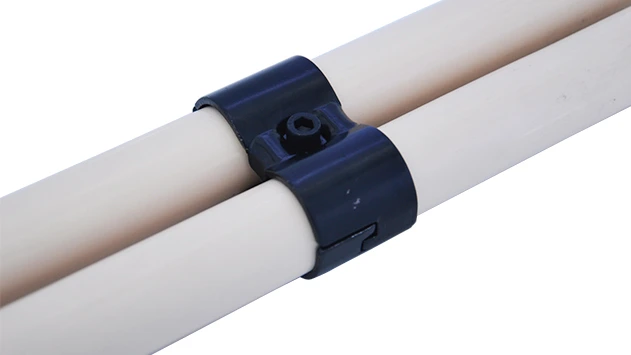
Parallel lean pipe joint used for 2 pcs 28MM lean pipe connection in parallel direction to enhance frame structure, usually for heavy payload requirement for workbench. flow rack, hand trolley.
Walk into any modern manufacturing facility, and you'll notice a common thread: efficiency. Every tool, every workstation, every piece of equipment is there for a reason—to eliminate waste, streamline processes, and keep production flowing like a well-tuned machine. At the heart of this efficiency lie components you might not immediately notice but are absolutely critical: parallel lean pipe joints . These unassuming connectors are the backbone of modular production lines, workbenches, and flow racks, enabling the flexibility that lean systems demand. But not all joints are created equal. When it comes to one side rotatory models—those that allow smooth, controlled rotation to adjust angles or reposition workflows—the choice of material can make or break performance. And in this arena, aluminum stands head and shoulders above the competition.
Understanding Parallel Lean Pipe Joints: The Unsung Heroes of Lean Systems
Before diving into materials, let's take a moment to appreciate what parallel lean pipe joints do. In lean manufacturing, the goal is to create systems that are adaptable, scalable, and easy to reconfigure. Traditional fixed structures—welded steel frames, rigid workbenches—hinder this flexibility. Parallel lean pipe joints, by contrast, are the modular building blocks that turn static setups into dynamic, responsive workspaces. They connect aluminum lean pipe (or other tubing) to form everything from assembly lines and material racks to turnover trolleys and workbenches. Think of them as the "Lego bricks" of manufacturing: simple, interchangeable, and infinitely versatile.
One side rotatory models take this versatility a step further. Unlike fixed joints, they feature a rotating component that allows one side of the connection to pivot—say, adjusting the angle of a workbench shelf or repositioning a flow rack to accommodate a new product line. This rotation needs to be smooth, consistent, and durable; a stiff or wobbly joint can slow down operations, create safety hazards, or lead to premature wear. That's why material selection here isn't just about strength—it's about balancing strength with precision, weight with durability, and cost with long-term value.
The Material Dilemma: What Matters in a Lean Pipe Joint?
When engineers and procurement teams evaluate materials for parallel lean pipe joints, they're weighing a handful of critical factors:
- Weight: Heavier joints make structures harder to reconfigure, increase operator fatigue during adjustments, and add unnecessary load to the overall system.
- Strength & Durability: Joints must withstand daily use—vibration, weight from materials, repeated rotation—without bending, cracking, or loosening.
- Corrosion Resistance: Manufacturing environments are often harsh, with exposure to oils, coolants, humidity, or even chemicals. A material that rusts or degrades quickly will shorten the joint's lifespan.
- Machinability & Precision: Rotatory joints require tight tolerances to ensure smooth movement. The material must be easy to machine into precise shapes without warping or fracturing.
- Cost: While upfront cost matters, long-term value (lifespan, maintenance, replacement frequency) is often more critical.
- Sustainability: Modern lean systems increasingly prioritize eco-friendly materials that align with corporate sustainability goals and reduce waste.
For decades, steel was the default choice for industrial joints. It's strong, affordable, and familiar. But as manufacturing evolved—with a greater focus on agility, operator safety, and sustainability—steel's drawbacks became harder to ignore. Enter aluminum: a material that checks nearly every box on this list, and particularly shines for one side rotatory parallel lean pipe joints.

Aluminum: A Material Built for the Demands of Rotatory Joints
Aluminum isn't new, but its application in lean manufacturing joints has surged in recent years—and for good reason. Let's break down why it's uniquely suited for one side rotatory models:
Lightweight, Yet Surprisingly Strong
Aluminum's most obvious advantage is its weight—about one-third the density of steel. For a one side rotatory joint, this is game-changing. Imagine an operator needing to adjust a workbench shelf multiple times a day; a steel joint might feel clunky and require extra effort, increasing the risk of strain or mistakes. Aluminum joints, by contrast, are light enough to move smoothly with minimal force, reducing operator fatigue and making reconfiguration a breeze. But don't mistake "lightweight" for "weak." Modern aluminum alloys—like those used in aluminum profile systems—boast impressive tensile strength (often 200-300 MPa), more than enough to handle the loads of typical manufacturing environments. This strength-to-weight ratio is unmatched by steel or plastic.
Corrosion Resistance: Built to Last in Harsh Environments
Manufacturing floors are rarely pristine. Oils, coolants, water, and even cleaning chemicals can take a toll on metal components. Steel, unless galvanized or painted, rusts quickly when exposed to moisture—a problem that only gets worse with moving parts like rotatory joints (rust creates friction, leading to stiffer rotation and accelerated wear). Aluminum, however, forms a natural protective oxide layer when exposed to air, preventing corrosion without the need for additional coatings. This makes it ideal for humid environments, food processing facilities, or any setting where moisture is present. Unlike painted steel, this oxide layer won't chip or scratch off over time, ensuring the joint remains smooth and functional for years.
Machinability: Precision for Smooth Rotation
One side rotatory joints live and die by precision. Even a tiny imperfection in the bearing surface or pivot point can lead to jerky movement or premature failure. Aluminum is a dream to machine: it cuts cleanly, holds tight tolerances, and allows for intricate designs—like the precise grooves and bearings needed for smooth rotation. Compare this to steel, which is harder and more abrasive on cutting tools, leading to higher manufacturing costs and longer lead times. Plastic, while easy to mold, lacks the dimensional stability of aluminum; it can warp under heat or pressure, throwing off the joint's precision over time. With aluminum, manufacturers can create rotatory joints that move with the kind of consistency operators rely on.
Sustainability: Aligning with Lean's "Reduce Waste" Ethos
Lean manufacturing isn't just about efficiency—it's about reducing waste, and that includes material waste. Aluminum is 100% recyclable, with nearly 75% of all aluminum ever produced still in use today. When a lean system is reconfigured or retired, aluminum joints can be melted down and reused, minimizing environmental impact. Steel is also recyclable, but the energy required to recycle it is significantly higher than aluminum. Plastic, meanwhile, often ends up in landfills, as recycling rates for industrial plastics remain low. For companies looking to align their operations with sustainability goals, aluminum is the clear choice.

How Aluminum Stacks Up: A Head-to-Head Comparison
To put aluminum's advantages into perspective, let's compare it to two common alternatives: carbon steel (a traditional choice) and plastic (a budget option). The table below highlights key properties relevant to one side rotatory parallel lean pipe joints:
| Property | Aluminum (Alloy 6061) | Carbon Steel (Mild) | Plastic (PVC) |
|---|---|---|---|
| Weight (kg/m, for 20mm diameter) | 0.8-1.0 | 2.4-2.8 | 0.4-0.6 |
| Tensile Strength (MPa) | 205-310 | 370-460 | 40-55 |
| Corrosion Resistance | Excellent (natural oxide layer) | Poor (rusts without coating) | Good (resistant to moisture, poor to chemicals) |
| Machinability for Precision Joints | Excellent (holds tight tolerances) | Fair (harder, tool wear) | Fair (prone to warping) |
| Cost (Relative) | Moderate (higher upfront, lower long-term) | Low (upfront), High (maintenance/coating) | Low (upfront), Very High (replacement frequency) |
| Sustainability | Excellent (100% recyclable, low energy to recycle) | Good (recyclable, high energy use) | Poor (low recycling rates, non-biodegradable) |
| Suitability for Rotatory Joints | Excellent (lightweight, smooth rotation, durable) | Fair (strong but heavy, prone to rust-related friction) | Poor (weak, deforms under load, short lifespan) |
The data speaks for itself. While steel offers higher raw strength, its weight and corrosion issues make it suboptimal for rotatory joints. Plastic is lightweight but lacks the durability and precision needed for industrial use. Aluminum, meanwhile, hits the sweet spot: strong enough to perform, light enough to maneuver, resistant to corrosion, and sustainable to boot.
One Side Rotatory Models: Why Aluminum is the Clear Winner
Let's zoom in on one side rotatory parallel lean pipe joints specifically. These joints have a unique set of demands that aluminum addresses perfectly:
Smooth Rotation, Minimal Friction
A rotatory joint's job is to move—and move easily. Aluminum's natural smoothness, combined with precision machining, reduces friction between moving parts. Unlike steel, which can develop rough spots as it rusts, or plastic, which can "grab" when exposed to heat, aluminum maintains a consistent surface texture even after years of use. This means less maintenance (no need to lubricate as frequently) and fewer disruptions to production.
Reduced Wear on Connected Components
Heavier joints put more stress on the aluminum pipe accessories and tubing they connect. A steel joint, for example, might bend or warp a lightweight aluminum pipe over time, leading to misalignment. Aluminum joints, being lighter, exert less force on their surroundings, extending the lifespan of the entire system. This is especially critical in lean environments, where minimizing downtime and replacement costs is key.
Flexibility for Customization
No two manufacturing facilities are identical, and a good lean pipe supplier knows that customization is non-negotiable. Aluminum's machinability allows for easy modification: adding extra holes for bolts, adjusting the pivot angle, or integrating specialized bearings for unique applications. Steel, by contrast, requires specialized tools to modify, and plastic can't handle the heat or pressure of drilling or cutting without cracking. With aluminum, even one-off rotatory joint designs are feasible—no need to compromise on functionality.
Real-World Impact: How Aluminum Joints Transform Operations
To understand aluminum's practical benefits, let's look at a case study. A mid-sized automotive parts manufacturer was struggling with their assembly line setup. They'd been using steel parallel lean pipe joints for years, but reconfiguring the line for new car models was a nightmare: the steel joints were heavy, rust had made some rotation points stiff, and operators complained of back strain from moving components. The company partnered with a lean pipe supplier to switch to aluminum one side rotatory joints and aluminum lean pipe . Within six months, they reported:
- 30% faster line reconfigurations, thanks to lighter aluminum joints.
- 50% reduction in maintenance requests related to stiff or rusted joints.
- Fewer operator injuries, as adjusting workbenches and racks required less physical effort.
- Lower long-term costs, despite the slightly higher upfront price of aluminum, due to reduced replacement and maintenance needs.
This isn't an isolated example. From electronics manufacturing to food processing, companies are discovering that aluminum joints don't just solve immediate problems—they future-proof their operations for whatever changes lie ahead.
Beyond the Joint: Aluminum's Role in the Entire Lean Ecosystem
Aluminum parallel lean pipe joints don't exist in a vacuum; they're part of a larger ecosystem of aluminum components. Aluminum lean pipe , aluminum pipe accessories (like connectors, casters, and guide rails), and aluminum profiles all work together to create seamless, modular systems. This synergy amplifies aluminum's benefits: a lightweight joint paired with lightweight pipe makes the entire structure easier to handle; corrosion-resistant joints and pipe ensure the system lasts in harsh environments; and recyclable components across the board align with sustainability goals.
Consider a typical setup: an aluminum workbench with one side rotatory shelves, connected via aluminum joints to a flow rack made of aluminum lean pipe, which feeds materials to the line via aluminum roller tracks. Every component is lightweight, durable, and reconfigurable. If production needs change, the entire system can be disassembled and rebuilt in hours—not days—without specialized tools or welding. That's the power of aluminum in lean manufacturing.
Addressing Common Concerns: Why Aluminum Isn't Just a Trend
Despite its advantages, some decision-makers still hesitate to choose aluminum, citing concerns about cost or strength. Let's address these head-on:
"Aluminum is more expensive than steel. Can we justify the cost?"
It's true: aluminum joints often have a higher upfront price tag than steel. But "cost" isn't just about purchase price—it's about total cost of ownership. Steel requires coatings (like paint or galvanization) to prevent rust, adding to initial costs. Over time, those coatings chip, and rust sets in, leading to maintenance, repairs, or replacement. Aluminum, with its natural corrosion resistance, skips the coatings and lasts longer with minimal upkeep. When you factor in lower maintenance, faster reconfigurations, and reduced operator fatigue, aluminum almost always comes out ahead financially within 1-2 years.
"Is aluminum strong enough for heavy-duty applications?"
This is a common myth. While aluminum isn't as strong as steel in raw tensile strength, most manufacturing applications don't require the extreme strength of steel. A typical workbench or flow rack might hold 50-100 kg of materials—well within the capacity of aluminum alloys like 6061 or 6063. For heavier loads, engineers can simply specify thicker-walled aluminum pipe or reinforce joints with aluminum pipe accessories like gussets or brackets. In fact, many heavy machinery manufacturers now use aluminum components for their strength-to-weight ratio, proving that aluminum is more than up to the task.
Conclusion: Aluminum—The Ideal Choice for Tomorrow's Lean Systems
Parallel lean pipe joints are the quiet enablers of modern manufacturing, and one side rotatory models are their most versatile iteration. To maximize their performance, you need a material that balances strength, weight, precision, and sustainability. Aluminum delivers on all fronts. It's lightweight enough to make reconfiguration easy, strong enough to handle daily use, corrosion-resistant enough to thrive in harsh environments, and sustainable enough to align with the planet's needs. When paired with aluminum lean pipe and accessories, it creates a modular ecosystem that adapts to change, reduces waste, and empowers operators to work smarter—not harder.
For lean pipe suppliers, aluminum isn't just a material—it's a commitment to helping customers build systems that grow with them. For manufacturers, it's an investment in efficiency, safety, and long-term value. And for the future of manufacturing? It's a step toward lean systems that are not only productive, but also sustainable and human-centered.
In the world of parallel lean pipe joints, aluminum isn't just a choice—it's the ideal choice. And as manufacturing continues to evolve, that's a fact that will only become clearer.